
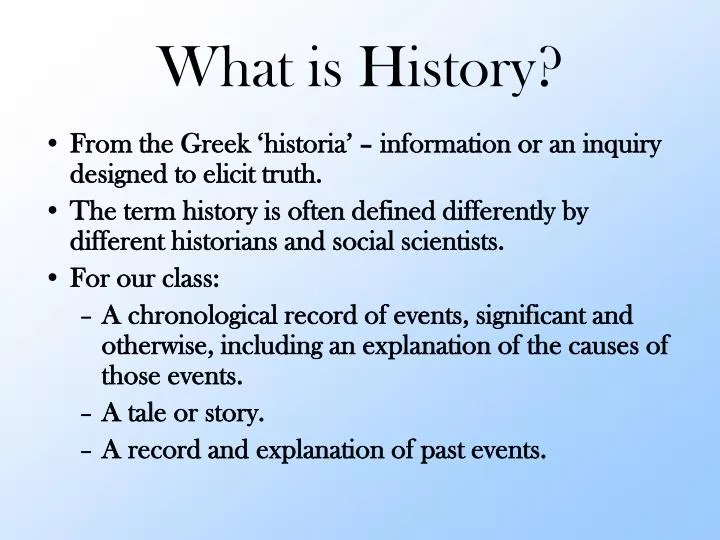
History, at its most fundamental, is the curated narrative of the past. For brands, whether corporate or personal, this isn’t merely an academic exercise or a dry chronology of events; it’s the very fabric of identity, the wellspring of authenticity, and a powerful strategic asset. To truly understand “what history is” in the context of branding is to grasp its profound capacity to shape perception, forge connections, and establish enduring relevance in a crowded marketplace. It’s not just about what happened, but how those happenings are remembered, interpreted, and communicated to define who a brand is, where it comes from, and where it’s going.

The Narrative Backbone of Identity
A brand without a history is a brand without a soul. Its past, whether grand or humble, forms the foundational narrative that differentiates it from competitors and resonates with its audience. This isn’t about fabricating tales but meticulously understanding and articulating the journey that led to the brand’s current iteration.
Crafting Origin Stories
Every brand has an origin, a moment of inception, a spark that ignited its existence. The way this origin story is told becomes a cornerstone of its identity. Is it a tale of visionary entrepreneurship, a solution born from a personal struggle, a technological breakthrough, or a heritage passed down through generations? The richness, authenticity, and emotional depth of this story can captivate audiences, evoke empathy, and establish an immediate sense of connection and purpose. It explains “why” the brand exists, transcending mere product or service offerings. For instance, a brand born from a garage startup might emphasize innovation and resilience, while one from a long-established family business might highlight tradition, quality, and community roots. These origin stories are not just facts; they are brand mythologies that inform values and culture.
The Power of Legacy
Beyond the origin, a brand’s history encompasses its entire journey, forming its legacy. This legacy is the sum of its achievements, challenges overcome, innovations introduced, and the impact it has had on its customers and industry. It’s the record of promises kept, values upheld, and the continuous evolution that demonstrates adaptability and foresight. A robust legacy instills trust and credibility, acting as a testament to reliability and sustained quality. For personal brands, a well-articulated legacy might showcase a professional’s career trajectory, key accomplishments, and the consistent thread of their expertise, establishing them as an authority in their field. The judicious curation of a brand’s legacy allows it to position itself as a thought leader, an innovator, or a trusted classic.
Evolution, Adaptation, and Authenticity
History is not static; it’s a dynamic record of change. For brands, this dynamism is crucial, showcasing an ability to evolve without losing core identity—a delicate balance that speaks volumes about authenticity.
Brands as Living Histories
Successful brands are living entities, continually writing new chapters of their history. They don’t simply rest on past laurels but leverage their historical foundations to inform future directions. This ongoing narrative demonstrates agility and relevance. A brand that can openly acknowledge its historical missteps, learn from them, and adapt its practices builds deeper trust. Conversely, a brand that attempts to ignore or rewrite its less favorable past risks appearing disingenuous. The continuous engagement with its own history allows a brand to be transparent about its journey, showcasing growth and commitment to improvement.
Authenticity Through Acknowledged Past
In an age of hyper-transparency, authenticity is paramount. Acknowledging a brand’s full history—its triumphs and its trials—can forge a powerful, authentic connection with its audience. This means being honest about how the brand has changed, how it has responded to market shifts, and how its values have been consistently applied or thoughtfully evolved. Brands that weave their history into their present narrative demonstrate consistency and purpose, making their identity feel more grounded and real. For personal brands, this might involve sharing the journey of skill development, career pivots, or personal challenges that have shaped their professional persona, making them more relatable and trustworthy.
Beyond Dates: History as Strategic Asset
Understanding history isn’t just about chronological recounting; it’s about gleaning insights that can strategically inform a brand’s current and future positioning. History is a rich data source, a laboratory of past successes and failures.
Market Positioning Through Historical Context
A deep understanding of historical market trends, consumer behaviors, and competitive landscapes provides invaluable context for contemporary brand strategy. By analyzing the evolution of an industry, a brand can identify enduring needs, recognize emerging patterns, and anticipate future disruptions. This historical perspective allows a brand to position itself not just against current competitors, but within a broader historical continuum of innovation or tradition. It can choose to be seen as a disruptor of old ways, a modernizer of classic ideas, or a steadfast pillar of quality that has withstood the test of time. This strategic positioning, rooted in historical insight, crafts a compelling narrative that resonates with specific target audiences.
Foresight from Retrospective Insight
History is often said to repeat itself, or at least rhyme. For brands, retrospective analysis offers a powerful tool for foresight. By examining past product launches, marketing campaigns, public relations crises, or shifts in consumer values, brands can extrapolate patterns and predict potential future scenarios. What messaging resonated in similar economic climates? What innovations failed because they were ahead of their time, and what lessons can be drawn from that? This historical intelligence allows brands to refine their strategies, mitigate risks, and seize opportunities with a more informed perspective. It transforms history from a rearview mirror into a strategic compass, guiding future brand development and messaging.
Personal Branding: Building Your Own Narrative
The principles of understanding “what history is” are equally potent for personal branding. Individuals seeking to establish a strong professional identity must effectively curate and communicate their own history.
The Professional Journey as History
For a personal brand, “history” is the sum of an individual’s professional journey: their education, career trajectory, specific projects, skill acquisition, mentorships, and leadership roles. This constitutes the individual’s unique story and expertise. Articulating this history clearly and compellingly helps define their professional identity, showcasing their competence, passion, and unique perspective. It allows others to understand not just what they do, but who they are as a professional, what values drive them, and what unique contributions they bring to the table.
Storytelling for Connection
Effectively sharing one’s personal history through storytelling is crucial for building a strong personal brand. This involves highlighting key milestones, lessons learned, and the driving motivations behind career choices. Whether through a well-crafted LinkedIn profile, a personal website, speaking engagements, or networking conversations, the narrative of one’s past experiences creates an authentic connection with audiences, potential employers, clients, or collaborators. It humanizes the professional persona, making it relatable and memorable, and establishes a foundation of credibility built on demonstrated experience.
The Ethical Imperative of Historical Representation
While history is a narrative, it carries an ethical weight. For brands, both corporate and personal, the honest and responsible representation of their past is not just good practice, but a critical component of building and maintaining trust.
Truth, Perception, and Brand Trust
In an era where information is easily verifiable and public scrutiny is constant, brands have an ethical imperative to accurately represent their history. Distorting facts, omitting crucial details, or fabricating narratives can irrevocably damage brand trust and reputation. While brands naturally highlight their strengths and successes, a complete historical account should acknowledge context and challenges. This commitment to truthfulness builds a bedrock of credibility. The perception of a brand’s history directly influences public trust; a history that is perceived as authentic and transparent will foster stronger loyalty and advocacy.
Avoiding Historical Revisionism
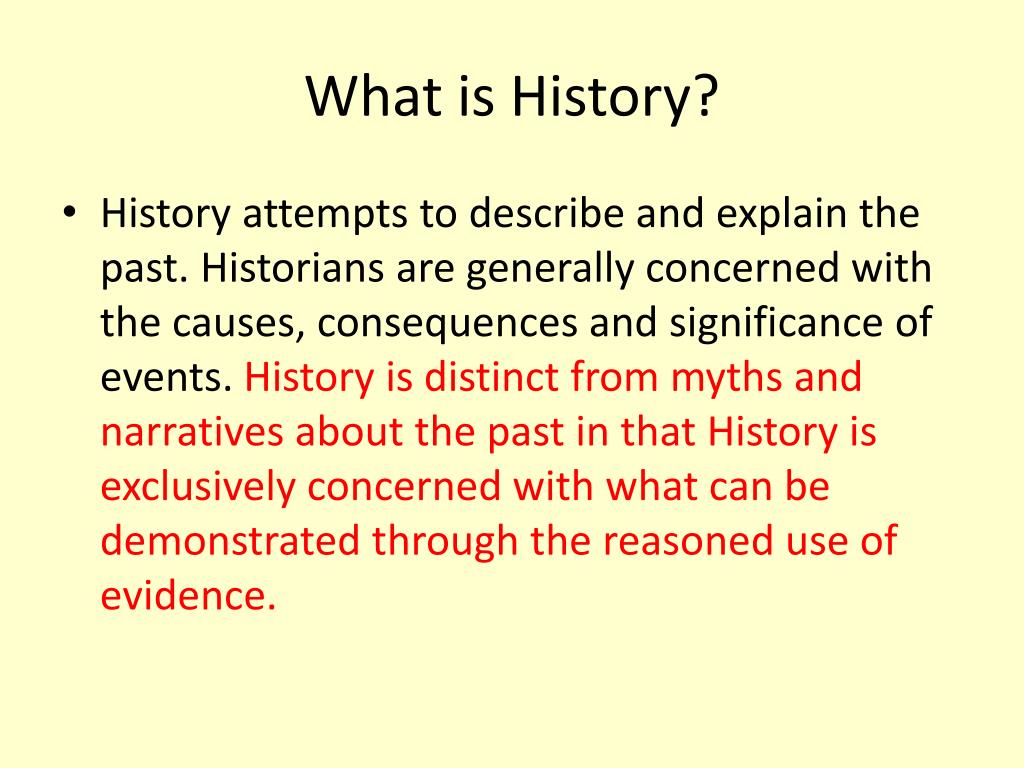
Historical revisionism—selectively reinterpreting or omitting past events to fit a current narrative—is a dangerous path for any brand. It undermines authenticity and can lead to accusations of disingenuousness. Instead, brands should embrace their full history, learning from past mistakes and celebrating genuine progress. This responsible approach to history ensures that a brand’s narrative remains consistent, trustworthy, and resonant across different audiences and over time. It secures a brand’s legacy not just as a successful entity, but as one that operated with integrity, respecting its own journey and the intelligence of its audience.
aViewFromTheCave is a participant in the Amazon Services LLC Associates Program, an affiliate advertising program designed to provide a means for sites to earn advertising fees by advertising and linking to Amazon.com. Amazon, the Amazon logo, AmazonSupply, and the AmazonSupply logo are trademarks of Amazon.com, Inc. or its affiliates. As an Amazon Associate we earn affiliate commissions from qualifying purchases.