
Pagers, often seen as relics of a bygone era, served a pivotal role in communication before the ubiquity of mobile phones. At their core, pagers are small, wireless telecommunication devices designed for one-way messaging, primarily used to alert an individual and display a brief message. Their functionality, while seemingly simplistic by today’s standards, was revolutionary in enabling immediate contact with people on the go, especially for critical professions requiring constant availability. Understanding what pagers do involves delving into their communication model, the underlying technology, and the specific niches where their unique attributes continue to offer unparalleled advantages.
The Core Functionality of a Pager
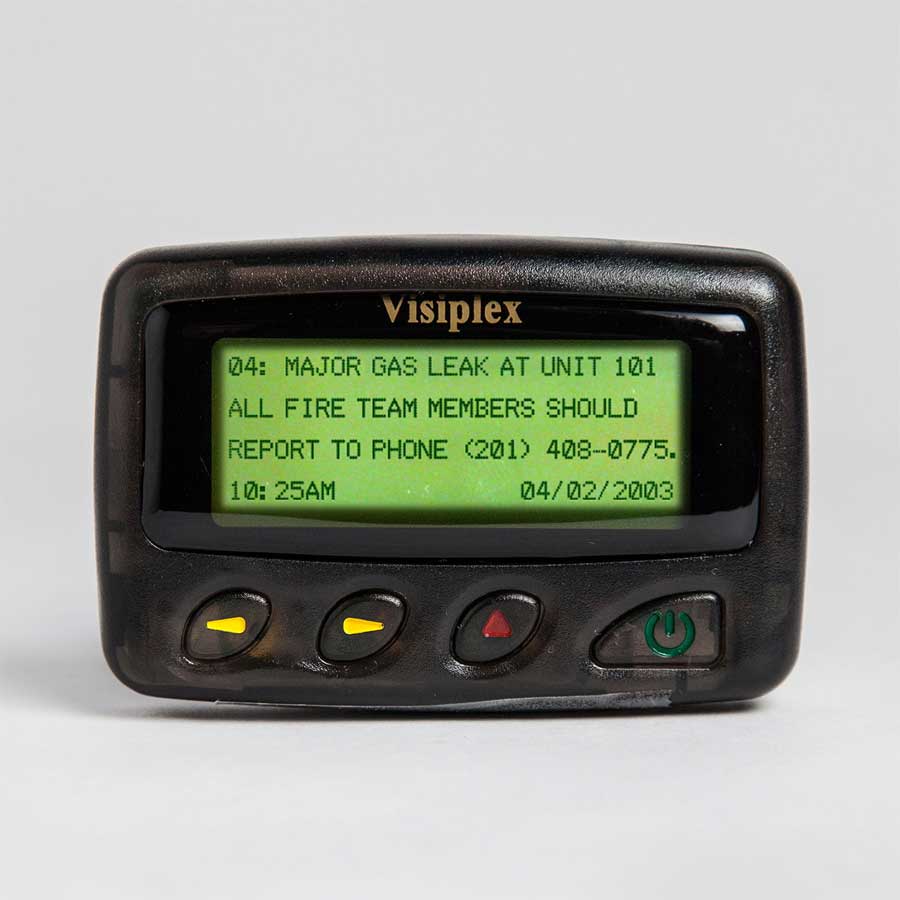
The primary function of a pager is to notify the user of an incoming message and then display that message. Unlike two-way communication devices, pagers operate on a broadcast principle: a message is sent from a central paging terminal and transmitted over radio waves to a specific pager. The pager, tuned to the correct frequency and possessing a unique identification code, receives and displays the information. This unidirectional flow of information is key to their design and purpose.
Simple Messaging and Alerting
Initially, pagers were incredibly basic, serving as simple alert devices. When paged, they would emit a tone, vibrate, or flash a light to indicate that someone was trying to reach the user. The user would then need to find a landline phone to call a pre-arranged number, typically the sender, to get the full message. This “tone and voice” system was a predecessor to more sophisticated models, yet it laid the foundation for instant, mobile notification.
The Unidirectional Communication Model
The defining characteristic of a pager is its one-way communication. A sender initiates a page, and the pager receives it. There’s no built-in mechanism for the pager user to reply directly from the device. This contrasts sharply with modern smartphones, which facilitate immediate, real-time, two-way conversations. While limiting in some contexts, this unidirectional nature contributes to the pager’s simplicity, robustness, and often superior battery life, as it doesn’t need to transmit information back to the network. The focus is entirely on receiving and displaying data efficiently.
From Tone & Voice to Numeric and Alphanumeric Displays
As technology advanced, pagers evolved significantly in their display capabilities.
- Tone & Voice Pagers: These were the earliest forms, emitting an alert and sometimes playing a short pre-recorded voice message. Their primary role was to signal urgency.
- Numeric Pagers: These became popular, allowing senders to transmit a sequence of numbers (e.g., a phone number to call back, or a code representing a specific message). The pager would display these digits on a small LCD screen. This added a layer of information beyond just an alert, reducing the need for immediate phone calls.
- Alphanumeric Pagers: The most advanced pagers could display full text messages, including letters, numbers, and symbols. This was a significant leap, allowing for more detailed instructions or snippets of information to be sent directly to the device. Senders would typically type messages into a paging terminal or use a phone service to dictate the message, which was then converted to text. Some advanced alphanumeric pagers even supported pre-programmed messages and rudimentary message storage.
A Glimpse into Pager Technology and Infrastructure
The technology behind pagers, though less complex than modern cellular networks, is robust and designed for broad coverage and reliability. Paging systems rely on a dedicated infrastructure that differs from the cellular towers used by mobile phones, giving them distinct operational advantages in certain scenarios.
Radio Frequencies and Transmission
Pagers communicate over specific radio frequencies, typically in the VHF or UHF bands. These frequencies are often reserved for paging services, ensuring clear channels for communication. Messages are transmitted from high-power transmitters, often located on tall towers or buildings, allowing for very wide-area coverage. The broadcast nature means that a single transmission can reach all pagers within a geographical area, provided they are powered on and within range. The protocols used, such as POCSAG (Post Office Code Standardisation Advisory Group) and FLEX, are highly efficient for one-way data transmission, minimizing power consumption and maximizing message delivery success.
Paging Networks and Coverage
Paging networks are designed with redundancy and power in mind. Unlike cellular networks, which are optimized for two-way voice and data, paging networks prioritize reliable, one-way message delivery across vast areas, often including challenging environments like basements, inside large buildings, or even remote areas where cellular signals might be weak or non-existent. The lower frequency bands used by pagers penetrate obstacles more effectively than the higher frequencies typical of modern cellular networks. This makes them particularly effective for mission-critical applications where uninterrupted communication is paramount. The infrastructure usually involves a central control center that dispatches pages through multiple high-power transmitters, ensuring extensive and dependable coverage.
Powering the Pager: Battery Life and Durability

Pagers are renowned for their exceptional battery life, often lasting weeks or even months on a single AA or AAA battery. This is largely due to their one-way communication model: they primarily listen for signals and only activate their display and alerting functions when a page specifically addressed to them is received. They don’t need to constantly transmit their location or maintain a continuous two-way connection like smartphones. Furthermore, pagers are generally built to be durable and resistant to the rigors of daily use, often featuring rugged designs that can withstand drops, splashes, and other environmental challenges common in demanding professional settings. This combination of long battery life and robust construction significantly contributes to their reliability.
Why Pagers Persisted: Niche Applications and Reliability
Despite the advent of smartphones, pagers have never entirely disappeared. Their unique attributes—reliability, simplicity, and specific technical advantages—have ensured their continued use in various niche applications where these qualities are paramount.
Healthcare and Emergency Services
One of the most significant sectors where pagers remain prevalent is healthcare. Doctors, nurses, and other medical personnel often rely on pagers for critical alerts and urgent messages.
- Reliability in Critical Environments: Hospitals are notorious for poor cellular reception due to thick walls, structural shielding, and medical equipment interference. Paging networks, with their powerful, lower-frequency signals, penetrate these environments much more effectively, ensuring messages reach staff members reliably.
- Security and Privacy: Paging networks are typically closed and highly secure, reducing the risk of eavesdropping or data breaches compared to open cellular or Wi-Fi networks. This is crucial for protecting sensitive patient information (PHI) and maintaining compliance with regulations like HIPAA.
- Mass Notification: In emergency situations within a hospital, pagers can quickly and simultaneously alert multiple individuals or teams, ensuring a coordinated response.
Similarly, emergency services such as fire departments, paramedics, and disaster response teams utilize pagers for their dependability, especially when cellular networks might be overloaded or compromised during large-scale incidents.
Industries with Critical Communications
Beyond healthcare, other industries where constant, reliable communication is essential still depend on pagers:
- First Responders: Police officers and other law enforcement personnel may use pagers as a reliable backup or primary alert system for urgent dispatches, especially in areas with spotty cellular coverage.
- IT and On-Call Personnel: System administrators and IT support teams rely on pagers for out-of-hours alerts about critical system failures, as they provide a dedicated, always-on channel that bypasses potentially overloaded or offline corporate networks.
- Manufacturing and Industrial Settings: In large factories or industrial complexes, where electromagnetic interference can disrupt other wireless communications, pagers offer a stable method for staff to receive important operational alerts.
The Advantage of Simplicity and Security
The simplicity of a pager is a feature, not a bug, in many contexts. With no apps, no internet browsing, and limited interactive features, pagers offer fewer distractions and a single, clear purpose: to deliver critical messages. This focus enhances productivity and reduces the chances of missed alerts due to competing notifications or battery drain from unnecessary functions. Furthermore, the inherent security of a dedicated, often encrypted, paging network provides a level of assurance that can be difficult to replicate with consumer-grade mobile devices in high-stakes environments. They are also less prone to cyber threats like hacking or malware, as their functionality is extremely limited.
The Evolution and Modern Relevance
While their golden age may be behind them, pagers have left an indelible mark on the landscape of mobile communication. Their evolution reflects a continuous quest for effective, mobile messaging, even as new technologies have emerged to challenge their dominance.
The Rise of Smartphones and SMS
The advent of cellular phones, particularly those with SMS (Short Message Service) capabilities, marked the beginning of the pager’s decline in mainstream consumer markets. SMS offered two-way communication, making it more versatile for personal use. Later, smartphones, with their vast array of applications, internet access, and rich multimedia messaging, pushed pagers further into specialized niches. The convenience of a single device for all communication needs largely superseded the dedicated function of a pager for the general public.
Pagers in a 5G World: Where They Stand
In an era dominated by 5G and advanced mobile data, pagers might seem anachronistic. However, their continued existence highlights the fact that technological advancement doesn’t always render older technologies obsolete, especially when those older technologies excel in specific, critical functions. While 5G promises high speed and low latency, it still operates on principles that can be vulnerable in scenarios where pagers thrive: power outages, network congestion, physical obstructions, and security vulnerabilities. Paging networks often operate independently of the public internet and cellular infrastructure, making them more resilient during widespread emergencies when other communication systems might fail.

The Legacy of Paging Technology
Even if pagers eventually fade into complete obsolescence, their legacy is profound. They pioneered the concept of mobile messaging, laying the groundwork for SMS, instant messaging, and push notifications. The design principles of efficient one-way communication, network reliability, and battery optimization are still highly relevant in modern device design. Pagers taught the world the value of instant, on-the-go communication, demonstrating how technology could connect individuals regardless of their physical location. Their story is a testament to the fact that purpose-built technology, when executed effectively, can sustain itself for decades by fulfilling a precise and critical need.
aViewFromTheCave is a participant in the Amazon Services LLC Associates Program, an affiliate advertising program designed to provide a means for sites to earn advertising fees by advertising and linking to Amazon.com. Amazon, the Amazon logo, AmazonSupply, and the AmazonSupply logo are trademarks of Amazon.com, Inc. or its affiliates. As an Amazon Associate we earn affiliate commissions from qualifying purchases.