
In the intricate world of brand development, every element, from a logo’s hue to a tagline’s cadence, serves a purpose in conveying a message. Beyond mere aesthetics, the most potent brands leverage deep-seated symbolism to resonate with their audience, evoke specific emotions, and forge memorable connections. Understanding what various symbols represent is not just an academic exercise; it’s a foundational pillar of effective brand strategy. While a flower like the hyacinth might seem like a simple botanical detail, its rich tapestry of historical, mythological, and cultural meanings offers a fascinating case study in how symbolic representation can be strategically woven into a brand’s narrative.
The Imperative of Symbolic Resonance in Brand Identity
Effective branding transcends superficial recognition; it aims for deep, emotional resonance. Symbols, whether overt or subtle, act as powerful conduits for meaning, allowing brands to communicate complex ideas and values without explicit verbalization. This non-verbal communication is often more impactful, as symbols tap into universal human experiences and collective subconscious associations.
Beyond Aesthetics: Deeper Meanings in Visual Branding
For a brand, choosing a visual motif is never solely about its beauty. A design choice, be it an icon, a color palette, or even a specific typeface, inherently carries symbolic weight. Consider the use of a lion for strength or an olive branch for peace. These aren’t just pretty pictures; they are condensed packets of meaning. In the same vein, the inclusion of any natural element, such as a flower, in a brand’s visual identity or marketing materials, imbues that brand with the flower’s associated meanings. A brand that uses a rose, for instance, might unconsciously signal romance or luxury, while one using a sunflower might convey optimism or sustainability. The deeper meaning often dictates consumer perception more powerfully than surface-level attractiveness.
Avoiding Missteps: Cultural Nuances of Symbols
Crucially, the interpretation of symbols is not universal. What one culture perceives as positive, another might view negatively. A prime example is the color white, which signifies purity and new beginnings in many Western cultures but is associated with death and mourning in parts of Asia. For global brands, a thorough understanding of cross-cultural symbolism is paramount to avoid embarrassing or detrimental miscommunications. By researching the full spectrum of meanings associated with a chosen symbol, brands can ensure their messaging is appropriate, respectful, and effective across diverse markets, solidifying their corporate identity rather than undermining it. Misinterpretation can lead to alienation, loss of trust, and significant reputational damage, underscoring the strategic importance of symbolic due diligence.
Decoding the Hyacinth: A Case Study in Brand Messaging
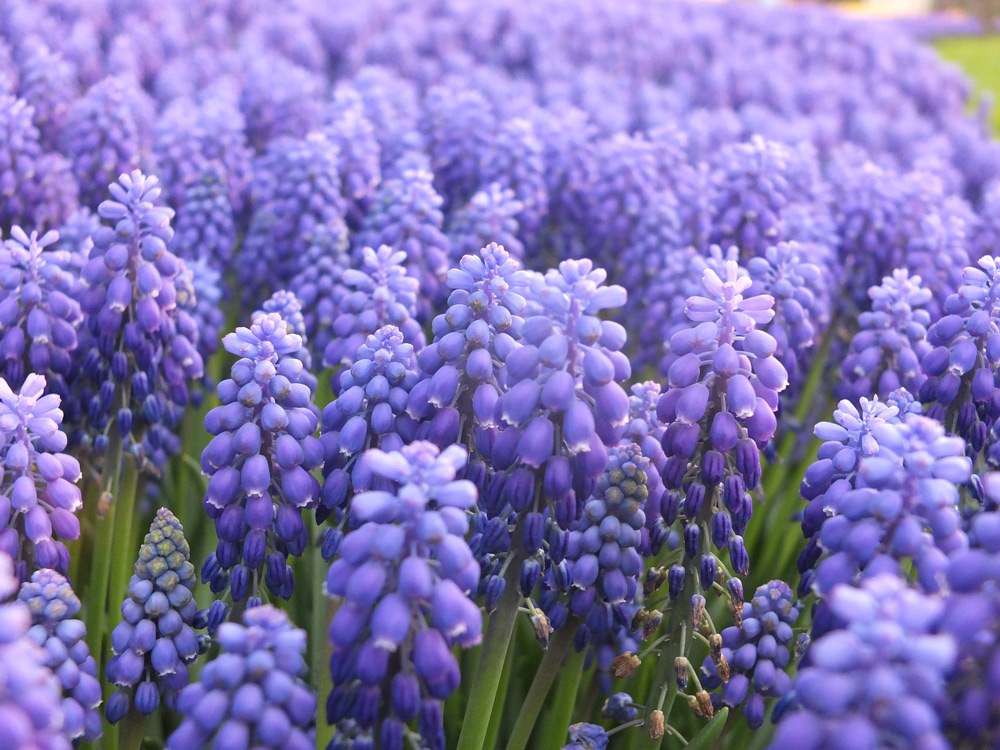
The hyacinth, with its vibrant clusters and intoxicating fragrance, offers a particularly rich and often contradictory set of meanings. Its symbolism, rooted in ancient mythology and evolving through centuries of cultural interpretation, presents a compelling challenge and opportunity for brands seeking nuanced expression.
The Classical Roots: Mythology and Sorrow
At the heart of the hyacinth’s symbolic journey lies Greek mythology. The flower is said to have sprung from the blood of Hyacinthus, a beautiful Spartan prince loved by both the god Apollo and the west wind god Zephyrus. During a discus game between Hyacinthus and Apollo, Zephyrus, consumed by jealousy, blew Apollo’s discus off course, striking and killing Hyacinthus. From his spilled blood, the hyacinth flower emerged, with the petals supposedly inscribed with the Greek cry of lament, “AI AI” (alas). This tragic origin story firmly establishes the hyacinth as a symbol of sorrow, grief, remembrance, and regret, often associated with farewells or apologies. For a brand, this primary association might be leveraged in a niche context, perhaps for a memorial service provider or a luxury brand that understands the bittersweet nature of life’s transitions.
Contemporary Interpretations: Joy, Playfulness, and Spring
Despite its melancholic origins, the hyacinth has acquired more cheerful associations over time, particularly in Western cultures. Its emergence in early spring, after the dormancy of winter, has made it a powerful symbol of rebirth, renewal, and the joyful anticipation of warmer days. Its vibrant colors—from deep purples and blues to bright pinks and whites—contribute to this perception of exuberance and playfulness. In this context, hyacinths can represent spontaneity, new beginnings, creativity, and the blossoming of life. A brand aiming to convey freshness, innovation, or a vibrant energy might find this aspect of the hyacinth’s symbolism particularly appealing, perhaps for a spring collection fashion brand, a creative agency, or a company focused on personal growth and transformation.
The Dual Nature: Crafting Complex Brand Stories
The hyacinth’s simultaneous representation of sorrow and joy, remembrance and rebirth, presents a unique opportunity for brands seeking to tell more complex, emotionally resonant stories. This duality allows for a deeper narrative that acknowledges the full spectrum of human experience. A brand might leverage this to convey resilience in the face of adversity, the beauty of cycles (life and death, growth and decay), or the profound emotional journey involved in personal or collective transformation. For instance, a wellness brand could use the hyacinth to symbolize moving through grief towards healing, or a sustainable product brand might use it to represent the cycle of natural resources and renewal. This multifaceted symbolism enables brands to connect with audiences on a more profound, authentic level, fostering a sense of shared understanding and empathy.
Leveraging Floral Symbolism in Marketing & Design
Integrating symbolic elements like the hyacinth effectively into a brand’s marketing and design requires a strategic approach that goes beyond simply placing an image. It involves understanding how these symbols interact with other brand elements and resonate across various touchpoints.
Strategic Color Psychology and Hyacinth Hues
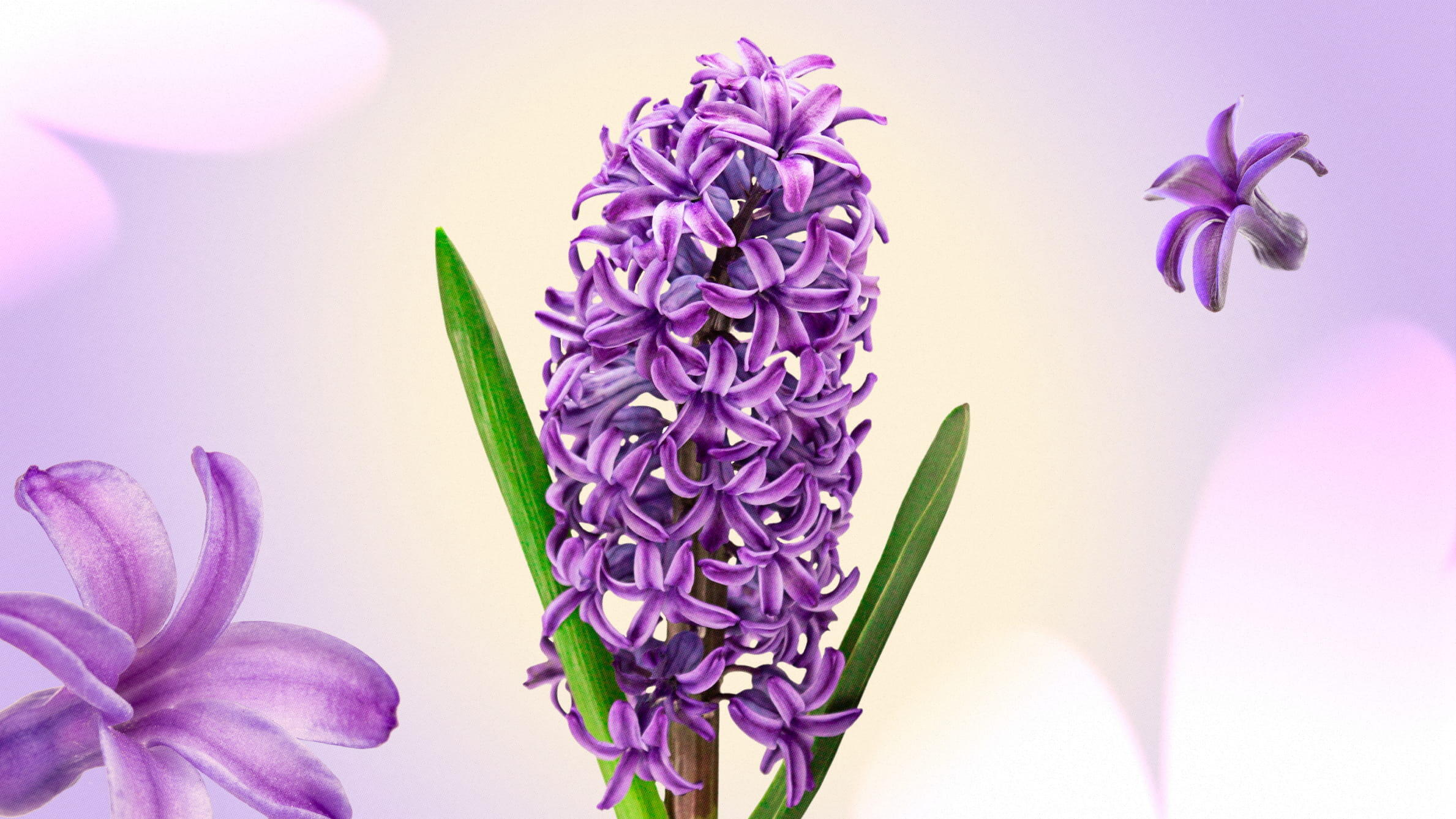
The hyacinth blooms in a remarkable array of colors, each carrying its own symbolic weight. Blue hyacinths often signify sincerity and constancy, making them suitable for brands emphasizing trust or long-term commitment. Purple hyacinths can denote royalty, spirituality, or creativity, appealing to luxury brands, artistic ventures, or those in the wellness sector. White hyacinths typically represent purity, innocence, and prayer, fitting for bridal wear, spiritual organizations, or products focused on cleanliness. Pink or red hyacinths, while less common, can suggest playfulness, passion, or recreation. By carefully selecting not just the flower, but its specific hue, brands can fine-tune their message, using color psychology to reinforce the core symbolic meaning they wish to convey, thus enhancing their corporate identity and marketing impact.
Packaging and Product Design Implications
Beyond logos, symbolic elements can be profoundly impactful in packaging and product design. For a brand selling luxurious bath products, incorporating the subtle scent or a stylized image of a hyacinth on packaging could evoke feelings of relaxation, renewal, and delicate beauty, drawing on its positive associations with spring and freshness. A brand designing stationery might use a hyacinth motif to convey thoughtful communication or a gentle farewell message. In product design, the form and texture can also subtly mimic natural elements. The cluster shape of the hyacinth, for example, might inspire the design of a decorative item or even a pattern for textiles, imbuing the product with its symbolic characteristics without being overtly literal.
Digital Presence: Website and Social Media Storytelling
In the digital realm, symbolism extends to website design, social media content, and digital marketing campaigns. A brand’s website might use hyacinth imagery in its visual layout, particularly on landing pages designed to evoke specific emotions—serenity, energy, or elegance. Social media offers a dynamic platform for storytelling; brands can create content that explores the hyacinth’s dual symbolism, perhaps through engaging posts about resilience or new beginnings. Using the flower in animations, video content, or interactive elements can further immerse the audience in the brand’s narrative, fostering an emotional connection that transcends simple product promotion. This strategic integration ensures consistency in personal branding and corporate identity across all digital touchpoints.
Building Authenticity: How Symbolism Reinforces Brand Values
Ultimately, the thoughtful selection and deployment of symbolism serve to build authenticity and deepen a brand’s connection with its audience. When symbols align with a brand’s core values and mission, they create a powerful, cohesive identity that resonates on a deeper level.
Personal Branding: Expressing Uniqueness Through Shared Meanings
For individuals building a personal brand, understanding the symbolism of elements like the hyacinth can be incredibly empowering. If one’s personal brand aims to convey resilience, a journey from adversity to triumph, or a creative spirit continually embracing new ideas, the hyacinth’s dual symbolism offers a rich palette. Adopting a subtle hyacinth motif in personal branding—perhaps in a personal logo, website aesthetic, or even in choice of decor—can communicate these complex personal values without needing extensive explanation. It allows the personal brand to tap into shared cultural meanings, making the individual’s unique story more relatable and memorable.
Corporate Identity: Aligning Symbolism with Mission
For corporate entities, aligning chosen symbolism with the company’s mission and values is non-negotiable. A brand focused on environmental sustainability might use the hyacinth’s rebirth symbolism to represent ecological regeneration and hope. A luxury brand specializing in bespoke gifts might use its association with sincerity and beauty to underscore the thoughtfulness and quality of its offerings. When the symbolism is genuinely integrated, it becomes an extension of the brand’s essence, reinforcing its ethical stance, its commitment to quality, or its unique market position. This deep alignment helps to cultivate a strong, clear corporate identity that stands out in a crowded marketplace.

The Long-Term Impact of Thoughtful Symbol Selection
The careful selection and consistent application of symbolism, exemplified by understanding what a hyacinth represents, builds a legacy for a brand. It fosters brand loyalty not just through product satisfaction, but through emotional connection and shared values. A brand that successfully imbues its identity with meaningful symbolism creates a narrative that transcends fleeting trends, allowing it to adapt and grow while retaining its core essence. This long-term impact on brand perception and customer engagement underscores that in the world of branding, every detail, every choice of symbol, is an investment in the brand’s enduring story.
aViewFromTheCave is a participant in the Amazon Services LLC Associates Program, an affiliate advertising program designed to provide a means for sites to earn advertising fees by advertising and linking to Amazon.com. Amazon, the Amazon logo, AmazonSupply, and the AmazonSupply logo are trademarks of Amazon.com, Inc. or its affiliates. As an Amazon Associate we earn affiliate commissions from qualifying purchases.