
Expanding a business to international markets offers tantalizing prospects for revenue growth, but the journey is often fraught with complex financial and logistical hurdles, especially when dealing with specialized products like disinfectant sprays. The seemingly straightforward question of “what disinfectant spray can be shipped overseas” quickly unravels into a sophisticated analysis of international trade regulations, hazardous materials classifications, varying customs duties, and the myriad costs associated with global supply chain management. For businesses looking to tap into overseas demand for these essential hygiene products, a deep understanding of these financial intricacies is paramount to ensuring profitability and avoiding costly missteps.

The Financial Labyrinth of Shipping Disinfectants Overseas
Shipping disinfectant sprays internationally is not as simple as packaging a product and sending it via the nearest carrier. The primary financial challenge stems from the fact that many disinfectant sprays contain flammable or corrosive chemicals, classifying them as “hazardous materials” (HAZMAT) or “dangerous goods.” This classification triggers an entirely different set of regulations, packaging requirements, documentation, and, crucially, significantly higher shipping costs compared to general cargo. Businesses must factor in these additional expenses from the outset to build a viable financial model for international expansion.
The initial investment involves understanding and complying with various international standards, such as those set by the International Air Transport Association (IATA) for air cargo and the International Maritime Dangerous Goods (IMDG) Code for sea freight. Compliance isn’t just a matter of safety; it’s a financial imperative. Non-compliance can lead to hefty fines, shipment delays, product seizure, and damage to a company’s reputation—all directly impacting the bottom line. Therefore, a comprehensive financial assessment must include:
- Initial Research and Compliance Costs: Investing in expert consultation, training for staff on HAZMAT regulations, and obtaining necessary certifications.
- Specialized Packaging and Labeling: Costs for UN-approved containers, specialized inner and outer packaging, absorbent materials, and specific hazard labels.
- Documentation Expenses: Preparation of Safety Data Sheets (SDS), shipper’s declarations for dangerous goods, and other country-specific permits.
- Higher Freight Charges: Dangerous goods tariffs are invariably higher than standard cargo rates due to the specialized handling, storage, and transport required.
Understanding these foundational costs is the first step in constructing a realistic financial projection for global distribution, moving beyond a simple per-unit production cost to a fully loaded international landed cost.
Hazardous Materials Classification and Its Financial Impact
The specific chemical composition of a disinfectant spray dictates its HAZMAT classification, which in turn dictates the shipping regulations and, critically, the associated costs. Disinfectants commonly contain active ingredients such as alcohol (ethanol, isopropanol), quaternary ammonium compounds, hydrogen peroxide, or chlorine compounds. Many of these, particularly alcohol-based solutions, are flammable liquids.
Understanding HAZMAT Categories and Their Cost Implications
HAZMAT classifications are based on a tiered system, with some categories posing greater risks and therefore incurring higher financial burdens for shipping. For example, a highly flammable liquid will have stricter packaging, handling, and segregation requirements than a less volatile substance, directly translating to increased costs for:
- Packaging: UN-rated packaging, which undergoes rigorous testing, is significantly more expensive than standard packaging. This includes specialized drums, jerricans, boxes, and intermediate bulk containers (IBCs).
- Overpacking: Combining multiple packages into a single unit (e.g., on a pallet) often requires specific overpacking rules to ensure stability and integrity, adding to material and labor costs.
- Carrier Surcharges: Airlines and shipping lines levy substantial surcharges for HAZMAT cargo due to the increased liability, specialized equipment, and trained personnel required for handling. These surcharges can vary widely depending on the specific class of dangerous goods and the carrier’s internal policies.
- Storage and Segregation: During transit, dangerous goods must be stored and segregated according to specific rules to prevent hazardous reactions. This often means less efficient use of cargo space and additional handling fees at ports or airports.
Businesses must work closely with their chemical suppliers to obtain accurate Safety Data Sheets (SDS) for their disinfectant products. These SDS documents are vital for determining the correct UN number, hazard class, packing group, and any special provisions that apply, all of which are critical inputs for accurate freight cost estimation. Misclassification can lead to rejection of shipments, fines, or even more severe consequences, resulting in significant financial losses and operational disruptions.
Navigating International Customs, Duties, and Taxes

Beyond the HAZMAT complexities, shipping disinfectant sprays overseas introduces a labyrinth of international customs regulations, import duties, and value-added taxes (VAT) or Goods and Services Taxes (GST) that vary dramatically from one destination country to another. These are direct costs that significantly impact the final landed cost of the product and, consequently, its market competitiveness and profitability in the target country.
Duty and Tax Considerations for Financial Planning
- Harmonized System (HS) Codes: Every product traded internationally is assigned an HS code, a standardized numerical classification. Businesses must accurately identify the HS code for their disinfectant sprays, as this code directly determines the applicable import duty rates. An incorrect HS code can lead to delays, penalties, or incorrect duty payments.
- Import Duties: These are taxes levied by a country on imported goods. Duty rates for disinfectants can vary significantly based on the country of origin, destination country, and any existing trade agreements. For example, a product shipped from a country with a free trade agreement might face zero or reduced duties, while others might incur substantial tariffs. Thorough market research into specific duty rates is crucial for financial forecasting.
- Value-Added Tax (VAT) / Goods and Services Tax (GST): Most countries impose a consumption tax on imported goods, which must be paid at the border. While VAT/GST can often be recovered or offset by businesses in the destination country, it represents a significant cash flow outflow that needs to be managed. For direct-to-consumer (D2C) models, this tax is often passed on to the customer or absorbed by the seller.
- Other Import Fees: Beyond duties and VAT, countries may impose various other fees, such as customs processing fees, port fees, inspection charges, and agency fees. These seemingly minor charges can accumulate and significantly inflate the total cost of import.
- Customs Brokerage Fees: Engaging a customs broker is often essential for navigating the complexities of international customs clearance. While an added expense, a good broker can prevent costly delays and ensure compliance, ultimately saving money in the long run. Their fees must be factored into the financial plan.
Effective management of these duties and taxes requires meticulous documentation, proactive engagement with customs authorities or brokers, and a clear understanding of Incoterms (International Commercial Terms), which define the responsibilities and liabilities of buyers and sellers for the delivery of goods. Choosing the right Incoterm can significantly impact a business’s financial exposure to these costs.
Risk Management and Insurance for Overseas Disinfectant Shipments
The inherent risks associated with shipping dangerous goods like disinfectant sprays across international borders necessitate robust risk management strategies and comprehensive insurance coverage. Financial losses due to damage, loss, or regulatory non-compliance can be substantial, underscoring the importance of protecting assets and mitigating potential liabilities.
Financial Protections and Mitigation Strategies
- Cargo Insurance: Standard carrier liability is often limited and may not cover the full value of the goods, especially for high-value or HAZMAT shipments. Comprehensive cargo insurance is a critical investment to protect against financial losses from theft, damage, or loss during transit. Insurers specializing in dangerous goods may offer specific policies that cover the unique risks associated with disinfectants, including potential environmental clean-up costs in case of a spill. The cost of this insurance must be factored into the per-unit shipping cost.
- Contingency Planning: Financial planning for international shipping must include contingencies for unforeseen events. This could involve allocating a reserve budget for unexpected delays, re-shipments, or fines. A well-defined contingency plan minimizes the financial shock of disruptions.
- Compliance Audits: Regular internal or external audits of shipping processes and documentation can identify potential compliance gaps before they lead to costly fines or seizures. Investing in such audits is a preventative financial measure.
- Supplier and Partner Vetting: Choosing reputable freight forwarders, customs brokers, and third-party logistics (3PL) providers with proven expertise in dangerous goods shipping is crucial. Their experience can prevent costly errors and streamline the shipping process, reducing financial risks. Their fees, while an expense, represent an investment in reliable service and risk reduction.
- Legal Counsel: For complex international trade scenarios, consulting legal experts specializing in international trade law can help navigate regulatory ambiguities and mitigate legal liabilities that could result in substantial financial penalties.
A proactive approach to risk management, backed by adequate insurance, safeguards a business’s financial health when venturing into the global market for disinfectant sprays.
Optimizing Your Supply Chain for Profitable Global Distribution
Successfully shipping disinfectant sprays overseas is not just about overcoming individual hurdles; it’s about integrating all these financial and logistical considerations into an optimized global supply chain that sustains profitability. Efficiency, transparency, and strategic planning are the cornerstones of cost-effective international distribution.
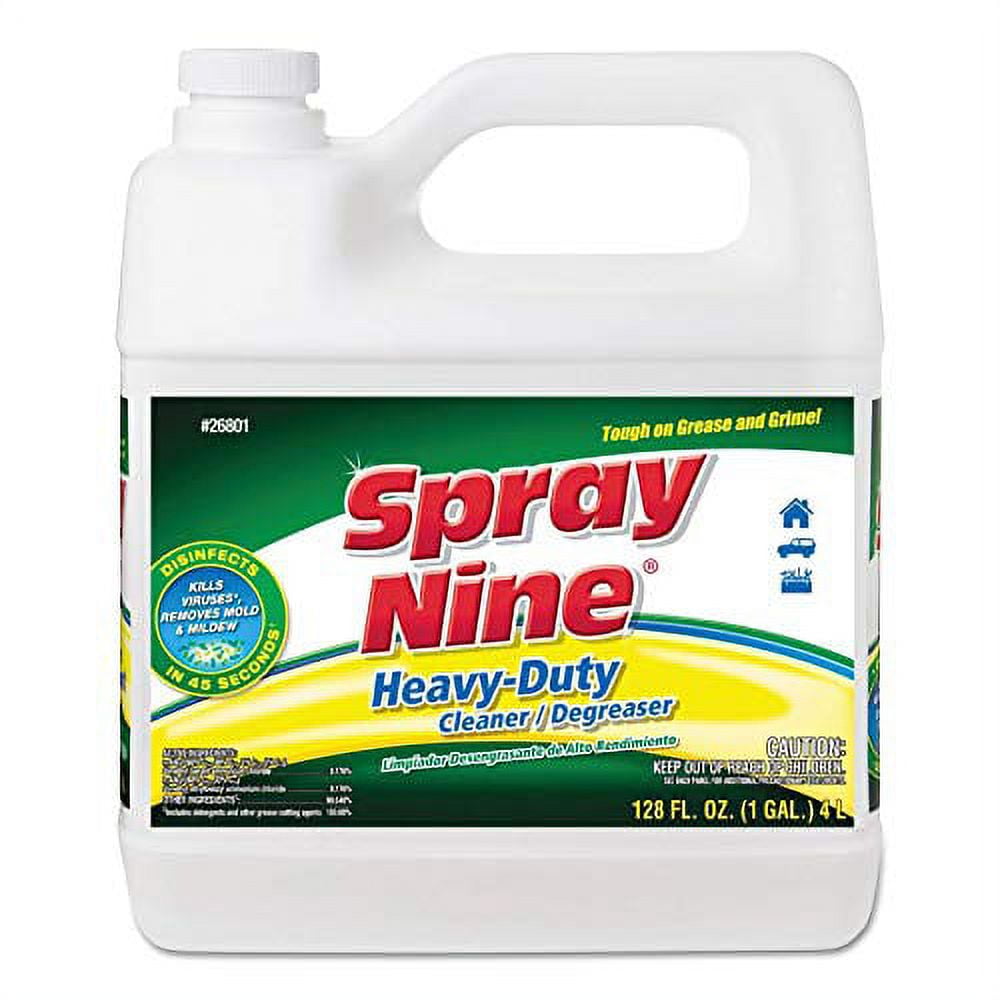
Strategies for Financial Optimization
- Consolidation and Volume Discounts: For businesses with sufficient order volumes, consolidating shipments can lead to significant cost savings. Negotiating volume discounts with carriers and freight forwarders for HAZMAT cargo can substantially reduce per-unit shipping costs.
- Strategic Sourcing and Manufacturing: Evaluating the total cost of ownership, including shipping costs, can influence decisions on where to manufacture or source disinfectant components. Manufacturing closer to target markets can reduce international freight costs, duties, and lead times.
- Technology Adoption: Implementing supply chain management (SCM) software and enterprise resource planning (ERP) systems can provide real-time visibility into shipping costs, inventory levels, and compliance requirements. Automating documentation and tracking can reduce administrative overhead and potential errors, saving money and time.
- Incoterms Selection: Carefully choosing the right Incoterms (e.g., Ex Works, FOB, CIF, DDP) for international sales is a strategic financial decision. Each Incoterm defines who pays for what, when the risk transfers, and who is responsible for customs clearance. Selecting terms that align with a company’s capabilities and risk appetite can optimize costs and improve predictability.
- Cash Flow Management: International trade often involves longer payment cycles and significant upfront costs (e.g., for manufacturing, shipping, duties). Robust cash flow management, potentially utilizing trade finance tools like letters of credit or export credit insurance, is essential to sustain operations and seize growth opportunities.
- Market Entry Strategy: Instead of attempting to ship directly to every potential customer, businesses might consider establishing distribution hubs in key regions. This can allow for bulk HAZMAT shipments to the hub, followed by domestic distribution, potentially reducing the overall financial burden and complexity of individual international shipments.
Ultimately, shipping disinfectant spray overseas is a viable and potentially lucrative endeavor, provided businesses approach it with a meticulous financial strategy. By thoroughly understanding and proactively managing HAZMAT regulations, customs duties, taxes, insurance, and supply chain logistics, companies can transform potential pitfalls into pathways for profitable global expansion, ensuring their essential products reach customers worldwide.
aViewFromTheCave is a participant in the Amazon Services LLC Associates Program, an affiliate advertising program designed to provide a means for sites to earn advertising fees by advertising and linking to Amazon.com. Amazon, the Amazon logo, AmazonSupply, and the AmazonSupply logo are trademarks of Amazon.com, Inc. or its affiliates. As an Amazon Associate we earn affiliate commissions from qualifying purchases.