
The American Civil War, a period of profound national upheaval, is often chronicled through its battles, generals, and political machinations. Yet, beneath the surface of military strategy and political declarations, a fundamental economic transformation was occurring, driven significantly by the actions and resilience of women. As men departed for the front lines, women across both the Union and Confederacy stepped into roles that were not only essential for daily survival but also critical for the maintenance and evolution of the wartime economy. Their contributions, often overlooked, provide a compelling study in financial adaptation, resource management, and entrepreneurial spirit during a time of unprecedented scarcity and demand.

Managing the Homefront Economy Amid Scarcity
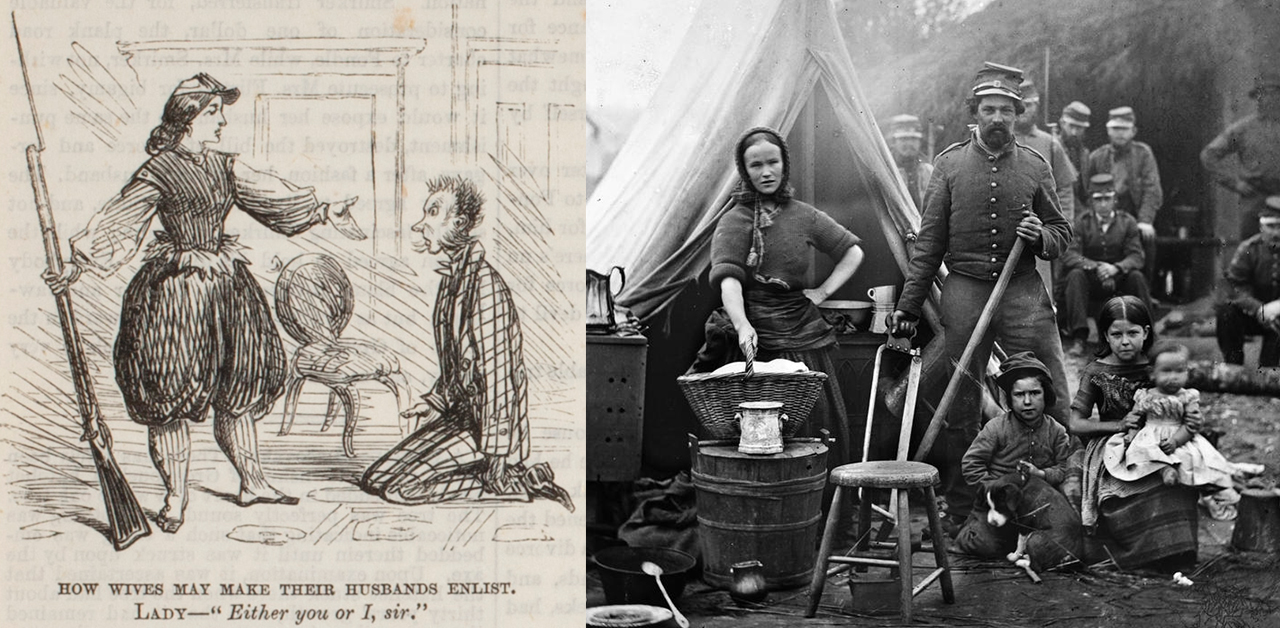
With an immense portion of the male workforce conscripted into military service, women became the primary architects of the homefront economy. Their responsibilities extended far beyond traditional domestic duties, encompassing the intricate financial and logistical management of households, farms, and even nascent businesses.
Household Budgeting in Scarcity
The war brought widespread inflation, commodity shortages, and fluctuating currency values, making prudent financial management a daily imperative. Women were tasked with stretching dwindling household budgets to cover essential expenses such as food, clothing, and shelter. This often involved meticulous record-keeping, bartering for goods, and making difficult decisions about what could be afforded and what had to be forgone. They navigated a chaotic financial landscape where the value of Confederate currency plummeted, and even Union greenbacks experienced periods of instability, forcing them to become astute financial managers to prevent destitution. The absence of traditional wage-earners meant that existing savings had to be carefully rationed, or new sources of income desperately sought.
Resource Allocation and Conservation
Beyond cash management, women became masters of resource allocation and conservation. On farms, they oversaw planting, harvesting, and livestock care, ensuring that agricultural output sustained their families and contributed to the larger war effort through taxes or sales. In urban settings, they repurposed materials, mended clothing tirelessly, and innovated with food preparation to maximize nutritional value from limited supplies. This practical resourcefulness had a direct economic impact, reducing the strain on commercial supply chains and allowing valuable industrial resources to be directed towards military production. Every yard of homespun cloth, every preserved jar of vegetables, and every piece of repaired equipment represented a saving and a contribution to the national economic endurance.
Maintaining Family Estates and Farms
For many women, particularly in the South, the absence of male heads of household meant assuming full responsibility for vast plantations and smaller family farms. This involved overseeing enslaved labor, managing crop cycles, handling sales of commodities like cotton or tobacco, and maintaining complex financial ledgers. They dealt with agents, buyers, and creditors, making crucial decisions that affected the economic viability of their operations. The financial risks were immense, exacerbated by blockades, raids, and the constant threat of confiscation or destruction. Their ability to keep these economic units productive, despite overwhelming obstacles, was a testament to their administrative acumen and resilience, preserving critical assets for the post-war period.
Supporting the War Effort through Labor and Enterprise
The exigencies of war demanded an expansion of the workforce, and women filled this void, moving into sectors traditionally dominated by men. Their labor was not merely supplementary but fundamental to sustaining both military operations and civilian life, generating income that fueled the wartime economy.
Industrial Contributions: Factories and Production
In both the North and South, women flocked to factories, replacing male workers in industries vital to the war effort. They worked in munitions factories, producing cartridges, cannonballs, and uniforms. Textile mills, particularly in the North, relied heavily on female labor to produce cloth for tents, uniforms, and blankets. In shoe factories and government arsenals, women performed intricate and often dangerous tasks. This shift represented a significant injection of female labor into the industrial economy, demonstrating their capacity for skilled and semi-skilled manufacturing. Their wages, though often lower than men’s, provided essential income for their families and contributed to the industrial output necessary for sustained warfare.
Healthcare and Supply Chain Management
The sheer scale of casualties created an unprecedented demand for healthcare workers. Thousands of women volunteered or were employed as nurses, often working in horrific conditions. While their contributions are frequently lauded for their humanitarian aspect, they also performed crucial economic functions. They managed hospital supplies, rationed medicines, cooked for patients, and often handled the financial accounts of military hospitals. Organized aid societies, largely run by women, raised vast sums of money through fairs, fundraisers, and donations to purchase medical supplies, food, and clothing for soldiers. These efforts effectively created an auxiliary supply chain, alleviating pressure on government budgets and military logistics.
Running Businesses and Trades
Many women took over family businesses or started new ventures to support themselves and their families. They managed general stores, taverns, boarding houses, and workshops. Seamstresses found a booming market for uniform repair and creation. Teachers continued to provide education, often for reduced pay, sustaining a vital social service. In the South, where the blockade limited imported goods, women became adept at manufacturing substitutes for necessities like coffee, tea, and fabrics, creating small-scale cottage industries that filled market gaps and generated local income. These entrepreneurial endeavors demonstrated flexibility and financial acumen in a challenging economic climate.
Innovative Income Generation and Financial Resilience

Beyond formal employment, women engaged in a myriad of innovative ways to generate income and maintain financial stability, reflecting a profound adaptability to severe economic disruption.
The Entrepreneurial Spirit: Small-Scale Ventures
From selling produce from their gardens to taking in laundry, women created numerous small-scale ventures to earn money. Widows and wives of soldiers often relied on these informal economies to survive. Some women, particularly those with existing skills, turned them into businesses—baking, catering, tailoring, or tutoring. These micro-enterprises, while small, collectively represented a significant portion of the homefront’s economic activity, providing essential goods and services and empowering women to maintain some degree of financial independence in a crisis.
From Sewing Circles to Fundraising Networks
Women’s benevolent societies and sewing circles, initially social groups, transformed into formidable fundraising and supply networks. They organized bazaars, solicited donations, and pooled resources to purchase bandages, food, and other necessities for soldiers. For example, the U.S. Sanitary Commission, largely supported by women, raised millions of dollars and distributed vast quantities of supplies. These organizations demonstrated a collective financial power, pooling individual contributions into substantial capital for the war effort, thereby alleviating direct government expenditure in these areas.
Financial Hardship and Adaptability
The Civil War inflicted immense financial hardship on families across the nation. Women were often at the forefront of dealing with this reality, from managing properties confiscated by opposing armies to coping with the loss of investments in bonds or enslaved persons. Many women whose husbands died in combat faced sudden widowhood with little financial support, pushing them to seek any available employment or charity. Their ability to adapt to these sudden financial shocks, often rebuilding from scratch, underscores their enduring economic resilience.
Contraband, Espionage, and the Underground Economy
The chaos of war also fostered an underground economy in which women played active and often critical roles, with significant economic implications.
Economic Implications of Smuggling and Espionage
Women were frequently involved in smuggling goods across enemy lines, motivated by profit, patriotism, or the sheer need for survival. From medicines and scarce commodities to intelligence, these networks had direct economic impacts, influencing prices, supply, and demand in blockaded regions. Female spies often facilitated the transfer of money, supplies, and vital information, their clandestine operations directly affecting military and economic strategies. The risks were high, but the potential financial rewards or the perceived patriotic duty often outweighed them, creating a shadow economy integral to wartime operations.
The Role of African American Women in Economic Liberation
For enslaved African American women, the war presented a pathway to economic liberation. Many fled plantations, becoming “contraband of war,” and often worked for the Union army as laundresses, cooks, and nurses, earning wages for the first time. This transition from forced labor to paid employment represented a profound economic shift, not only for individuals but also for the emerging free black communities. They managed their own meager earnings, pooling resources, and establishing independent households, laying the groundwork for post-emancipation economic self-sufficiency.
Post-War Financial Legacy and Empowerment
The economic roles women assumed during the Civil War had lasting implications for their financial standing and societal position in the post-war era.
Shaping Post-Conflict Economies
Upon the war’s conclusion, many women found that their wartime experiences had permanently altered their economic perspectives and capabilities. They had developed financial literacy, administrative skills, and an understanding of commerce that transcended pre-war gender norms. This newfound expertise enabled some to continue managing businesses, pursue professional careers, or exert greater influence over household finances, contributing to the economic reconstruction and diversification of the nation.
The Dawn of Financial Independence
While the immediate post-war period saw a return to some traditional gender roles, the war had irrevocably expanded the horizon of economic possibilities for women. The demand for female labor in industries, education, and healthcare persisted, albeit unevenly. The financial resilience and economic contributions of women during the Civil War planted seeds for future movements toward greater financial independence, suffrage, and equality in the workplace, demonstrating their profound and often underappreciated role in shaping the economic fabric of a nation in turmoil.
aViewFromTheCave is a participant in the Amazon Services LLC Associates Program, an affiliate advertising program designed to provide a means for sites to earn advertising fees by advertising and linking to Amazon.com. Amazon, the Amazon logo, AmazonSupply, and the AmazonSupply logo are trademarks of Amazon.com, Inc. or its affiliates. As an Amazon Associate we earn affiliate commissions from qualifying purchases.