
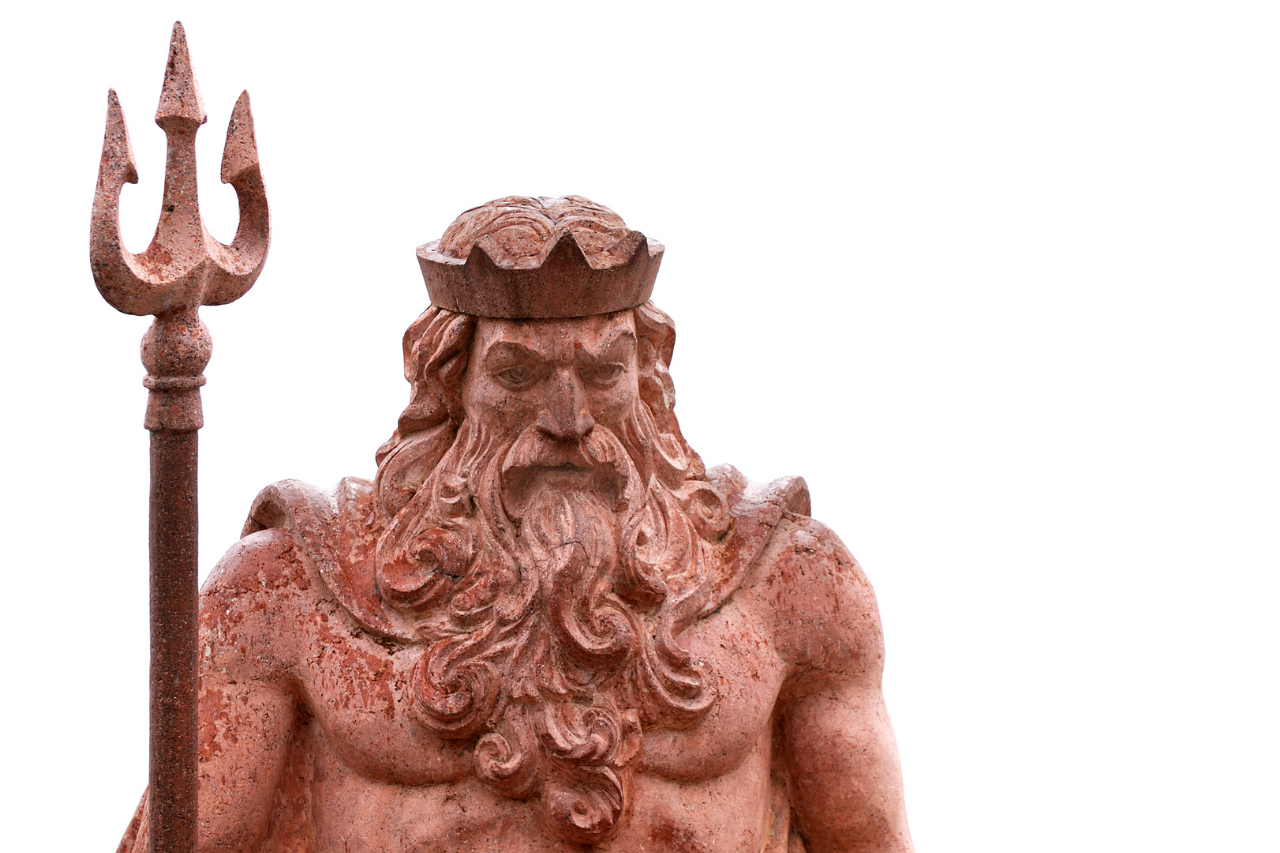
The epic journey of Odysseus, a central figure in Greek mythology, extends far beyond a tale of ancient adventure; it serves as a profound, albeit metaphorical, case study in brand resilience, strategic leadership under duress, and the management of external threats. Poseidon, the formidable god of the sea, stands as the primary antagonist whose relentless interventions shaped Odysseus’s odyssey and, by extension, profoundly impacted his personal brand and strategic objectives. Poseidon’s actions illustrate how unforeseen external disruptions can threaten even the most established identities, and how strategic endurance becomes paramount for brand survival and eventual reclamation of market position.
The Divine Disruption: Poseidon’s Impact on Odysseus’s Journey and Brand Identity
Poseidon’s vendetta against Odysseus was not a random act of divine caprice but a direct consequence of a critical reputational misstep: the blinding of his son, the Cyclops Polyphemus. This singular act, while strategically necessary for Odysseus’s immediate survival, triggered a cascade of divine wrath that systematically dismantled Odysseus’s return strategy and nearly shattered his identity as a successful leader and king.
The Hubris of Polyphemus: A Reputational Risk Ignored
Odysseus’s encounter with Polyphemus in the cave epitomizes a situation where short-term tactical success creates significant long-term reputational risk. By revealing his true name (“Odysseus, sacker of cities, Laertes’ son, whose home is on Ithaca”) after blinding the Cyclops, Odysseus committed an act of hubris. From a modern branding perspective, this was a critical error in risk assessment. While establishing dominance, it directly provoked a powerful stakeholder (Poseidon via his son). This act transformed a localized conflict into a cosmic brand defamation campaign, ensuring that Odysseus’s journey would be marred by sustained divine opposition. The revelation of his identity solidified Polyphemus’s ability to directly appeal to his father, effectively filing a grievance that placed Odysseus squarely on Poseidon’s divine blacklist. For contemporary brands, this underscores the importance of considering the full ecosystem of stakeholders—including powerful influencers, regulatory bodies, and even seemingly minor competitors—before making decisions that, while tactically sound in the moment, could alienate key players and lead to protracted and costly battles for reputation and market share.
The Long-Term Campaign of Vengeance: Sustained Brand Erosion
Poseidon’s response was not a singular retaliatory strike but a sustained, multi-faceted campaign designed to impede, punish, and ultimately prevent Odysseus’s return. This divine persecution manifested in turbulent seas, shipwrecks, and prolonged delays, stretching Odysseus’s ten-year journey to twenty. From a brand perspective, Poseidon engineered a continuous state of crisis, preventing Odysseus from re-establishing his brand presence in Ithaca. Each storm, each shipwreck, each loss of crew chipped away at Odysseus’s resources, his team’s morale, and his perceived efficacy as a leader capable of delivering on his “brand promise.” This prolonged erosion of his established brand – the swift and triumphant return of a war hero – created immense uncertainty and doubt among his remaining followers and, crucially, back home in Ithaca. The suitors, encroaching upon his household and vying for Penelope’s hand, were direct beneficiaries of this orchestrated brand absence, further threatening the very foundation of Odysseus’s kingdom and legacy. This scenario vividly illustrates how persistent external pressure can lead to significant market disruption, loss of market share (in Odysseus’s case, his kingdom), and dilution of brand equity if not expertly managed.
Odysseus’s Brand Strategy: Navigating Adversity and Rebuilding Reputation
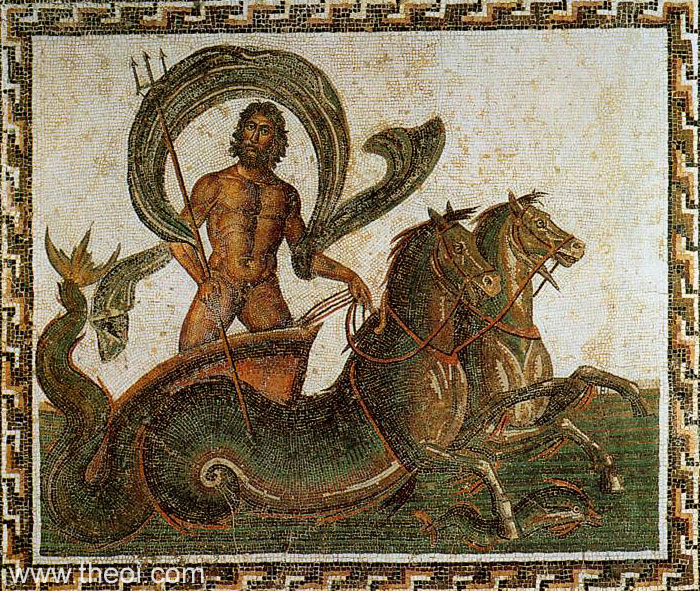
Despite Poseidon’s relentless opposition, Odysseus managed to survive and eventually return. His journey, fraught with peril, showcases an unconscious but highly effective brand strategy centered on adaptability, narrative control, and the unwavering commitment to a core purpose—principles that resonate deeply in modern brand management.
Adaptability as a Core Brand Value
One of Odysseus’s most striking attributes, crucial for his survival and eventual brand restoration, was his unparalleled adaptability. Facing storms, monsters, and enchantresses, he consistently adjusted his tactics. Whether adopting disguises, crafting ingenious escape plans, or strategically negotiating with divine and mortal figures, Odysseus demonstrated extreme flexibility. This constant adaptation prevented complete annihilation and allowed him to navigate Poseidon’s engineered crises. In branding terms, Odysseus didn’t stick rigidly to a failing original strategy but pivoted repeatedly, demonstrating a dynamic brand identity capable of evolving under pressure. Modern brands can glean insights from this, understanding that market conditions, technological shifts, or competitive threats often necessitate significant strategic pivots to maintain relevance and competitive advantage, rather than clinging to outdated models that no longer serve their purpose.
The Power of Narrative in Crisis Management
Throughout his journey, Odysseus was a master storyteller. His ability to craft compelling narratives, whether to deceive a Cyclops, charm a goddess, or rally his dwindling crew, was a powerful tool in managing perceptions and maintaining a semblance of control over his personal brand. Upon his eventual return to Ithaca, disguised as a beggar, Odysseus carefully constructed a new narrative for himself, slowly revealing his true identity to trusted allies before confronting the suitors. This deliberate control of his own story allowed him to manage expectations, test loyalties, and strategically prepare for his re-entry into his rightful position. This highlights the critical role of narrative in brand building and crisis management. A brand’s ability to define and communicate its own story, especially during challenging times, is essential to shaping public perception, reinforcing its values, and ultimately securing its future. Without a strong narrative, a brand risks being defined by its adversities rather than its triumphs, losing control of its message and market standing.
Loyalty and Team Cohesion: Internal Branding under Pressure
Despite immense losses, Odysseus maintained a core of loyal followers, particularly in his interactions with the Phaeacians, Eumaeus the swineherd, Philoetius the cowherd, and eventually his son Telemachus. While many of his original crew perished due to their own folly or divine wrath, Odysseus’s actions consistently sought to protect and guide those who remained. His return and the subsequent battle against the suitors were not solo endeavors but relied heavily on the unwavering loyalty of a carefully chosen inner circle. This demonstrates the critical importance of internal branding and fostering team cohesion, even under the most extreme pressures. A strong internal culture, built on trust and shared purpose, provides the foundational strength for a brand to weather external storms and execute complex strategies. The loyalty Odysseus inspired, even after decades of absence, speaks volumes about the enduring strength of his personal brand among those who truly understood and believed in his mission and vision for Ithaca.
Lessons in Strategic Resilience: What Modern Brands Can Learn
Odysseus’s epic struggle against Poseidon offers timeless lessons for modern brands grappling with market disruptions, reputational challenges, and the need for sustained growth in volatile environments. The core takeaway is that external threats, even divinely powerful ones, can be overcome with a robust framework of strategic resilience.
Identifying and Mitigating External Threats
Poseidon represented the ultimate external threat: unpredictable, powerful, and deeply personal. Modern brands face analogous challenges from market shifts, technological obsolescence, aggressive competitors, or unforeseen global events. The lesson from Odysseus is not just about reacting to threats but understanding their origins and potential ripple effects. Odysseus’s initial mistake was underestimating the interconnectedness of the divine world and the personal nature of Polyphemus’s appeal to his father. For brands, this translates to thorough environmental scanning, stakeholder analysis, and proactive risk management. Understanding potential vulnerabilities and having contingency plans in place can transform a potential disaster into a manageable challenge, preserving brand equity and ensuring continuity of operations and reputation.
The Importance of a Defined Brand Purpose
Through all his trials, Odysseus never wavered from his ultimate purpose: to return home to Ithaca and reclaim his kingdom and family. This clear, unwavering objective acted as his anchor, providing motivation and direction through years of seemingly insurmountable obstacles. For any brand, a clearly defined purpose and mission statement are non-negotiable. This purpose guides strategic decisions, inspires stakeholders (employees, customers, investors), and provides a rallying cry during periods of adversity. Without this fundamental brand compass, a brand risks drifting aimlessly, losing its identity and its reason for being, much like a ship lost at sea without a star to guide it. A strong purpose ensures that every action contributes to the brand’s long-term vision.

Sustaining the Journey: Endurance as a Brand Attribute
Perhaps the most profound lesson from Odysseus’s conflict with Poseidon is the sheer power of endurance. His ability to withstand repeated setbacks, maintain hope, and continue striving towards his goal for two decades is a testament to unwavering perseverance. In the competitive landscape, longevity and sustained effort are powerful brand attributes. Brands that demonstrate consistent quality, adaptability, and an enduring commitment to their values, even when faced with significant challenges, build deep trust and loyalty with their audience. This long-term perspective—the understanding that success is often a marathon, not a sprint—is crucial for building a brand that not only survives but thrives through cycles of disruption and change, ultimately achieving its strategic objectives despite the tempestuous seas of the market. Poseidon’s wrath tested Odysseus’s endurance to its absolute limits, but it was precisely this prolonged struggle that forged his legendary status, transforming him from a warrior into an iconic symbol of strategic resilience and an enduring brand.
aViewFromTheCave is a participant in the Amazon Services LLC Associates Program, an affiliate advertising program designed to provide a means for sites to earn advertising fees by advertising and linking to Amazon.com. Amazon, the Amazon logo, AmazonSupply, and the AmazonSupply logo are trademarks of Amazon.com, Inc. or its affiliates. As an Amazon Associate we earn affiliate commissions from qualifying purchases.