
The era of pet travel has undergone a radical digital transformation. Gone are the days when “flying with a dog” simply meant buying a sturdy crate and hoping for the best. In the modern aviation landscape, the intersection of pet ownership and technology has created a sophisticated ecosystem designed to ensure the safety, comfort, and logistical precision of transporting animals across the globe. For the tech-savvy traveler, flying with a canine companion is now an exercise in data management, hardware integration, and the utilization of specialized software.
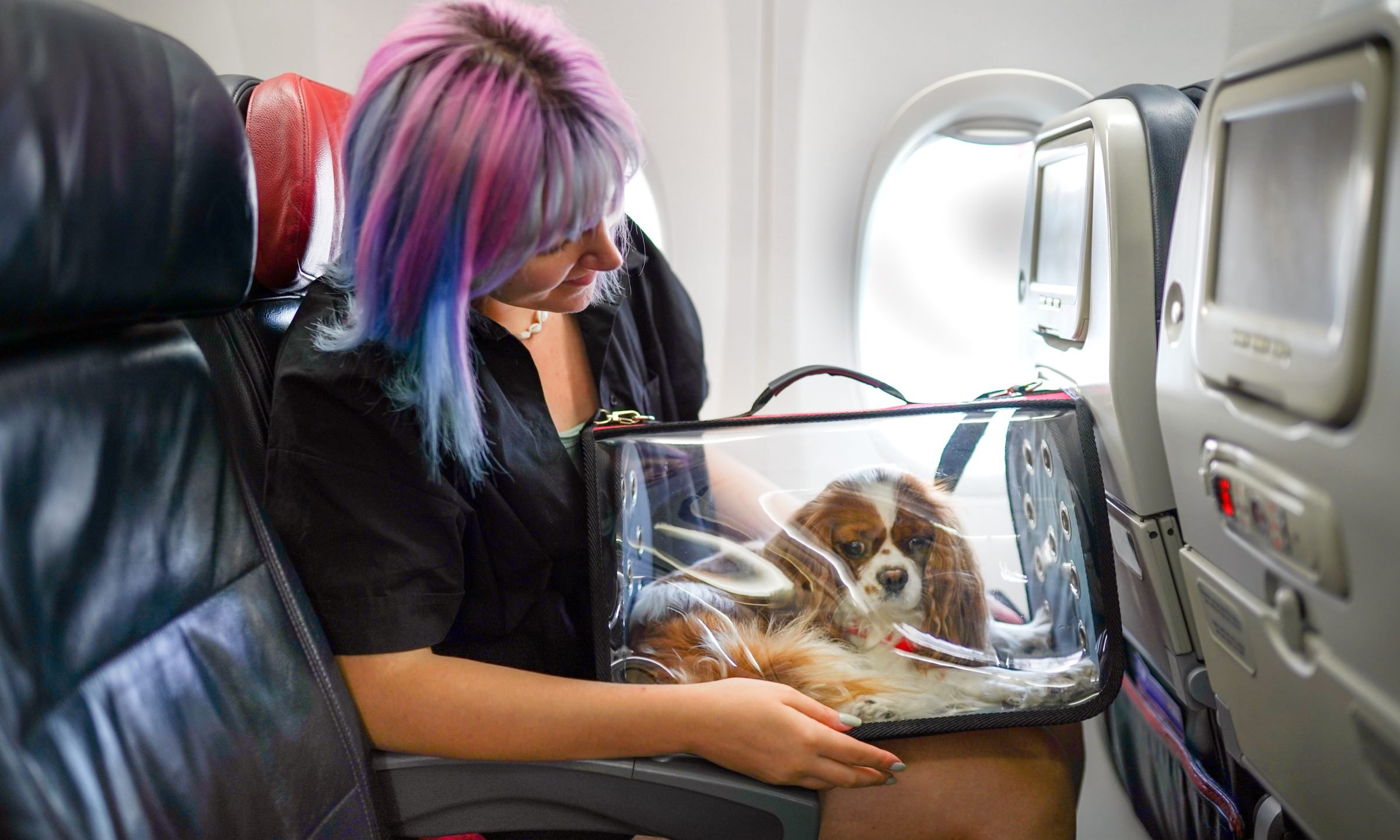
This guide explores the technological advancements—from IoT-enabled tracking to AI-driven logistics—that have redefined what it means to take your dog to the skies.
Smart Hardware: The Front Line of Pet Safety
When your dog is in transit, especially if they are traveling in the cargo hold, hardware is your primary interface with their well-being. The traditional plastic carrier has evolved into a “smart” environment capable of relaying real-time data to the owner’s smartphone.
GPS and Bluetooth Tracking Solutions
The most significant anxiety for any pet owner flying is the “black box” period—the time between dropping the dog off at the gate and reuniting at the destination. Technology has solved this through multi-layered tracking systems.
Low-energy Bluetooth trackers like Apple AirTags or Tile Pro offer a baseline of security for in-cabin pets or for locating luggage. However, for those flying dogs in cargo, cellular-based GPS trackers like Tractive or Whistle are the gold standard. These devices use 4G/5G networks to provide real-time location updates. The most advanced units now feature “Airplane Mode,” which utilizes internal accelerometers to disable cellular transmissions during takeoff and re-enable them upon landing, ensuring compliance with FAA regulations while providing peace of mind to the owner the moment the plane touches the tarmac.
Environmental Monitoring Systems
Temperature and humidity are the two most critical variables in pet safety during air travel. Modern smart crates are now equipped with IoT sensors that monitor the internal microclimate of the kennel. Devices such as the RuuviTag or specialized sensor arrays can log temperature fluctuations every few seconds.
For high-end pet transport, these sensors connect to the aircraft’s internal Wi-Fi (where available) or log data to a local drive that can be audited post-flight. This tech allows owners to verify that the airline maintained the promised climate-controlled environment in the hold, providing a level of accountability that was impossible a decade ago.
The Digital Ecosystem: Apps and Software Integration
Navigating the bureaucratic maze of international pet travel requires more than just a folder of papers. It requires a digital-first approach to documentation and logistics management.
Digital Health Passports and Cloud Storage
International travel with a dog involves a mountain of veterinary records, rabies certificates, and import permits. The shift toward “Digital Pet Passports” is streamlining this process. Software platforms like GlobalVetLink allow veterinarians to create digital, compliant health certificates that are instantly shared with airline databases and government customs portals.
For the individual traveler, utilizing encrypted cloud storage (such as Notion, Evernote, or dedicated pet health apps like VitusVet) ensures that every document is accessible via a QR code. In the event of a lost physical document, having a digitally verified copy on a secure server can mean the difference between clearing customs and a 14-day quarantine for your dog.
AI-Driven Logistics and Booking Platforms
Airlines have notoriously complex and ever-changing pet policies. AI-powered travel aggregators are now being programmed to filter flights not just by price, but by “pet-compatibility.” These algorithms analyze aircraft type (some planes have cargo holds that cannot be heated), connection times (to ensure dogs aren’t sitting on hot tarmacs), and real-time pet-spot availability.
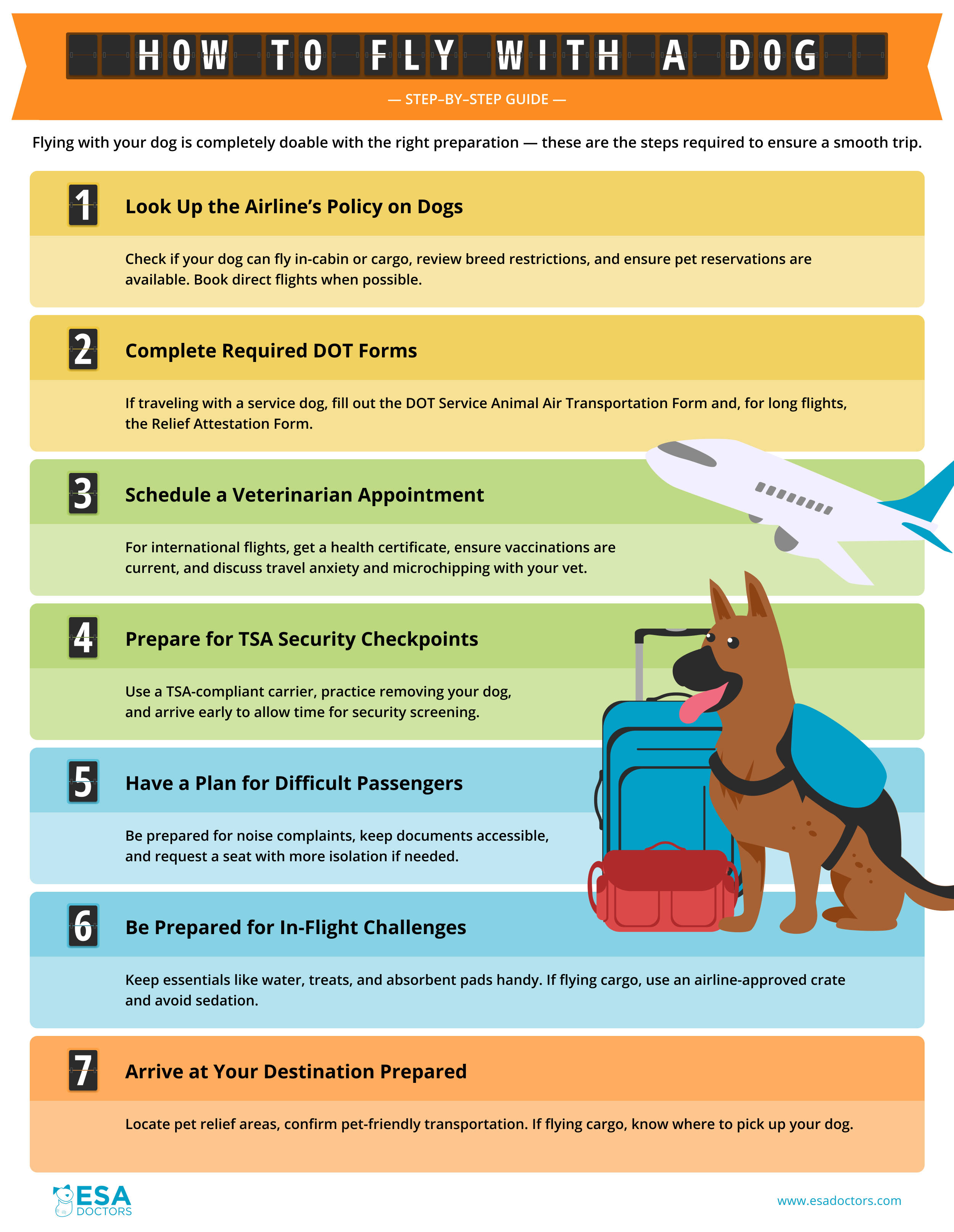
Apps like BringFido and PetRelocation have integrated API hooks into airline booking systems, allowing users to see exactly how many pet slots are remaining on a specific flight. This reduces the risk of arriving at the airport only to find the “pet quota” for the flight has been reached.
Enhancing In-Flight Comfort Through Biofeedback and Tech
The psychological stress of flying on a dog is immense. Tech developers are increasingly focusing on “calm-tech”—gadgets and software designed to regulate a dog’s nervous system during the flight.
Biofeedback and Wearable Health Monitors
Wearable technology for dogs, such as the FitBark or PetPace, has moved beyond simple step counting. These devices now monitor heart rate variability (HRV), respiratory rates, and sleep quality. For a dog flying in the cabin, an owner can monitor these vitals in real-time via a smartwatch.
If the dog’s heart rate spikes, the owner can intervene with programmed behavioral cues. For dogs in cargo, the “historical data” feature of these wearables allows owners to review the flight’s stress impact, helping them make data-driven decisions about future travel or the need for different sedation/calming strategies prescribed by a vet.
Acoustic Engineering and Calming Tech
The roar of jet engines and the hiss of pneumatic systems are terrifying to a dog’s sensitive hearing. To combat this, tech companies have developed “noise-canceling” kennels and acoustic-damping materials. Utilizing the same principles found in high-end Bose headphones, these systems emit anti-noise frequencies to neutralize engine roar.
Additionally, “smart” pheromone diffusers are now available. These devices are programmed to release calming synthetic pheromones at specific intervals throughout the flight, controlled by a timer or a remote app, ensuring the dog remains in a chemically induced state of relaxation without the risks associated with heavy pharmaceutical sedation.
Security, Data, and the Future of Pet Travel
As the “Internet of Pets” (IoP) grows, the security and verification of pet data are becoming paramount. This is particularly true for service animals and Emotional Support Animals (ESAs).
Blockchain for Identity Verification
One of the biggest challenges for airlines is the verification of service dog credentials. To combat fraud, several tech startups are exploring blockchain-based “Digital Identities” for dogs. By storing a dog’s training certifications and medical history on a decentralized ledger, airlines can instantly verify the authenticity of a service animal’s status. This technology protects the privacy of the owner while ensuring that the airline’s safety protocols are not bypassed by fraudulent documentation.
The Rise of RFID and Smart Infrastructure
While microchipping is a standard practice, the next generation of RFID (Radio Frequency Identification) technology is being integrated into airport infrastructure. Future “Smart Airports” will feature sensors at gate entries and loading zones that automatically scan a pet’s microchip as they pass through.
This creates a digital “chain of custody.” Each time your dog moves from the check-in desk to the tug-cart, and from the cart to the aircraft, a timestamp is generated and pushed to the owner’s app. This level of transparency is the ultimate goal of pet-travel technology, transforming the dog’s journey from an opaque process into a fully tracked, high-visibility logistics operation.

Conclusion: The Tech-Enabled Journey
Flying with a dog in the 21st century is no longer a leap of faith; it is a managed technical operation. By integrating sophisticated hardware like environmental sensors and GPS trackers with robust software for document management and AI-driven logistics, travelers can significantly mitigate the risks associated with avian pet transport.
As we look toward the future, the continued evolution of the Internet of Pets and blockchain verification will likely make “flying with a dog” as seamless as checking a smart-suitcase. For the modern pet owner, staying updated on these technological trends is not just about convenience—it is about leveraging the best tools available to ensure the safety and happiness of our most loyal companions. Whether it is through monitoring a heart rate on a smartwatch or verifying a digital passport via the cloud, technology has truly become a dog’s best friend in the skies.
aViewFromTheCave is a participant in the Amazon Services LLC Associates Program, an affiliate advertising program designed to provide a means for sites to earn advertising fees by advertising and linking to Amazon.com. Amazon, the Amazon logo, AmazonSupply, and the AmazonSupply logo are trademarks of Amazon.com, Inc. or its affiliates. As an Amazon Associate we earn affiliate commissions from qualifying purchases.