
In the foundational narratives of creation, the concept of a divine entity crafting an entire universe in a structured, seven-day cycle offers a compelling metaphor for the meticulous and visionary process of brand genesis. While the original story speaks to the origins of the cosmos, its underlying principles — vision, structure, refinement, and purpose — resonate deeply with the strategic development of a powerful brand. A brand, in essence, is a created world, an ecosystem of values, visuals, and experiences designed to attract, engage, and sustain a dedicated audience. Understanding the archetypal “seven days” of creation can provide an insightful framework for brand strategists, founders, and marketers building their own unique universe.
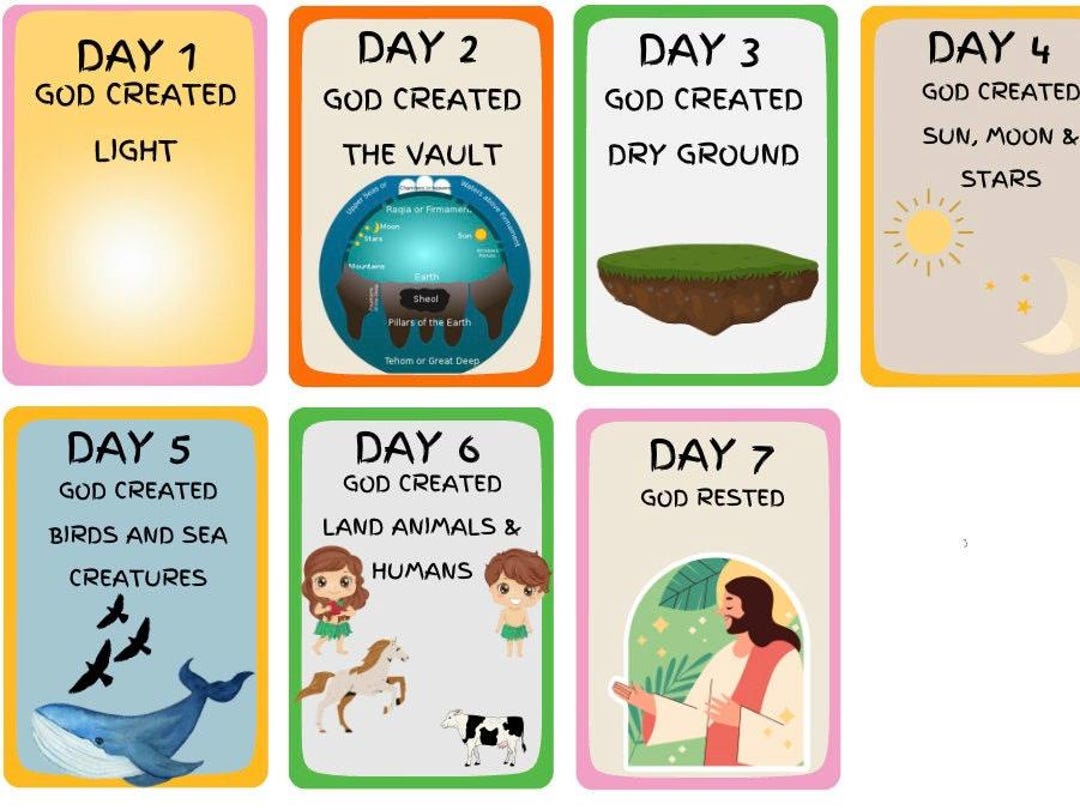
The Genesis of Vision: Day 1 & 2 – Light, Separation, and Foundation
The initial days of creation are marked by fundamental acts: bringing light into darkness and separating elements to form distinct environments. These actions lay the groundwork for everything that follows, mirroring the crucial early stages of brand development where core purpose and market positioning are established.
Defining the “Light”: Core Purpose and Vision
Before anything else, there was “light.” For a brand, this light represents its fundamental purpose, its overarching vision, and the core problem it aims to solve or the value it seeks to create. This isn’t just about products or services; it’s about the “why” — the guiding principle that illuminates every subsequent decision. What is the brand’s unique contribution to the world? What change does it aspire to bring? Articulating this light provides clarity and direction, ensuring that all brand efforts are aligned with a singular, compelling objective. Without this initial spark of purpose, a brand can wander directionless, lost in the competitive landscape. This vision acts as the North Star, guiding the journey from concept to market presence.
Establishing Boundaries: Niche, Audience, and Market Separation
Following the creation of light, the divine act involves separating waters from waters, establishing the firmament, and defining distinct realms. In brand strategy, this translates to the critical process of market segmentation and niche identification. What unique space will the brand occupy? Who is its ideal audience, and equally important, who is it not for? Successful brands understand the power of differentiation, carving out a specific territory where they can truly excel and connect with a defined demographic. This involves a deep understanding of market needs, competitor landscapes, and the distinct value proposition that sets the brand apart. Establishing clear boundaries prevents dilution, allows for targeted messaging, and builds a loyal community around a specific identity. Just as distinct environments support different forms of life, a well-defined niche allows a brand to flourish.
Building the World: Day 3 & 4 – Structure, Sustenance, and Guiding Elements
With the foundations laid, the next phase focuses on building the tangible structures and systems that will sustain life within the created world. For a brand, this means developing its core architecture, offerings, and the narrative tools that communicate its essence.
Form and Function: Brand Architecture and Core Offerings
On Day 3, dry land emerges, producing vegetation and fruit-bearing trees. This signifies the development of the brand’s tangible assets: its products, services, and the operational structure that delivers them. This is where the abstract vision takes concrete form. What are the specific offerings that fulfill the brand’s purpose? How are they structured (e.g., product lines, service tiers)? This phase involves meticulous design, quality assurance, and the creation of an intuitive user experience. Just as the land provides sustenance, the brand’s core offerings must consistently deliver value and meet the functional needs of its audience. A robust brand architecture ensures clarity, scalability, and ease of navigation for consumers, allowing them to understand and access the brand’s full range of benefits.
Illuminating the Path: Messaging, Storytelling, and Brand Archetypes
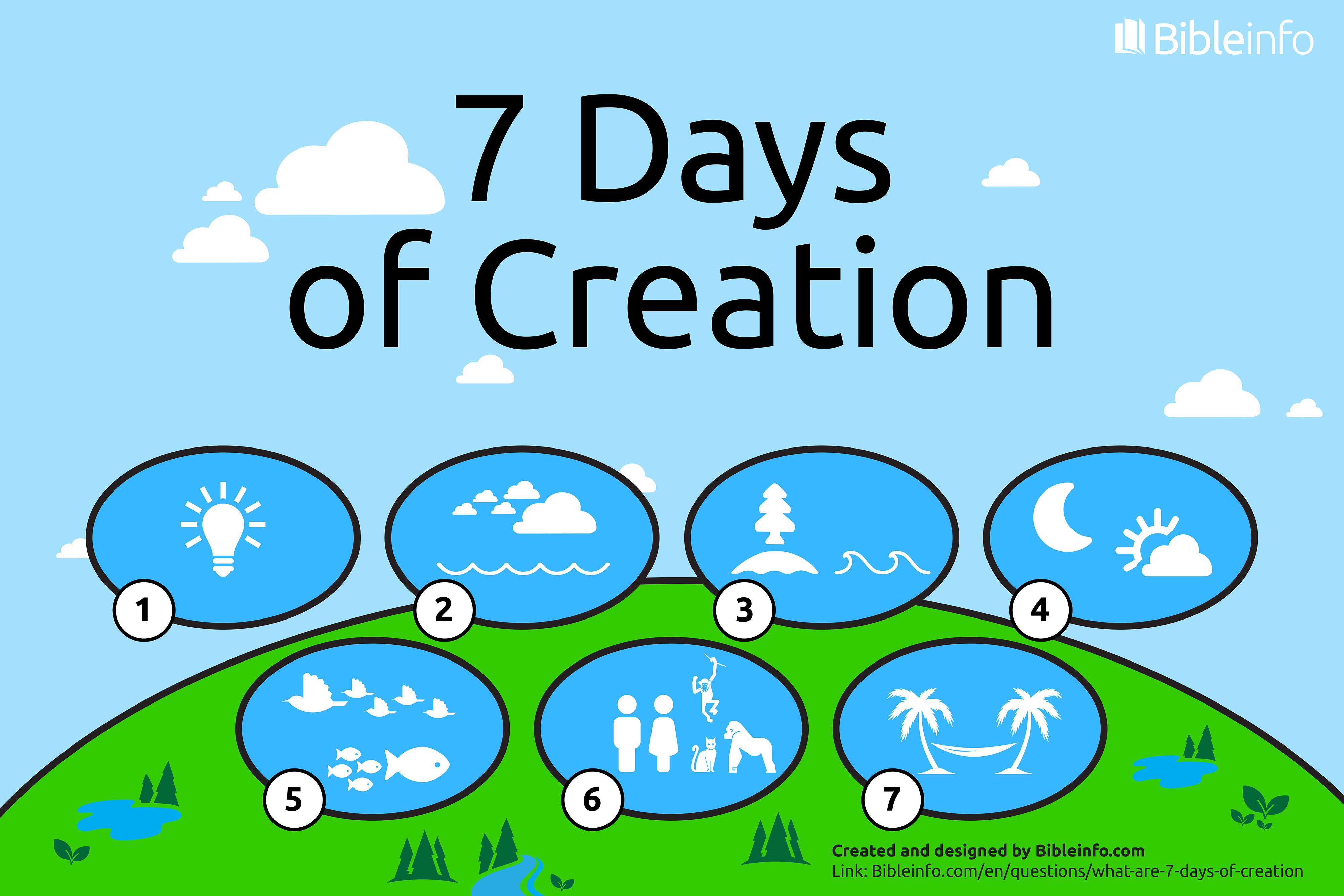
Day 4 sees the creation of the sun, moon, and stars to govern the day and night, marking seasons and times. These celestial bodies serve as guiding lights, providing rhythm and orientation. For a brand, these are its guiding narrative elements: its messaging framework, unique storytelling, and chosen brand archetypes. How will the brand communicate its purpose and offerings to the world? What stories will it tell to connect emotionally with its audience? A brand’s narrative acts as its guiding light, shaping perceptions and fostering recognition. Identifying a brand archetype (e.g., The Explorer, The Caregiver, The Innovator) helps to imbue the brand with a consistent personality and a universal resonance, allowing it to transcend mere products and services to become a compelling entity within its own right. These narrative elements provide orientation for the audience, helping them to understand where the brand fits in their lives and what to expect from their interactions.
Populating the Ecosystem: Day 5 & 6 – Engaging Life and Stewardship
With the world structured and illuminated, the focus shifts to populating it with life and establishing the conditions for flourishing. For a brand, this involves engaging its audience, building community, and embedding its values through its people and practices.
Bringing Life to the Brand: Customer Experience and Community Building
On Day 5, the waters teem with living creatures, and birds fly across the sky, bringing dynamic life to the created world. This stage in brand development is about actively engaging the target audience and fostering a vibrant community. How does the brand interact with its customers? What experiences does it create at every touchpoint? From initial discovery to post-purchase support, every interaction shapes the customer’s perception and loyalty. Building a thriving brand ecosystem involves more than just transactional exchanges; it means cultivating relationships, inviting participation, and creating a sense of belonging. This could manifest through social media engagement, user-generated content, customer loyalty programs, or community events. A living brand actively seeks to connect, listen, and evolve with its audience, much like a thriving ecosystem supports diverse forms of life.
The Human Element: Leadership, Values, and Brand Ambassadors
Day 6 culminates in the creation of humankind, endowed with dominion and stewardship over the created world. This represents the human element crucial to any brand’s success: its leadership, employees, and the values they embody. A brand is not merely a logo or a product; it is a collective of individuals driven by a shared vision and common values. How do the brand’s leaders inspire and guide the organization? How do employees embody the brand’s promise in their daily interactions? Every team member, from the CEO to the frontline staff, acts as a brand ambassador, shaping the customer experience and reinforcing the brand’s identity. Furthermore, aligning with external influencers and advocates who genuinely resonate with the brand’s mission can amplify its message and extend its reach. True stewardship of a brand involves cultivating a culture where its values are not just stated but actively lived, ensuring authenticity and consistency.
The Sabbath of Strategy: Day 7 – Reflection, Refinement, and Perpetual Evolution
The final day of creation is marked by rest and blessing, signifying completion, reflection, and the establishment of a cyclical rhythm. For a brand, this is not a cessation of activity but a vital period of strategic review, refinement, and preparing for continuous evolution.
The Power of Pause: Auditing, Feedback, and Strategic Re-evaluation
After six days of intense creation, the seventh day is one of rest and reflection. In brand strategy, this translates to the critical practice of regular brand audits, gathering feedback, and strategic re-evaluation. Is the brand still aligned with its core purpose? Are its offerings relevant and competitive? Is its messaging resonating with the target audience? This requires stepping back from the day-to-day operations to assess performance, identify areas for improvement, and celebrate successes. Utilizing analytics, market research, customer surveys, and internal feedback loops allows the brand to understand its current state and diagnose any misalignments. This “pause” is not passive; it’s an active, analytical process crucial for maintaining brand health and agility.

Sustaining the Creation: Long-term Brand Health and Adaptability
The blessing of the seventh day implies not just completion but also the potential for sustained growth and flourishing. For a brand, this means embedding mechanisms for continuous adaptation and long-term health. The market is dynamic, consumer preferences shift, and new technologies emerge. A truly resilient brand isn’t static; it possesses the ability to evolve without losing its core identity. This involves strategic planning for future trends, fostering innovation, and building a culture of learning and responsiveness. Just as the created world continues its cycles of day and night, seasons and growth, a successful brand maintains a cyclical process of creation, evaluation, and re-creation, ensuring its relevance and vitality for years to come. The “seven days” are a blueprint not just for initial creation, but for the ongoing stewardship and intelligent evolution of a thriving brand ecosystem.
aViewFromTheCave is a participant in the Amazon Services LLC Associates Program, an affiliate advertising program designed to provide a means for sites to earn advertising fees by advertising and linking to Amazon.com. Amazon, the Amazon logo, AmazonSupply, and the AmazonSupply logo are trademarks of Amazon.com, Inc. or its affiliates. As an Amazon Associate we earn affiliate commissions from qualifying purchases.