
For individuals navigating the complexities of unemployment, understanding the precise timing of benefit payments is paramount for financial planning and maintaining stability. In Virginia, the payment schedule for unemployment benefits, administered by the Virginia Employment Commission (VEC), generally follows a consistent pattern, though several factors can influence the exact day funds become available.
The VEC processes weekly certifications submitted by eligible claimants. Once a claim is processed and approved for a given week, the payment is typically initiated within two to three business days. For most claimants, this means payments are deposited into their accounts by the middle to end of the week, often between Wednesday and Friday. However, it’s crucial to understand the underlying mechanics that dictate this timeframe and recognize potential variables.
Understanding Virginia’s Unemployment Payment Schedule
The VEC’s payment system is designed to provide timely financial support, but it operates on a structured cycle involving processing, verification, and disbursement. The core of this system revolves around the claimant’s submission of weekly certifications and the VEC’s subsequent review.
The VEC’s Processing Cycle
Each week, to receive benefits, claimants must certify that they are unemployed, able and available for work, and have actively searched for employment (unless waived). These weekly certifications cover the previous Sunday through Saturday period. Once you submit your weekly claim, the VEC begins its internal review process.
- Submission: Most claimants submit their weekly certification online via the VEC’s portal. This can usually be done starting on Sunday for the week just ended.
- Processing: The VEC reviews the submitted information, checking for eligibility, work search compliance, and any reported earnings that might affect benefit amounts. This typically takes 1-2 business days.
- Approval & Initiation: Once the week is approved, the VEC initiates the payment. For electronic payments, this means sending the funds to the chosen financial institution.
Due to this cycle, if you submit your weekly claim on a Sunday or Monday, and it’s approved swiftly, you could see the funds by Wednesday or Thursday. Submitting later in the week, or if your claim requires manual review or has an issue, will push the payment date further into the week or even to the following week.
Direct Deposit vs. Debit Card Payments
The method of payment significantly impacts when funds are accessible:
- Direct Deposit: This is the quickest and most common method. Once the VEC initiates the direct deposit, it typically takes 1-2 business days for the funds to post to your bank account. The exact time the money appears can vary based on your specific bank’s processing times. Some banks may make funds available earlier in the morning, while others might release them later in the day.
- VEC-Issued Debit Card (Way2Go Card): Claimants who do not opt for direct deposit will receive their benefits on a debit card issued by the VEC (often the Way2Go Card). Funds loaded onto these cards are generally available sooner than traditional bank deposits once the VEC initiates the transfer, often within 1 business day. However, new cards must first be mailed and activated, which can cause an initial delay for first-time recipients.
Factors Affecting Payment Timing
While the general timeframe is mid-to-late week, several factors can cause deviations:
- Holidays: Bank holidays and VEC observed holidays can delay processing and deposit times. If a holiday falls early in the week, it can push payment dates back by a day or two.
- First Payment Delays: The initial payment for a new claim often takes longer due to a waiting week (a mandatory unpaid week in Virginia) and the time required for initial eligibility determination and identity verification.
- Claim Issues: Any issues with your weekly certification (e.g., reporting earnings incorrectly, failing to meet work search requirements, or discrepancies in information) can trigger a review, pausing payment until resolved. This might require additional documentation or an interview, significantly delaying benefits.
- System Maintenance: While rare, VEC system maintenance or technical issues can temporarily affect processing times.
- Bank Processing Times: As mentioned, individual bank policies dictate when direct deposits become available after the VEC releases the funds.
Navigating the Unemployment Claim Process in Virginia
Understanding the payment schedule is just one piece of the puzzle. The entire claims process directly influences when and if you receive payments.
Initial Application and Eligibility
The journey begins with filing an initial claim for unemployment benefits. This involves providing detailed personal information, employment history, and reasons for separation from your last employer. The VEC then reviews this information to determine your monetary and non-monetary eligibility.
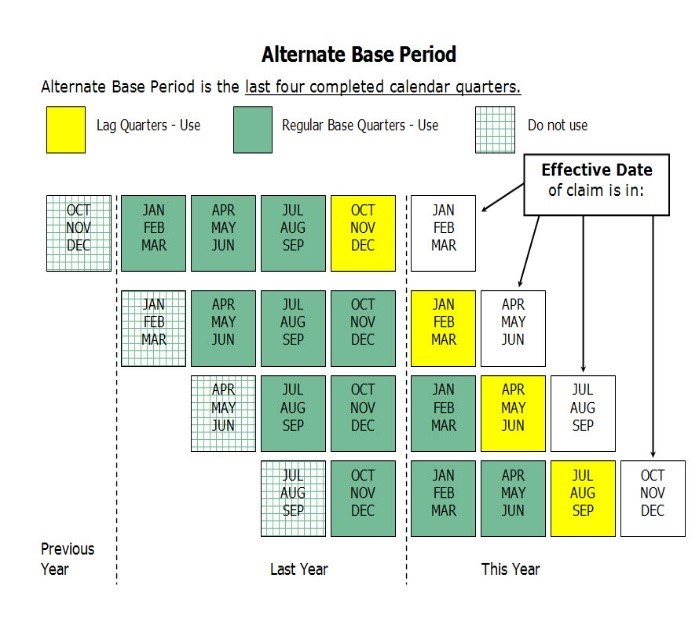
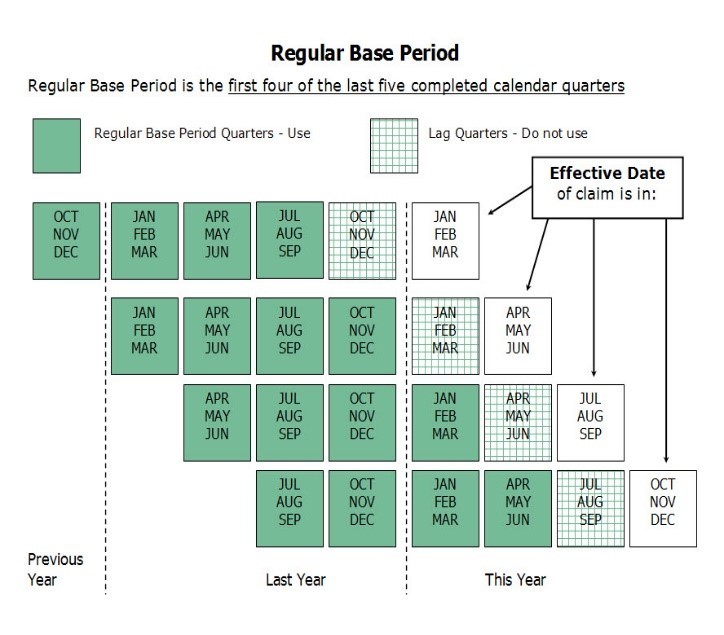
- Monetary Eligibility: Based on your past wages (usually from the last 18 months, or “base period”).
- Non-Monetary Eligibility: Based on the reason for your separation. If you quit or were fired, the VEC investigates whether you had “good cause” for quitting or if you were fired for “misconduct.” This can involve interviews with you and your former employer.
This initial determination phase can take several weeks, especially if there are contested issues. No payments will be issued until both monetary and non-monetary eligibility are established.
Weekly Claim Certifications
Once your initial claim is approved, you must file a weekly claim certification for each week you wish to receive benefits. This is a critical step that directly triggers payment processing. Failing to certify weekly will result in no payment for that week.
- Accuracy is Key: Ensure all information, especially regarding earnings from part-time work or any refusal of work, is accurate and reported promptly.
- Work Search Requirements: Virginia requires claimants to actively search for work, typically contacting a certain number of employers each week, unless this requirement is temporarily waived by the VEC (e.g., during specific economic conditions). Documenting your work search is essential, as the VEC may audit it.
- Availability for Work: You must be able to work and available for full-time work to receive benefits.
Common Delays and How to Mitigate Them
Delays are a common source of frustration for claimants. While some are unavoidable, proactive steps can help:
- Respond Promptly: If the VEC requests additional information or schedules an interview, respond immediately. Delays on your part directly delay your claim.
- Monitor Your Account: Regularly check your VEC online account for updates, messages, or issues.
- Keep Records: Maintain detailed records of your work search, any communications with the VEC, and reported earnings.
- Contact the VEC: If you suspect an issue or haven’t received payment within the expected timeframe, contact the VEC directly. Be prepared for potentially long wait times.
Financial Planning While Receiving Unemployment Benefits
Receiving unemployment benefits is a temporary measure. Effective financial planning is crucial to stretch these funds and maintain stability during your job search.
Budgeting for Reduced Income
Unemployment benefits are typically a fraction of your previous wages. Creating and strictly adhering to a revised budget is non-negotiable.
- Assess Your Income: Know the exact amount of your weekly benefit.
- List All Expenses: Categorize expenses as essential (housing, food, utilities, transportation, healthcare) and non-essential (entertainment, dining out, subscriptions).
- Cut Non-Essentials: Drastically reduce or eliminate discretionary spending. Look for ways to save on essential costs (e.g., cooking at home, public transport).
- Track Spending: Use a budgeting app, spreadsheet, or notebook to monitor where every dollar goes.
Emergency Savings and Debt Management
If you have an emergency fund, now is the time to utilize it judiciously. If not, prioritize building a small buffer if possible.
- Prioritize Bills: Pay essential bills on time to avoid late fees and protect your credit score. If you anticipate difficulty, contact creditors, landlords, or utility companies before missing payments to discuss hardship programs or modified payment plans.
- Address High-Interest Debt: If possible, continue making minimum payments on credit cards or other high-interest debt to prevent balances from spiraling. Avoid taking on new debt during this period.
- Explore Assistance Programs: Look into local, state, and federal programs for assistance with rent, utilities, or food (e.g., SNAP benefits).
Understanding Tax Implications
Unemployment benefits are taxable income at both the federal and state levels. Many claimants overlook this, leading to a surprising tax bill at year-end.
- Withholding Options: You can elect to have federal and state income taxes withheld directly from your unemployment benefits. This is often the wisest course of action to avoid a large tax liability later.
- Estimated Taxes: If you don’t opt for withholding, you may need to make quarterly estimated tax payments to the IRS and the Virginia Department of Taxation. Consult a tax professional for guidance.
- Keep Records: The VEC will send you Form 1099-G, detailing the total amount of unemployment benefits you received during the year. Keep this document for tax filing.
Maximizing Your Financial Stability During Unemployment
Beyond managing the direct benefit payments, a holistic approach to financial stability involves exploring all available resources and strategies.
Exploring Additional Financial Resources
Unemployment benefits are designed to be a temporary safety net. Supplementing them with other resources can significantly improve your financial standing.
- Part-Time Work: If permitted by the VEC (and benefits are adjusted accordingly), even a few hours of part-time work can provide crucial income and keep your skills sharp.
- Gig Economy: Consider temporary roles in the gig economy that offer flexibility.
- Community Assistance: Local food banks, charities, and non-profits often provide assistance with food, utilities, and other necessities. Don’t hesitate to seek these out.
- Severance Pay: If you received severance, remember that it might affect your initial eligibility for unemployment benefits or the waiting period.
Skill Development and Job Search Strategies
The most effective way to end your reliance on unemployment benefits is to secure new employment. Invest time in your job search and professional development.
- Update Resume and LinkedIn: Ensure your professional profiles are current and highlight your relevant skills and experience.
- Networking: Connect with former colleagues, industry contacts, and leverage online professional networks.
- Skill Enhancement: Explore free or low-cost online courses (e.g., Coursera, edX, LinkedIn Learning) to learn new skills or refresh existing ones, making you more competitive in the job market.
- VEC Resources: The VEC offers various job search assistance programs, workshops, and access to job boards. Utilize these services.
Long-Term Financial Resilience
Use this period as an opportunity to reassess your long-term financial goals and build greater resilience.
- Re-evaluate Budgeting Habits: Develop sustainable budgeting practices that continue even after re-employment.
- Boost Emergency Savings: Once re-employed, prioritize rebuilding or significantly increasing your emergency fund to cover at least 3-6 months of living expenses.
- Consider Income Diversification: Explore ways to create multiple income streams, even small ones, to provide a buffer against future unexpected job losses.
- Financial Literacy: Educate yourself on investing, retirement planning, and other aspects of personal finance to secure your future.
While the VEC typically pays unemployment benefits between Wednesday and Friday for weekly certifications submitted on time, claimants must remain vigilant about the entire process. Proactive management of your claim, coupled with diligent financial planning and an active job search, are the most effective strategies for navigating unemployment successfully and maintaining financial stability.
aViewFromTheCave is a participant in the Amazon Services LLC Associates Program, an affiliate advertising program designed to provide a means for sites to earn advertising fees by advertising and linking to Amazon.com. Amazon, the Amazon logo, AmazonSupply, and the AmazonSupply logo are trademarks of Amazon.com, Inc. or its affiliates. As an Amazon Associate we earn affiliate commissions from qualifying purchases.