
Koi fish, known scientifically as Nishikigoi, are far more than just ornamental pond dwellers; they are living works of art whose diverse colour patterns and genetic lineages frequently command astonishing prices in global markets. For the astute investor, the entrepreneur in aquaculture, or the discerning collector, understanding “what colours are koi fish” is not merely an aesthetic appreciation, but a critical insight into a niche yet lucrative segment of the luxury investment market and a specialized agricultural business. The specific hues, intricate patterns, and overall conformation of a koi directly dictate its financial value, transforming these aquatic creatures into a unique asset class.
The Spectrum of Value: Understanding Koi Color Genetics and Market Pricing
The kaleidoscope of colours seen in koi is the primary determinant of their market value. Each colour variant, or variety, is meticulously judged against breed standards, with specific combinations and intensities leading to significant price disparities. The initial question, “what colours are koi fish,” thus transitions into “what colours make a koi financially valuable?”
Nishikigoi Classification and Desirability
Koi varieties are broadly categorized by their colouration and patterns. The most common and often highly valued varieties include:
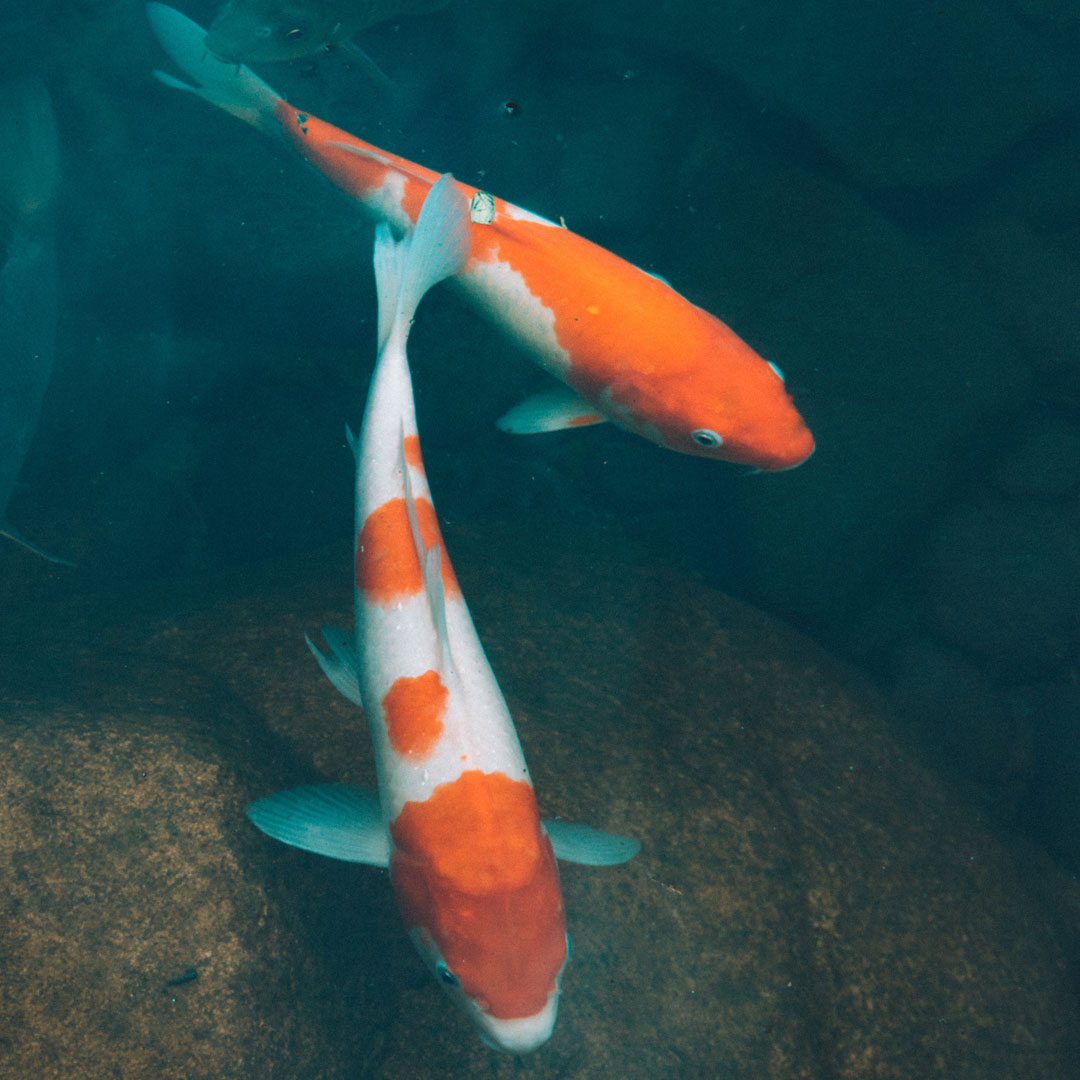
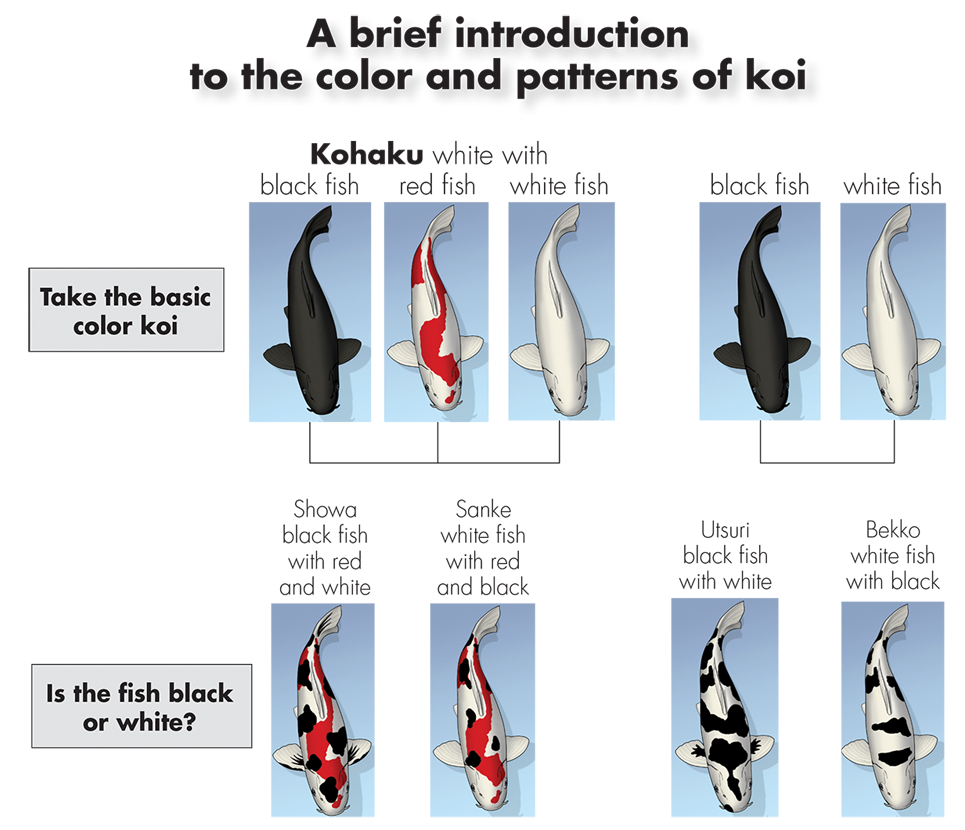
- Kohaku: A classic white body with red patterns. The quality of the white (shiroji) and red (hi), along with the pattern’s balance and ‘cut’ (kiwa), are paramount. A perfectly balanced Kohaku can fetch immense sums.
- Sanke: A white body with red and black (sumi) patterns. The addition of sumi requires careful placement, often appearing as stepping stones across the white and red.
- Showa: A black body with red and white patterns. Unlike Sanke, Showa’s black is foundational, with red and white overlaying it. The presence of black on the head (menware) and fins (motoguro) is highly desirable.
- Utsurimono (Shuri/Hi/Ki Utsuri): Black koi with white, red, or yellow patterns, respectively. The interplay of the base black and the contrasting colour is key.
- Bekko (Shiro/Hi/Ki Bekko): White, red, or yellow koi with black spots. These are distinct from Utsurimono by having the coloured base, not black.
- Asagi/Shusui: Asagi are blue-grey koi with red markings, often on the cheeks, belly, and fin joints, with a distinct net pattern on the scales. Shusui are the Doitsu (scaleless or mirror-scaled) version of Asagi.
- Ogon: Single-coloured metallic koi (e.g., Yamabuki Ogon for gold, Platinum Ogon for white). Their value comes from flawless, even metallic sheen and body conformation.
- Kujaku: Metallic white koi with red, black, and sometimes blue or yellow patterns.
- Doitsu: Refers to scaleless or mirror-scaled koi. These can appear in many varieties, adding a layer of rarity and unique aesthetic.
- Kawarimono: A catch-all category for koi not fitting other classifications, often containing unique and experimental crosses that can sometimes command high prices if exceptionally striking.
The desirability of these varieties, and thus their market value, hinges not just on the presence of these colours but on their quality: the intensity of the hue, the crispness of the pattern edges, the balance across the body, and the absence of blemishes. A perfectly formed “Step Kohaku” or a “lightning strike” pattern on a Showa can elevate a koi from a pond fish to a multi-thousand-dollar investment.
The Impact of Hue, Pattern, and Lineage
Beyond variety classification, several nuanced factors derived from a koi’s colours and patterns directly influence its valuation:
- Hue Intensity and Purity: Vibrant, deep, and unblemished colours are paramount. A dull red, faded black, or yellowish white can significantly devalue a fish. The ‘shiroji’ (white base) must be pure, snow-white, devoid of any yellowing or imperfections. ‘Hi’ (red) should be a deep, even crimson. ‘Sumi’ (black) should be dense, lacquer-like, and glossy.
- Pattern Definition and Balance: Patterns should be well-defined with crisp, clean edges (kiwa). The balance of colours across the koi’s body is crucial, ensuring an aesthetically pleasing distribution from head to tail. A well-placed ‘menware’ (head pattern) on a Showa or a ‘motoguro’ (black base to pectoral fins) on a Sanke are specific markers of quality that directly impact market price.
- Body Conformation: While not strictly about colour, a koi’s body shape significantly affects its overall appeal and health, which in turn influences its investment potential. A robust, torpedo-shaped body with strong fins indicates good genetics and health, supporting the longevity of the colour and pattern.
- Lineage and Breeder Reputation: The genetic background of a koi, often tracing back to renowned Japanese breeders (e.g., Dainichi, Sakai, Momotaro), adds a premium. A koi from a champion bloodline, even if young, carries the potential to develop into a high-value specimen, making its colour patterns a promise of future appreciation.
Koi as a Living Investment: Beyond Pet Ownership
For those accustomed to traditional asset classes, the idea of investing in a fish might seem unconventional. However, the global koi market operates with distinct investment principles, where specific colours and patterns signify rarity, potential growth, and significant financial returns.
Factors Driving High-Value Sales
The record-breaking sale of “S Legend,” a nine-year-old Kohaku, for a staggering $1.8 million in 2017 underscores the investment potential of elite koi. Such prices are driven by a confluence of factors:
- Rarity and Genetic Purity: Perfect examples of specific colour varieties, especially those from champion bloodlines, are exceedingly rare. The demand from collectors and breeders worldwide for these genetically superior specimens drives prices skyward.
- Show Potential: Koi are judged in competitive shows globally, similar to dog or horse shows. A koi with championship potential – characterized by impeccable colours, flawless patterns, and superior body conformation – can see its value skyrocket as it wins accolades, much like a racehorse proving its mettle.
- Growth Potential: Young, high-grade koi that exhibit promising colour and pattern development can be bought relatively ‘cheaply’ and appreciate significantly over time as they mature and their patterns fully develop. This requires an astute eye for potential and careful husbandry.
- Market Sentiment and Demand: Like any luxury market, demand for specific varieties can fluctuate. Currently, the classics (Kohaku, Sanke, Showa) remain consistently strong, but emerging trends or a particularly impressive new cross can also create temporary spikes in demand and value.
The Global Koi Market and Auction Dynamics
The koi market is truly global, with Japan remaining the epicenter for breeding and high-end sales. Auctions, both live and online, are primary channels for high-value transactions. These events are often attended by international buyers, dealers, and serious hobbyists, all vying for top-tier specimens. Understanding the current trends in colour preference and variety demand is critical for any serious investor looking to participate in these auctions. The transparency of pedigree documentation and health certificates is also paramount in ensuring the integrity of the investment.

Cultivating Wealth: The Business of Koi Breeding and Rearing
Beyond individual investment, the commercial aspects of koi breeding and rearing represent a significant business opportunity. From small-scale artisanal breeders to large commercial farms, the focus on producing koi with desirable colours and patterns is central to profitability.
Operational Costs and Profit Margins
Establishing a professional koi breeding operation is capital-intensive. Initial investments include:
- Infrastructure: Ponds, filtration systems, quarantine tanks, and climate-controlled facilities.
- Breeding Stock: Acquiring high-quality parent koi (Oyagoi) with strong genetic lines for desirable colours and patterns. This is perhaps the most critical investment, as the quality of offspring is directly tied to the parents.
- Specialized Feed and Supplements: Essential for promoting healthy growth, vibrant colours, and robust immunity.
- Veterinary Care and Water Management: Crucial for preventing disease and maintaining optimal conditions, directly impacting the health and appearance of the fish.
Profit margins in koi breeding can be substantial, particularly for breeders who consistently produce champion-grade fish. A single high-value koi can offset the costs of an entire year’s operations. However, it’s a long-term game, with several years often required for fish to reach maturity and display their full potential, demanding patience and significant upfront investment.
Marketing and Brand Building in the Koi Industry
In a market driven by aesthetics and pedigree, branding plays a crucial role. A breeder’s reputation for producing specific colour varieties with exceptional quality can become a powerful brand asset. This involves:
- Show Participation and Wins: Success in koi shows builds a brand’s prestige, demonstrating the quality of the breeding stock and husbandry.
- Online Presence: High-quality photography and videography showcasing the vibrant colours and patterns of their fish on social media and dedicated websites.
- Networking: Building relationships with dealers, collectors, and other breeders globally.
- Genetic Transparency: Providing clear lineage information for their koi, reinforcing trust and quality.
For a breeder, understanding and responding to the market’s evolving preferences for “what colours are koi fish” is paramount to sustained business success.
Risk and Reward: Navigating the Koi Investment Landscape
Like all investments, koi come with inherent risks, but also the potential for extraordinary rewards. Diligent research and careful management are essential.
Health, Longevity, and Market Fluctuations
- Biological Risks: Koi are living organisms susceptible to disease, parasites, and environmental stressors. A single outbreak can decimate a pond, leading to significant financial losses. The vibrant colours that give koi their value can also fade or change if the fish’s health or water quality deteriorates.
- Longevity: While koi can live for decades, their prime show and breeding years are finite. The investment window for maximizing value is specific.
- Market Volatility: While high-end koi have shown remarkable resilience, shifts in economic conditions or collector preferences can influence demand and pricing.
Due Diligence for Aspiring Koi Investors
For those considering entry into this unique asset class:
- Education: Develop a deep understanding of koi varieties, colour standards, and judging criteria. Attend koi shows, read specialized publications, and consult with experienced hobbyists and dealers.
- Source Reputable Dealers: Always purchase from reputable dealers who can provide detailed lineage information, health guarantees, and a track record of quality.
- Understand Husbandry Requirements: Be prepared for the significant commitment in terms of pond construction, filtration, water quality management, and daily care. Poor husbandry can quickly diminish a koi’s value.
- Consider Insurance: For high-value specimens, specialized aquatic insurance can mitigate some of the biological risks.
Ultimately, the question “what colours are koi fish” opens a door to a complex, fascinating, and financially vibrant world. For those with a keen eye for aesthetics, a passion for aquaculture, and a strategic approach to investment, the vibrant hues of Nishikigoi offer a unique pathway to both personal satisfaction and potential financial prosperity.
aViewFromTheCave is a participant in the Amazon Services LLC Associates Program, an affiliate advertising program designed to provide a means for sites to earn advertising fees by advertising and linking to Amazon.com. Amazon, the Amazon logo, AmazonSupply, and the AmazonSupply logo are trademarks of Amazon.com, Inc. or its affiliates. As an Amazon Associate we earn affiliate commissions from qualifying purchases.