
The intricate dance between butterflies and the floral world has long captivated observers, but understanding the precise mechanisms of their attraction, particularly color preferences, has evolved significantly with technological advancements. Far from a simple aesthetic choice, the colors that draw butterflies are deeply rooted in their unique visual biology, and modern tech tools are now providing unprecedented insights into this complex interaction, offering practical applications for conservation, gardening, and even urban planning.
Leveraging Digital Tools for Pollinator-Friendly Design
The age-old art of gardening for pollinators is being revolutionized by digital tools, transforming intuitive planting into data-driven design. Understanding butterfly color preferences is no longer a matter of trial and error but an optimized process guided by software and applications.
Garden Planning Apps and Color Palettes
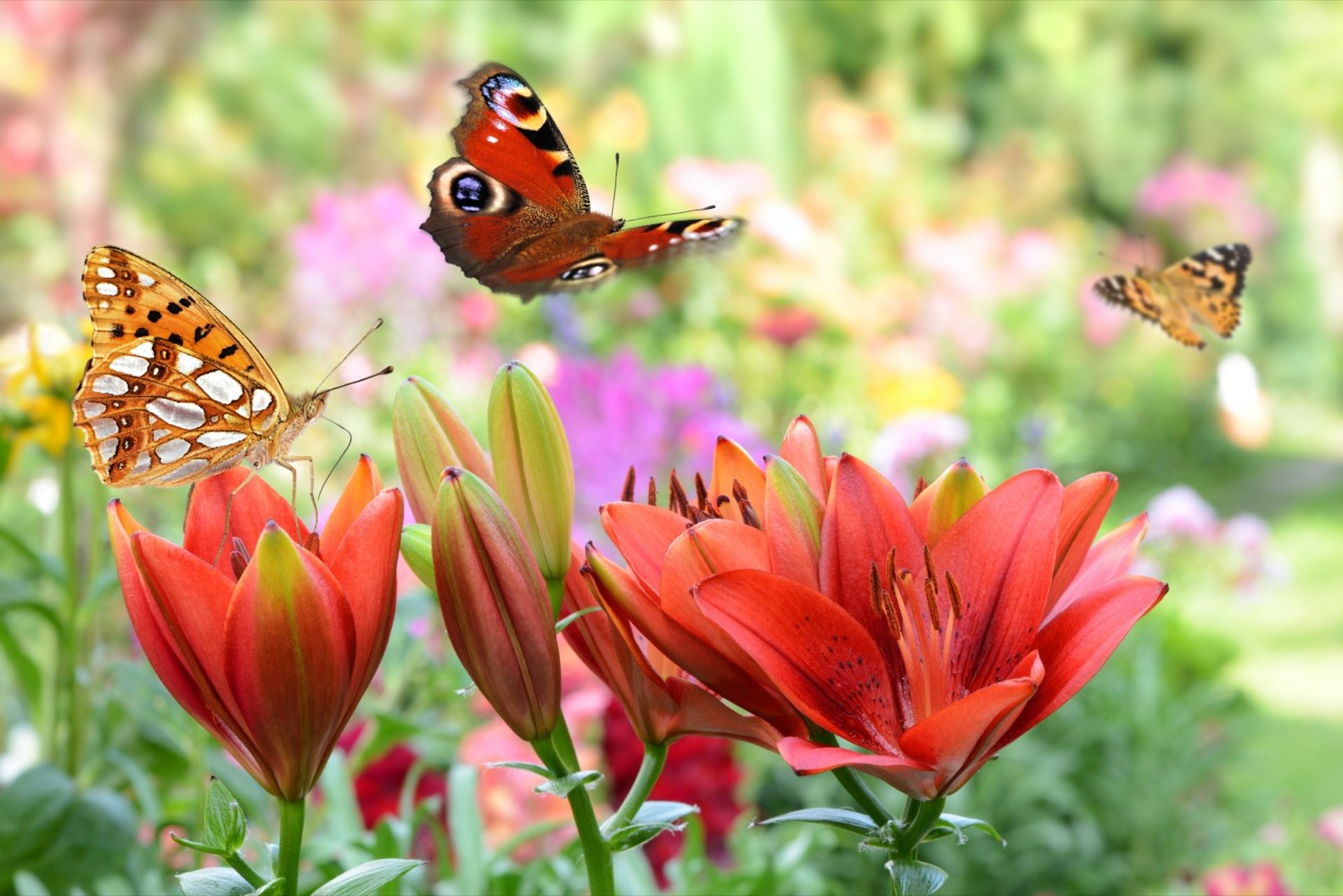
Contemporary garden planning applications offer more than just plant databases; they integrate ecological data, including specific pollinator preferences. These apps allow users to virtually design garden layouts, experimenting with different plant species and color schemes. Developers are incorporating scientific findings on butterfly vision, enabling users to filter plants by colors known to attract various butterfly species. For instance, an app might highlight vibrant purple, yellow, pink, and orange flowers as high-attraction choices, based on known butterfly photoreceptor sensitivities. Some advanced applications even simulate how a garden would appear to a butterfly’s tetrachromatic or pentachromatic vision, which often includes ultraviolet (UV) spectrum perception, invisible to humans. This functionality allows users to create truly butterfly-centric designs, maximizing their garden’s appeal and ecological impact. Furthermore, these platforms can track plant growth, blooming cycles, and even offer notifications for optimal planting times, ensuring a continuous supply of attractive blooms.
Augmented Reality for Landscape Visualization
Augmented Reality (AR) technology is taking garden design a step further. AR apps enable users to overlay virtual plant arrangements onto their physical outdoor spaces, offering an immediate, immersive preview of a proposed garden. This is particularly valuable when considering color impact. A gardener can, for example, visualize a bed of virtual lavender or coneflowers in their yard and assess the visual harmony and potential attraction for butterflies before any physical planting occurs. AR tools can also project the estimated size and spread of plants at maturity, helping to prevent overcrowding and ensure that attractive colors remain visible and accessible to pollinators throughout the season. For commercial nurseries or landscape architects, AR offers a powerful client presentation tool, allowing them to showcase pollinator-friendly designs with specific color palettes and immediately demonstrate the visual appeal and ecological benefits to stakeholders.
AI and Computer Vision in Entomological Research
Artificial intelligence and computer vision are rapidly transforming entomology, particularly in the study of insect behavior and preferences. These technologies provide scalable, objective methods for analyzing vast amounts of data that were previously inaccessible or too time-consuming for human researchers.
Automating Butterfly Color Preference Studies
Traditional methods for studying butterfly color attraction often involve human observation and manual data collection, which can be prone to bias and limitations in scale. AI-powered computer vision systems are changing this paradigm. By deploying high-resolution cameras in natural or controlled environments, researchers can automatically record butterfly visits to various colored targets or flowers. Machine learning algorithms are then trained to identify different butterfly species, track their flight paths, and precisely log their interactions with specific colors. These systems can process thousands of hours of footage, extracting patterns and quantifying preferences with a level of detail impossible for human observers. This includes identifying subtle preferences for shades within a color spectrum or preferences based on specific patterns (e.g., UV patterns invisible to the human eye, which specialized cameras can capture). This automation significantly accelerates the pace of discovery, leading to more robust and statistically significant findings on species-specific color attractions.
Predictive Analytics for Habitat Restoration
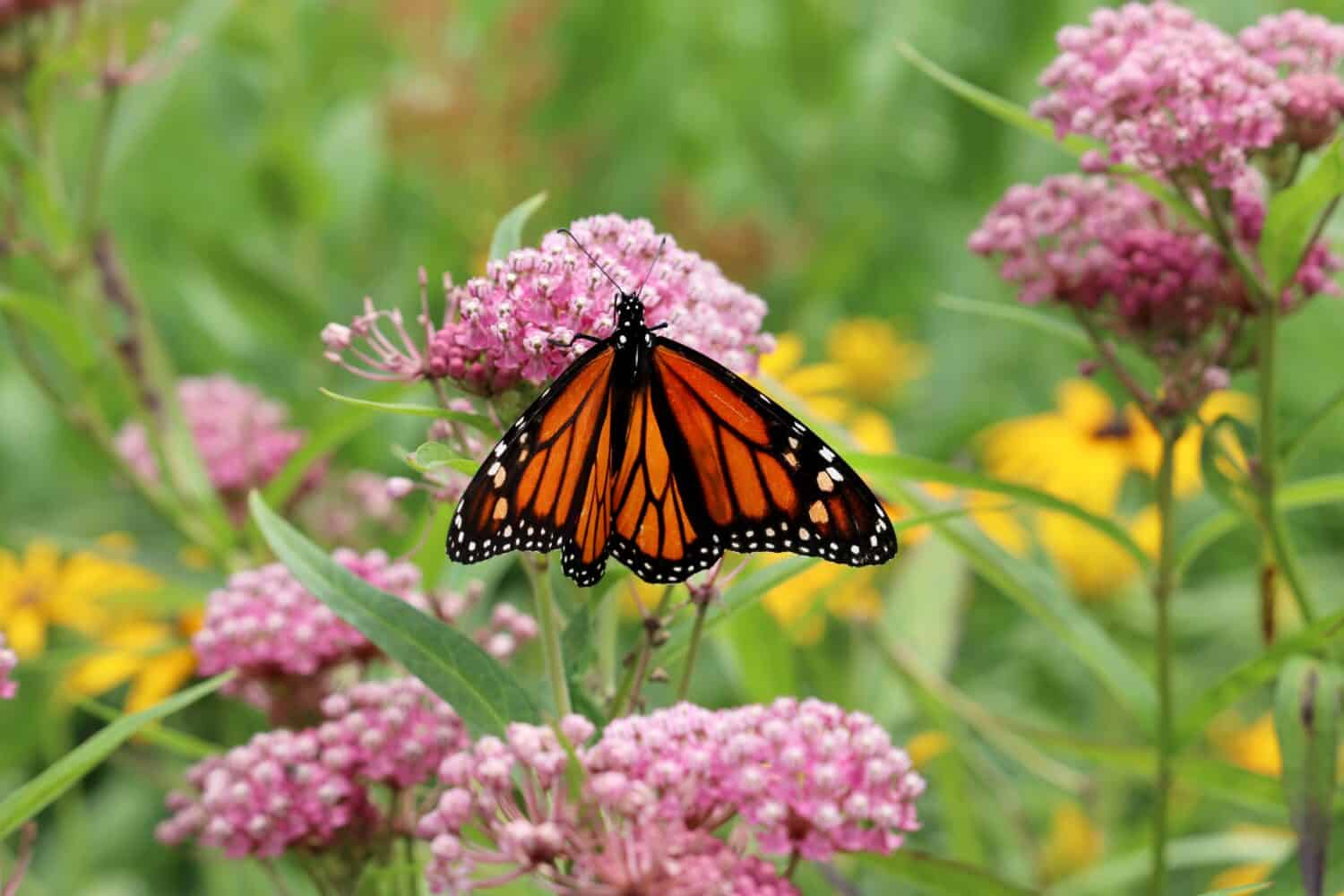
Beyond understanding existing preferences, AI is also being deployed in predictive analytics for habitat restoration and conservation efforts. By analyzing vast datasets comprising environmental factors (temperature, humidity, light exposure), plant species distribution, and historical butterfly populations, AI models can predict which color-rich plant communities are most likely to thrive in a given area and attract target butterfly species. This allows conservationists to make data-informed decisions about reintroducing specific floral species, optimizing the chances of successful habitat re-establishment. For instance, if a specific region historically supported a population of Monarch butterflies, an AI model could recommend restoring milkweed species alongside vibrant purple and orange nectar sources, taking into account soil conditions and climate projections. This predictive capability ensures that resources are allocated efficiently, maximizing the impact of restoration projects on declining pollinator populations.
Smart Garden Technology and Pollinator Attraction
The advent of the Internet of Things (IoT) has brought “smart” capabilities to various aspects of daily life, and gardens are no exception. Smart garden technologies are increasingly being designed not just for human convenience but also with an eye towards creating optimal environments for pollinators.
IoT Sensors for Optimal Floral Displays
IoT sensors embedded in smart garden systems go beyond basic soil moisture monitoring. Advanced sensors can track light intensity, spectral composition, nutrient levels, and even atmospheric conditions, all of which influence a flower’s vibrancy and scent—key attractants for butterflies. By continuously monitoring these parameters, smart systems can adjust irrigation, fertilization, and even shading to ensure that flowers maintain their peak color and health. For example, if a specific plant species known for its vibrant purple blooms begins to show signs of stress that could dull its color, the system can automatically trigger corrective actions. This proactive approach ensures that the “colorful invitations” for butterflies remain strong and consistent throughout the blooming season, increasing the garden’s effectiveness as a pollinator habitat.
Automated Lighting and Color Spectrum Management
While natural light is paramount, some cutting-edge smart garden systems experiment with automated lighting solutions, particularly in controlled environments or for extending bloom viability. Horticultural lighting systems, traditionally used for indoor growing, are becoming more sophisticated, allowing precise control over light spectrum. Researchers are exploring whether specific wavelengths of light, carefully managed, could enhance a flower’s color production or even directly influence butterfly attraction in highly controlled settings (e.g., butterfly houses). While still an emerging area, the ability to manipulate light spectrum opens possibilities for understanding how light quality impacts floral color expression and, consequently, pollinator interaction. In outdoor settings, smart lighting might also be employed to highlight specific flower beds during twilight hours for night-flying moths, using spectrums known to attract them.
Data-Driven Insights for Conservation and Education
Technology is not only enhancing our understanding of butterfly color attraction but also democratizing access to this knowledge, empowering a broader community to contribute to conservation efforts.
Citizen Science Platforms and Data Aggregation
Citizen science platforms leverage the power of crowdsourcing to gather vast amounts of ecological data. Apps like iNaturalist or eButterfly allow users to upload observations of butterflies, identifying species and noting their interactions with specific plants and colors. This data, aggregated from thousands of participants across diverse geographical locations, provides an invaluable resource for researchers. AI algorithms can then analyze this massive dataset to identify large-scale patterns in butterfly color preferences, regional variations, and how these preferences might shift with climate change or habitat loss. These platforms are crucial for understanding which colors are most effective in attracting butterflies in different ecosystems and for identifying critical nectar sources that require conservation. The sheer volume of data helps to validate or challenge findings from controlled studies, grounding research in real-world observations.
Educational Apps for Biodiversity Awareness
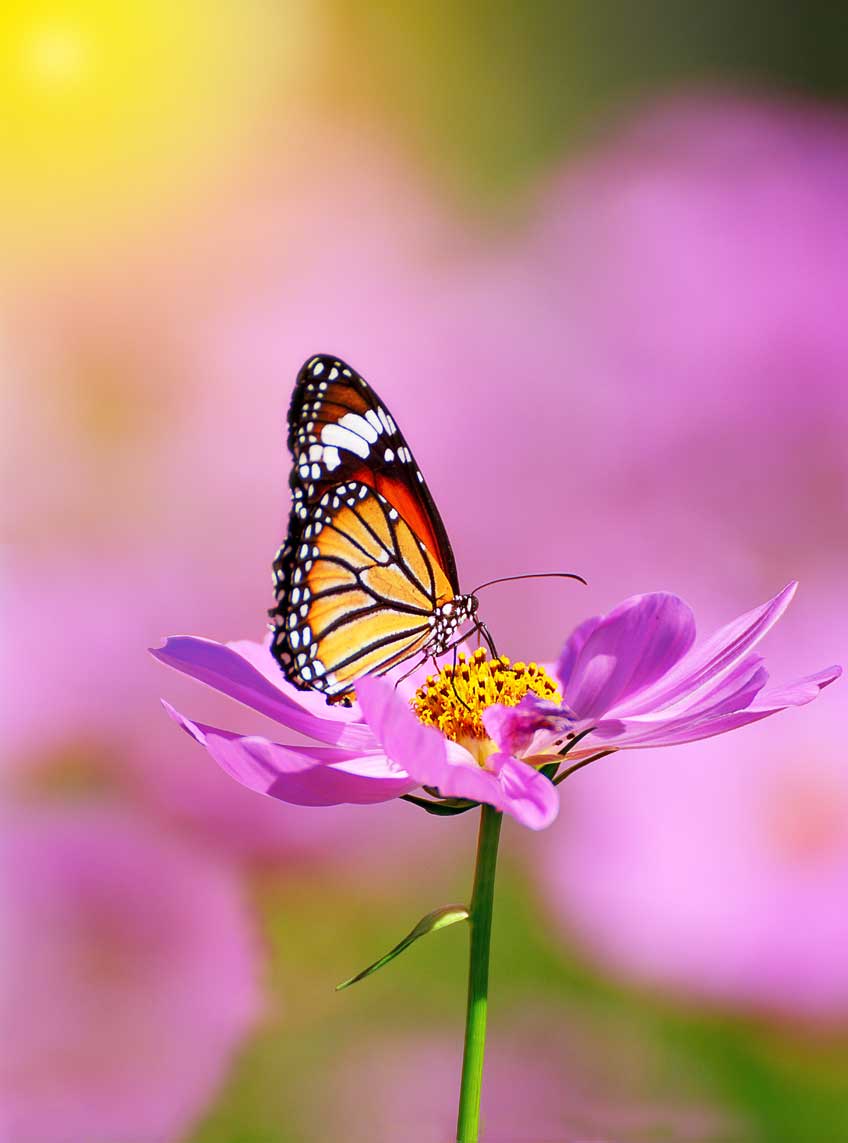
Educational apps are transforming how the public learns about butterfly biology and conservation. These apps often feature interactive guides on common butterfly species, their host plants, and their preferred flower colors. By making complex ecological information accessible and engaging, these tools encourage greater participation in pollinator-friendly gardening and conservation. Some apps integrate augmented reality to help users identify butterflies in their own gardens or to visualize recommended pollinator plants. Others gamify the learning process, encouraging users to track their butterfly sightings and contribute to citizen science initiatives. By highlighting the crucial role of color in butterfly attraction, these apps empower individuals to make informed choices that contribute to local biodiversity, fostering a new generation of environmentally conscious citizens who understand the intricate relationship between color, nature, and technology.
aViewFromTheCave is a participant in the Amazon Services LLC Associates Program, an affiliate advertising program designed to provide a means for sites to earn advertising fees by advertising and linking to Amazon.com. Amazon, the Amazon logo, AmazonSupply, and the AmazonSupply logo are trademarks of Amazon.com, Inc. or its affiliates. As an Amazon Associate we earn affiliate commissions from qualifying purchases.