
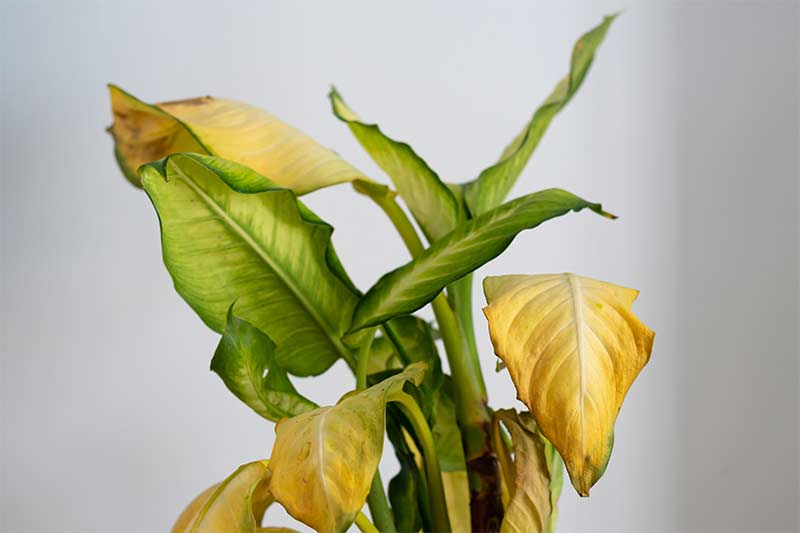
The vibrant green of healthy plant foliage is more than just aesthetic appeal; it’s a profound indicator of vitality, productivity, and, ultimately, financial well-being across numerous sectors. When plant leaves begin to yellow—a condition known as chlorosis—it signals distress, acting as an early warning system for potential economic losses that can ripple through agricultural businesses, real estate investments, landscaping services, and even personal income streams. Understanding the root causes of yellowing is not merely a horticultural curiosity; it is a critical component of risk management, operational efficiency, and sustainable financial growth. This article delves into the economic implications of plant chlorosis, identifying its common culprits and outlining strategies to mitigate the associated financial risks.
The Financial Stakes of Chlorosis: Why Healthy Foliage Matters to Your Bottom Line
Chlorosis is a visible manifestation of underlying problems that disrupt a plant’s ability to produce chlorophyll, the pigment essential for photosynthesis. When this fundamental process falters, so does the plant’s capacity for growth, reproduction, and resilience, leading directly to reduced output and diminished asset value.
Impact on Agricultural Yield and Profitability
For commercial agriculture, yellowing leaves are a direct precursor to reduced crop yields, decreased produce quality, and significant financial losses. A plant struggling with chlorosis may produce smaller fruits, fewer grains, or less biomass, impacting marketability and farm revenue. For instance, a widespread nitrogen deficiency in a cornfield can slash yields by 20-50%, translating into millions of dollars in lost income for large-scale operations. Beyond direct yield, the quality of affected crops can also decline, leading to lower grading, reduced market prices, or even rejection by buyers. Early identification and remediation of chlorosis are paramount for farmers to protect their margins and ensure the economic viability of their harvests.
Real Estate Value and Landscaping Investments
In urban and suburban environments, healthy plants contribute significantly to property aesthetics and, consequently, real estate value. Lush lawns, vibrant gardens, and mature trees are considered amenities that enhance curb appeal and can command higher selling prices or rental rates. Conversely, yellowed, sickly foliage detracts from a property’s allure, signaling neglect or underlying issues that can deter potential buyers or renters. Landscaping companies, responsible for maintaining these green assets, face financial penalties or loss of contracts if their work results in or fails to address widespread chlorosis. Homeowners investing in landscaping often overlook the ongoing costs of preventing plant disease, unaware that a small initial investment in soil testing or proper watering systems can prevent much larger future expenses in plant replacement or diminished property value.
The Cost of Pest and Disease Management
Yellowing leaves often indicate a weakened plant immune system, making it more susceptible to opportunistic pests and diseases. An infestation or infection in a stressed plant can escalate rapidly, requiring costly interventions such as chemical treatments, specialized biological controls, or even the complete removal and replacement of affected plants. These expenses represent direct financial outlays, alongside the indirect costs of labor, equipment usage, and potential environmental impact. For businesses reliant on healthy plant stock—like nurseries, florists, or plant rental services—a batch of yellowing plants can quickly become unsellable inventory, leading to write-offs and reduced profitability. Proactive measures to maintain plant health are therefore a critical cost-saving strategy, preventing minor issues from snowballing into significant financial burdens.
Identifying the Root Causes of Yellowing for Fiscal Prudence
Understanding the specific cause of chlorosis is the first step toward effective and economically sound intervention. Misdiagnosing the problem can lead to ineffective treatments, wasted resources, and prolonged financial losses.
Nutrient Deficiencies: A Hidden Drain on Resources
Perhaps the most common cause of yellowing leaves stems from inadequate nutrient availability in the soil.
- Nitrogen (N) Deficiency: Nitrogen is crucial for chlorophyll production. A lack of it typically results in a uniform yellowing of older leaves first, as the plant reallocates this mobile nutrient to newer growth. Economically, this means reduced overall plant size and yield, impacting profitability in agriculture and the aesthetic value of ornamental plants.
- Iron (Fe) Deficiency: Often seen in alkaline soils, iron deficiency causes interveinal chlorosis (yellowing between the veins) primarily in newer leaves. This impairs photosynthesis and can significantly reduce the marketable quality of fruits and vegetables, leading to financial penalties for growers.
- Magnesium (Mg) Deficiency: Similar to nitrogen, magnesium is mobile, causing older leaves to yellow, often with distinct green veins. Its role in chlorophyll synthesis makes its deficiency a direct threat to plant productivity and financial returns.
- Other Micronutrients: Deficiencies in zinc, manganese, or sulfur, while less common, can also lead to specific yellowing patterns, each capable of impairing growth and reducing the economic value of plant assets. Regular soil testing, a relatively inexpensive diagnostic tool, is a crucial investment to avoid the greater costs associated with nutrient imbalances.
Water Management: Balancing Scarcity and Excess
Both too little and too much water can induce chlorosis, each with distinct financial implications.
- Underwatering (Drought Stress): Insufficient water supply leads to widespread yellowing, wilting, and eventual desiccation. For agricultural enterprises, drought can devastate entire crops, leading to catastrophic financial losses. For landscaping, the cost of replacing dead plants and rehabilitating soil can be substantial. Investing in efficient irrigation systems and water conservation practices is a critical financial strategy in water-stressed regions.
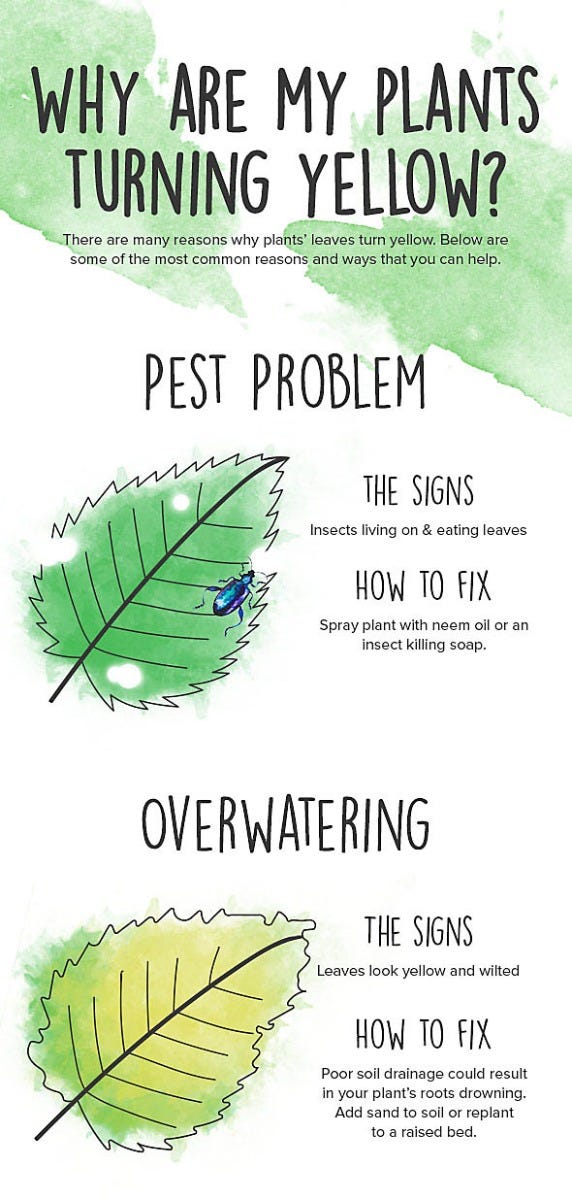
- Overwatering (Anaerobic Conditions): Excess water saturates the soil, displacing oxygen and suffocating root systems. This leads to root rot, hindering nutrient uptake and causing leaves to yellow, often starting with lower leaves. Overwatering represents wasted water resources and can necessitate expensive drainage solutions or plant replacement. It’s a common issue in poorly drained landscapes and potted plants, turning what should be a minimal cost (water) into a significant financial burden.
Environmental Stressors: Mitigating External Threats
External environmental factors can also induce chlorosis and have significant economic consequences.
- Temperature Extremes: Both excessively hot and cold temperatures can stress plants, impairing metabolic functions and leading to yellowing. Late frosts can destroy nascent crops, while heatwaves can scorch foliage and reduce yields, directly impacting agricultural revenues. Protecting sensitive crops with row covers or choosing climate-adapted varieties are economic decisions that mitigate these risks.
- Light Levels: Insufficient light (etiolation) causes plants to stretch and yellow as they struggle to photosynthesize. Conversely, too much intense light can bleach leaves. For indoor growers or nurseries, optimizing lighting conditions is an investment that directly influences product quality and market value.
- Soil pH Imbalance: Soil pH dictates nutrient availability. An imbalance can lock up essential nutrients, even if they are present in the soil, leading to deficiency-induced yellowing. Correcting pH requires soil amendments, an upfront cost that prevents ongoing nutrient deficiencies and maximizes the effectiveness of fertilizer investments.
- Chemical Exposure: Herbicides, pesticides, or even excessive fertilizer application can cause phytotoxicity, resulting in yellow or brown necrotic spots and overall chlorosis. Such incidents can destroy entire plantings, leading to immense financial losses for commercial growers and property owners. Adhering to precise application rates and using appropriate chemicals are essential for protecting plant assets.
Pests and Diseases: Early Detection for Financial Savings
Pests and pathogens directly damage plant tissues, including those responsible for chlorophyll production.
- Sucking Insects (e.g., Aphids, Spider Mites): These pests extract sap from leaves, causing stippling, curling, and yellowing, especially on new growth. Widespread infestations can significantly reduce plant vigor and yield.
- Fungal, Bacterial, and Viral Infections: Many plant diseases cause distinct yellowing patterns, often accompanied by spots, wilting, or stunted growth. These pathogens can spread rapidly, leading to epidemics that wipe out entire crops or ornamental plantings, incurring massive financial losses and the high costs of eradication and prevention.
- Nematodes: These microscopic roundworms attack root systems, impairing nutrient and water uptake, which manifests as yellowing and stunting above ground.
Investing in regular scouting, pest monitoring, and integrated pest management (IPM) strategies is a financially sound approach to prevent infestations from reaching economically damaging thresholds.
Strategic Interventions to Safeguard Plant Investments
Proactive management and timely, informed interventions are critical for preventing chlorosis and protecting the financial value of plant assets.
Soil Testing and Nutrient Management Plans
Regular soil testing (every 3-5 years) is a cost-effective investment that provides a precise nutrient profile and pH assessment. Based on these results, a tailored nutrient management plan can be developed, ensuring that fertilizers are applied efficiently, targeting specific deficiencies without over-application. This prevents wasted expenditure on unnecessary nutrients and avoids phytotoxicity, maximizing financial returns on fertilizer investments and minimizing environmental impact.
Smart Irrigation Systems and Water Conservation
Implementing smart irrigation systems equipped with sensors and weather-based controllers optimizes water usage, preventing both underwatering and overwatering. This conserves water, leading to lower utility bills, and ensures plants receive appropriate moisture, reducing the risk of water-stress-induced chlorosis. Drip irrigation, for instance, delivers water directly to the root zone, significantly reducing water waste and associated costs compared to inefficient overhead sprinklers.
Integrated Pest Management (IPM) for Cost-Effective Solutions
IPM is a holistic, economically driven approach to pest and disease management. It emphasizes monitoring, cultural practices (e.g., proper sanitation, resistant varieties), biological controls (e.g., beneficial insects), and chemical controls only when necessary and targeted. This strategy reduces reliance on expensive and potentially harmful chemical treatments, minimizes environmental risks, and sustains plant health, thus protecting long-term plant asset value. Early detection via regular plant inspections is a cornerstone of IPM, preventing small issues from escalating into major financial burdens.
Cultivar Selection and Site Suitability
Choosing plant varieties (cultivars) that are well-suited to the local climate, soil conditions, and specific site characteristics is a fundamental economic decision. Selecting disease-resistant cultivars or those tolerant to specific soil pH levels can significantly reduce future costs associated with pest control, nutrient amendments, and plant replacement. Ensuring that plants are sited correctly, considering light exposure, drainage, and mature size, prevents stress-induced chlorosis and maximizes their long-term health and economic contribution.
Leveraging Plant Health for Sustainable Financial Growth
Beyond merely preventing losses, understanding and proactively managing plant health can be a significant driver of financial growth and competitive advantage.
Enhancing Product Quality and Marketability
For agricultural producers, preventing yellowing leaves directly translates to higher quality produce, which commands better prices and broader market access. Consumers are willing to pay a premium for fresh, vibrant, and healthy-looking fruits, vegetables, and ornamental plants. Similarly, in the retail plant sector, healthy, lush stock sells faster and at higher prices than sickly specimens, improving inventory turnover and profitability.
Reducing Waste and Operational Costs
By mitigating chlorosis, businesses can significantly reduce waste from unsellable crops or damaged landscape plants. This directly impacts operational efficiency by lowering disposal costs, reducing labor spent on removing unhealthy plants, and optimizing resource allocation. Sustainable practices that ensure plant health also contribute to a greener image, appealing to environmentally conscious consumers and potentially accessing premium markets.
Building a Green Business Reputation
For landscaping companies, nurseries, or agricultural businesses, a reputation for cultivating healthy, vibrant plants is an invaluable asset. It builds trust with clients, attracts new business, and positions the enterprise as a reliable and high-quality provider. This positive brand image, bolstered by consistently healthy plant products, can justify premium pricing and foster long-term customer loyalty, translating into sustained financial success.

Long-term Asset Protection
Plants, especially mature trees and perennial gardens, represent significant long-term investments. Proactive management of factors leading to yellowing leaves protects these assets from decline, prolonging their lifespan and maintaining their aesthetic and ecological value. For property owners, this means preserving or enhancing property values without frequent and costly replacements. For businesses, it secures the productivity of their natural capital, contributing to a robust and sustainable financial future.
In conclusion, the causes of plant leaves turning yellow are multifaceted, but their economic implications are clear and substantial. From direct yield losses in agriculture to diminished property values and increased maintenance costs, chlorosis is a financial liability. By investing in diagnostic tools, implementing intelligent management strategies, and adopting a proactive approach to plant health, individuals and businesses can safeguard their plant investments, optimize resource utilization, and cultivate a path toward greater financial resilience and sustainable growth.
aViewFromTheCave is a participant in the Amazon Services LLC Associates Program, an affiliate advertising program designed to provide a means for sites to earn advertising fees by advertising and linking to Amazon.com. Amazon, the Amazon logo, AmazonSupply, and the AmazonSupply logo are trademarks of Amazon.com, Inc. or its affiliates. As an Amazon Associate we earn affiliate commissions from qualifying purchases.