
The choice between a natural diamond and its alternatives represents a significant financial decision for consumers, often intertwining personal sentiment with practical economic considerations. For centuries, natural diamonds have held a unique position as symbols of wealth, commitment, and enduring value. However, the emergence of advanced technologies has introduced alternatives that challenge this hegemony, prompting a re-evaluation of what constitutes value in the realm of precious stones. Understanding the financial implications of each option — natural diamonds, lab-grown diamonds, moissanite, and cubic zirconia — is crucial for making an informed purchasing decision that aligns with one’s personal finance strategy.
The Enduring Value Proposition of Natural Diamonds
Natural diamonds, formed deep within the Earth over billions of years, have long been lauded for their inherent rarity and historical significance. These geological marvels have traditionally commanded premium prices, underpinned by a sophisticated global supply chain and astute marketing strategies that have cemented their status as luxury goods. From a financial perspective, their appeal has often been tied to perceived scarcity and a history of appreciating value, although this perception requires nuanced understanding.
Rarity and Perceived Scarcity
The true rarity of gem-quality natural diamonds is a complex issue. While certain sizes and qualities are indeed rare, the market for commercial-grade diamonds is vast. However, the diamond industry has historically managed supply to maintain an impression of scarcity, which in turn supports higher prices. This controlled supply, coupled with intensive marketing campaigns, has cultivated a demand that often outstrips the visible supply, thereby contributing to the high retail cost. Consumers purchasing natural diamonds are, in part, paying for this carefully constructed narrative of exclusivity and ancient geological provenance.
Market Dynamics and Pricing
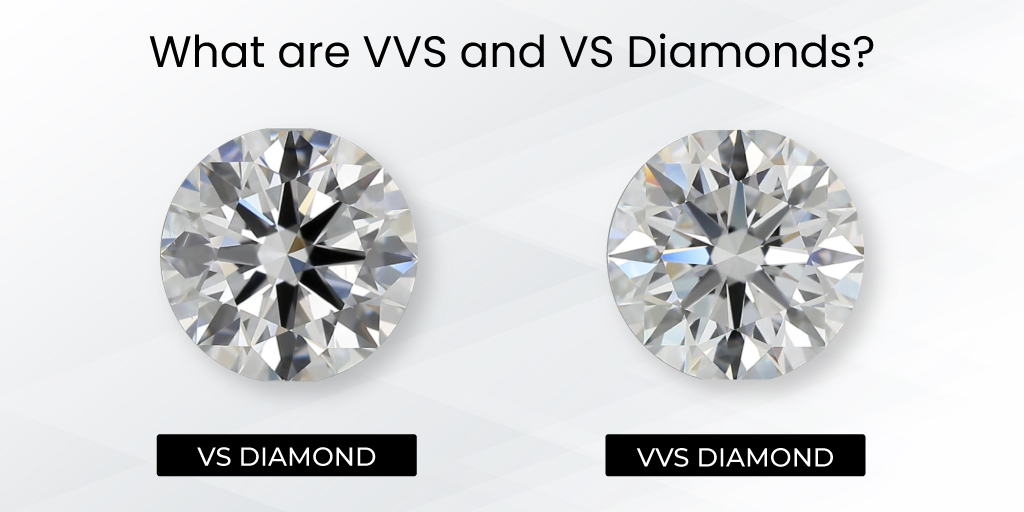
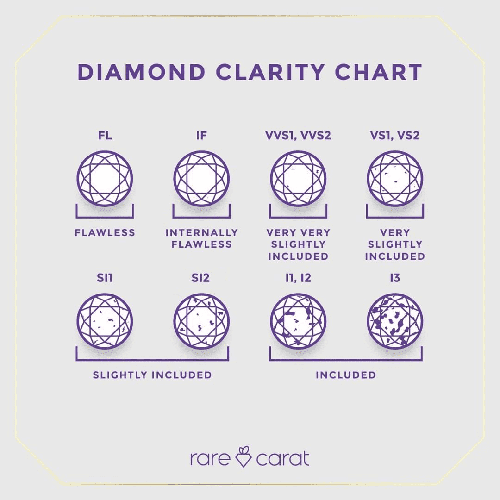
The pricing of natural diamonds is determined by the “4 Cs”: Carat weight, Cut, Color, and Clarity. Beyond these fundamental characteristics, market dynamics, including mining costs, cutting and polishing expenses, certification, and retailer markups, significantly influence the final price tag. The global diamond market is influenced by a few major players who control a substantial portion of the rough diamond supply, allowing them to exert considerable influence over pricing. For consumers, this translates into a retail price that reflects not just the intrinsic value of the stone, but also the extensive infrastructure and branding efforts required to bring it to market. This often results in a significant premium over the cost of production.
Investment Considerations and Resale Value
Historically, natural diamonds have often been perceived as investments, a belief heavily influenced by marketing. However, from a purely financial investment standpoint, gem-quality diamonds rarely appreciate in value sufficiently to outpace inflation or provide competitive returns compared to other asset classes like stocks or real estate. The retail markup on new diamonds is substantial, meaning that the immediate resale value of a diamond is typically significantly lower than its purchase price, often 20-50% less. While certain extremely rare, large, and historically significant diamonds can fetch high prices at auction, these are outliers. For the average consumer, a diamond purchase should primarily be viewed as a luxury expenditure for personal enjoyment and symbolic value, rather than a sound financial investment instrument.
Emergence of Lab-Grown Diamonds: A Financial Disruptor
Lab-grown diamonds, also known as synthetic, cultured, or engineered diamonds, are chemically, physically, and optically identical to natural diamonds. The critical distinction lies in their origin: they are created in controlled laboratory environments using advanced technological processes rather than being extracted from the Earth. This distinction has profound financial implications, particularly for consumers seeking ethical sourcing and greater affordability.
Production Methods and Cost Efficiency
Lab-grown diamonds are produced primarily through two methods: High-Pressure/High-Temperature (HPHT) and Chemical Vapor Deposition (CVD). Both processes mimic the natural conditions under which diamonds form but achieve it in a matter of weeks rather than eons. The ability to control the growth environment allows for the consistent production of high-quality stones with fewer inclusions and often better color than many natural diamonds of similar size. Crucially, the scalability and industrial nature of these production methods lead to significantly lower manufacturing costs compared to the immense capital expenditure and operational costs associated with diamond mining and distribution.
Pricing Structure and Consumer Savings
The most striking financial advantage of lab-grown diamonds is their price point. Generally, lab-grown diamonds are 30-50% (and sometimes more) less expensive than natural diamonds of comparable carat weight, cut, color, and clarity. This substantial discount makes larger, higher-quality diamonds accessible to a broader consumer base. For example, a consumer might be able to afford a 2-carat lab-grown diamond for the price of a 1-carat natural diamond, allowing them to maximize the visual impact and perceived value of their purchase without compromising on aesthetic appeal or inherent characteristics. This economic leverage is a major driver of their increasing market penetration.
Market Acceptance and Future Valuation
Initially met with skepticism, lab-grown diamonds have gained significant market acceptance, especially among younger demographics who prioritize ethical sourcing and value. Major retailers now offer them alongside natural diamonds, and independent grading laboratories like GIA and IGI provide certification. The future valuation of lab-grown diamonds is a topic of ongoing debate. While their prices are likely to remain lower than natural diamonds due to controlled production, their long-term value appreciation potential is yet to be fully established. As production methods become even more efficient, prices may continue to decline. However, for consumers, their initial affordability and identical characteristics make them a compelling financial alternative to natural diamonds for jewelry and personal adornment.
Moissanite and Cubic Zirconia: Budget-Friendly Alternatives
Beyond lab-grown diamonds, other diamond simulants offer even more budget-friendly options, each with its own set of characteristics and financial trade-offs. Moissanite and Cubic Zirconia (CZ) are the two most common simulants, visually resembling diamonds but possessing different chemical compositions and physical properties.
Moissanite: Durability Meets Affordability
Moissanite is a naturally occurring mineral (silicon carbide) that is extremely rare. Nearly all moissanite used in jewelry today is lab-created. It boasts remarkable brilliance and fire (dispersion of light into spectral colors), often exceeding that of a diamond. With a Mohs hardness rating of 9.25, it is second only to diamonds (10) among gemstones, making it highly durable and suitable for everyday wear. Financially, moissanite offers an exceptional value proposition. It is significantly less expensive than both natural and lab-grown diamonds, typically costing a fraction of their price for comparable sizes. This makes it an attractive option for consumers prioritizing durability and sparkle at a much lower financial outlay, freeing up capital for other investments or purchases.
Cubic Zirconia: Aesthetic Appeal at Minimal Cost
Cubic Zirconia (CZ) is a synthesized crystalline material that is colorless, hard, and optically flawless. It is the most common and least expensive diamond simulant available. While it can mimic the appearance of a diamond very effectively, especially when new, it is softer (Mohs hardness of 8–8.5) and more porous than diamonds or moissanite. This means CZ is more prone to scratching, chipping, and absorbing oils, which can lead to a cloudy appearance over time. From a financial perspective, CZ is the ultimate budget option, costing mere dollars for stones that would command thousands or tens of thousands if they were diamonds. It serves as an excellent temporary stone, a fashion piece, or a placeholder, allowing consumers to achieve a desired aesthetic without any significant financial commitment. Its low cost, however, reflects its limited durability and lack of long-term value.
Financial Trade-offs and Consumer Expectations
The choice between natural diamonds, lab-grown diamonds, moissanite, and CZ involves a direct trade-off between cost, perceived prestige, durability, and long-term value. For those seeking maximum prestige and potential, albeit limited, appreciation, a natural diamond might be chosen. For optimal financial efficiency, identical aesthetics, and ethical sourcing, lab-grown diamonds excel. Moissanite offers an excellent balance of durability and exceptional sparkle at a fraction of the cost. CZ provides a very low-cost visual appeal for short-term wear. Consumers must align their budget, priorities, and expectations regarding durability and long-term financial relevance with the specific characteristics of each option.
Navigating the Financial Landscape of Diamond Alternatives
The diverse array of diamond options available today empowers consumers with more choices than ever before. Understanding the financial nuances of each category is paramount to making a judicious decision that aligns with personal values and financial planning.
Cost-Benefit Analysis for Consumers
When evaluating diamonds versus alternatives, a thorough cost-benefit analysis is essential. For many, the substantial price difference between natural diamonds and lab-grown alternatives or simulants frees up considerable capital. This saved money can be allocated to other significant life purchases, such as a down payment on a home, investment in a retirement fund, or funding an education. The “opportunity cost” of choosing a natural diamond over a more affordable alternative is often overlooked; the money spent on a premium natural stone could potentially yield greater financial returns if invested elsewhere. For those prioritizing visual size and sparkle within a defined budget, lab-grown diamonds or moissanite offer superior aesthetic value per dollar spent.
Long-Term Financial Implications
The long-term financial implications vary significantly. Natural diamonds, while holding emotional and symbolic value, generally do not appreciate sufficiently to be considered sound financial investments. Their resale market is typically inefficient for the average consumer, resulting in a loss of initial capital. Lab-grown diamonds, being a newer market, have an uncertain long-term resale value, with current trends suggesting prices may stabilize or even decrease slightly as production scales. However, their lower initial cost means the potential for financial ‘loss’ upon resale is also proportionally smaller. Moissanite and CZ are purchased for their aesthetic and immediate use value rather than any expectation of future financial return. For these options, the financial benefit lies entirely in the initial savings and the ability to enjoy the beauty of the stone without a substantial capital outlay.

Ethical Sourcing and Market Premiums
The financial decision also intersects with ethical considerations. The natural diamond industry has faced scrutiny regarding “conflict diamonds” and environmental impact. While efforts have been made to certify conflict-free diamonds, the supply chain remains complex. Lab-grown diamonds offer a guaranteed conflict-free and often more environmentally conscious option, which some consumers are willing to pay a premium for, or conversely, benefit from lower prices due to reduced ethical supply chain costs. The “premium” for ethical sourcing can manifest either as a willingness to pay for certified natural diamonds or as a financial benefit through the lower cost of lab-grown alternatives that inherently bypass these concerns. Ultimately, the best choice is one that balances personal budget, desired aesthetic, durability needs, and ethical considerations, ensuring that the significant financial commitment aligns with a holistic understanding of value.
aViewFromTheCave is a participant in the Amazon Services LLC Associates Program, an affiliate advertising program designed to provide a means for sites to earn advertising fees by advertising and linking to Amazon.com. Amazon, the Amazon logo, AmazonSupply, and the AmazonSupply logo are trademarks of Amazon.com, Inc. or its affiliates. As an Amazon Associate we earn affiliate commissions from qualifying purchases.