
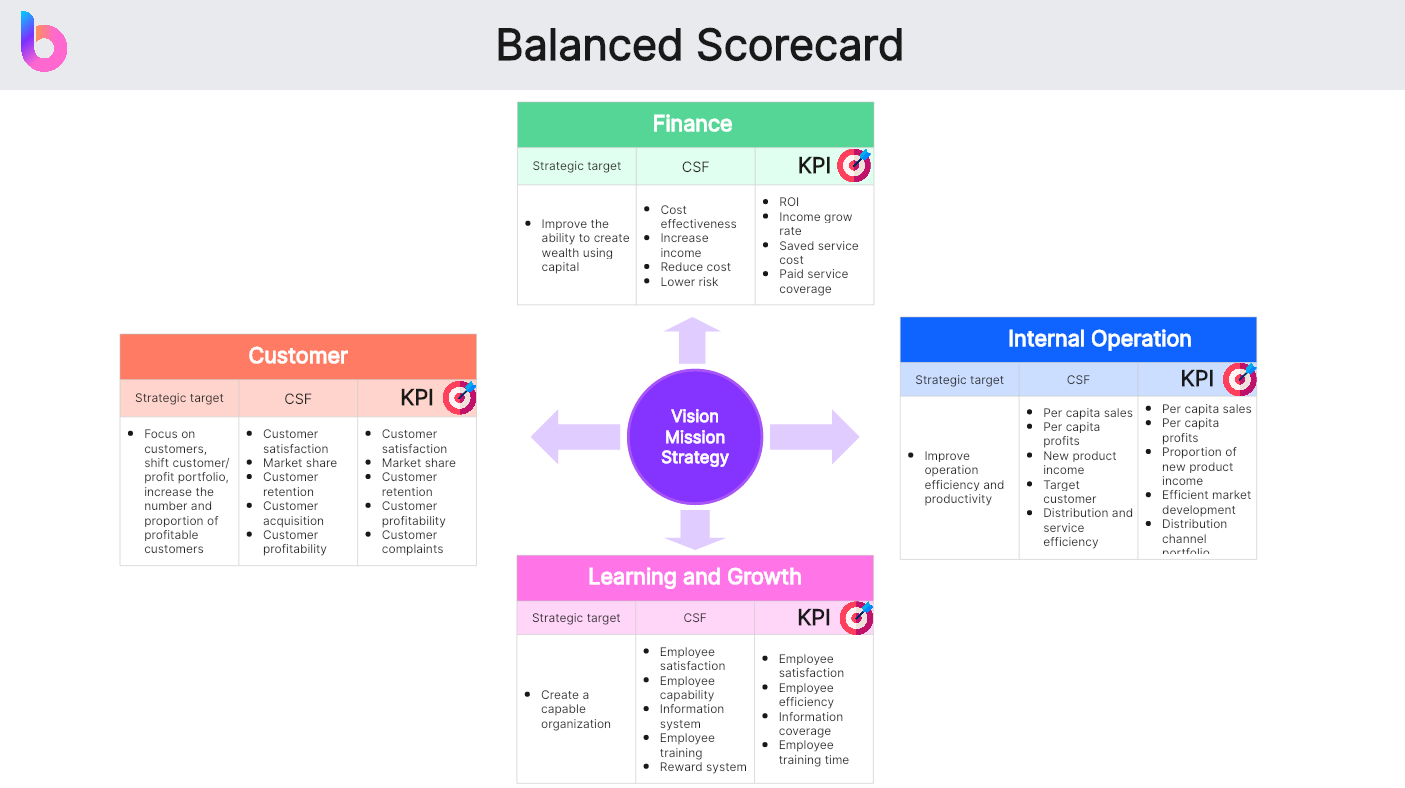
The Balanced Scorecard (BSC) is a pivotal strategic performance management framework, renowned for its ability to transcend purely financial metrics and provide a holistic view of organizational performance. Developed by Robert Kaplan and David Norton, it is not merely a measurement system but a strategic management system that translates an organization’s vision and strategy into tangible objectives and indicators across four critical perspectives. For businesses operating in the complex financial landscape, understanding these indicators is paramount to achieving sustainable growth, managing risk, and optimizing profitability. It ensures that strategic financial goals are supported by operational excellence, customer satisfaction, and a robust capacity for innovation and learning.
The Genesis and Purpose of the Balanced Scorecard in Business Finance
Before the advent of the Balanced Scorecard, many businesses relied almost exclusively on traditional financial indicators like revenue, profit margins, and return on investment to gauge success. While these metrics are undeniably crucial for assessing past performance, they often fail to capture the underlying drivers of future financial success or provide insights into non-financial factors that influence long-term value creation. The BSC emerged to address this critical gap.
Its core purpose in business finance is to provide executives with a comprehensive framework for communicating strategic objectives, measuring performance against those objectives, and ensuring that all facets of the organization are aligned towards achieving the overarching financial vision. It acts as a bridge between strategic planning and execution, allowing companies to monitor both the financial and non-financial aspects that contribute to their financial health and competitive advantage. By presenting a ‘balanced’ set of indicators, the BSC compels management to look beyond short-term financial gains and consider the investments in customers, processes, employees, and technology that are vital for future profitability and market leadership. This integrated approach is essential for any modern business aiming for strategic financial management and sustained economic viability.
The Four Core Perspectives: A Holistic View of Business Finance
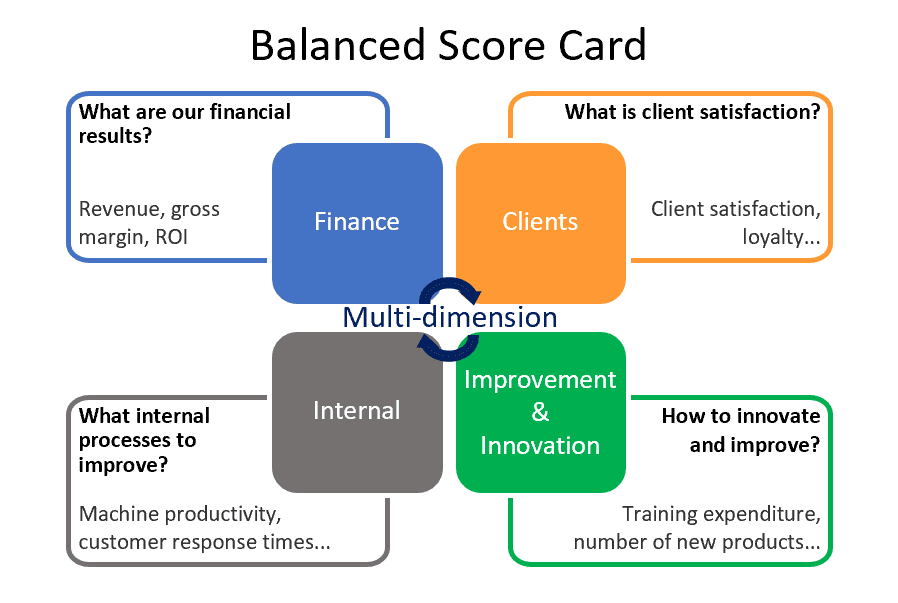
The power of the Balanced Scorecard lies in its quartet of interconnected perspectives, each offering a unique lens through which to evaluate organizational performance and its impact on the bottom line. These perspectives move beyond a singular focus on financial results, encouraging a comprehensive assessment of what drives those results, both now and in the future.
Financial Perspective: The Ultimate Bottom Line
The Financial Perspective answers the fundamental question: “How do we look to shareholders?” This is the cornerstone of the Balanced Scorecard, as it reflects the ultimate economic consequences of all strategic decisions and operational activities. While the BSC seeks to expand beyond purely financial metrics, this perspective remains critical for confirming whether the organization’s strategy, execution, and improvements in other areas are ultimately translating into tangible financial returns.
Key indicators within this perspective often revolve around:
- Profitability: Gross profit margin, net profit margin, operating income, earnings per share (EPS). These directly measure the efficiency with which a company generates profit from its sales and operations.
- Revenue Growth: Sales growth, market share percentage, revenue from new products/services. These indicate the company’s ability to expand its income streams and capture new market opportunities.
- Asset Utilization and Efficiency: Return on Investment (ROI), Return on Equity (ROE), asset turnover ratio, working capital management. These metrics assess how effectively the company is using its assets to generate income and manage its capital structure.
- Shareholder Value: Stock price appreciation, dividend yield, economic value added (EVA). For public companies, these indicators directly reflect the value being created for investors.
- Cost Management: Cost per unit, overhead costs as a percentage of revenue, cost reduction initiatives. Efficient cost control directly impacts profitability and competitive pricing strategies.
These financial indicators are the lagging indicators, showing the results of past actions. They are crucial for assessing the effectiveness of the business’s overall strategy and its contribution to shareholder wealth.
Customer Perspective: Driving Revenue Through Satisfaction
The Customer Perspective addresses: “How do customers see us?” In today’s competitive environment, customer satisfaction and loyalty are direct precursors to revenue growth and sustained profitability. A company cannot achieve its financial objectives without understanding and meeting the needs of its target customers. This perspective helps organizations define their target market and measure their performance in attracting, retaining, and growing relationships with those customers.
Relevant indicators typically include:
- Customer Satisfaction: Customer satisfaction scores (CSAT), Net Promoter Score (NPS), customer feedback ratings. High satisfaction often translates to repeat business and positive word-of-mouth.
- Customer Retention: Retention rates, churn rates, loyalty program participation. Keeping existing customers is generally more cost-effective than acquiring new ones and ensures a stable revenue base.
- Customer Acquisition: Number of new customers, cost per acquisition, market penetration rate. These measure the effectiveness of marketing and sales efforts in expanding the customer base.
- Customer Profitability: Profitability by customer segment, average revenue per user (ARPU). Not all customers are equally profitable, and understanding this helps allocate resources effectively.
- Market Share: Percentage of the total market captured. A growing market share can indicate strong competitive positioning and future revenue potential.
By excelling in these customer-centric areas, businesses build a foundation for strong financial performance. Happy customers lead to increased sales, higher retention, and a stronger brand, all of which directly contribute to the financial well-being of the organization.
Internal Business Process Perspective: Operational Efficiency and Value Creation
This perspective asks: “What must we excel at?” It focuses on the internal operations that are critical for delivering value to customers and ultimately achieving financial objectives. Excellence in internal processes means efficient operations, high-quality products or services, and innovative capabilities that differentiate the company in the market. Optimizing these processes often leads to cost reductions, increased efficiency, and faster delivery, all of which positively impact financial performance.
Key indicators here include:
- Operational Excellence: Process cycle time, defect rates, production yield, on-time delivery, cost per transaction. These measure the efficiency and quality of core business processes.
- Innovation: Number of new product launches, time-to-market for new products, R&D spending as a percentage of revenue, patent applications. Innovation is vital for future revenue streams and competitive advantage.
- Post-Sales Service: Customer support response time, resolution rates, warranty claims. Excellent service can enhance customer satisfaction and reduce return rates, impacting profitability.
- Supply Chain Management: Inventory turnover, supplier defect rates, lead times. Efficient supply chains reduce costs and improve responsiveness.
Improving internal business processes is a leading indicator for customer satisfaction and financial results. Streamlined operations reduce costs, enhance quality, and accelerate product delivery, all contributing to superior financial outcomes.
Learning & Growth Perspective: Fueling Future Financial Performance
The Learning & Growth Perspective addresses: “Can we continue to improve and create value?” This perspective focuses on the intangible assets that are crucial for an organization’s long-term growth and its ability to innovate and adapt. It emphasizes the importance of human capital, information capital, and organizational capital as the foundations for driving improvements in the other three perspectives and sustaining future financial performance. Without continuous learning and growth, a company risks stagnation and falling behind competitors.
Important indicators include:
- Human Capital: Employee satisfaction and engagement scores, employee retention rate, training hours per employee, skill development metrics, employee productivity. A skilled and motivated workforce is essential for innovation and operational excellence.
- Information Capital: IT infrastructure availability, data accuracy, effectiveness of strategic information systems, digital transformation progress. Robust information systems support efficient processes and data-driven decision-making.
- Organizational Capital: Culture of innovation, employee empowerment, strategic alignment of individual goals with organizational objectives, leadership effectiveness. A supportive culture fosters continuous improvement and strategic execution.
Investing in learning and growth is a critical leading indicator for future financial health. A knowledgeable, skilled, and motivated workforce, supported by robust technological infrastructure and a positive organizational culture, drives innovation, enhances internal processes, improves customer satisfaction, and ultimately secures long-term financial success.
Integrating Indicators for Strategic Financial Alignment
The true genius of the Balanced Scorecard lies not in the individual indicators, but in their integration. The four perspectives are not isolated silos but are linked through cause-and-effect relationships that articulate the organization’s strategy. For example, improvements in the Learning & Growth perspective (e.g., employee training) lead to better Internal Business Processes (e.g., higher quality, faster cycle times), which in turn enhance the Customer Perspective (e.g., greater satisfaction, more loyalty), ultimately culminating in superior Financial Perspective outcomes (e.g., increased revenue, higher profits).
This strategic alignment transforms the BSC into a strategic map, visually demonstrating how operational improvements and investments in intangible assets lead directly to desired financial results. By understanding these causal links, businesses can prioritize initiatives and allocate financial resources more effectively, ensuring that every action contributes to the overarching strategic financial goals. Key Performance Indicators (KPIs) within each perspective are chosen precisely because they are critical levers for driving these interconnected improvements.
Implementing the Balanced Scorecard for Financial Acumen
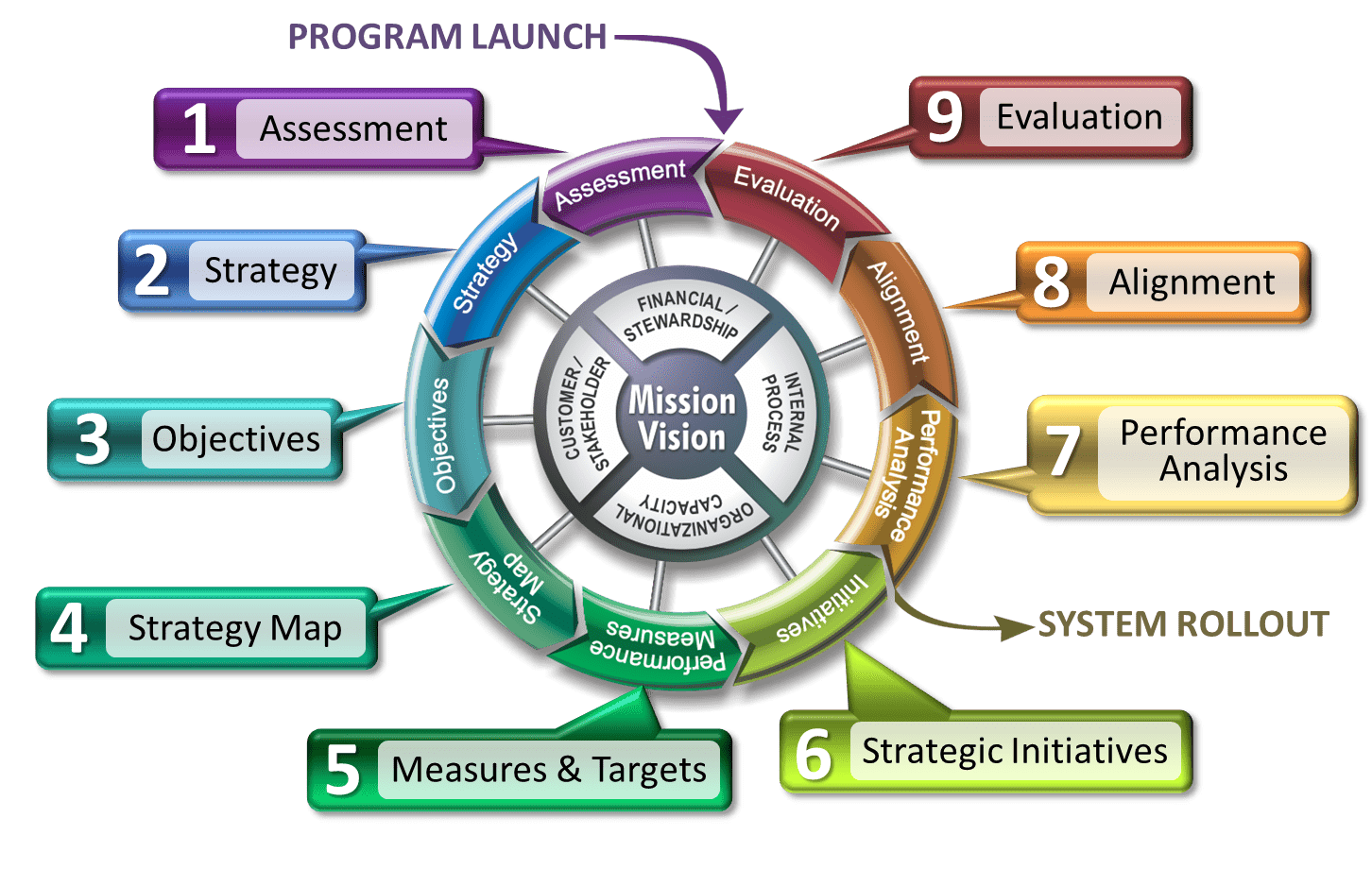
Implementing the Balanced Scorecard is a journey that significantly enhances a business’s financial acumen. It involves several key steps:
- Translating the Vision: Defining clear, measurable strategic objectives for each of the four perspectives, ensuring they are aligned with the company’s financial goals.
- Defining Measures (KPIs): Selecting specific KPIs for each objective, complete with targets and benchmarks. These KPIs must be quantifiable and relevant to financial outcomes.
- Strategic Initiatives: Identifying and launching programs and projects designed to achieve the targets set for the KPIs. These initiatives often require significant financial investment but promise future returns.
- Monitoring and Adapting: Regularly reviewing performance against targets, analyzing variances, and adjusting strategies or initiatives as needed. This continuous feedback loop is vital for maintaining financial health and strategic agility.
By systematically applying the Balanced Scorecard, organizations gain a clearer understanding of their financial drivers and the non-financial factors that influence them. It becomes a powerful tool for resource allocation, strategic communication, and performance monitoring, empowering businesses to make more informed financial decisions, navigate market challenges, and achieve sustainable economic prosperity. The BSC helps businesses not just track their financial status, but actively manage their future financial destiny by understanding the indicators that truly drive value.
aViewFromTheCave is a participant in the Amazon Services LLC Associates Program, an affiliate advertising program designed to provide a means for sites to earn advertising fees by advertising and linking to Amazon.com. Amazon, the Amazon logo, AmazonSupply, and the AmazonSupply logo are trademarks of Amazon.com, Inc. or its affiliates. As an Amazon Associate we earn affiliate commissions from qualifying purchases.