
In the era of the quantified self, the question of when to exercise has evolved from a matter of personal preference to a sophisticated data-science challenge. Traditionally, gym-goers relied on anecdotal evidence or basic schedules to decide between a pre-work sweat session or a late-night lift. However, the integration of wearable technology, artificial intelligence (AI), and the Internet of Things (IoT) has transformed the fitness landscape. Determining the “best” time to go to the gym is no longer about following a general rule of thumb; it is about synchronizing one’s internal biological clock with real-time external data streams to maximize physiological output and logistical efficiency.
As digital tools become more embedded in our daily lives, we can now use predictive analytics and real-time monitoring to identify the precise windows where our bodies are most primed for exertion and when the physical infrastructure of the gym is most accessible. This intersection of tech and fitness allows for an unprecedented level of optimization, turning a routine workout into a precision-engineered performance event.
Predictive Analytics and the Science of Biological Readiness
The most significant shift in modern fitness technology is the move from reactive monitoring to proactive readiness analysis. Today’s high-end wearables and health platforms do not just tell you what you did; they tell you what you are capable of doing at any given hour.
HRV and Recovery Algorithms
Heart Rate Variability (HRV) has emerged as the gold-standard metric for determining the body’s state of recovery and its readiness for stress. Leading gadgets like the Whoop Strap, Oura Ring, and Garmin’s high-end fenix series use proprietary algorithms to analyze HRV during sleep. These devices calculate a “Readiness Score” or “Body Battery” that indicates the optimal time for high-intensity training.
By analyzing the autonomic nervous system, these tools can signal whether a 6:00 AM workout will be productive or detrimental. If the algorithm detects a low HRV—indicating that the sympathetic nervous system is overactive—the “best” time to go to the gym might actually be pushed to the evening or delayed by 24 hours. This data-driven approach prevents overtraining and ensures that gym time is spent during periods of peak neurological and muscular readiness.
Sleep Tracking and Cognitive Load Analysis
Advanced sleep-tracking software provides deep insights into the body’s circadian rhythms. Apps like Rise Science utilize historical sleep data to map out an individual’s “energy peaks” and “dips” throughout the day. For most users, technology identifies two primary windows of peak physical performance: one in the late morning and another in the late afternoon.
By integrating these sleep-tracking insights with productivity software, users can identify their “biological prime time.” For a tech-savvy professional, the best time to hit the gym is often identified as the window immediately following a cognitive dip, using physical exertion as a mechanical reset for the brain, a process supported by real-time metabolic data.
Utilizing IoT and Real-Time Occupancy Data
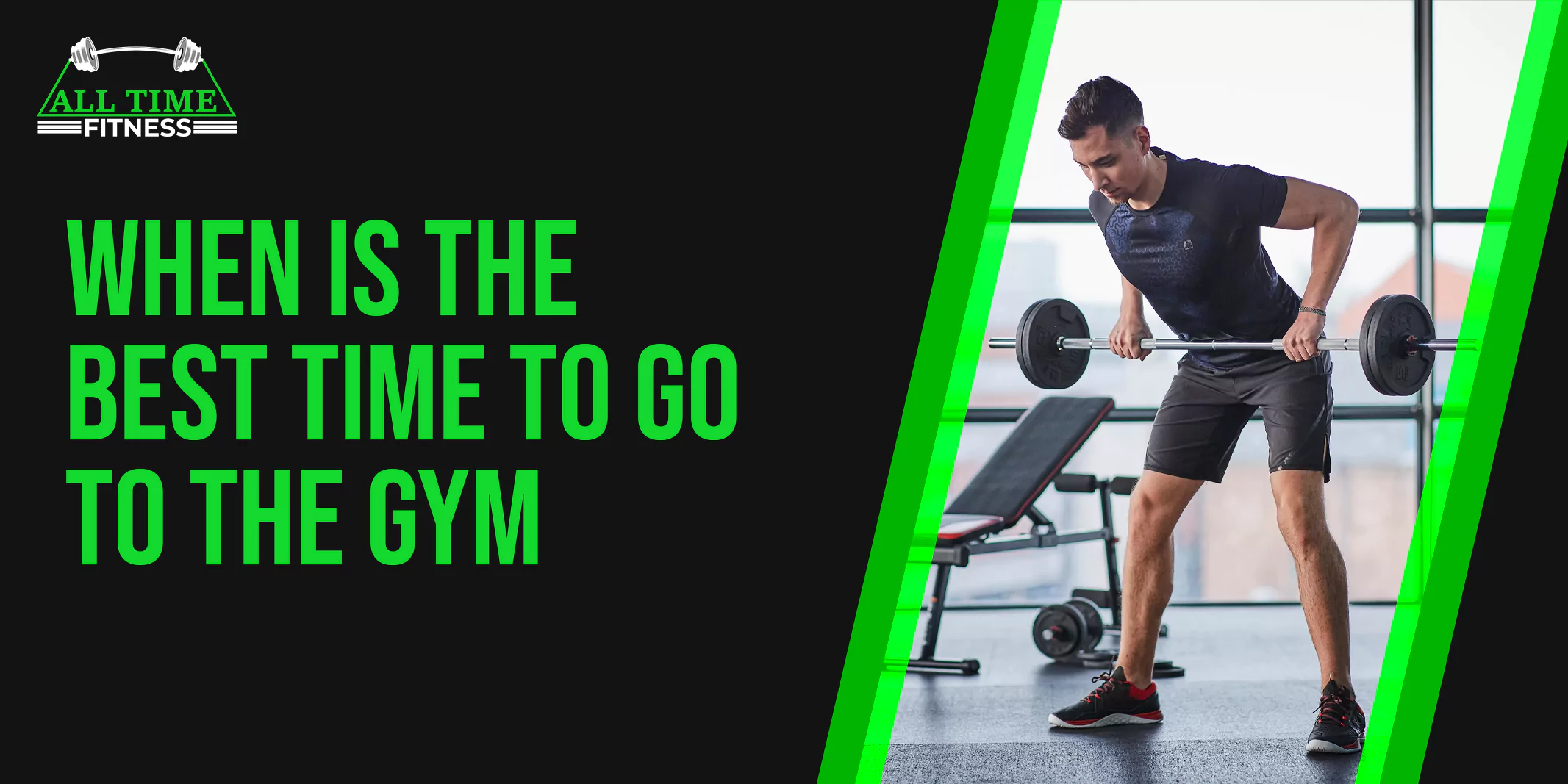
While biological readiness tells us when we should train, the physical reality of gym occupancy often dictates when we can train effectively. The friction of waiting for equipment or navigating a crowded weight room can diminish the efficiency of a workout. Modern smart gyms are solving this through the implementation of IoT sensors and computer vision.
Crowd-Sensing and API Integration
Modern gym management software, such as Mindbody or ABC Fitness Solutions, now frequently includes real-time occupancy tracking. Many high-end fitness centers have installed infrared sensors and heat-mapping technology at entry points and across the gym floor. This data is fed into member-facing apps, allowing users to see a live “busyness” meter before they leave their homes.
Furthermore, Google Maps’ “Popular Times” feature utilizes anonymized location data from millions of smartphones to provide historical and real-time traffic patterns for specific gym locations. The sophisticated user can leverage these APIs to identify “valleys” in the data—those specific 45-minute windows where equipment utilization is lowest. In many urban tech hubs, data suggests that the “sweet spot” often occurs between 1:30 PM and 3:30 PM, or after 8:30 PM, periods that are increasingly visible through digital transparency.
Smart Equipment Availability Tracking
The next frontier of gym technology involves the “connected floor.” Companies like EGYM and Technogym are deploying ecosystems where every piece of equipment is connected to a central cloud. Through a smartphone app, a user can check not only if the gym is crowded but specifically if the power racks or cable machines are currently in use.
This level of granular data allows for the optimization of “Time Under Tension” and overall session duration. If the data indicates a high wait time for specific equipment, the software can suggest an alternative “best time” or even dynamically reroute the user’s digital workout plan to utilize available machines, ensuring that the time spent in the facility is maximized for ROI.
AI-Enhanced Scheduling and Circadian Optimization
Artificial Intelligence is increasingly acting as a bridge between our complex professional schedules and our physical health goals. AI-driven calendar assistants are now capable of identifying the most efficient gym windows by cross-referencing multiple data sets.
Integrating Health Data with Smart Calendars
Tools like Reclaim.ai or Motion use machine learning to protect “habit blocks” for exercise. These AI schedulers can analyze a user’s meeting load, commute times, and even local weather patterns to slot in gym sessions during periods of high biological energy.
If a user’s wearable tech indicates a poor recovery score, a sophisticated AI assistant can automatically shift the gym block to a later time or swap a high-intensity session for a recovery-focused one. This eliminates the “decision fatigue” of when to go, as the software determines the best time based on the synergy between professional demands and physiological capacity.
Algorithmic Training Adjustments
Beyond just scheduling, AI trainers—such as those found in apps like Fitbod or JuggernautAI—adjust the workout intensity based on the time of day. Since body temperature and hormone levels (like cortisol and testosterone) fluctuate according to a 24-hour cycle, these apps use data to suggest that strength-focused sessions are best performed in the late afternoon when body temperature peaks, while cardiovascular endurance may be better suited for the morning hours. This algorithmic guidance ensures that the “time” chosen for the gym aligns with the specific metabolic goals of the session.
The Rise of Digital Fitness Ecosystems and Asynchronous Training
As technology moves fitness from the communal gym to the home and the “metaverse,” the concept of the “best time” is being redefined by the removal of physical constraints.
Virtual Reality (VR) and Augmented Reality (AR) Solutions
Platforms like Supernatural (on Meta Quest) or FitXR allow users to enter a high-quality gym environment at any second of the day. VR technology removes the “commute cost” from the equation, making the best time to go to the gym “whenever you have 20 minutes.” These platforms use gamification and spatial computing to provide a level of intensity that rivals in-person training, all while capturing precision data on movement velocity and range of motion.
The “Anytime” Digital Gym
Smart home hardware like Tonal or Mirror leverages electromagnetic resistance and computer vision to provide a professional-grade gym experience 24/7. Tonal’s software, for example, tracks every pound lifted and uses AI to adjust weight in real-time. For a remote worker, the best time to go to the “gym” might be a 15-minute high-intensity block between Zoom calls. This asynchronous training model, powered by cloud computing, means that peak performance windows are no longer dictated by a facility’s operating hours or the local rush hour.
Cybersecurity and Ethical Data Management in Fitness Tech
As we rely more heavily on technology to dictate our fitness schedules, the security of that data becomes paramount. The “best time to go to the gym” is sensitive information; it reveals when a person is away from their home and provides a detailed map of their daily habits.
Biometric Security and Access Control
Modern gyms are increasingly adopting biometric access—fingerprint scanners, facial recognition, or encrypted NFC tokens—to streamline entry and enhance security. While this technology makes it easier to visit the gym during off-peak hours (such as 2:00 AM at 24-hour facilities), it also necessitates robust digital security frameworks. Users must ensure that the gym’s tech stack is SOC2 compliant and that their biometric data is encrypted and stored locally whenever possible.

Protecting Sensitive Health Metrics
The integration of health data across platforms (e.g., syncing an Apple Watch with a gym’s equipment) creates a vast digital footprint. Leading tech firms in the fitness space are now focusing on “Differential Privacy” to allow for crowd-level data analysis—such as determining the best time to visit based on total occupancy—without compromising the identity or specific health metrics of individual members. As we move forward, the “best time” to engage with fitness technology will be in an environment where data utility is balanced with rigorous privacy protections.
In conclusion, the best time to go to the gym is no longer a static choice. It is a dynamic, data-driven decision influenced by wearable biofeedback, IoT-enabled facility monitoring, and AI-powered scheduling. By embracing these technological tools, individuals can move beyond guesswork and align their physical efforts with their biological reality and the digital pulse of their environment.
aViewFromTheCave is a participant in the Amazon Services LLC Associates Program, an affiliate advertising program designed to provide a means for sites to earn advertising fees by advertising and linking to Amazon.com. Amazon, the Amazon logo, AmazonSupply, and the AmazonSupply logo are trademarks of Amazon.com, Inc. or its affiliates. As an Amazon Associate we earn affiliate commissions from qualifying purchases.