
The Enduring Brand of 007: A Legacy Defined
The question “what are the best Bond movies” transcends mere cinematic preference; it’s an inquiry into the very essence of a global brand that has captivated audiences for over six decades. James Bond is more than a film character; he is a meticulously crafted brand identity, synonymous with sophistication, adventure, espionage, and a certain audacious charm. From the iconic gun barrel sequence to the meticulously designed title sequences and the unmistakable theme music, every element contributes to a brand experience that is instantly recognizable and deeply resonant. The “best” Bond movies are not just critically acclaimed films; they are pivotal entries that have either defined the brand, successfully revitalized it, or profoundly deepened its narrative and emotional impact, thereby securing its extraordinary longevity and cultural omnipresence.
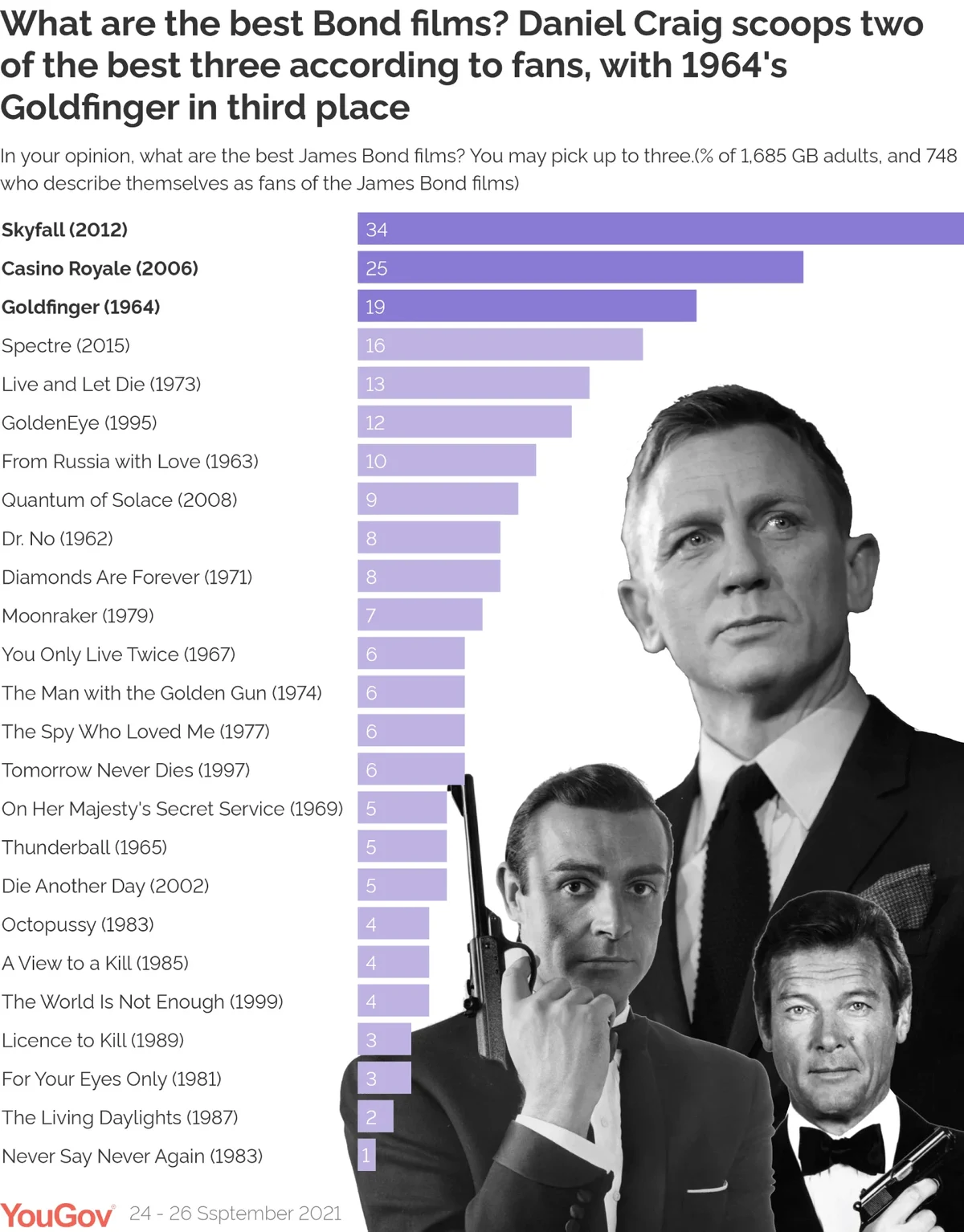
Understanding what makes a Bond movie “best” from a brand perspective involves analyzing its ability to reinforce core brand values while simultaneously innovating just enough to prevent stagnation. The franchise’s strength lies in its consistent adherence to a well-established formula – the charismatic secret agent, exotic locales, dastardly villains, ingenious gadgets, and beautiful allies – but also in its capacity for reinvention. The truly standout films are those that strike this delicate balance, proving that even a heritage brand can evolve without losing its soul. These films serve as case studies in brand management, showcasing how to maintain relevance, attract new demographics, and continually enrich the brand narrative for a devoted global audience.
Crafting Brand Identity Through Iconic Entries
The evolution of the James Bond brand is visible through its most celebrated films. Each “best” entry often marks a significant moment in defining, refining, or reimagining the 007 persona and the universe he inhabits.
“Goldfinger” and the Archetypal Bond Formula
Often cited as the definitive Bond film, 1964’s Goldfinger is a masterclass in brand establishment. It solidified virtually every trope that would become synonymous with the James Bond brand. Sean Connery, in his third outing as 007, perfected the suave yet lethal persona. The film introduced an iconic villain (Auric Goldfinger), a memorable henchman (Oddjob with his lethal hat), a quintessential Bond girl (Pussy Galore), and the gadget-laden Aston Martin DB5, which became a brand icon in itself. Shirley Bassey’s powerful theme song set a precedent for future Bond anthems.
From a brand perspective, Goldfinger created a robust blueprint. It established the core brand promise: thrilling escapism, high stakes, global glamour, and ingenious gadgetry. The film’s commercial success proved the viability of this brand identity, making it the benchmark against which all subsequent Bond films would be measured. Its influence on popular culture was immense, cementing James Bond as a global phenomenon and providing a strong, repeatable framework for the franchise’s continued success. The film didn’t just tell a story; it articulated the brand’s distinct voice, aesthetic, and aspirational lifestyle.
“Casino Royale”: Reinvigorating a Classic Brand
By the early 2000s, the James Bond brand, while still beloved, faced challenges. After two decades of varying tones and critical receptions, a significant brand refresh was needed. Casino Royale (2006) delivered this with audacious precision, successfully rebooting the franchise and introducing Daniel Craig as a grittier, more vulnerable, yet equally compelling Bond. This film was a strategic masterstroke in brand revitalization.
The movie stripped away some of the fantastical elements that had become dominant in earlier eras, opting for a more grounded and character-driven narrative. It delved into Bond’s origins, showcasing his journey to earning his 00 status and exploring the emotional toll of his profession. This “back to basics” approach re-engaged audiences who craved substance alongside spectacle. Crucially, Casino Royale maintained the core brand tenets—elegance, action, and international intrigue—while injecting a modern sensibility that resonated with a contemporary audience. It proved that a heritage brand could adapt, shed superficial layers, and rediscover its core appeal without sacrificing its legacy. The film’s success validated the decision to evolve the brand while preserving its fundamental identity, demonstrating a deep understanding of market perception and audience expectations.
“Skyfall”: A Deep Dive into Brand Lore and Resilience
Skyfall (2012) stands as another peak in the Bond brand narrative, particularly for its introspective exploration of Bond’s character and the very concept of 007. Directed by Sam Mendes, the film delved into themes of legacy, aging, and the relevance of an analogue spy in a digital age, all while delivering a visually stunning and emotionally resonant cinematic experience.
This film was a profound meditation on the brand itself. It questioned Bond’s place, his history, and his future, but ultimately reaffirmed his necessity. The narrative arc saw Bond confront his past, including his childhood home, “Skyfall,” and the deep connection to M, personifying the deep roots and foundational myths of the Bond brand. The return of classic elements, reimagined for a new era (like the Aston Martin DB5 and a new Q), was a nod to the brand’s heritage, signaling respect for its traditions while pushing its emotional boundaries. Skyfall garnered critical acclaim and immense commercial success, proving that exploring the brand’s foundational mythology and character depth could lead to both artistic achievement and significant audience engagement. It showcased how a mature brand could reflect on its own identity, strengthen its emotional core, and emerge more resilient than ever.
The Role of Innovation and Consistency in Brand Longevity
The “best” Bond films consistently demonstrate a sophisticated understanding of brand management: the delicate balance between innovation and consistency. To maintain its status as one of the world’s most enduring film brands, James Bond needs to evolve, offering fresh perspectives and modern production values, without straying too far from the established identity that audiences cherish.
Consistency ensures that every new installment, even with different actors, directors, and themes, still feels unequivocally “Bond.” This includes the iconic stylistic elements, the specific tone (a blend of action, dry wit, and underlying menace), and the aspirational lifestyle portrayed. The audience has certain expectations, and the most successful films meet these while surprising them in meaningful ways.
Innovation, on the other hand, prevents the brand from becoming stale or predictable. This might involve exploring deeper character arcs, experimenting with narrative structures, or integrating contemporary geopolitical themes. For example, the shift to a more grounded, gritty tone in the Daniel Craig era was a significant innovation that revitalized the brand, demonstrating an adaptive strategy to remain relevant in a post-9/11 world where audiences desired more realism. The “best” Bond movies are those that manage this tightrope walk, respecting the brand’s heritage while bravely stepping into new territory, thus expanding its appeal without alienating its loyal base.
Beyond the Box Office: Cultural Impact and Brand Value
The impact of the “best” Bond movies extends far beyond their theatrical runs and box office receipts. These films are instrumental in cementing James Bond’s status as a global cultural icon, driving significant brand value across various touchpoints. The character influences fashion, luxury goods, travel, and even automotive design. The “Bond effect” can be seen in the enduring appeal of the Aston Martin, the resurgence of classic cocktails like the Vesper Martini, and the timeless elegance of tailored menswear.
The brand’s robust ancillary market – from video games and merchandise to themed events and lifestyle partnerships – is a direct testament to the cultural resonance fostered by its standout cinematic entries. The “best” films generate buzz, inspire critical discussion, and leave a lasting impression that fuels this broader ecosystem. They contribute to a narrative that extends beyond the screen, transforming James Bond from a mere fictional character into a symbol of aspiration and sophisticated adventure. This sustained cultural relevance and multifaceted commercial success are the ultimate indicators of a powerful, well-managed brand, demonstrating how carefully crafted cinematic experiences can translate into enduring global influence and formidable market value.
aViewFromTheCave is a participant in the Amazon Services LLC Associates Program, an affiliate advertising program designed to provide a means for sites to earn advertising fees by advertising and linking to Amazon.com. Amazon, the Amazon logo, AmazonSupply, and the AmazonSupply logo are trademarks of Amazon.com, Inc. or its affiliates. As an Amazon Associate we earn affiliate commissions from qualifying purchases.