
The human palate is a complex instrument, capable of discerning a vast array of flavors. While the traditional “big five” tastes are commonly acknowledged, expanding our understanding to encompass more nuanced sensory experiences is crucial for brands looking to connect deeply with consumers. For marketers, product developers, and brand strategists, recognizing these fundamental tastes and their strategic implications offers a powerful lens through which to craft compelling identities, innovate offerings, and build lasting customer loyalty. By dissecting the seven primary tastes, we uncover how each can be meticulously woven into a brand’s fabric, influencing perception, desire, and market positioning.
The Fundamental Five: Pillars of Palate in Branding
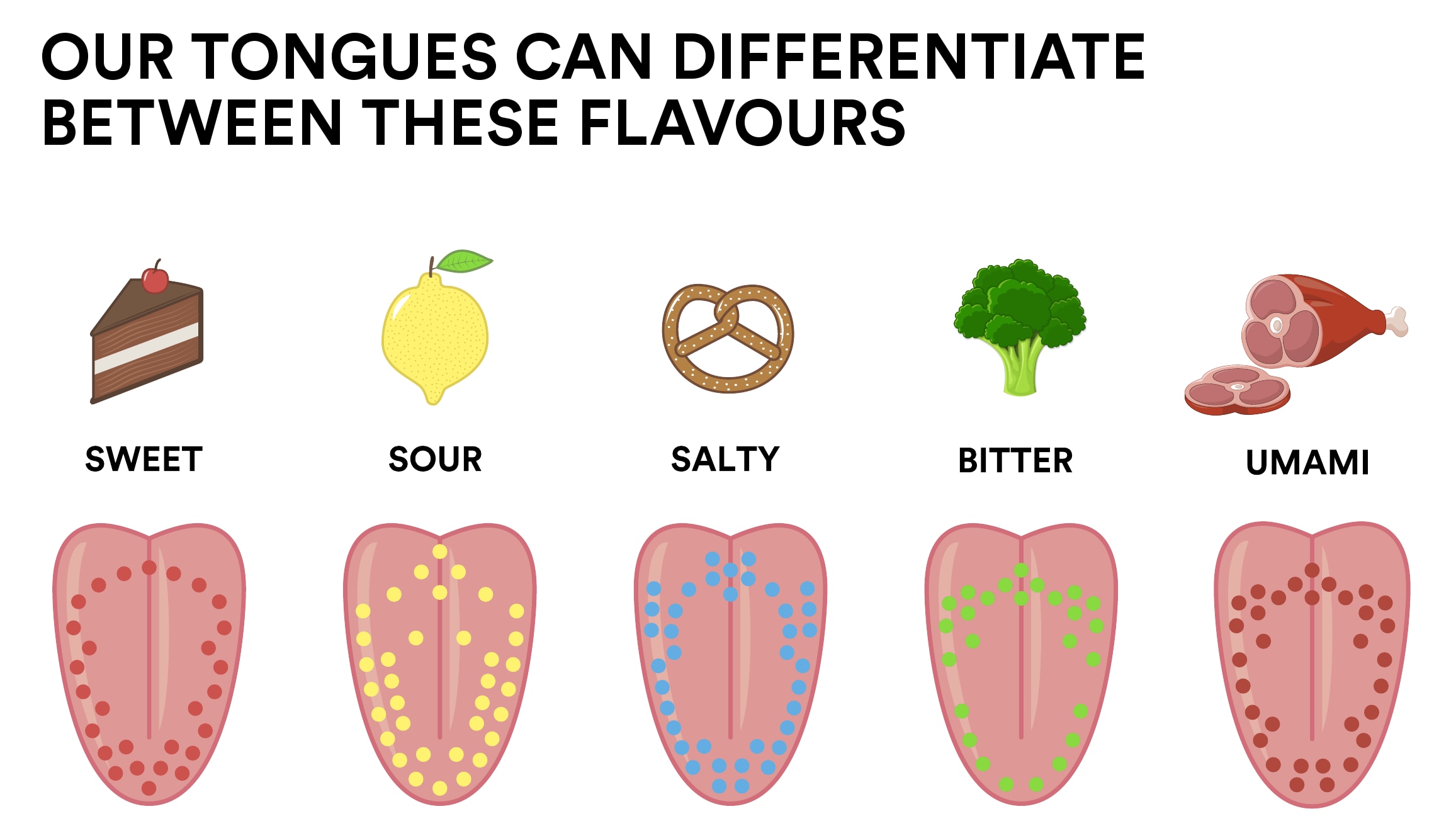
The bedrock of our taste perception lies in five universally recognized categories, each triggering distinct physiological and psychological responses. Understanding how to leverage these can elevate a brand from merely satisfying a need to creating an unforgettable sensory experience.
Sweetness: The Allure of Indulgence and Comfort
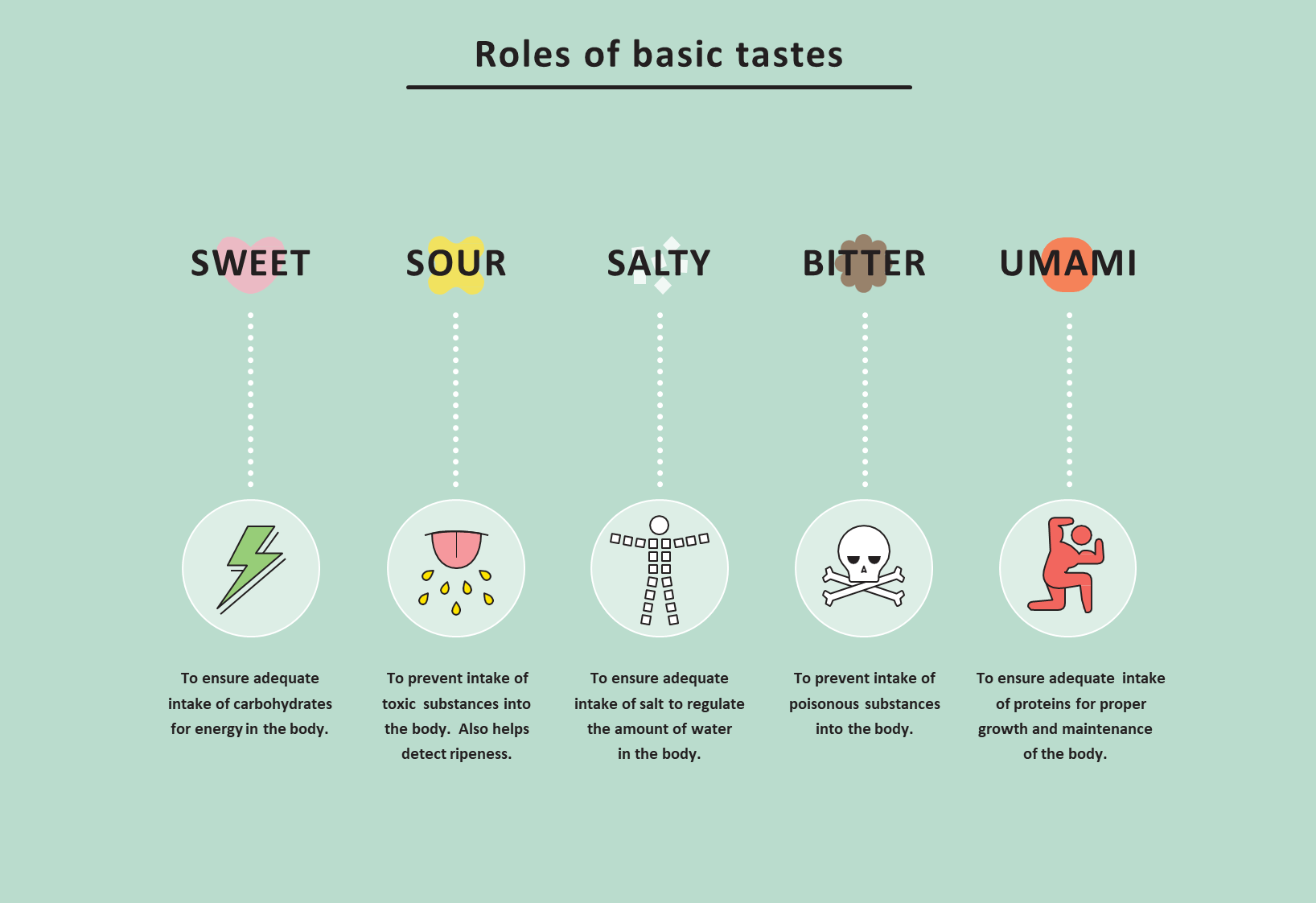
Sweetness is often associated with pleasure, reward, and energy. From childhood, sweet tastes signal safety and caloric value, fostering an innate attraction. For brands, sweetness can evoke feelings of comfort, celebration, luxury, and indulgence. Confectionery brands, beverages, and desserts naturally lean into this, but even non-food brands can borrow its essence through sweet-smelling products or visual aesthetics that suggest softness and pleasantness. A brand selling children’s products might use sweet, pastel colors to align with this inherent positive association, while a premium chocolate brand positions its sweetness as a sophisticated, guilt-free pleasure. Strategically, sweetness creates an immediate, widespread appeal, driving impulse purchases and fostering emotional bonds rooted in nostalgia and happiness.
Saltiness: Enhancing Flavors and Driving Cravings
Salt is more than just a taste; it’s a fundamental nutrient essential for life. Its primary role in food is to enhance other flavors, making them more vibrant and appealing. For brands, saltiness signifies savory satisfaction, often associated with richness, tradition, and umami depth. Snack foods, processed meats, and many culinary products rely heavily on salt for their distinct profiles. A brand can strategically utilize saltiness to create addictive qualities in its products, encouraging repeat consumption. Beyond food, the concept of “salty” can metaphorically represent something robust, essential, or even edgy and distinctive. Brands might use the idea of “seasoning” a product or service with unique features, akin to how salt enhances food, to convey indispensable value.
Sourness: The Zest for Life and Distinctive Edge
Sourness, often derived from acids, signals freshness, tanginess, and sometimes, a warning. Yet, in moderation, it provides a crucial counterpoint to sweetness and richness, offering a refreshing and invigorating experience. For brands, sourness can represent vitality, cleanliness, innovation, and a bold, adventurous spirit. Think of citrus-flavored beverages, tart candies, or fermented foods. Brands that embrace sourness often position themselves as distinctive, energetic, and perhaps a bit rebellious. It appeals to consumers seeking novel experiences or a palate cleanser. A cleaning product brand might use a lemon scent to evoke freshness, tapping into the inherent “clean” association of sourness, while a craft beverage brand might highlight a unique tartness to stand out in a crowded market.
Bitterness: Cultivating Sophistication and Acquired Preferences
Bitterness is often perceived as a taste of caution, linked to potential toxins. However, for many adults, it transforms into a highly appreciated and sophisticated flavor. Coffee, dark chocolate, craft beer, and certain vegetables exemplify this. For brands, bitterness conveys maturity, complexity, authenticity, and premium quality. It suggests an acquired taste, implying discernment and a deeper understanding among its consumers. Brands that successfully incorporate bitterness often target a more mature or adventurous demographic willing to explore beyond the immediately palatable. It’s a taste that fosters loyalty among those who appreciate its nuances, building communities around shared sophisticated preferences. Positioning a brand around bitterness can signal an unwavering commitment to quality and a refusal to compromise on character.
Umami: The Savory Depth of Satisfaction
Often described as the “fifth taste,” umami signifies a deep, savory, and meaty deliciousness. It’s the taste of glutamates, found abundantly in aged cheeses, mushrooms, ripe tomatoes, and fermented products. Umami provides a profound sense of satisfaction and fullness. For brands, umami is synonymous with richness, heartiness, gourmet quality, and a profound sense of culinary comfort. Food brands specializing in broths, savory snacks, and prepared meals extensively leverage umami to create irresistible depth. Beyond direct food applications, a brand might aim to deliver a “umami experience” through a multi-layered service or product that provides deep, comprehensive satisfaction, making the consumer feel profoundly understood and catered to. It’s about creating a holistic sense of contentment that transcends mere functionality.
Beyond the Basics: Expanding the Flavor Spectrum for Brand Distinction
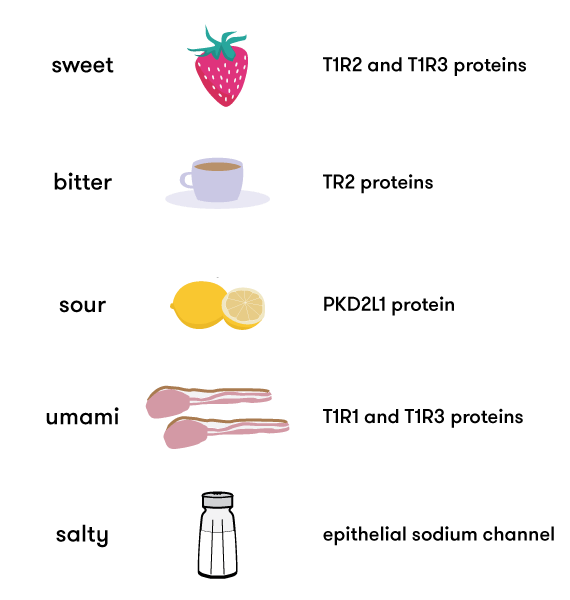
While the five fundamental tastes form the core, extending our sensory lexicon allows for even greater precision in brand positioning and product development. These additional tastes, though sometimes debated in their classification, play undeniable roles in how consumers perceive and interact with products.
Fat: The Richness Factor in Consumer Loyalty
The taste (or rather, mouthfeel, which is closely intertwined with taste perception) of fat is increasingly recognized as distinct. It signals richness, creaminess, indulgence, and satiation. Foods high in fat often provide a desirable texture and contribute significantly to overall flavor complexity. For brands, emphasizing the “fat taste” can evoke luxury, generosity, and deep satisfaction. Dairy products, premium meats, and baked goods frequently highlight their richness and creamy textures. A brand marketing a plant-based alternative, for instance, might focus on achieving a similar “mouthfeel” to appeal to consumers accustomed to traditional fatty foods. The promise of richness through fat can build strong brand loyalty, as it directly taps into deeply ingrained desires for caloric density and sustained pleasure.
Pungency/Spiciness: Igniting Excitement and Cultural Connection
Pungency, often perceived as spiciness or heat (e.g., from capsaicin in chili peppers), is technically a sensation rather than a taste, but its profound impact on flavor perception makes it indispensable for branding. It evokes excitement, adventure, warmth, and a bold personality. For brands, spiciness can represent intensity, energy, and a willingness to push boundaries. Hot sauces, ethnic cuisines, and many snack foods deliberately use pungency to create a memorable and impactful experience. Brands that embrace spiciness often target younger, more adventurous demographics, or those seeking an authentic cultural connection. It’s a powerful tool for differentiation, allowing a brand to stand out with a distinct, fiery identity that appeals to those who crave a sensory thrill.
Strategic Integration: Weaving Tastes into Brand Identity
Understanding these seven tastes individually is merely the first step. The true art of branding lies in their strategic integration, creating a holistic sensory experience that resonates with target audiences.
Product Development and Flavor Innovation
For food and beverage brands, the direct application is obvious: carefully formulating products to achieve desired taste profiles. This involves balancing sweetness, saltiness, sourness, bitterness, and umami, while considering the mouthfeel of fat and the kick of pungency. Innovation often lies in creating novel combinations or intensifying a particular taste to create a signature flavor. Beyond direct consumption, even non-food products can embody these taste principles: a scent of “sweet vanilla” in a candle, a “bitter citrus” note in a cologne, or a “savory leather” texture in a luxury handbag. These sensory cues build a coherent brand world.
Marketing Narratives and Sensory Storytelling
Effective branding transcends product features; it tells a story. Each taste can become a narrative device. A “sweet” brand might tell tales of warmth, family, and joy. A “sour” brand could champion boldness, awakening, and innovation. “Umami” could evoke heritage, craft, and deep satisfaction. Marketing campaigns can use evocative language, imagery, and soundscapes that align with the chosen taste profile, allowing consumers to “feel” the taste even before experiencing the product. This sensory storytelling creates a deeper emotional connection, making the brand more memorable and desirable.
Packaging Design and Expectation Setting
Packaging is the brand’s first handshake with the consumer, and it plays a critical role in setting taste expectations. Colors, textures, shapes, and imagery can subtly communicate the dominant taste profile. Bright, vibrant colors often suggest sweetness or sourness, while darker, richer tones might indicate bitterness, umami, or the richness of fat. A sleek, minimalist design could hint at sophistication and subtle bitterness, whereas a rustic, earthy design might convey natural umami or hearty saltiness. Packaging that visually cues the taste experience helps manage consumer expectations and enhances their eventual sensory enjoyment, reinforcing the brand promise.
Target Audience Segmentation by Palate Preferences
Consumers are not monolithic; their taste preferences vary significantly across demographics, cultures, and individual experiences. Brands can segment their audience not just by age or income, but by their preferred taste profiles. Developing products and marketing messages tailored to sweet-lovers, spice-enthusiasts, or bitter-appreciators allows for more precise targeting and deeper engagement. Understanding cultural variations in taste preference—for instance, the greater acceptance of bitterness in certain European coffees or the demand for pungency in Asian cuisines—is vital for global brand strategies.
The Future of Flavor Branding: Data, AI, and Personalized Palates
As sensory science advances and data analytics become more sophisticated, the application of taste in branding will only deepen. AI-driven taste analysis can predict consumer preferences, optimize flavor profiles, and even generate novel taste combinations. Personalized marketing can tailor product recommendations based on individual taste histories and expressed preferences. Future brands will not only understand the seven fundamental tastes but will leverage technology to predict, create, and deliver hyper-personalized taste experiences, solidifying brand loyalty through an unparalleled understanding of the human palate. The brands that master this intricate dance of taste and identity will be the ones that truly savor success in the market.
aViewFromTheCave is a participant in the Amazon Services LLC Associates Program, an affiliate advertising program designed to provide a means for sites to earn advertising fees by advertising and linking to Amazon.com. Amazon, the Amazon logo, AmazonSupply, and the AmazonSupply logo are trademarks of Amazon.com, Inc. or its affiliates. As an Amazon Associate we earn affiliate commissions from qualifying purchases.