
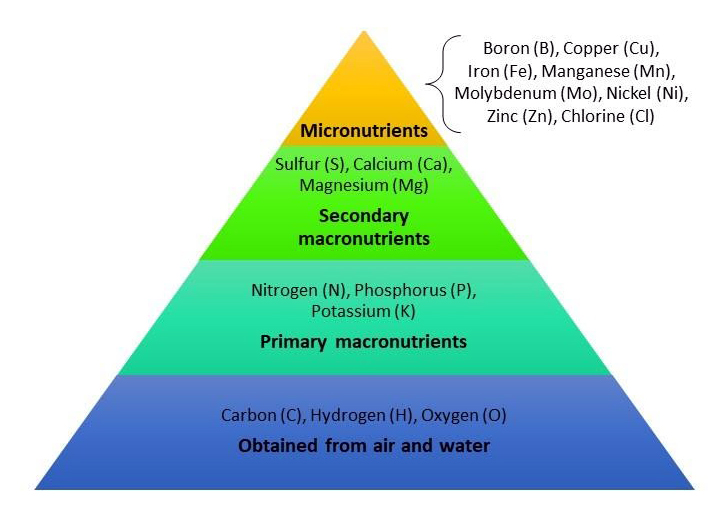
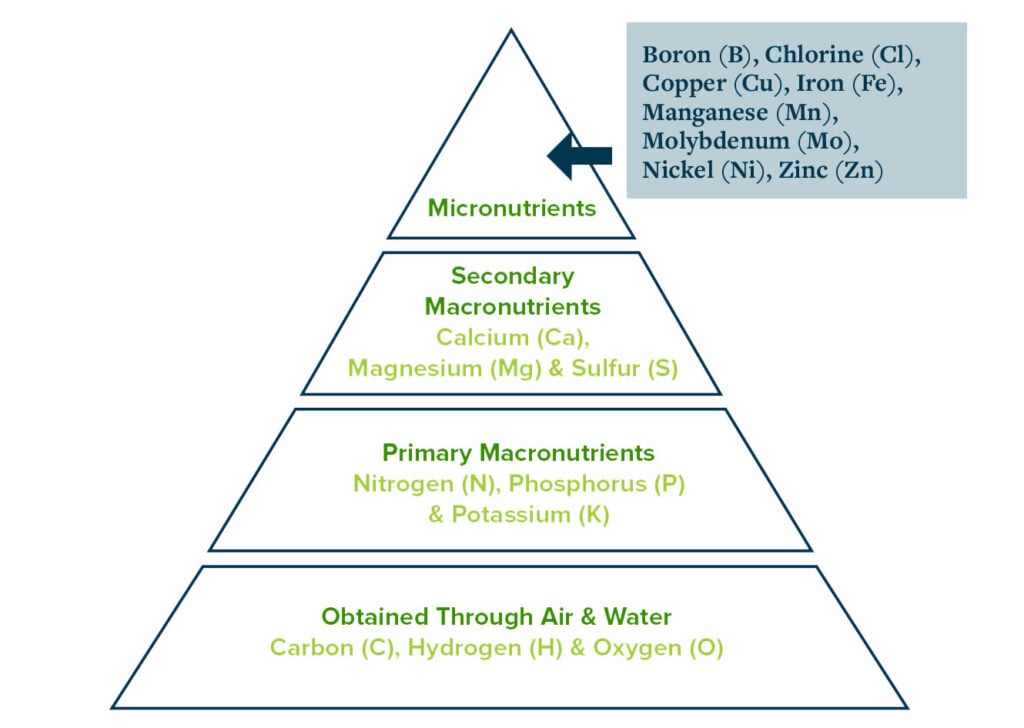
For any venture reliant on cultivating plant life—whether a commercial farm, a market garden side hustle, or a large-scale agricultural business—understanding the fundamental needs of plants is not merely a botanical curiosity; it is a critical component of financial success and sustained profitability. Just as a business needs capital, talent, and strategic planning to thrive, plants require specific nutritional inputs to maximize their potential yield, quality, and resilience. Overlooking these elemental requirements can lead to diminished harvests, increased operational costs, and ultimately, a significant impact on the bottom line. Among the myriad nutrients plants utilize, three stand out as “primary macronutrients” due to the large quantities plants demand, and their direct correlation to robust growth and economic viability: Nitrogen (N), Phosphorus (P), and Potassium (K). Mastering their management is an investment in your agricultural enterprise’s financial future.
The Foundation of Agricultural Profitability: Macronutrients as Core Assets
In the world of plant-based income generation, be it from cash crops, ornamental plants, or produce sold directly to consumers, the health and vigor of your plants are your most valuable assets. These assets are directly influenced by the availability and balance of primary macronutrients. From a business finance perspective, macronutrients are essential inputs, and their strategic application represents an investment. Like any investment, the goal is to maximize return. Poor nutrient management translates to inefficient resource allocation, wasted labor, and a suboptimal product, leading to reduced revenue and potentially irreversible losses.
Consider the cost of seeds, irrigation, land, and labor; if plants are undernourished, these expenditures are effectively devalued, as the plants cannot convert them into their full productive capacity. Conversely, precise nutrient management ensures that every dollar invested in inputs yields a higher quality, more abundant, and ultimately more profitable output. Understanding Nitrogen, Phosphorus, and Potassium isn’t just about growing plants; it’s about growing wealth.
Nitrogen (N): Fueling Growth and Financial Returns
Nitrogen is the undisputed champion of vegetative growth. It is a cornerstone of chlorophyll, the pigment responsible for photosynthesis, and a vital component of amino acids, proteins, and nucleic acids. In economic terms, nitrogen directly drives the biomass production that often dictates yield, especially in leafy greens, grains, and forage crops.
The Financial Impact of Nitrogen Management
- Yield Maximization: Adequate nitrogen leads to vigorous stem and leaf development. For crops where leaf volume or overall plant size is a market driver (e.g., lettuce, spinach, corn, wheat), sufficient nitrogen translates directly into higher tonnage or greater unit count per acre, substantially boosting potential revenue.
- Quality and Marketability: Healthy, dark green foliage, indicative of good nitrogen levels, is often a visual cue for freshness and quality to consumers. This can command better prices and higher demand in competitive markets.
- Risk of Deficiency: A lack of nitrogen manifests as pale, stunted plants with yellowing leaves (chlorosis). Financially, this means reduced growth rates, lower yields, and a product that may be difficult to sell at premium prices, if at all. The investment in seeds, land, and labor for these underperforming plants yields a poor, if any, return.
- Cost of Excess: While more is often perceived as better, excessive nitrogen application can lead to lush but weak plants prone to lodging (falling over), delayed maturity, and reduced fruit/flower production. Furthermore, excess nitrogen can leach into groundwater, representing wasted fertilizer costs and potential environmental fines, adding to operational expenses. Optimizing nitrogen application based on soil tests and crop needs is a crucial cost-saving measure.
Phosphorus (P): Rooting Success and Investment Security
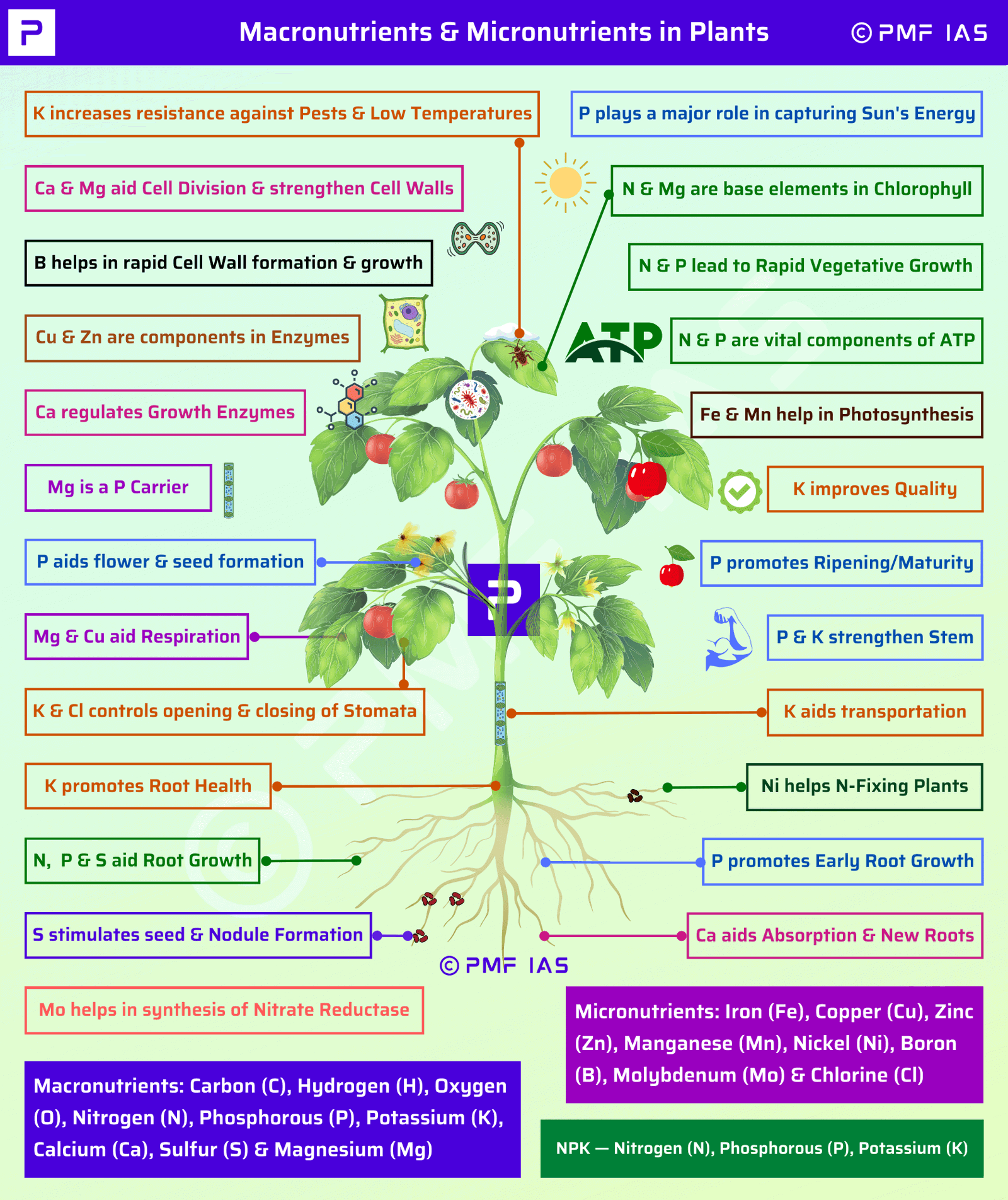
Phosphorus is the energy currency of the plant world. It plays a critical role in energy transfer (ATP), photosynthesis, nutrient uptake, cell division, and the development of strong root systems, flowers, and fruits. For any business that relies on robust plant structure, successful reproduction, or early establishment, phosphorus is a non-negotiable investment.
Securing Your Capital with Phosphorus
- Root System Development: A strong, extensive root system, fostered by adequate phosphorus, is the foundation of a resilient and productive plant. From a financial standpoint, robust roots enable plants to efficiently forage for water and other nutrients, reducing the need for intensive irrigation and minimizing losses from drought stress. This efficiency translates to lower input costs and more consistent yields.
- Early Establishment and Vigor: Especially critical for young plants and seedlings, phosphorus promotes rapid establishment, giving crops a head start. This early vigor can shorten grow cycles, allowing for quicker market entry or more rotations per season, directly increasing potential annual income.
- Flowering, Fruiting, and Seed Production: For businesses focused on fruits, vegetables, nuts, or seeds, phosphorus is paramount. It directly influences the quantity and quality of reproductive structures, which are often the highest-value parts of the plant. A deficiency here means fewer fruits, smaller seeds, or delayed harvests, leading to significant revenue shortfalls.
- Investment Protection: Consider the capital invested in high-quality seeds or starter plants. Adequate phosphorus ensures these initial investments mature into productive assets rather than languishing as weak, unproductive plants. It protects against the financial write-off of an entire crop due to poor early development.
Potassium (K): Quality, Resilience, and Market Value
Often referred to as the “quality nutrient,” potassium is a master regulator within the plant. It activates enzymes, regulates water uptake and loss (osmotic regulation), enhances disease resistance, and improves the overall quality, flavor, and shelf life of fruits and vegetables. For businesses prioritizing premium produce or facing environmental challenges, potassium is an indispensable nutrient for sustaining market competitiveness and profitability.
Boosting Your Bottom Line with Potassium
- Enhanced Crop Quality and Market Price: Potassium is directly linked to the desirable characteristics of harvested produce: sweetness in fruits, firmness in vegetables, and vibrant colors. Crops with optimal potassium levels consistently fetch higher prices at market due to their superior quality, taste, and aesthetic appeal, providing a significant competitive edge.
- Improved Shelf Life: For producers selling to distant markets or holding inventory, potassium’s role in improving shelf life is a massive financial advantage. Reduced spoilage means less waste, fewer returns, and a longer window for sales, directly impacting net revenue.
- Disease and Stress Resistance: Plants with sufficient potassium are significantly more resistant to pests, diseases, and environmental stresses like drought and frost. From a business perspective, this translates to reduced losses from crop damage, lower costs for fungicides and pesticides, and greater stability in yield despite challenging conditions, safeguarding your projected income.
- Efficient Water Use: Potassium’s role in stomatal regulation means plants use water more efficiently. In an era of increasing water scarcity and rising irrigation costs, this efficiency can lead to substantial savings on water bills and reduced operational overhead.
Strategic Macronutrient Management for Maximized Income
The strategic application of Nitrogen, Phosphorus, and Potassium is not merely an agricultural best practice; it is a sophisticated financial management strategy. Ignoring these critical inputs or applying them indiscriminately can erode profits, while intelligent management can significantly boost them.
Key Financial Practices in Macronutrient Management
- Soil Testing as an Investment: Regular soil testing is perhaps the most fundamental financial tool in nutrient management. Instead of guessing, which often leads to either over-application (wasted money, environmental risk) or under-application (reduced yield, lost revenue), soil tests provide precise data. This data allows for targeted fertilizer purchases, ensuring every dollar spent on nutrients is optimally utilized, maximizing ROI.
- Precision Application: Leveraging technologies like variable-rate applicators (if within budget) or even careful manual distribution based on zone mapping can ensure nutrients are placed exactly where and when plants need them most. This minimizes waste, reduces overall fertilizer expenditure, and maximizes nutrient uptake efficiency, driving greater yield per unit of input.
- Balancing Inputs with Market Demand: The goal isn’t just maximum yield, but profitable yield. Understanding the specific nutrient requirements of your target crop, coupled with market demand and pricing, allows for an informed decision on how much to invest in fertilizers. For premium markets, higher input costs for enhanced quality might be justified; for bulk commodities, efficiency is key.
- Compost and Organic Matter as Long-Term Assets: Incorporating organic matter improves soil structure, water retention, and nutrient cycling, including the gradual release of N, P, and K. This reduces reliance on synthetic fertilizers over time, representing a long-term cost saving and a sustainable asset for your soil health.
In essence, the three primary macronutrients—Nitrogen, Phosphorus, and Potassium—are the pillars upon which successful and profitable plant-based businesses are built. Their judicious management is not just about nurturing plants; it’s about cultivating a thriving financial enterprise. By understanding their roles and implementing strategic management practices, growers can transform their understanding of plant needs into tangible economic gains, securing the future and enhancing the profitability of their agricultural ventures.
aViewFromTheCave is a participant in the Amazon Services LLC Associates Program, an affiliate advertising program designed to provide a means for sites to earn advertising fees by advertising and linking to Amazon.com. Amazon, the Amazon logo, AmazonSupply, and the AmazonSupply logo are trademarks of Amazon.com, Inc. or its affiliates. As an Amazon Associate we earn affiliate commissions from qualifying purchases.