
The question “what are Ruggable rugs made of?” transcends a simple material specification; it delves directly into the heart of Ruggable’s brand strategy, product innovation, and its unique positioning within the home furnishings market. For a brand built entirely around the concept of a washable rug, the material composition is not merely a functional detail but the fundamental pillar of its corporate identity, marketing narrative, and consumer promise. Understanding the anatomy of a Ruggable rug is key to dissecting how the brand has carved out a significant niche and disrupted a traditionally static product category.
The Innovation Behind a Washable Brand Identity
Ruggable’s inception was predicated on solving a pervasive household problem: how to maintain clean, attractive rugs in homes with pets, children, or high traffic, without the hassle and expense of professional cleaning. The brand’s solution wasn’t just a new rug; it was an entirely new system for rugs, built from the ground up with washability as its core design principle. This commitment to a singular, transformative benefit dictated every material choice and engineering decision, forming the bedrock of Ruggable’s brand strategy.
Redefining the Rug Category
Traditional rugs are monolithic, often heavy, and challenging to clean, leading to early disposal or constant worry for homeowners. Ruggable disrupted this by introducing a two-piece system. This innovative approach immediately positioned the brand as a problem-solver, a modern alternative for contemporary living. The brand’s messaging consistently highlights convenience, hygiene, and durability, all directly stemming from the materials chosen for its patented design. This isn’t just about selling a rug; it’s about selling a lifestyle of ease and cleanliness, powered by specific material science.
Core Material Components: The Rug System
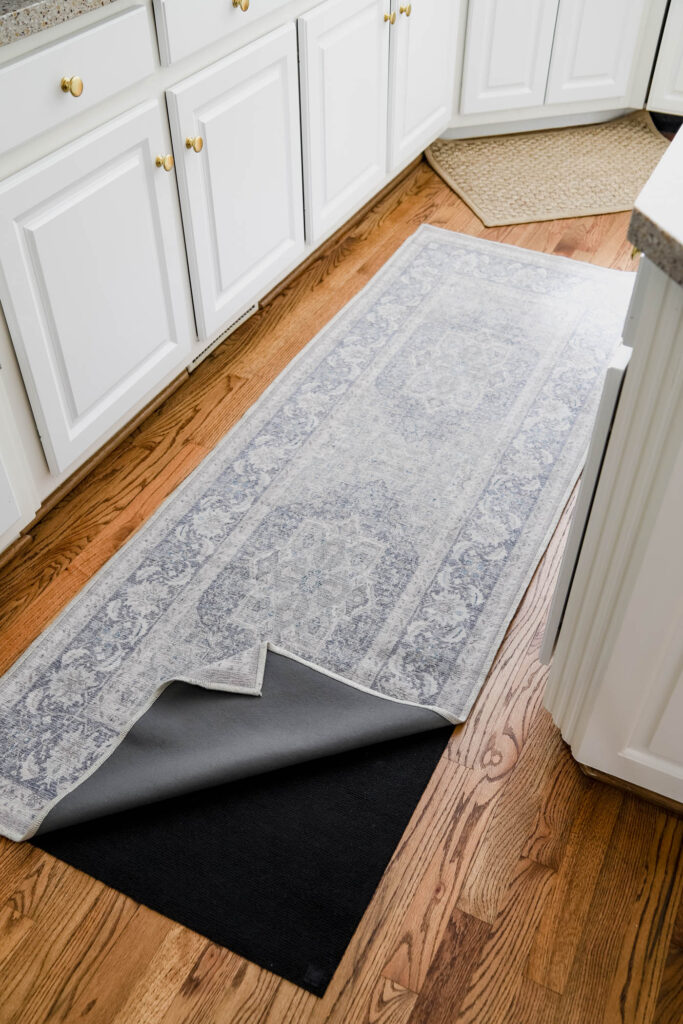
At its essence, a Ruggable rug is not a single entity but a sophisticated dual-layer system. This system comprises two distinct parts, each engineered with specific materials to fulfill its role in the overall brand promise:
- The Rug Cover: This is the top layer, the visible, decorative part of the rug that comes into contact with feet, pets, and spills.
- The Rug Pad: This is the bottom layer, designed to provide cushioning, grip, and stability, keeping the rug firmly in place.
Each component’s material composition is critical to delivering on the brand’s core values of washability, durability, design flexibility, and non-slip safety.
Crafting the Brand Experience Through Material Science
The selection of materials for both the rug cover and the rug pad is a meticulous process, directly influencing Ruggable’s market positioning and the overall consumer experience. These choices are not arbitrary but strategic decisions aimed at reinforcing the brand’s value proposition.
The Rug Cover: Design, Durability, and Washability
The rug cover is where Ruggable showcases its aesthetic appeal and the cornerstone of its washability feature.
- Polyester Blends: The vast majority of Ruggable rug covers are crafted from various polyester blends. Polyester is a synthetic fiber renowned for its strength, resilience, and resistance to stretching, shrinking, and wrinkles. Crucially, it is also highly resistant to mildew and abrasion, making it an ideal candidate for a product designed for frequent washing. Its hydrophobic nature means it resists water absorption, aiding in quicker drying times after laundering and making it less prone to staining than natural fibers.
- Specialized Weaves and Textures: Beyond the base fiber, Ruggable employs diverse weaving techniques and pile heights to create a wide array of textures and finishes – from low-pile Chenille and velvety Re-Jute to shaggy styles. These variations, while aesthetic, are also engineered to maintain their integrity through washing cycles. The brand’s ability to offer a broad design palette, from classic to contemporary, all within the washable framework, greatly expands its market reach and appeal to diverse customer segments.
- Digital Printing Technology: The intricate patterns and vibrant colors characteristic of Ruggable rugs are achieved through advanced digital printing. This technology allows for high-definition, fade-resistant designs that withstand repeated washing without significant degradation, directly supporting the brand’s long-term value proposition of enduring beauty and functionality. The colorfastness of the dyes used on polyester fibers further ensures that the rug maintains its aesthetic appeal over time, a key factor in consumer satisfaction and brand loyalty.
The Rug Pad: Grip, Cushion, and Foundation
The rug pad is the unsung hero of the Ruggable system, providing the necessary foundation for the rug cover and delivering critical safety and comfort features.
- Thermoplastic Rubber (TPR): The underside of Ruggable rug pads is typically made from a non-slip material like thermoplastic rubber (TPR). TPR is a type of material that combines the properties of rubber and plastic, offering excellent grip, flexibility, and durability. This material choice is paramount to the brand’s safety promise, ensuring the rug stays securely in place, preventing slips and trips, especially in active households.
- Recycled Materials: Ruggable frequently incorporates recycled materials, often polyester fibers from post-consumer sources, into the padded top layer of its rug pads. This aligns with a growing consumer demand for sustainable practices and adds a layer of eco-consciousness to the brand’s identity. The use of recycled felt or other composite materials in the pad’s core provides essential cushioning, enhancing comfort underfoot, and contributing to sound absorption. This material engineering allows the brand to offer different pad thicknesses (Classic vs. Cushioned), catering to varying consumer preferences for feel and support, further demonstrating product customization within its core offering.
- Hook-and-Loop Fasteners: The ingenious attachment mechanism, featuring hook-and-loop technology on the top surface of the pad and corresponding areas on the rug cover, is also a critical material component. This ensures the cover remains flat and securely attached to the pad during use, yet detaches easily for washing. The durability and reliability of these fasteners are vital for the long-term functionality of the two-piece system, reinforcing the brand’s promise of effortless convenience.

Material Choices and Brand Promise: Sustainability and Consumer Trust
Ruggable’s selection of materials extends beyond mere functionality; it directly feeds into broader brand narratives around sustainability, health, and consumer trust. These considerations are increasingly vital for modern brands aiming to resonate with conscious consumers.
Sourcing and Environmental Considerations
The incorporation of recycled materials, particularly in the rug pads, is a deliberate brand choice that speaks to environmental stewardship. By utilizing post-consumer recycled content, Ruggable positions itself as a brand with a conscience, appealing to eco-minded consumers. While polyester itself is a synthetic material derived from petroleum, the emphasis on its durability and recyclability, coupled with the extended lifespan of Ruggable rugs due to washability (reducing the need for frequent replacements), forms part of the brand’s sustainability narrative. This approach helps mitigate concerns associated with synthetic materials by focusing on product longevity and circular economy principles. The brand often highlights its efforts to reduce waste and utilize more sustainable manufacturing processes where feasible, enhancing its ethical profile.
Allergy-Friendly and Pet-Friendly Aspects
The material composition also plays a significant role in Ruggable’s appeal to specific consumer demographics.
- Hypoallergenic Properties: Polyester, being a synthetic fiber, is inherently less hospitable to dust mites and other common allergens compared to natural fibers like wool, which can trap more dander and particles. This makes Ruggable rugs a compelling choice for allergy sufferers, a key selling point in their marketing. The ability to frequently wash the rug cover further ensures the removal of allergens, dander, and dirt, providing a cleaner home environment.
- Pet-Friendly Durability: The durability and stain resistance of polyester blends make Ruggable rugs exceptionally pet-friendly. Accidents and muddy paws are no longer a catastrophe; they are a washable inconvenience. This aspect is heavily featured in Ruggable’s branding, directly addressing a pain point for pet owners and establishing the brand as a practical and stylish solution for homes with animals. The ease of cleaning and the robust nature of the materials ensure the rugs can withstand the rigors of pet ownership without sacrificing aesthetics.
Market Positioning and Competitive Advantage: A Material-Driven Strategy
Ruggable’s distinct material composition isn’t just a product feature; it’s a strategic differentiator that underpins its entire market positioning and competitive advantage. The brand has effectively leveraged its material science to create a unique value proposition that traditional rug manufacturers struggle to replicate.
Differentiating Through Product Composition
In a crowded market filled with countless rug options, Ruggable stands out because its very composition dictates its core benefit: washability. This isn’t an add-on feature but the product’s identity. By designing a system rather than a single rug, Ruggable has created intellectual property and a patent-protected design that is difficult for competitors to mimic without infringing or compromising on performance. The precise combination of non-slip TPR, durable polyester covers, and secure fastening mechanisms creates a proprietary ecosystem that forms a significant barrier to entry for potential rivals. This material-driven differentiation allows Ruggable to command a premium price point while delivering perceived superior value.
How Materials Reinforce Brand Value
Every aspect of Ruggable’s material choice reinforces its brand values of innovation, convenience, style, and practicality.
- Durability and Longevity: The robust nature of polyester and TPR means Ruggable rugs are built to last, enduring countless washes and heavy use. This translates into a long-term investment for the consumer, reducing the frequency of rug replacement and reinforcing the brand’s commitment to quality and value.
- Design Versatility: The flexibility of printing on polyester allows Ruggable to offer an extensive and constantly updated catalog of designs, colors, and textures, appealing to a broad demographic and catering to evolving interior design trends. This design agility is a powerful brand asset, enabling rapid response to market demands and partnerships with renowned designers and brands.
- Ease of Maintenance: The washable aspect, directly enabled by the material composition, is the ultimate expression of convenience, a central tenet of the Ruggable brand. Marketing campaigns heavily emphasize the ease of throwing a rug into a washing machine, directly addressing consumer pain points associated with traditional rug care. This convenience factor generates strong customer loyalty and positive word-of-mouth.
Brand Evolution: Future of Materials and Product Development
As a dynamic brand, Ruggable’s journey with materials is an ongoing evolution, driven by consumer feedback, technological advancements, and a sustained commitment to innovation. The question “what are Ruggable rugs made of?” will likely see subtle shifts over time as the brand continues to refine its product.
Adapting to Consumer Needs
Ruggable constantly explores new material blends and manufacturing techniques to enhance product performance, expand design options, and address emerging consumer preferences. This might include developing even more sustainable fiber alternatives, improving stain resistance, or experimenting with different textures and pile types that retain the core washable promise. The introduction of new lines, like outdoor rugs with enhanced UV and weather resistance, demonstrates this adaptive approach, leveraging specific material properties for expanded product utility.

Innovation as a Brand Pillar
Innovation is not just about new products but also about improving existing ones. Ruggable’s R&D efforts likely focus on advancing the durability of its hook-and-loop system, optimizing the density and comfort of its rug pads, and enhancing the environmental footprint of its material sourcing. For Ruggable, materials are not static ingredients but dynamic components that drive the brand’s continuous pursuit of excellence and market leadership. The brand’s success is a testament to how intelligent material selection and product engineering can create a distinctive brand identity, redefine a product category, and foster deep consumer engagement based on tangible benefits and a compelling brand promise.
aViewFromTheCave is a participant in the Amazon Services LLC Associates Program, an affiliate advertising program designed to provide a means for sites to earn advertising fees by advertising and linking to Amazon.com. Amazon, the Amazon logo, AmazonSupply, and the AmazonSupply logo are trademarks of Amazon.com, Inc. or its affiliates. As an Amazon Associate we earn affiliate commissions from qualifying purchases.