
The world of beef cuts presents a fascinating microcosm of supply and demand, value proposition, and consumer economics. Among the myriad options available to both home cooks and restaurateurs, the “club steak” holds a distinct, often overlooked, position. Understanding what a club steak is extends beyond its anatomical definition; it delves into its economic niche, its place in personal finance, and its role within the broader business of food. From a financial standpoint, the club steak represents a specific intersection of quality, cost, and utility that warrants closer examination for anyone managing a budget, operating a food business, or simply looking to make informed purchasing decisions.
The Economic Niche of Club Steaks: Definition and Market Positioning
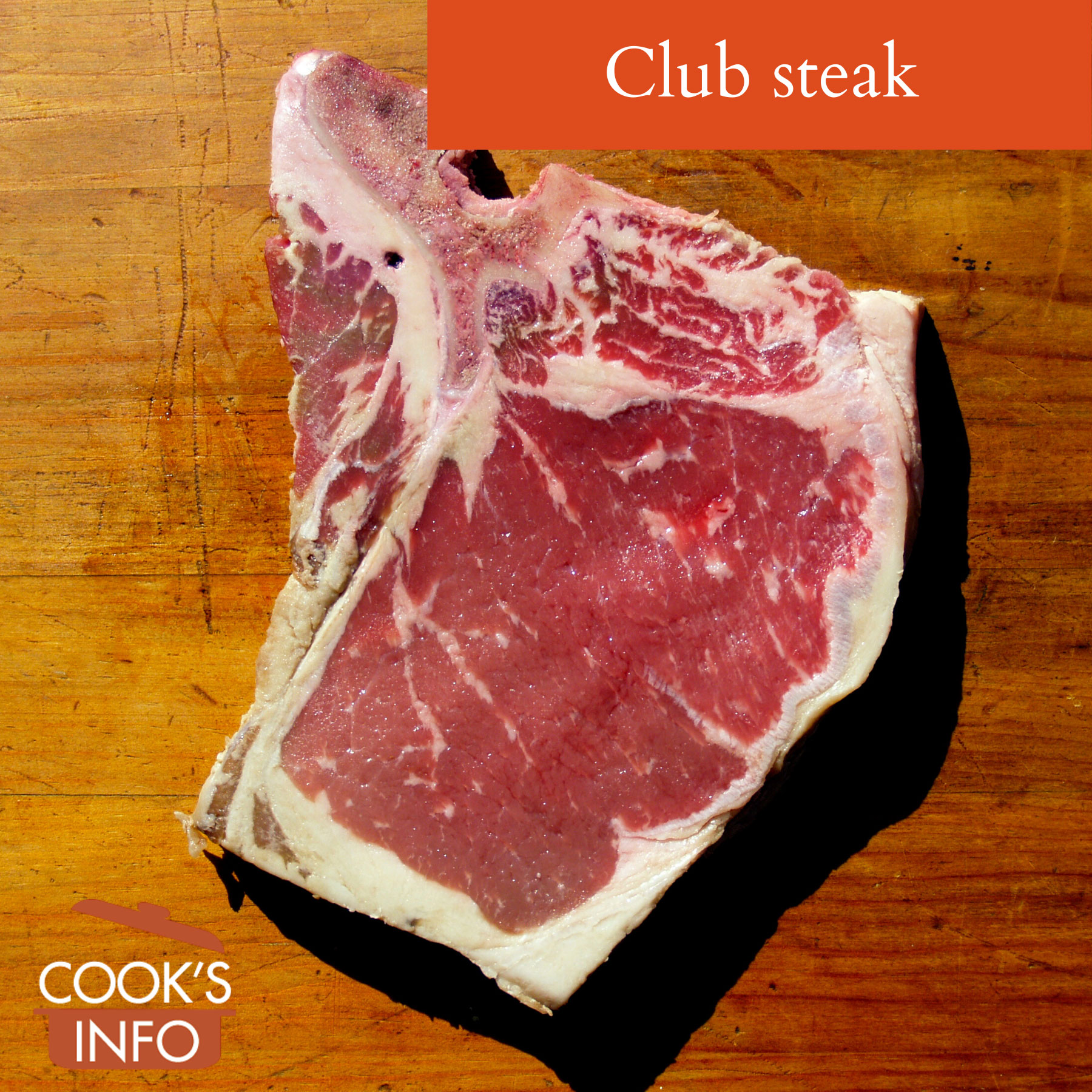
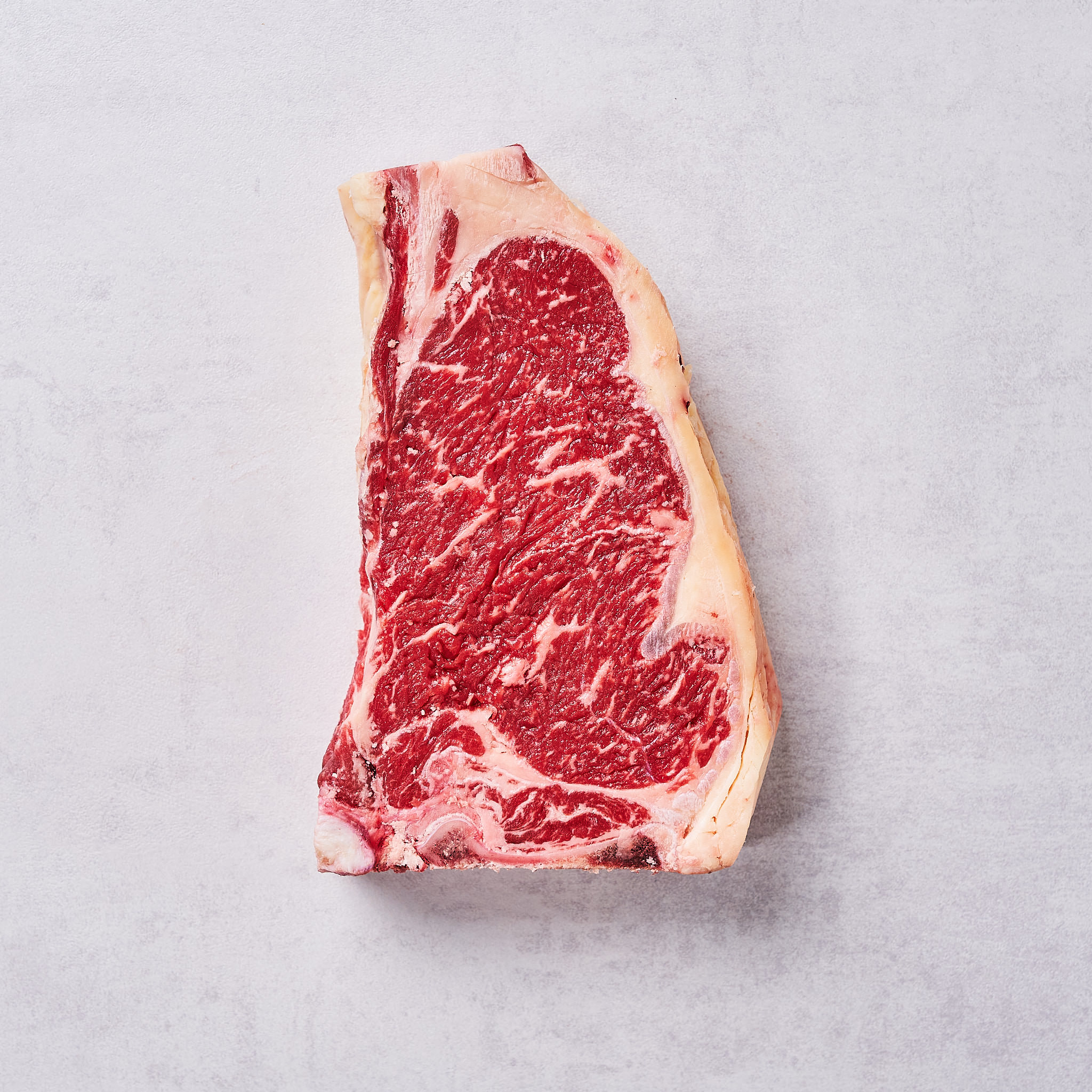
At its core, a club steak is a specific cut of beef derived from the short loin. Often referred to as a “bone-in strip steak” or “Kansas City strip with bone,” its key characteristic, and primary differentiator, is its origin from the anterior (front) end of the short loin, meaning it typically contains a large section of the New York strip muscle but little to no tenderloin. This anatomical detail has significant economic implications, directly influencing its pricing, market appeal, and overall value.
Cut, Origin, and Quality as Financial Determinants
The club steak is essentially a T-bone steak from which the tenderloin has been trimmed, or more precisely, a T-bone cut from the section of the short loin where the tenderloin tapers off or is too small to be considered a distinct portion. This distinguishes it from a full T-bone, which includes both the strip and a significant portion of the tenderloin, and a porterhouse, which features an even larger tenderloin section. The absence or minimal presence of the tenderloin is a critical factor in its economic positioning. The tenderloin is generally the most expensive muscle due to its unparalleled tenderness and relatively small yield per animal. By omitting or minimizing this high-value component, the club steak naturally commands a different price point than its T-bone or porterhouse counterparts.
Quality, in beef, is often assessed by marbling, texture, and flavor. Club steaks, being a part of the short loin, typically exhibit excellent marbling and a robust, beefy flavor characteristic of the strip steak. This inherent quality ensures its desirability, even without the tenderloin. However, its value proposition is enhanced by the bone-in cut, which often contributes to moisture retention and flavor during cooking, a perceived value that consumers are often willing to pay a premium for, albeit a smaller premium than for a cut featuring the tenderloin.
Price Point and Consumer Value Proposition
The pricing strategy for club steaks reflects its unique anatomical composition. It typically falls in a mid-to-high price range, usually less expensive per pound than a porterhouse or a prime filet mignon, but often more costly than sirloin or flank steak. This positioning makes it an attractive option for consumers seeking a premium steak experience without the top-tier cost associated with cuts featuring large tenderloin sections.
For budget-conscious consumers who still desire a quality steak, the club steak offers a compelling value proposition. They gain the rich flavor and satisfying texture of a strip steak, often with the added benefit of bone-in cooking, at a more accessible price point. Restaurants and retailers can leverage this by marketing it as an “affordable luxury” or a “gourmet experience without the gourmet price tag,” strategically positioning it against both cheaper, less desirable cuts and more expensive, yet marginally superior, alternatives. Understanding this economic sweet spot is crucial for both consumers planning their grocery budgets and businesses optimizing their product offerings and pricing strategies.
Club Steaks in Personal Finance: Budgeting for Premium Meats
Incorporating quality protein like beef into a personal or household budget requires strategic planning. The club steak, with its specific price-to-quality ratio, offers an interesting case study for how consumers can make financially savvy choices in their meat purchases. Balancing the desire for a premium product with the necessity of managing expenditure is a common challenge, and the club steak provides a viable solution for many.
Comparing Costs: Club Steak Versus Other Cuts
A direct comparison of per-pound costs reveals the club steak’s place in the hierarchy of beef prices. Typically, it will be priced below boneless filet mignon and porterhouse steaks, often on par with or slightly above boneless New York strip steaks, and definitely above more economical cuts like chuck roast, round steak, or even many types of ground beef. This pricing structure positions it as a “middle-ground” premium steak.
For consumers, this means that while a club steak is not the cheapest option, it provides a significantly elevated dining experience compared to more budget-friendly cuts, without the financial outlay of the most expensive choices. A family looking to enjoy a steak dinner without breaking the bank might find club steaks to be the optimal choice, offering a substantial and flavorful meal at a manageable cost. Savvy shoppers will also compare the bone-in weight to boneless cuts; while bone adds weight to the purchase, the culinary benefits (flavor, moisture) can justify the slight increase in price per edible pound.
Maximizing Value: Smart Shopping and Preparation
Beyond the initial purchase price, the true value of a club steak in personal finance comes down to smart shopping practices and efficient preparation.
- Bulk Buying and Sales: Like many meat products, club steaks can often be purchased at a lower unit cost when bought in bulk, especially from wholesale clubs or during promotional sales at grocery stores. Freezing individual steaks properly allows consumers to capitalize on these savings without compromising quality.
- Butcher Relationships: Developing a relationship with a local butcher can yield benefits. Butchers often provide better insights into cuts, offer custom cuts, and may even provide discounts on larger orders or less popular, but equally delicious, cuts. They can also advise on the best way to utilize the bone for stocks or broths, further extracting value.
- Home Preparation Versus Dining Out: Cooking club steaks at home offers substantial savings compared to ordering a similar cut at a restaurant. A restaurant steak often carries a markup of 200-400% or more over the raw ingredient cost. Mastering a few basic cooking techniques for grilling, pan-searing, or broiling a club steak can transform a home meal into a gourmet experience for a fraction of the restaurant price, aligning perfectly with strategies for reducing discretionary spending without sacrificing quality of life. The cost of a single restaurant steak could easily cover multiple club steaks for home preparation, yielding significant long-term savings.
Business Finance and the Club Steak: Profit Margins and Supply Chain
For businesses, whether a butcher shop, grocery chain, or restaurant, the club steak is not just a product; it’s a component of a larger inventory management strategy and profit optimization model. Its specific characteristics influence purchasing, pricing, and marketing decisions across the supply chain.
Restaurant Economics: Pricing for Profit
In the restaurant industry, menu pricing is an intricate art balancing food cost, labor, overheads, and desired profit margins. The club steak presents a unique opportunity. As it’s often slightly less expensive for the restaurant to source than a full T-bone or porterhouse due to the reduced tenderloin content, it can be priced competitively on the menu while still delivering healthy profit margins.
Restaurants might position the club steak as an intermediate option between a basic sirloin and a high-end filet. This allows them to cater to a broader customer base – those seeking a premium experience without opting for the most expensive item, or those upgrading from a more basic steak. Strategic menu descriptions can highlight its robust flavor and bone-in advantage, drawing attention away from the absence of the tenderloin and emphasizing its unique qualities. Furthermore, because it’s a less common offering than a New York Strip or Ribeye, it can sometimes be a differentiator for an establishment, providing a talking point for diners and enhancing the restaurant’s reputation for diverse and knowledgeable sourcing.
Butcher Shops: Inventory Management and Demand Forecasting
For butcher shops, managing inventory of various beef cuts is crucial for profitability. The club steak fits into this by allowing for efficient carcass utilization. When breaking down a short loin, a butcher decides how to cut it to maximize yield and value. If the tenderloin is small at one end of the loin, cutting club steaks instead of attempting to create small T-bones ensures that the prime strip muscle is still sold as a high-value steak.
Demand forecasting for club steaks, like other cuts, involves understanding seasonal trends, local preferences, and economic conditions. A butcher shop might promote club steaks when the supply is good, or when consumer demand shifts towards value-oriented premium cuts. Effective inventory management means minimizing waste and ensuring that every part of the short loin is sold at its optimal price point, contributing positively to the shop’s bottom line. Offering pre-marinated club steaks or pairing them with complementary seasonings can also boost sales and perceived value.
Investment and Market Trends: The Broader Meat Economy
The economic landscape surrounding beef production and consumption is vast, influenced by everything from global commodity markets to evolving consumer preferences. The humble club steak, while a small player, is still subject to and reflective of these larger trends.
Commodity Markets and Beef Prices
The price of beef at the retail and restaurant level is directly tied to the commodity market for live cattle and wholesale beef. Factors like feed costs, weather patterns, global demand for beef, and even geopolitical events can significantly impact the price per pound of primal cuts, which then trickles down to individual steaks like the club steak. Investors in agricultural commodities monitor these dynamics closely, as fluctuations can represent significant opportunities or risks.
For businesses sourcing beef, understanding these market trends is vital for procurement. Locking in prices with suppliers when the market is favorable, or diversifying suppliers, can mitigate risks associated with price volatility. Consumers, too, can benefit from observing market trends, knowing when beef prices are generally lower to make larger purchases for freezing.
Consumer Trends: Sustainability and Sourcing
Modern consumers are increasingly influenced by factors beyond just taste and price, including sustainability, ethical sourcing, and health considerations. While the club steak itself doesn’t inherently embody these trends more than any other cut, its market appeal can be boosted if it comes from cattle raised under specific conditions (e.g., grass-fed, organic, local).
Businesses that can transparently communicate the sourcing of their club steaks – highlighting humane practices, environmental stewardship, or local economic support – can command a premium and appeal to a segment of consumers willing to pay more for products aligned with their values. This adds another layer of financial consideration to the club steak: its ability to fit into and benefit from broader consumer movements, creating a unique value proposition beyond just its inherent quality and cost. As preferences shift, the strategic marketing and sourcing of even traditional cuts like the club steak become paramount for sustained financial success in the competitive meat market.
aViewFromTheCave is a participant in the Amazon Services LLC Associates Program, an affiliate advertising program designed to provide a means for sites to earn advertising fees by advertising and linking to Amazon.com. Amazon, the Amazon logo, AmazonSupply, and the AmazonSupply logo are trademarks of Amazon.com, Inc. or its affiliates. As an Amazon Associate we earn affiliate commissions from qualifying purchases.