
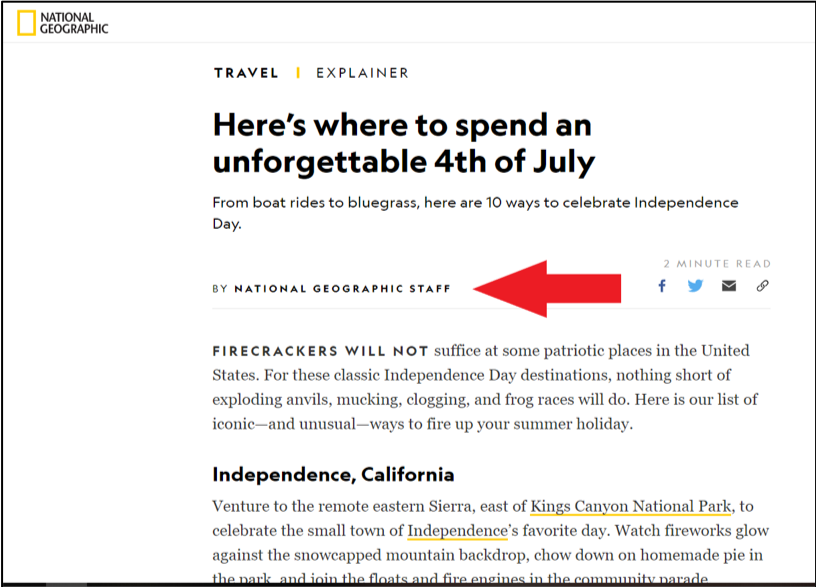
In the vast and ever-expanding digital landscape, information reigns supreme. From intricate academic research to groundbreaking software development, nearly every piece of intellectual output builds upon prior knowledge. Within this ecosystem, bibliographic citations serve as the fundamental anchors that connect new insights to their foundational sources. Far from being a mere academic formality, in the tech world, understanding and employing proper bibliographic citations is crucial for establishing credibility, ensuring reproducibility, and navigating the complex web of digital information. At its core, a bibliographic citation is a reference to a source of information used in a particular work. This reference provides sufficient detail for readers to identify and locate the original source, whether it be a scholarly article, a patent, a dataset, a software repository, or even a specific web page.
The Digital Imperative of Citation
The transition from print to digital has not diminished the importance of citations; rather, it has amplified it. In an era where information spreads globally at lightning speed, the digital imperative for accurate and accessible citations is undeniable. For tech professionals, developers, researchers, and content creators alike, citations are not just about attribution; they are about interoperability, validation, and the very integrity of digital knowledge.
Establishing Credibility and Combating Misinformation
In the digital realm, where anyone can publish anything, the signal-to-noise ratio can be overwhelming. Proper citation acts as a robust mechanism for verification, allowing users to trace claims back to their origins and assess the quality and reliability of the data, algorithms, or methodologies being presented. For a tech company releasing a whitepaper on a new AI model, citing the specific datasets used, the research papers informing the architecture, and the benchmarks achieved against previous models is paramount. This transparency builds trust with stakeholders, customers, and the broader scientific community. Conversely, the absence of citations or the use of dubious sources can quickly erode credibility, making a digital publication appear unsubstantiated or even misleading. In the fight against misinformation and “fake news,” especially concerning technical claims, accessible and verifiable citations are an indispensable tool for critical evaluation.
Navigating the Information Deluge
The sheer volume of digital information available today is staggering. Developers often rely on open-source libraries, academic papers inform algorithm design, and industry reports shape market strategies. Without a standardized system of citation, navigating this deluge would be chaotic. Bibliographic citations provide a structured way to categorize, retrieve, and cross-reference information. They enable researchers to efficiently build upon existing work, prevent duplication of effort, and identify key contributors to specific fields. For instance, a developer looking to integrate a specific machine learning technique can quickly find the original research paper, understand its theoretical underpinnings, and locate relevant open-source implementations by following clear citations. This interconnectedness is a cornerstone of rapid innovation in the tech sector, fostering collaboration and accelerating progress.
Technological Tools for Citation Management
The digital age has not only underscored the need for citations but has also revolutionized the methods by which they are managed and generated. Gone are the days of manually typing out each reference; a suite of sophisticated software tools now streamlines the entire process, enhancing accuracy and efficiency. These tools are indispensable for anyone regularly engaging with academic literature, technical specifications, or large datasets.
Reference Management Software: Zotero, Mendeley, EndNote
Dedicated reference management software has become a cornerstone of modern research and writing workflows. Programs like Zotero, Mendeley, and EndNote allow users to collect, organize, annotate, and cite sources from a variety of digital platforms. They can automatically extract bibliographic information from journal articles, web pages, and database entries with just a few clicks. Key features typically include:
- Centralized Library: A personal database to store all references, often with attached PDFs or web links.
- Tagging and Organization: Tools to categorize sources using keywords, folders, and groups.
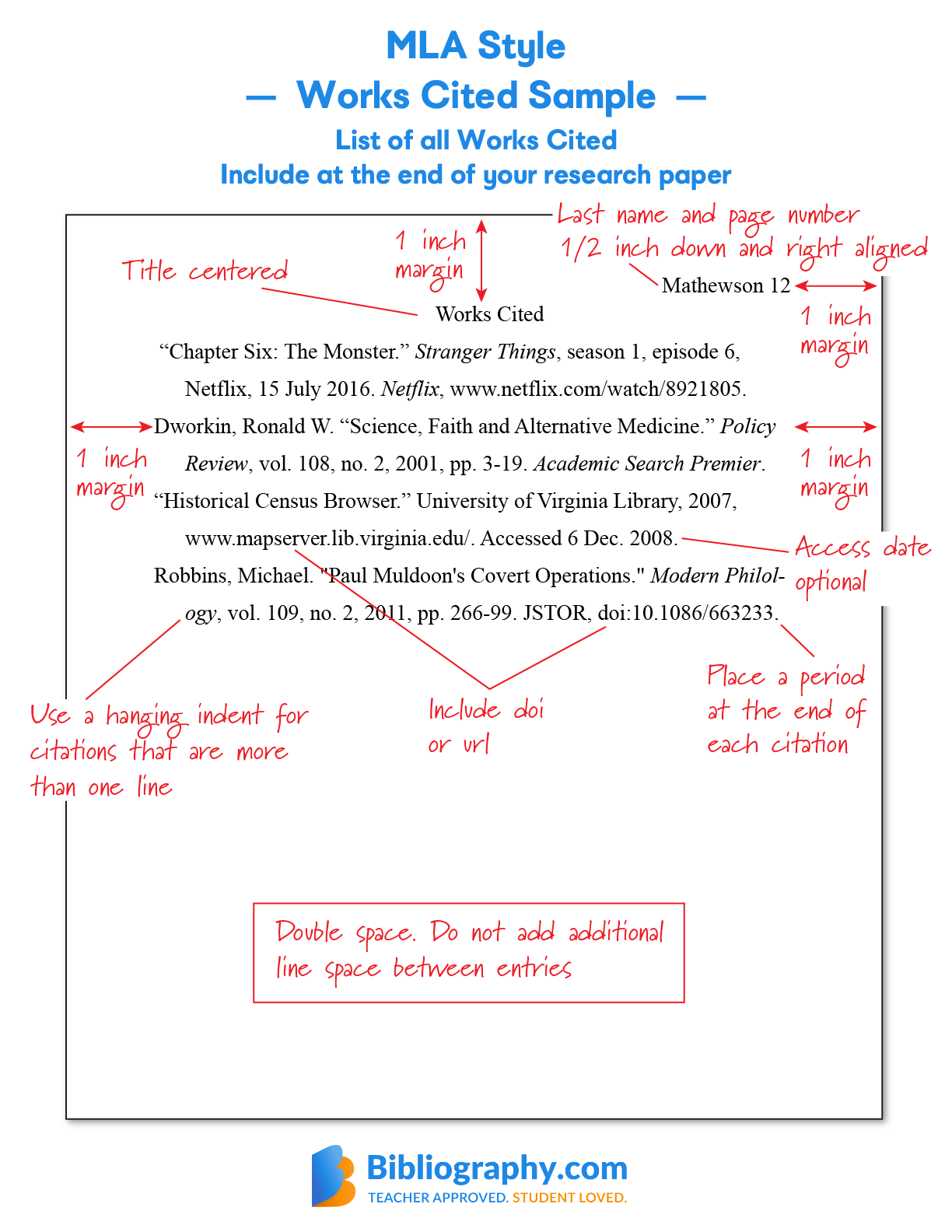
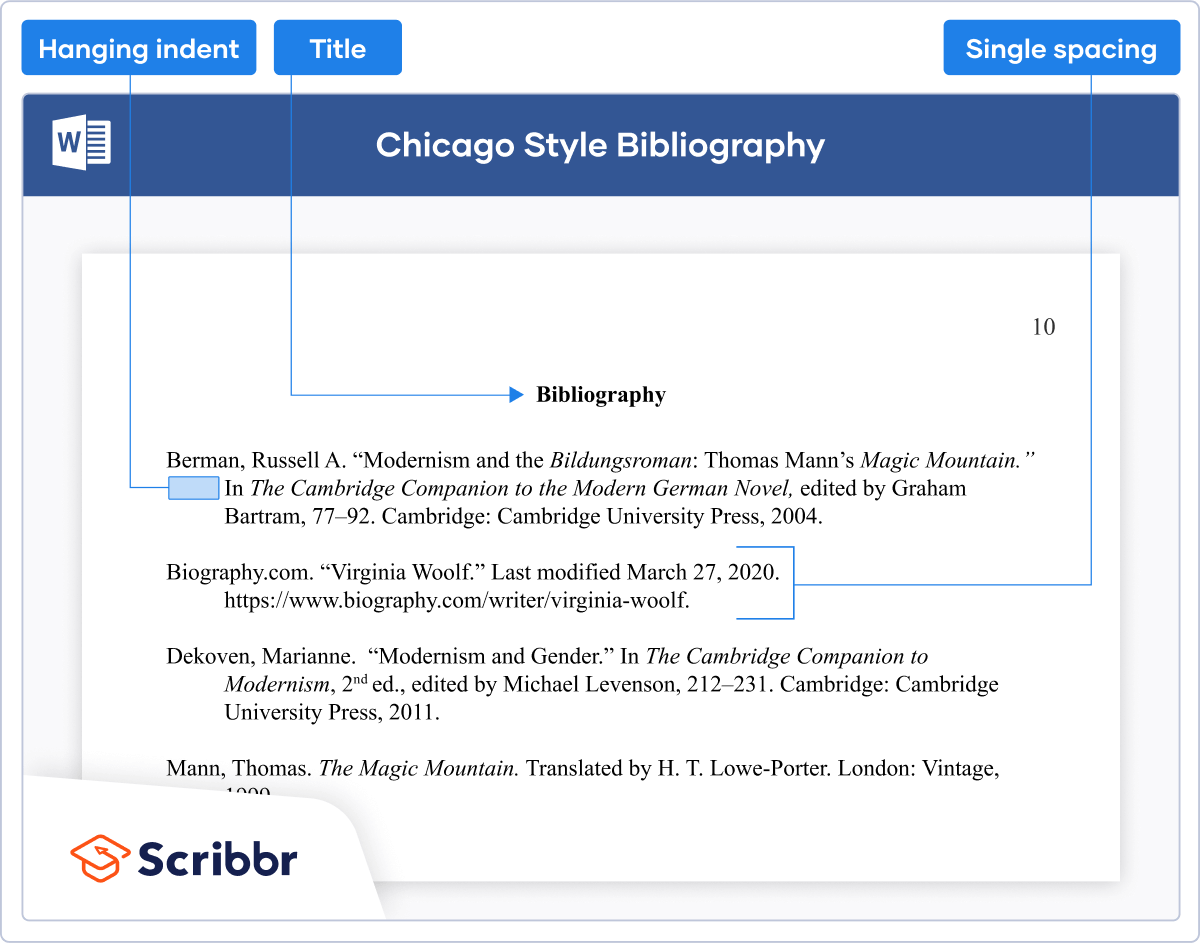
- Citation Generation: Automated creation of in-text citations and bibliographies in thousands of different styles (APA, MLA, Chicago, IEEE, etc.).
- Word Processor Integration: Plug-ins for Microsoft Word, Google Docs, and LaTeX that allow users to insert citations and generate bibliographies seamlessly within their documents.
- Collaboration Features: Many tools offer cloud synchronization and shared libraries, facilitating teamwork on research projects.
These tools significantly reduce the manual effort and potential for errors associated with citation, freeing up researchers and writers to focus on the content itself.
AI-Powered Citation Tools
The advent of Artificial Intelligence and Machine Learning is further transforming citation practices. AI-powered tools are emerging that can do more than just manage references; they can analyze text, suggest relevant citations, and even identify potential plagiarism. Some AI tools are designed to:
- Contextual Citation Suggestion: Analyze the content being written and suggest relevant papers or datasets from a user’s library or public databases that might need citing.
- Automated Reference Extraction: More accurately extract complex bibliographic information from unstructured text or image-based documents.
- Citation Style Adherence: Use natural language processing to detect and correct inconsistencies in citation formatting that might be missed by rule-based systems.
- Plagiarism Detection Enhancement: Beyond simple text matching, AI can potentially identify paraphrased content that lacks proper attribution, making it a powerful tool in academic integrity.
While still evolving, these AI tools promise to make the citation process even more intelligent, proactive, and precise, further embedding good citation practices into the digital workflow.
Integrated Citation Features in Word Processors and Academic Databases
Beyond specialized software, many commonly used digital platforms offer integrated citation functionalities. Modern word processors, such as Microsoft Word and Google Docs, include built-in reference managers that allow users to store sources and generate bibliographies, albeit often with fewer advanced features than dedicated tools. Similarly, academic databases and search engines like Google Scholar, PubMed, arXiv, and IEEE Xplore provide direct citation export options. Users can typically select a citation style and download the reference in formats compatible with Zotero, Mendeley, or EndNote, or simply copy-paste a pre-formatted citation. This integration across various platforms ensures that the act of finding and citing information is as frictionless as possible within the digital research ecosystem.
The Evolution of Citation in the Digital Age
The very nature of “source” and “citation” has expanded and diversified with the proliferation of digital content. Traditional citations primarily pointed to static, published works. In the digital age, sources are dynamic, interactive, and often reside on transient platforms, necessitating an evolution in how we attribute and reference.
Hyperlinks as Modern Citations
The most ubiquitous form of digital citation is the hyperlink. A hyperlink directly connects a piece of text to its source on the internet, offering immediate access to the referenced content. While incredibly convenient, hyperlinks present unique challenges:
- Link Rot: The phenomenon where linked content moves, changes, or disappears entirely, rendering the citation invalid.
- Lack of Persistence: Unlike static print references, web content can be updated or removed without warning, making it difficult to verify what was seen at the time of citation.
- Ambiguity: A URL alone often lacks the descriptive metadata needed to identify the author, date, or specific section of a lengthy webpage, which are crucial for full academic attribution.
Despite these challenges, hyperlinks are invaluable for providing context and immediate access, especially in online articles, blogs, and interactive digital reports. Best practices often involve supplementing hyperlinks with traditional bibliographic data (author, date, title) to mitigate issues of link rot and improve descriptive clarity.
Digital Object Identifiers (DOIs) and Persistent Identifiers
To address the transience of digital content, persistent identifiers have emerged as a critical innovation. The Digital Object Identifier (DOI) is perhaps the most prominent example. A DOI is a unique alphanumeric string assigned to an electronic document. Unlike a URL, a DOI refers to the object itself, not its location. If the document’s URL changes, the DOI remains constant and resolves to the new location through a central registry. This ensures that a citation to a digital article or dataset remains valid indefinitely. DOIs are now standard for scholarly articles, conference papers, and many datasets.
Beyond DOIs, other persistent identifiers include:
- ORCID: A unique digital identifier for researchers, ensuring that an individual’s work can be accurately attributed across various platforms and publications.
- arXiv IDs: Identifiers for pre-print server submissions.
- Software Heritage Identifiers: For referencing specific versions of source code.
These persistent identifiers are essential for building a robust and reliable digital scholarly record, allowing for unambiguous reference and long-term access to digital assets critical for reproducibility and verification in technical fields.
Reproducibility and Data Citation
In computational science, data science, and software engineering, the concept of reproducibility is paramount. It means that an independent researcher should be able to replicate the results of a study or the behavior of a system using the same data and methods. This necessitates not only citing the algorithms or methodologies but also the data and software used. Data citation involves formally referencing datasets used in research, often with their own DOIs or persistent identifiers, ensuring that the exact version of the data can be accessed and verified. Similarly, citing specific versions of software (e.g., a specific GitHub commit ID, a version number of a library) is crucial for ensuring that results are reproducible. This granular level of citation is vital for validating technical claims, debugging issues, and building trustworthy AI models and scientific applications.
Best Practices for Digital Citation
While technology simplifies the mechanics of citation, adhering to best practices is essential for maximizing their utility and maintaining academic and professional integrity in the digital sphere.
Consistency Across Platforms
Maintaining a consistent citation style (e.g., IEEE for engineering, APA for social sciences, Chicago for humanities) across all digital publications—from research papers and technical reports to blog posts and even internal documentation—is crucial. Consistency enhances readability, makes it easier for readers to quickly grasp the source information, and reflects professionalism. When collaborating on digital projects, agreeing on a single style guide upfront and leveraging reference management software to enforce it automatically can save considerable time and prevent errors.
Ensuring Accessibility and Longevity
The value of a citation is directly tied to the accessibility and longevity of its source. When citing digital content, prioritize stable, archived, or officially published versions. For web pages, consider using archiving services like the Internet Archive’s Wayback Machine to create a permanent snapshot of the content at the time of citation, in addition to providing the live link. Whenever possible, use persistent identifiers like DOIs. For datasets and software, prefer official repositories and version control systems that offer stable identifiers over personal web shares or temporary links. This foresight helps combat link rot and ensures that future generations of researchers and developers can still access the foundational work.
Ethical AI Use in Citation
As AI tools become more sophisticated in assisting with research and writing, ethical considerations surrounding their use in citation become increasingly important. While AI can help organize, format, and even suggest citations, the ultimate responsibility for accuracy, attribution, and avoiding plagiarism remains with the human author. It’s critical to:
- Verify AI-generated citations: Always double-check that the AI has correctly extracted and formatted the information and that the cited source genuinely supports the claim.
- Understand AI’s limitations: AI tools are not infallible and can sometimes hallucinate references or misinterpret content.
- Attribute AI-generated content: If an AI tool played a substantial role in generating text or ideas, and not just formatting, consider how to appropriately acknowledge its contribution, perhaps in an acknowledgments section, especially if specific prompts or models were used to generate original thoughts or summaries that are then integrated.
The ethical integration of AI into the citation workflow ensures that technology enhances, rather than compromises, the integrity of scholarly and technical communication.