
Leveraging Technology for Microbial Morphology Identification
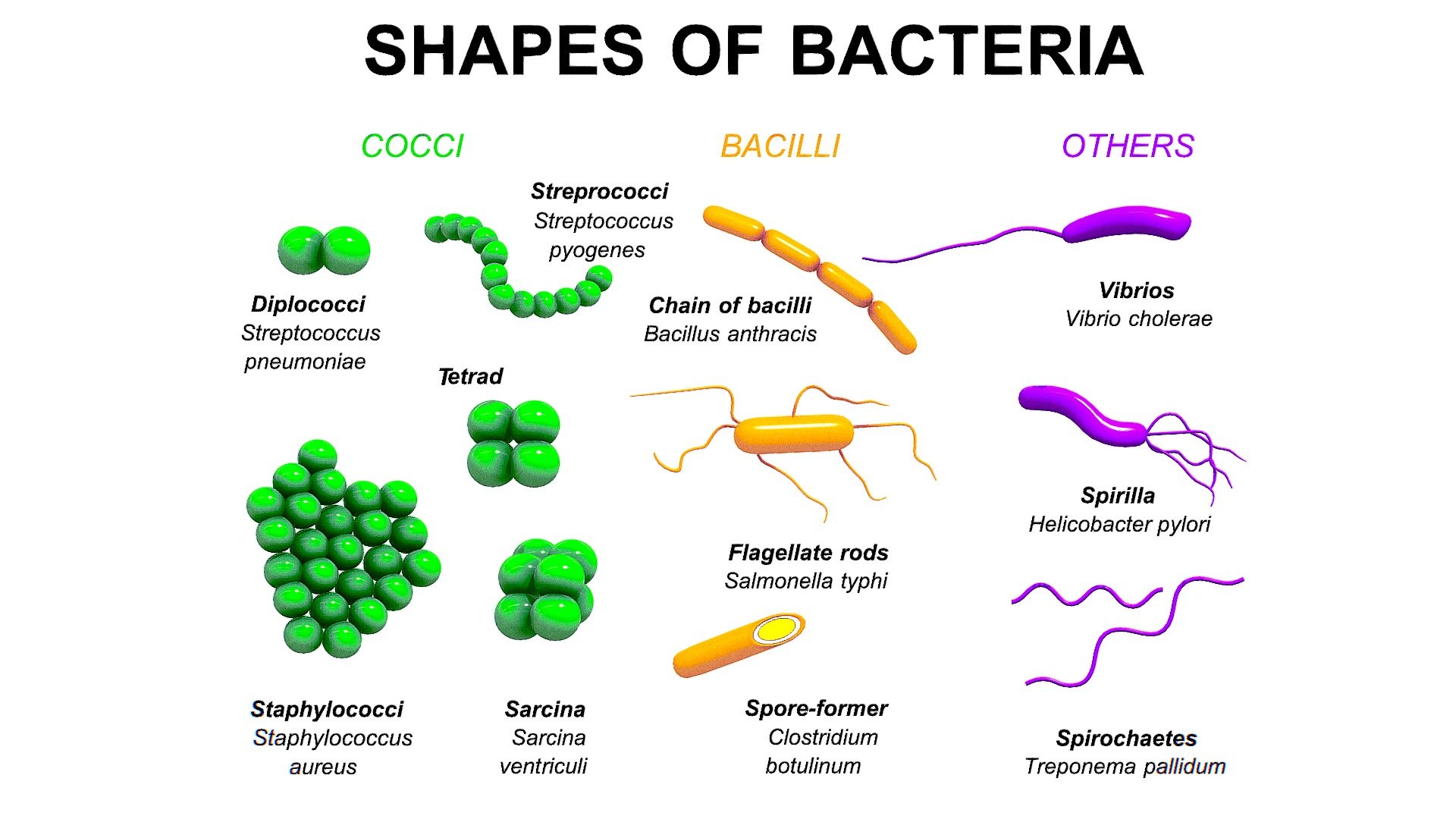
The microscopic world of bacteria, though invisible to the naked eye, underpins vast ecological systems and directly impacts human health, agriculture, and industry. Understanding these ubiquitous microorganisms often begins with their fundamental physical characteristics, primarily their shape. While thousands of bacterial species exist, their forms predominantly fall into three categories: cocci (spherical), bacilli (rod-shaped), and spirilla (spiral). The modern technological landscape has revolutionized our ability to identify, analyze, and even manipulate these shapes, moving beyond traditional microscopy to incorporate advanced imaging, artificial intelligence (AI), and sophisticated computational tools.

High-Throughput Imaging and AI for Rapid Diagnosis
Traditional microbiological identification relied heavily on manual microscopy, a labor-intensive and time-consuming process prone to human error. Today, high-throughput imaging systems, integrating automated microscopes with digital cameras, can capture thousands of bacterial images in a fraction of the time. These systems are often paired with sophisticated AI algorithms, particularly deep learning models like convolutional neural networks (CNNs), which are trained on vast datasets of labeled bacterial images. These AI tools can rapidly and accurately classify bacteria based on their morphology, often differentiating between species or even strains with subtle shape variations. This technological leap has profound implications for clinical diagnostics, enabling quicker identification of pathogens in patient samples, which is critical for timely treatment of infections and mitigating antibiotic resistance. Beyond clinical settings, this technology is invaluable in environmental monitoring, food safety, and industrial microbiology, where rapid identification of contaminants or beneficial microbes is essential.
Computational Tools for Morphological Analysis and Strain Classification
Beyond mere identification, computational tools provide deeper insights into bacterial morphology. Software packages can perform quantitative morphometrics, measuring specific parameters like cell length, width, curvature, and aspect ratio with high precision. This granular data allows researchers to detect subtle changes in shape that might indicate environmental stress, the presence of antimicrobial agents, or even genetic mutations. For instance, some bacteria may alter their shape (e.g., become elongated) in response to sublethal doses of antibiotics, a phenomenon that can be quantitatively tracked using these tools. Furthermore, advanced bioinformatics platforms integrate morphological data with genomic sequencing data, offering a holistic view of bacterial identity and function. By correlating specific genes with particular shapes or shape-modifying capabilities, scientists can uncover novel pathways and develop targeted interventions. This multi-modal approach is pivotal in understanding bacterial evolution, virulence mechanisms, and potential vulnerabilities.
Cocci: Spherical Forms in Diagnostic and Drug Discovery Tech
Cocci, or coccus bacteria, are characterized by their spherical or ovoid shape. This group includes many medically significant pathogens such as Staphylococcus aureus (responsible for staph infections) and Streptococcus pneumoniae (a common cause of pneumonia and meningitis). The uniformity of their shape might suggest simplicity, but technology is uncovering complex behaviors and leveraging their characteristics for advanced applications.
Automated Image Recognition for Coccal Pathogens
The consistent spherical morphology of cocci makes them ideal candidates for automated image recognition systems. AI-powered diagnostic platforms are increasingly deployed in clinical laboratories to identify cocci quickly from patient samples, such as blood cultures or urine. These systems can accurately count and classify cocci, often distinguishing between single cells, pairs (diplococci), chains (streptococci), or clusters (staphylococci), which are key indicators for species identification. This automation reduces the workload on microbiologists, minimizes inter-observer variability, and significantly shortens the time to diagnosis, leading to more effective patient management. Furthermore, advancements in microscopy, such as super-resolution imaging, allow researchers to visualize internal structures and cell division patterns of cocci with unprecedented detail, providing new targets for antimicrobial development.
AI-Assisted Drug Screening for Spherical Bacteria
The fight against antibiotic resistance necessitates the rapid discovery of new antimicrobial agents. AI is transforming this process, particularly for pathogens like methicillin-resistant Staphylococcus aureus (MRSA). Machine learning models can analyze vast chemical libraries and predict compounds likely to have antimicrobial activity against specific cocci, significantly narrowing down the candidates for laboratory testing. Beyond predicting efficacy, AI can also model the interaction of drugs with bacterial cell walls or essential proteins, identifying novel mechanisms of action. High-throughput screening (HTS) robotics, coupled with AI analytics, can test thousands of compounds against coccal cultures, identifying those that inhibit growth or disrupt morphology. This tech-driven approach accelerates the drug discovery pipeline, offering hope for combating increasingly resistant spherical pathogens.
Bacilli: Rod-Shaped Microbes and Their Role in Bioengineering and Data Science
Bacilli, or bacillus bacteria, are rod-shaped, a form that encompasses a wide range of bacteria, from beneficial gut microbes like Lactobacillus to notorious pathogens such as Escherichia coli and Bacillus anthracis. Their elongated structure often correlates with specific physiological functions, making them particularly interesting for bioengineering and data-driven analyses.

Synthetic Biology Platforms for Engineering Bacillary Function
The relatively straightforward, often modular structure of rod-shaped bacteria makes them prime candidates for synthetic biology applications. Researchers are using gene editing tools like CRISPR-Cas9 to precisely modify the genomes of bacilli, engineering them to produce biofuels, pharmaceuticals (e.g., insulin), or biodegradable plastics. The rod shape itself can be exploited; for instance, engineered bacilli can be designed to form biofilms with specific structural properties or to act as micro-factories within bioreactors, their elongated form optimizing surface area for nutrient uptake or product secretion. Advanced computational modeling allows scientists to predict the outcomes of genetic modifications on bacillary metabolism and morphology, optimizing these “designer microbes” for industrial applications with unprecedented efficiency.
Data Analytics for Understanding Bacillary Growth and Resistance
The extensive research conducted on common bacilli like E. coli has generated enormous datasets relating to their growth curves, genetic mutations, and resistance mechanisms. Data analytics plays a crucial role in extracting meaningful insights from this wealth of information. Machine learning models can identify patterns in gene expression that correlate with antibiotic resistance in bacilli, predicting how certain strains might respond to different treatments. Furthermore, image analysis combined with time-lapse microscopy can track individual bacillary cells, providing data on division rates, cell length variations, and population dynamics under various conditions. This granular data helps in building predictive models for disease outbreaks, optimizing fermentation processes, and designing more effective antimicrobial strategies specifically targeting the physiology influenced by their rod-like shape.
Spirilla: Helical and Curvilinear Bacteria in Advanced Biometrics and Nanotechnology
Spirilla, encompassing spiral and curved forms (like vibrios and spirochetes), represent a diverse group of bacteria, many of which are known for their distinctive motility and pathogenicity. Examples include Helicobacter pylori (linked to stomach ulcers) and Treponema pallidum (the causative agent of syphilis). Their unique morphology and often complex flagellar arrangements present fascinating challenges and opportunities for technological innovation.
Robotic Micromanipulation and Bio-Inspired Design
The helical shape and corkscrew-like motility of many spirilla are a marvel of natural engineering. Researchers are studying the biomechanics of these bacteria using advanced robotic micromanipulation systems, which can trap and precisely move individual cells, allowing for detailed observation of their swimming patterns and interaction with surfaces. This research isn’t merely academic; it inspires bio-inspired design. The efficient propulsion mechanisms of spirochetes, for instance, are being studied for the development of tiny, self-propelling nanobots that could deliver drugs to specific targets within the human body, navigate through complex fluidic environments, or perform microscopic surgery. The unique shape and flagellar architecture provide a blueprint for miniature robotics with unprecedented dexterity and control.
Digital Modeling of Spirochete Motility and Virulence
The complex flagellar apparatus of spirochetes, which are typically embedded within the cell body (endoflagella), allows them to move through viscous environments like tissue and mucus. Computational fluid dynamics (CFD) and sophisticated digital modeling are critical tools for understanding this unique motility. Scientists create detailed 3D models of spirochetes and their flagella, simulating their movement through different media and predicting how changes in cell shape or flagellar rotation impact their swimming efficiency and ability to invade host tissues. This modeling provides crucial insights into the virulence mechanisms of pathogens like Treponema pallidum and Borrelia burgdorferi (Lyme disease), identifying potential targets for novel therapeutic interventions that disrupt their movement and colonization capabilities. The interplay between shape, motility, and pathogenicity is increasingly elucidated through these high-fidelity digital simulations.
The Evolving Tech Landscape for Bacterial Shape Exploitation
The technological advancements in studying bacterial shapes are not static; they are continuously evolving, pushing the boundaries of what is possible in microbiology, medicine, and engineering. The granular understanding of bacterial morphology, facilitated by AI, advanced imaging, and computational biology, is paving the way for revolutionary applications.
Predictive Analytics for Global Health Surveillance
By combining automated bacterial identification based on shape with epidemiological data, AI-driven predictive analytics platforms can monitor and forecast the spread of bacterial infections globally. These systems can identify emerging resistant strains by tracking subtle morphological changes or growth patterns, providing early warning signals for public health interventions. This integration of morphology, genomics, and epidemiological data transforms reactive disease control into proactive global health surveillance, utilizing vast datasets to predict and mitigate health crises before they escalate.
Personalized Medicine and Microbiome Engineering
The human microbiome, a complex ecosystem of bacteria, significantly influences health and disease. Future technologies will allow for highly personalized interventions based on the specific shapes and species of bacteria present in an individual’s gut or other body sites. AI-powered diagnostics will identify specific bacterial shapes indicative of dysbiosis, and synthetic biology tools will engineer rod-shaped or spherical probiotics tailored to an individual’s unique needs, modifying their shape or function to restore balance. This level of personalized microbiome engineering, informed by a deep understanding of bacterial morphology and function, holds immense promise for treating a wide range of conditions, from metabolic disorders to autoimmune diseases, marking a new era in precision medicine.
aViewFromTheCave is a participant in the Amazon Services LLC Associates Program, an affiliate advertising program designed to provide a means for sites to earn advertising fees by advertising and linking to Amazon.com. Amazon, the Amazon logo, AmazonSupply, and the AmazonSupply logo are trademarks of Amazon.com, Inc. or its affiliates. As an Amazon Associate we earn affiliate commissions from qualifying purchases.