
The notion of a dog settling in for a movie night with its human companions is a heartwarming image. But beyond the anthropomorphic appeal, a critical technical question arises: are our canine friends truly perceiving the vibrant, dynamic content displayed on our television screens, or are they merely observing a flickering light show? The answer lies at the fascinating intersection of display technology and canine visual physiology, revealing a nuanced reality far more complex than a simple yes or no. Understanding how dogs perceive television involves a deep dive into refresh rates, color spectrums, visual acuity, and the evolving landscape of digital displays.

The Technical Evolution of Canine TV Viewing
The ability for a dog to “see” television is inextricably linked to the underlying display technology. Early televisions presented significant technical hurdles for canine viewers, primarily due to their operational mechanics.
Early Televisions and Flicker Fusion Rates
The cathode-ray tube (CRT) televisions, ubiquitous for decades, operated by rapidly scanning an electron beam across a phosphorescent screen, creating images through a sequence of discrete frames. These older sets typically had refresh rates of 50 or 60 Hz (frames per second). While this rate was largely sufficient to create the illusion of continuous motion for humans, it presented a different experience for dogs.
The concept of “flicker fusion rate” (FFR) is paramount here. FFR is the frequency at which individual light flashes blur together into continuous, steady light, preventing the perception of flicker. Humans generally have an FFR of around 60-70 Hz, meaning most people perceive a 60 Hz display as smooth. However, dogs possess a significantly higher FFR, estimated to be between 70 to 80 Hz, and in some cases, even higher. This heightened sensitivity to flicker is an evolutionary advantage, allowing them to detect subtle movements in their environment, crucial for hunting and survival. Consequently, on a 50 or 60 Hz CRT screen, dogs would likely perceive the individual frames as distinct, rapidly flickering images rather than fluid motion, akin to watching a rapidly changing slideshow. Their superior FFR meant that the technology of the era simply couldn’t keep pace with their visual processing capabilities, limiting their engagement to intermittent flashes of light and general motion.
Modern Displays and High Refresh Rates
The advent of modern display technologies — LCD, LED, OLED, and QLED — has dramatically altered the landscape of television viewing for all species. These technologies have largely overcome the flicker challenge that plagued older sets. Contemporary televisions boast refresh rates commonly ranging from 120 Hz to 240 Hz, with some high-end gaming monitors pushing even higher. These accelerated refresh rates operate well above the canine FFR threshold.
For a dog, this means that the motion displayed on a modern TV appears smooth and continuous, much as it does for humans. The rapid succession of frames blends seamlessly, allowing them to track moving objects, follow action sequences, and potentially even recognize familiar figures or animals with greater clarity. While dogs may not appreciate the minute details of a 4K Ultra HD resolution as humans do, the overall clarity and stability of the image afforded by higher resolution and flicker-free refresh rates significantly enhance their viewing experience. This technological leap is the primary reason why dogs today are more likely to show sustained interest in a TV screen than their counterparts from a few decades ago. The display technology has finally caught up to their rapid visual processing.
Canine Vision Science Meets Display Technology
Beyond the fundamental aspect of flicker, other elements of canine vision profoundly influence what and how they perceive on a television screen. Understanding these differences provides crucial insights into optimizing canine content and appreciating their unique perspective.
Color Perception: Dichromatic Vision and TV Color Palettes
One of the most significant differences between human and canine vision lies in color perception. Humans are “trichromats,” possessing three types of cone cells in our retinas, allowing us to perceive the full spectrum of red, green, and blue light, and their countless combinations. This enables us to distinguish a vast array of colors.
Dogs, conversely, are “dichromats.” They primarily have two types of cone cells, meaning their color perception is similar to that of a person with red-green color blindness. Their visual spectrum is largely dominated by shades of blue and yellow. They can distinguish blues from yellows, but greens, reds, and oranges often appear as various shades of yellow or grey.
Modern televisions are designed to render a vast color palette, typically targeting the human trichromatic visual system. While this allows for stunning, vibrant imagery for human viewers, a significant portion of this color information is lost on dogs. A bright red ball on screen might simply appear as a yellowish-grey blob to a dog. This doesn’t mean dogs see in black and white; rather, their world, and consequently their television experience, is rich in blues, violets, and yellows, with greens and reds being less distinct. This has implications for content creators hoping to engage canine audiences, suggesting that emphasizing objects and scenes rich in blue and yellow hues might be more visually stimulating for dogs.
Acuity and Distance: Optimizing the Canine Viewing Experience
Visual acuity refers to the sharpness of vision, or the ability to discern fine details. Humans typically boast a visual acuity of 20/20, meaning we can clearly see an object from 20 feet away that a person with normal vision could see from 20 feet. Dogs, on the other hand, generally have poorer visual acuity, often estimated to be around 20/75. This means that to see an object with the same clarity as a human at 20 feet, a dog would need to be 20 feet away from an object that a human could see from 75 feet. In practical terms, dogs perceive the world with less detail and sharpness than humans.
However, dogs excel at detecting motion, especially at a distance. Their peripheral vision is also superior to humans, aiding in motion detection. When it comes to TV viewing, their lower acuity means they may not discern the intricate textures or subtle facial expressions that captivate human viewers. Instead, they are more likely to react to large, moving objects, rapid changes in scene, or familiar shapes.
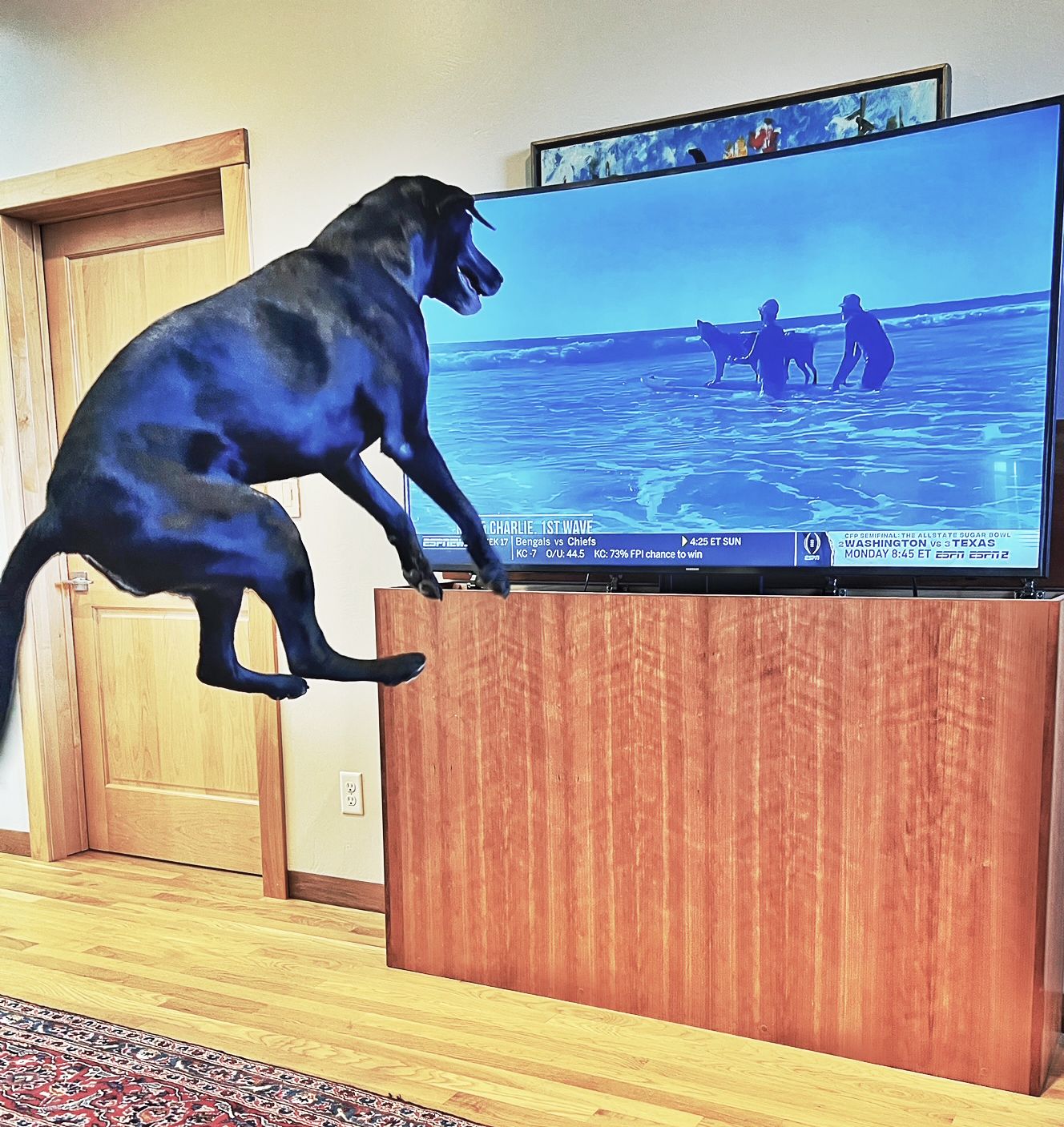
Optimizing a dog’s viewing experience might involve considering screen size and viewing distance. A larger screen, even from a slight distance, can present larger, more discernible moving objects. A dog might also prefer to sit closer to the screen to enhance detail, though their natural inclination for motion detection might mean they are equally engaged from further away, reacting to the overall movement rather than specific elements.
The Role of Audio and Content in Canine Engagement
While visual fidelity has improved dramatically, the holistic television experience for dogs extends far beyond what they merely see. Sound and specifically designed content play a crucial role in captivating their attention.
Beyond Visuals: The Importance of Sound Design
Dogs possess an auditory system far more sophisticated than ours. They can hear a wider range of frequencies (up to 45-65,000 Hz compared to humans’ 20-20,000 Hz) and detect sounds from much greater distances. Their ability to localize sound is also superior, allowing them to pinpoint the source of a noise with remarkable accuracy.
Given this, it’s unsurprising that sound often plays an equal, if not dominant, role in a dog’s reaction to television. A dog might ignore the visual content entirely until a familiar sound — a doorbell, a bark, a squeaky toy, or the specific tone of a human voice — emanates from the speakers. These auditory cues can trigger an immediate, often enthusiastic, response, leading them to look at the screen or investigate the source of the sound.
For optimal canine engagement, high-quality audio is paramount. Clear dialogue, realistic animal sounds, and specific frequency ranges that dogs are attuned to can make a profound difference. This suggests that while a crisp visual is important, investing in good speaker systems or considering sound-enhancing technology might be just as crucial for a truly immersive canine viewing experience.
Tailored Content: The Niche of “Dog TV” and Specialized Media
Recognizing the unique technical aspects of canine perception, a niche market for “dog TV” and specialized media has emerged. These channels and streaming services are specifically designed with dogs in mind, leveraging our understanding of their visual and auditory capabilities.
Technically, this content often incorporates several key features:
- High Refresh Rates & Flicker-Free Footage: Ensuring smooth motion that aligns with a dog’s high FFR.
- Dog-Friendly Color Palettes: Emphasizing blues, yellows, and grays, while minimizing reds and greens that dogs struggle to perceive distinctly. This means scenes are carefully composed to ensure key elements are visible in the canine spectrum.
- Slow-Moving Objects and Familiar Shapes: Content frequently features slow-panning shots, large, easily discernible objects, and animals (especially other dogs or prey animals) to cater to their lower visual acuity and natural interest.
- Targeted Sound Frequencies and Cues: Soundtracks are often rich with specific frequencies known to attract dog attention, such as high-pitched squeaks, barks, whines, and soothing music designed to calm or stimulate. Familiar sounds like doorbells, chirping birds, or human praise are strategically integrated.
- Absence of Startling Elements: To avoid distress, these programs typically shy away from loud, sudden noises or rapidly changing, chaotic visuals that might startle or confuse a dog.
These platforms represent a sophisticated application of technological understanding to cater to a unique audience, demonstrating that when technology is designed with specific biological parameters in mind, truly engaging experiences can be created.
Future Tech: Interactive Displays and AI-Enhanced Canine Entertainment
As technology continues its rapid advancement, the potential for enhancing canine engagement with digital media grows exponentially. The future of “dog TV” may involve far more than just passive viewing.
Smart TVs and Personalized Dog Content
The integration of artificial intelligence (AI) and smart home technology holds immense promise for tailoring canine entertainment. Imagine a smart TV equipped with a camera and AI algorithms capable of analyzing a dog’s behavior. This system could learn which types of content elicit the most positive responses – specific breeds, types of sounds, or even movement patterns.
Based on these observations, the AI could curate personalized playlists of “dog TV” content. If a dog frequently reacts to scenes with squirrels, the system could prioritize squirrel-centric programming. Furthermore, smart TVs could integrate with other smart home devices. For instance, if a dog is left alone, the system could automatically initiate a calming program designed to reduce separation anxiety, complete with soothing visuals and tranquil audio, playing only when the dog is in the room. This moves beyond generic dog content to truly adaptive and responsive media.
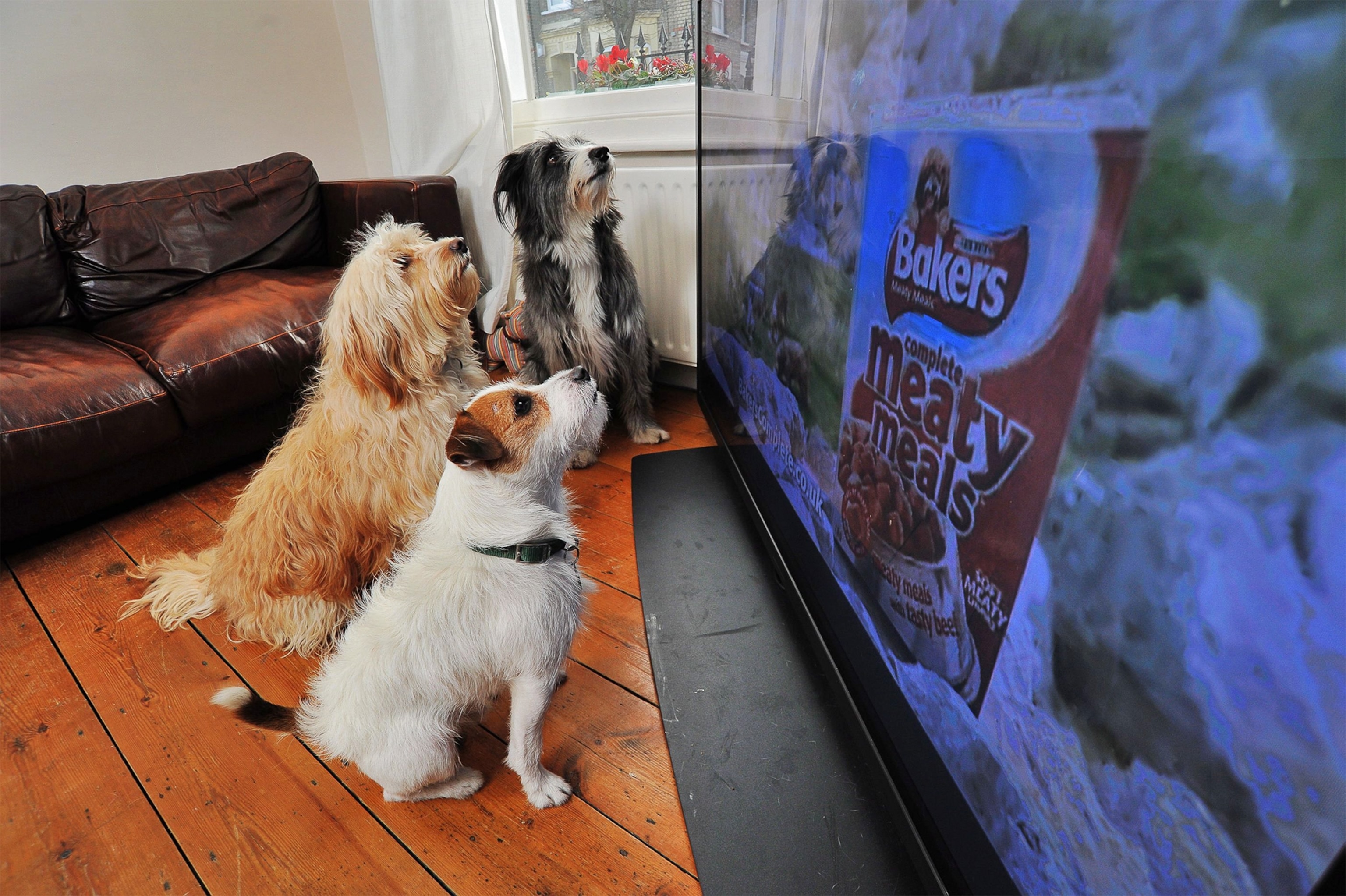
Beyond the Screen: Virtual Reality and Augmented Reality for Dogs?
While still largely speculative, the long-term potential of virtual reality (VR) and augmented reality (AR) for canine enrichment offers an intriguing frontier. The immersive nature of VR could theoretically transport a dog to a virtual park, a field full of rabbits, or an endless beach, offering environmental enrichment beyond the confines of their physical space. AR, which overlays digital information onto the real world, could allow a dog to “chase” virtual mice across the living room floor or interact with digital companions.
However, significant technical challenges remain. Designing VR headsets that comfortably fit a dog’s head, addressing potential motion sickness, and creating intuitive interfaces that dogs can understand are complex hurdles. The fundamental challenge lies in translating human-centric VR/AR technology into a truly canine-friendly experience. Yet, as haptic feedback improves and brain-computer interface (BCI) research progresses, the possibility of creating genuinely interactive, stimulating, and therapeutically beneficial virtual environments for dogs, bypassing traditional screens altogether, might not be as far-fetched as it once seemed. This represents the ultimate convergence of advanced display and interactive technology with animal welfare.
aViewFromTheCave is a participant in the Amazon Services LLC Associates Program, an affiliate advertising program designed to provide a means for sites to earn advertising fees by advertising and linking to Amazon.com. Amazon, the Amazon logo, AmazonSupply, and the AmazonSupply logo are trademarks of Amazon.com, Inc. or its affiliates. As an Amazon Associate we earn affiliate commissions from qualifying purchases.