
The Imperative for a Robust Digital Examination Management System
For any command or organization overseeing advancement exams, the choice of a system isn’t merely a matter of convenience; it’s a strategic decision impacting operational efficiency, fairness, security, and ultimately, the caliber of its personnel. Moving beyond archaic, manual, or piecemeal solutions is no longer optional but an absolute imperative in a digitally driven world. Manual processes, often involving physical paperwork, disparate spreadsheets, and ad-hoc communication channels, are fraught with inefficiencies. They introduce significant room for human error in registration, scheduling, proctoring, and scoring. Delays become endemic, data consistency suffers, and the very fairness of the examination process can be called into question due to lack of standardization and transparency.
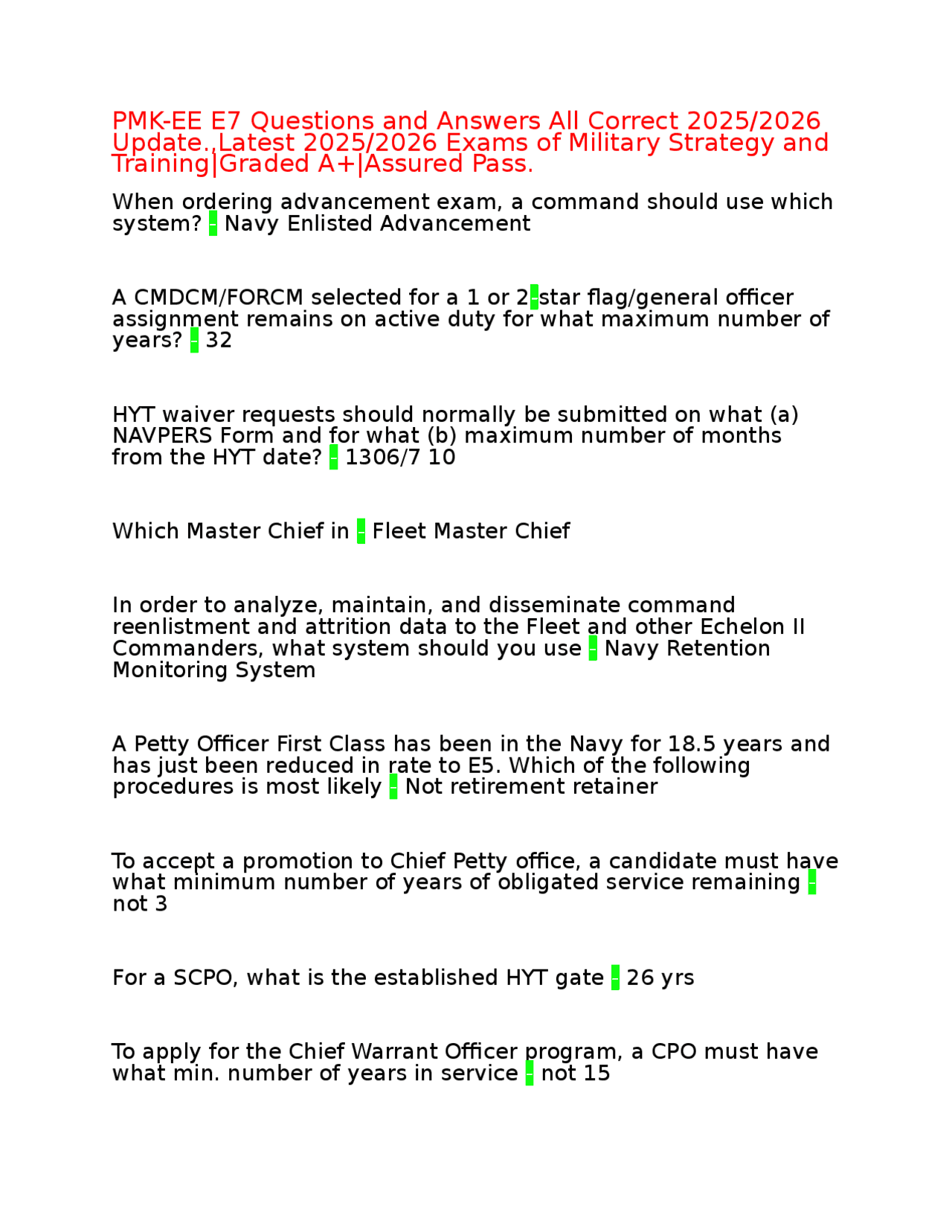
Outdated systems create bottlenecks that drain administrative resources, diverting valuable personnel from more strategic tasks. The lack of real-time insights makes it difficult to track candidate progress, identify systemic weaknesses, or even confidently report on exam readiness and outcomes. Furthermore, without a centralized, digitally secure platform, sensitive candidate information and proprietary exam content are vulnerable to breaches, unauthorized access, or loss, posing significant compliance and ethical risks. A robust digital examination management system (EMS) addresses these challenges head-on, delivering a standardized, efficient, and highly secure environment essential for a modern command.
Core Functionalities of an Ideal Advancement Exam System
An optimal advancement exam system is more than just a digital repository; it’s an integrated platform designed to streamline every facet of the examination lifecycle. Its architecture must be comprehensive, addressing the needs of candidates, administrators, proctors, and decision-makers alike.
Centralized Candidate and Exam Tracking
At its foundation, an EMS must provide a centralized database for all candidate information, including demographics, past exam history, qualifications, and progression records. This eliminates redundant data entry and ensures a single source of truth. Simultaneously, it should manage all exam-related assets: question banks, exam versions, scoring rubrics, and eligibility criteria. This central hub facilitates accurate record-keeping, streamlines audit processes, and provides a clear, transparent history of each individual’s journey through the advancement process.
Automated Scheduling and Notification
Manual scheduling is a logistical nightmare for large organizations. An advanced EMS offers automated scheduling features that allow administrators to define exam windows, allocate resources (e.g., proctors, testing centers), and manage seat capacities with ease. Crucially, it should include a self-service portal for candidates to register for exams, select preferred timeslots (within defined parameters), and receive automated notifications regarding their registration status, exam details, reminders, and results. This reduces administrative overhead and empowers candidates with greater control and transparency.
Secure Exam Delivery and Proctoring
For commands embracing online or blended learning, secure exam delivery is paramount. The system should support various exam formats—multiple-choice, essay, practical assessments—and feature robust mechanisms to prevent cheating. This includes lockdown browsers, secure online proctoring tools (AI-powered or human-monitored) with identity verification, and advanced anti-plagiarism functionalities. Question banks should be dynamic, allowing for randomization of questions and versions to enhance security and prevent memorization. For physical exams, the system should facilitate secure printing, distribution, and collection protocols.
Comprehensive Scoring and Reporting
Automated grading for objective questions drastically reduces turnaround times and eliminates scoring inconsistencies. For subjective assessments, the system should provide tools for proctors to efficiently input scores and feedback. Critically, the EMS must generate comprehensive reports and analytics. These reports should offer insights into candidate performance trends, exam item difficulty, proctor effectiveness, and overall program efficacy. Customizable dashboards allow decision-makers to visualize key metrics, identify areas for improvement, and ensure the integrity and validity of the advancement process. Audit trails recording every action within the system provide an undeniable chain of custody for all exam-related activities and data.
Role-Based Access Control
Security and operational integrity demand precise control over who can access what information and perform which actions. An ideal system implements granular role-based access control (RBAC). Administrators might have full access to exam creation and candidate management, while proctors are limited to monitoring exams and inputting specific scores. Candidates, conversely, would only see their own exam schedules and results. This structured access prevents unauthorized modifications, protects sensitive data, and ensures operational clarity.
Ensuring Data Integrity and Digital Security
In any system dealing with personal data and critical organizational processes, digital security is non-negotiable. For advancement exams, the stakes are particularly high, given the sensitivity of candidate information and the impact of exam outcomes on careers.
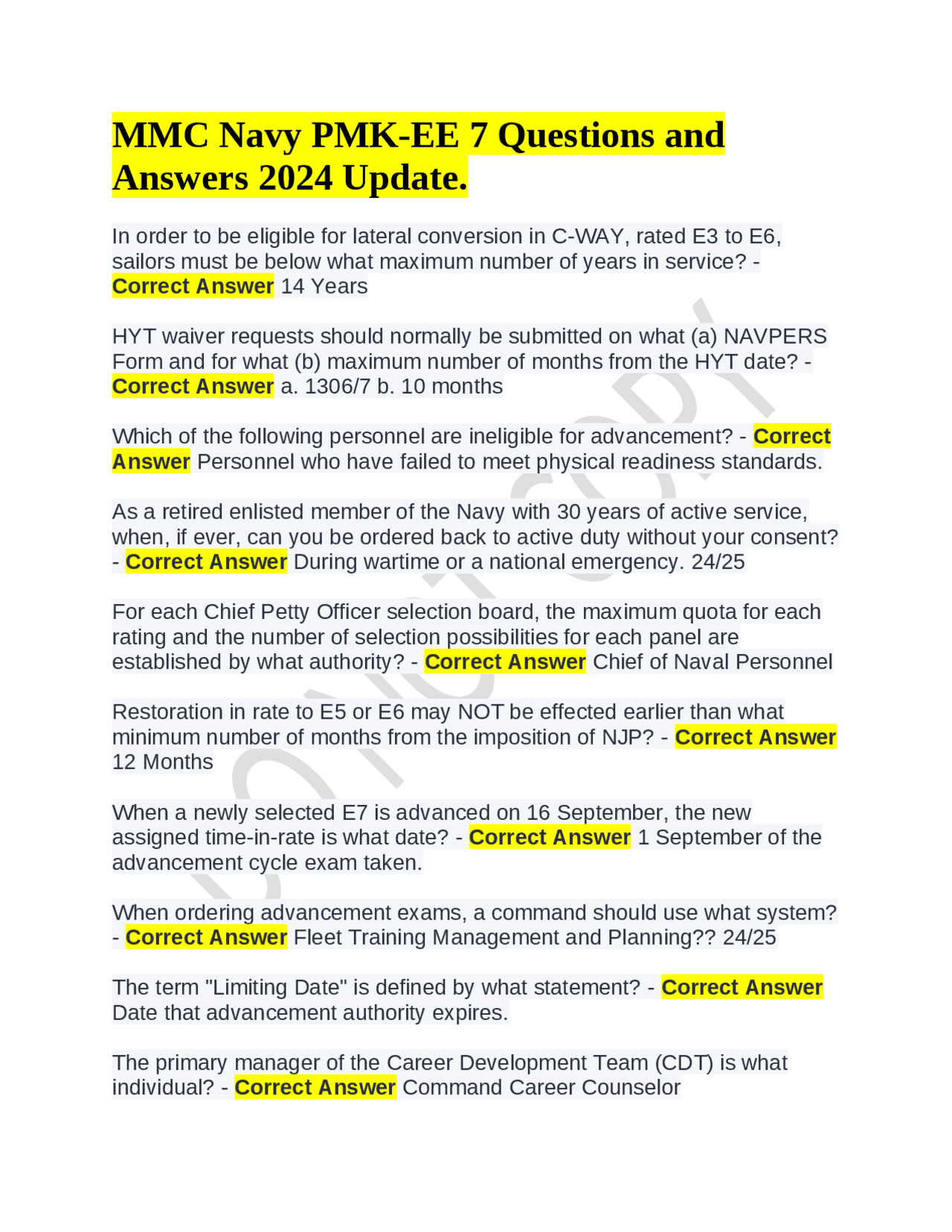
Encryption and Access Protocols
All data, both at rest and in transit, must be secured with industry-standard encryption protocols (e.g., AES-256 for data at rest, TLS/SSL for data in transit). Access to the system must be governed by strong authentication mechanisms, including multi-factor authentication (MFA), to prevent unauthorized entry. Password policies should enforce complexity and regular rotation.
Compliance with Regulations
Depending on the organization’s geographical location and the nature of the data collected, the EMS must comply with relevant data protection regulations such as GDPR, HIPAA, CCPA, or specific government cybersecurity frameworks. The system should facilitate data privacy impact assessments and offer features that support data subject rights, such as data access, rectification, and deletion. Internal organizational policies regarding data handling and privacy must also be strictly adhered to.
Audit Trails and Accountability
Every action performed within the system—from a candidate registering for an exam to an administrator modifying exam content or a proctor submitting scores—must be meticulously logged. These immutable audit trails are critical for accountability, troubleshooting, and demonstrating compliance during internal or external audits. They provide an irrefutable record of who did what, when, and where.
Disaster Recovery and Backup
To ensure business continuity and prevent data loss, the EMS must incorporate robust disaster recovery and backup strategies. Regular, automated backups of all data are essential, stored securely and off-site. A comprehensive disaster recovery plan should outline procedures for restoring service and data swiftly in the event of a system failure, cyber-attack, or natural disaster, minimizing disruption to critical advancement processes.
Integration, Scalability, and User Experience
A technologically advanced EMS doesn’t exist in a vacuum; its effectiveness is amplified by its ability to integrate with the broader organizational IT ecosystem and adapt to future needs, all while providing an intuitive experience for its diverse user base.
Seamless Integration with Existing HR/Learning Management Systems (LMS)
To prevent data silos and ensure a holistic view of personnel development, the EMS should integrate seamlessly with existing Human Resources Information Systems (HRIS) and Learning Management Systems (LMS). This integration allows for automatic transfer of candidate data, course completion records, and exam results, providing a comprehensive profile for each individual. Such interoperability eliminates manual data transfer errors and enhances the accuracy of talent management decisions. APIs (Application Programming Interfaces) are critical for enabling this data exchange.
Scalability for Growth and Evolving Needs
The chosen system must be designed for scalability. As the command grows, or as the number of advancement exams increases, or even as new exam types are introduced, the system should be able to handle increased loads without performance degradation. This includes accommodating a larger user base, more concurrent users, and growing data volumes. Cloud-native solutions often offer superior scalability and flexibility compared to on-premise deployments, allowing resources to be adjusted on demand.
Intuitive User Interface
Despite its powerful backend, the frontend user experience must be straightforward and intuitive for all users. Candidates should be able to navigate registration, access study materials, and view results effortlessly. Administrators and proctors require clear, logical workflows to manage exams, monitor candidates, and generate reports. A poorly designed interface leads to frustration, errors, and underutilization of the system’s capabilities, undermining its very purpose.
Mobile Accessibility
In today’s interconnected world, mobile accessibility is no longer a luxury but a necessity. The EMS should be responsive, offering a consistent and functional experience across various devices, including desktops, laptops, tablets, and smartphones. This allows candidates to check schedules or results on the go and provides flexibility for administrators and proctors to manage certain tasks remotely, enhancing overall operational agility.

The Future of Advancement Exam Systems: AI and Predictive Analytics
Looking ahead, the most sophisticated advancement exam systems will increasingly leverage artificial intelligence (AI) and predictive analytics to enhance every aspect of the process. AI can transform exam creation by generating high-quality questions, optimizing exam difficulty, and ensuring content validity. Adaptive testing, where the difficulty of subsequent questions adjusts based on a candidate’s real-time performance, provides a more precise measure of their true ability and offers a more personalized assessment experience.
Predictive analytics, fueled by historical data within the system, can identify candidates most likely to succeed or those who may require additional training before an exam. AI can also bolster security by identifying anomalous behavior patterns during online proctoring, flagging potential cheating incidents with higher accuracy than human observation alone. Furthermore, AI-driven insights can help commands optimize their training programs, identifying specific knowledge gaps across the force and tailoring educational interventions for maximum impact. By embracing these cutting-edge technologies, a command can move beyond merely ordering exams to strategically shaping the future readiness and proficiency of its personnel.
aViewFromTheCave is a participant in the Amazon Services LLC Associates Program, an affiliate advertising program designed to provide a means for sites to earn advertising fees by advertising and linking to Amazon.com. Amazon, the Amazon logo, AmazonSupply, and the AmazonSupply logo are trademarks of Amazon.com, Inc. or its affiliates. As an Amazon Associate we earn affiliate commissions from qualifying purchases.