
The odometer reading is often the first metric buyers scrutinize when considering a used car, frequently serving as an initial filter that can either spark interest or instantly dismiss a potential purchase. While seemingly straightforward, determining the “best” mileage for a used car is far from a simple calculation. For the financially savvy consumer, the optimal mileage isn’t merely a number; it’s a complex interplay of initial purchase price, depreciation, anticipated maintenance costs, and long-term financial viability. Understanding this nuanced relationship is crucial to making a fiscally sound investment rather than falling prey to common misconceptions.
The Mileage-Value Equation: Deconstructing the Myth of “Low Mileage Only”
Conventional wisdom often dictates that lower mileage equates to a better buy. While a car with fewer miles generally has less wear and tear on its major components, this simplified view overlooks significant financial dimensions. The mileage-value equation is more intricate, demanding a holistic assessment of immediate expenditure versus projected future costs and resale value.
Initial Purchase Price vs. Long-Term Costs
A car with significantly low mileage for its age will almost invariably command a higher initial purchase price. This premium reflects the perceived longevity and reduced immediate maintenance needs. However, a higher upfront cost ties up more capital and could lead to a steeper depreciation curve in the short term, especially if the car quickly accrues miles under your ownership. Conversely, a vehicle with moderate to high mileage often comes with a more attractive sticker price, leaving more room in your budget for unforeseen repairs or preventative maintenance, which are more likely with higher-mileage vehicles. The true financial benefit lies in balancing the initial cash outlay with the predicted total cost of ownership over your intended period of use. Ignoring this balance means potentially overpaying for a low-mileage car that might still incur age-related expenses, or underestimating the repair fund needed for a higher-mileage bargain.
The “Sweet Spot” Fallacy
Many buyers hunt for a “sweet spot” — often cited as 40,000 to 70,000 miles — believing this range offers the best compromise between wear and tear and remaining useful life. While cars in this range have typically passed their initial depreciation hump and generally haven’t started experiencing major component failures associated with much higher mileage, framing it as a universal “sweet spot” can be misleading. A car with 80,000 miles that has been meticulously maintained, with comprehensive service records and a history of gentle highway driving, may prove a far more financially prudent acquisition than a 60,000-mile vehicle that has endured harsh city driving, inconsistent servicing, and a history of minor accidents. The “sweet spot” is less about the absolute number and more about the confluence of mileage, maintenance history, and vehicle condition, all of which directly impact future financial outlays.
Beyond the Odometer: What Really Drives Value and Risk
While mileage provides a snapshot of a vehicle’s life, it’s merely one chapter in its financial story. Savvy used car buyers understand that a complete financial assessment requires delving deeper into factors that often have a more profound impact on long-term costs and value retention than mileage alone.
Maintenance History: The Financial Lifeline
A comprehensive and verifiable maintenance history is arguably more critical than the odometer reading. A car with 100,000 miles that has undergone all factory-recommended services on schedule, with records of oil changes, fluid flushes, belt replacements, and tire rotations, is often a more reliable and financially sound purchase than a 50,000-mile car with a spotty or non-existent service history. Neglecting routine maintenance accelerates wear and tear on critical components, leading to premature and costly failures. From a financial perspective, a documented history signifies that the previous owner invested in preserving the vehicle’s health, thereby reducing your risk of expensive, unexpected repairs immediately after purchase. Always prioritize transparency and verifiable records when evaluating a used vehicle; they represent a significant reduction in future financial uncertainty.
Age and Usage Patterns: More Than Just Numbers
A car’s age, irrespective of mileage, introduces another set of financial considerations. Rubber components, plastic parts, and seals degrade over time, leading to leaks, cracks, and failures even if the car has been driven sparingly. A five-year-old car with 20,000 miles (“low mileage”) might still require the replacement of hoses, belts, or fluids that have simply aged out, potentially incurring costs similar to a higher-mileage vehicle. Conversely, a car with higher mileage (e.g., 100,000 miles over three years) suggests significant highway driving, which typically causes less stress on a vehicle’s engine and transmission compared to frequent stop-and-go city traffic. Understanding the typical usage pattern can help predict wear on brakes, suspension, and other components, directly informing your financial budgeting for future maintenance.
Vehicle Type and Brand Reliability: A Cost Factor
The make and model of a car profoundly influence its inherent reliability and the cost of ownership, irrespective of mileage. Certain brands are renowned for their durability and lower maintenance costs, even at higher mileages. Investing in a vehicle from such a brand, even with moderate to high mileage, can often be a more financially secure decision than opting for a low-mileage car from a brand with a history of expensive repairs or frequent issues. Researching common problems for specific models at various mileage intervals and comparing parts and labor costs across brands will provide invaluable insight into the likely financial commitment of ownership. This due diligence ensures you’re not just buying a car, but investing in a predictable cost structure.
Calculating Your Risk Profile: Financial Implications of High vs. Low Mileage
Every used car purchase involves a degree of financial risk. The mileage on the odometer plays a significant role in defining this risk profile, influencing not only the purchase price but also your budget for maintenance, insurance, and future resale.
High Mileage: Lower Upfront, Higher Potential Future Expenses
Opting for a high-mileage vehicle (e.g., 100,000+ miles) typically means a lower initial purchase price, allowing you to acquire a newer model or a higher trim level than your budget would permit for a low-mileage equivalent. This can be a smart financial move if you’re prepared for the increased likelihood of maintenance and repairs. Components like alternators, starters, water pumps, suspension parts, and catalytic converters have finite lifespans and are more prone to failure as mileage climbs. Budgeting an adequate contingency fund (e.g., $1,000-$2,000 annually for potential repairs) is crucial. While the upfront savings are appealing, failing to account for these potential future expenses can quickly erode any perceived financial advantage, turning a bargain into a money pit.

Low Mileage: Higher Upfront, Potential for Hidden Age-Related Costs
A low-mileage vehicle, especially an older one, carries its own set of financial risks. The higher purchase price means more capital outflow initially. Furthermore, a car that has sat idle for extended periods can suffer from issues related to lack of use: dry-rotted tires, seized brakes, battery drain, degraded fluids, and rust in areas not typically affected by active use. These age-related problems can be just as costly to address as wear-and-tear issues on a high-mileage car. Buyers must scrutinize such vehicles carefully, understanding that “low mileage” does not inherently mean “low risk” or “low future cost.” An independent pre-purchase inspection is paramount to uncover these hidden financial liabilities.
The Certified Pre-Owned (CPO) Advantage: A Premium for Peace of Mind
For those seeking to mitigate financial risk, Certified Pre-Owned (CPO) programs offer a compelling option. These vehicles, typically low-mileage and newer models, undergo rigorous inspections by manufacturer-trained technicians and come with extended warranties. While CPO cars command a premium over their non-CPO counterparts, this higher price often translates into lower financial risk due to the manufacturer-backed warranty coverage for unexpected repairs. For buyers who prioritize predictability in their long-term budget and want to avoid the potential financial shocks of a conventional used car, the CPO premium can be a worthwhile investment in financial peace of mind.
Strategic Budgeting for Used Car Ownership
Incorporating mileage into your budgeting strategy is fundamental for responsible used car ownership. The initial cost is just one line item; true financial planning extends to the ongoing expenses influenced by a car’s mileage and condition.
Allocating for Unexpected Repairs
Regardless of mileage, no used car is immune to unexpected repairs. However, the probability and magnitude of these repairs generally increase with higher mileage. Financial prudence dictates setting aside an emergency fund specifically for vehicle maintenance and repairs. For a higher-mileage vehicle, this allocation might be more significant, perhaps $50-$100 per month, accumulated over time. This proactive budgeting prevents sudden repair bills from derailing other financial goals or forcing you into high-interest debt. For lower-mileage vehicles, a smaller, consistent allocation is still wise to cover routine services and the occasional unforeseen issue.
Depreciation and Future Resale Value Considerations
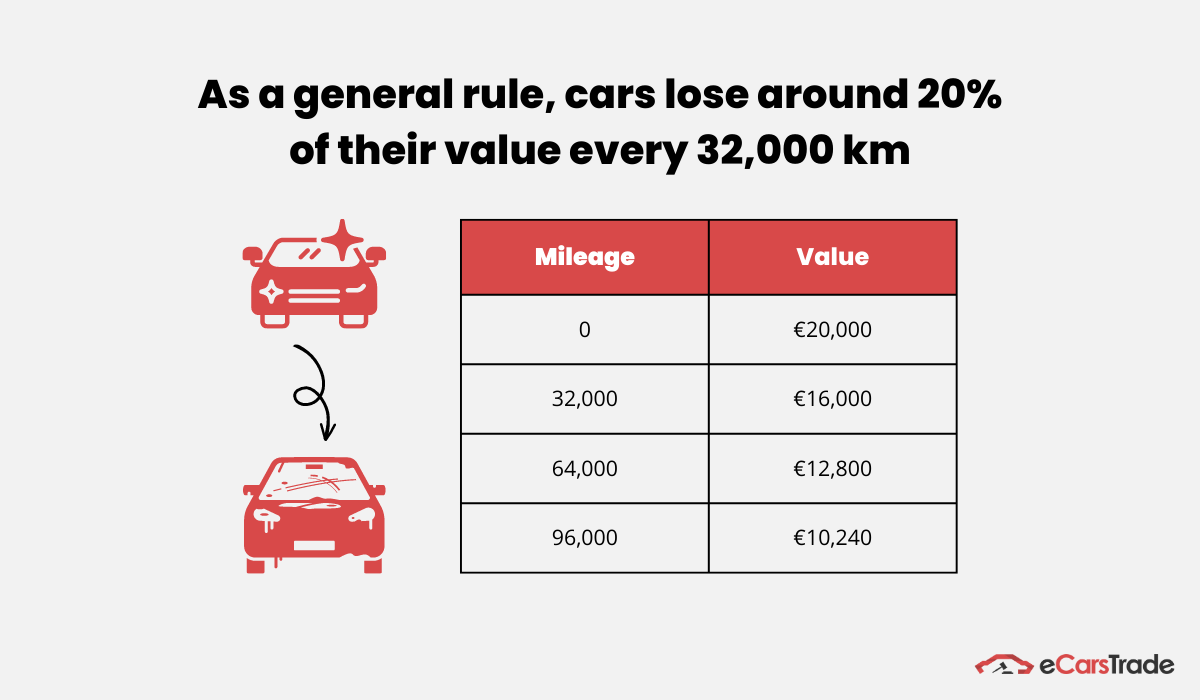
Mileage is a major determinant of a car’s depreciation and, consequently, its future resale value. A car with exceptionally low mileage, while expensive initially, might depreciate less percentage-wise over its first few years of ownership compared to a brand-new car. However, as it accrues miles under your ownership, its value will decrease more rapidly. Conversely, a higher-mileage car has already absorbed much of its depreciation, meaning its value might decline more slowly in absolute terms, but it will likely have a lower ceiling for resale. If retaining value for a future trade-in or sale is a priority, understanding the depreciation curve for the specific make and model at different mileage points is critical for your financial planning.
Insurance Costs and Their Relationship to Age/Mileage
While primarily influenced by the car’s age, make, model, and your driving record, mileage can indirectly affect insurance premiums. Older, higher-mileage vehicles might be cheaper to insure for comprehensive and collision coverage due to their lower replacement value. However, the type of usage implied by mileage (e.g., commuting for work vs. leisure driving) can also play a role. Always obtain insurance quotes for specific vehicles you are considering, as these costs can vary significantly and represent a substantial recurring expense in your overall ownership budget.
Making the Financially Prudent Decision
Ultimately, the “best” mileage for a used car is subjective and deeply personal, tied to your financial situation, risk tolerance, and intended use. There’s no magic number that guarantees financial success. Instead, it’s about making an informed, holistic decision based on a rigorous financial assessment.
Independent Inspection: An Essential Investment
The single most valuable investment you can make when buying any used car, regardless of its mileage, is a pre-purchase inspection (PPI) by an independent, trusted mechanic. This small upfront cost (typically $100-$200) can save you thousands of dollars by uncovering hidden mechanical issues, deferred maintenance, and potential safety concerns. A PPI provides an objective assessment of the vehicle’s true condition, helping you factor potential repair costs into your budget or negotiate a lower price. It’s a critical financial safeguard, translating directly into reduced risk and greater confidence in your purchase.
Research Market Values Thoroughly
Before committing to any vehicle, research its market value based on its year, make, model, trim, and — crucially — its mileage and condition. Tools like Kelley Blue Book, Edmunds, and NADA Guides offer robust data. Compare similar vehicles in your area to ensure the asking price is fair and competitive. Understanding the market allows you to identify overpriced “low-mileage” cars and undervalued “high-mileage” gems, empowering you to make a financially advantageous offer.

Negotiating Power and Mileage
Mileage can be a powerful negotiating tool. For higher-mileage vehicles, even if well-maintained, the higher number on the odometer gives you leverage to request a lower price. Conversely, for low-mileage vehicles, while the asking price might be firm, a thorough PPI revealing minor age-related issues could open a door for negotiation. Always be prepared to walk away if the seller isn’t willing to meet your reasonable financial expectations or address identified concerns. Your financial well-being is paramount, and patience is a virtue in the used car market.
In conclusion, the optimal mileage for a used car isn’t a fixed target but rather a variable that must be weighed against a host of other financial factors. By moving beyond the odometer and embracing a comprehensive financial assessment, you can make a truly insightful and economically sound decision that serves your needs for years to come.
aViewFromTheCave is a participant in the Amazon Services LLC Associates Program, an affiliate advertising program designed to provide a means for sites to earn advertising fees by advertising and linking to Amazon.com. Amazon, the Amazon logo, AmazonSupply, and the AmazonSupply logo are trademarks of Amazon.com, Inc. or its affiliates. As an Amazon Associate we earn affiliate commissions from qualifying purchases.