
The question “what’s the difference between petroleum jelly and Vaseline” is a quintessential branding inquiry, revealing the powerful interplay between a generic product category and a dominant brand name. At its core, the answer is elegantly simple yet profoundly impactful for understanding brand strategy: Vaseline is a brand of petroleum jelly. However, this seemingly minor distinction unpacks a rich narrative of brand development, market positioning, consumer perception, and the enduring power of brand equity.
The Genesis of a Household Name: Vaseline’s Origin Story
The story of Vaseline begins not with a marketing campaign but with a discovery. In the mid-19th century, Robert Chesebrough, a young chemist, observed oil workers in Titusville, Pennsylvania, using a gooey by-product from oil rigs to soothe their burns and cuts. This substance, which they called “rod wax,” intrigued Chesebrough. He took samples, refined the material, and after years of experimentation, patented the process for making a pure, stable form of what he initially called “petroleum jelly.”
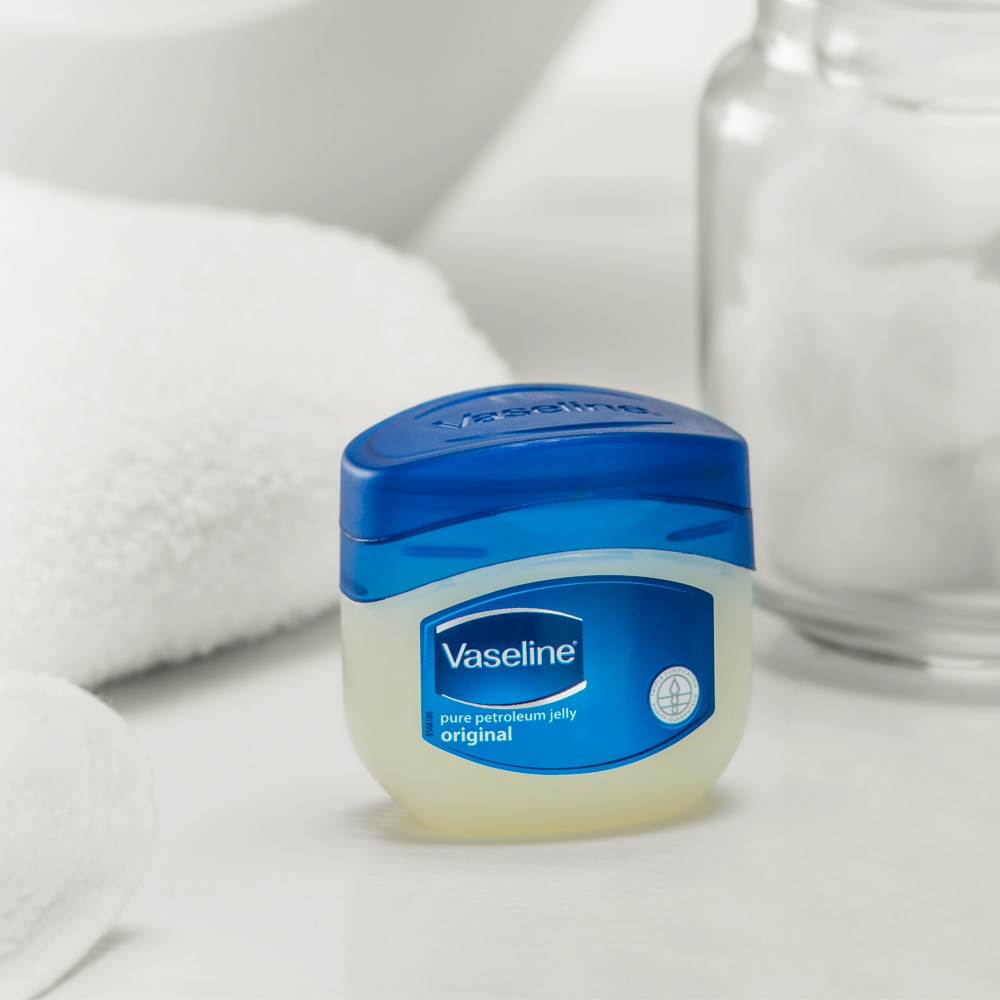
Chesebrough’s genius lay not just in the refinement of the substance but in his vision to market it to the general public. He began by touring New York state, demonstrating the product’s efficacy by burning his skin with acid or an open flame and then applying his “miracle jelly” for relief. This direct-to-consumer approach, coupled with compelling demonstrations, laid the groundwork for an iconic brand. In 1872, he coined the name “Vaseline,” reportedly a combination of the German word “wasser” (water) and the Greek word “elaion” (oil). This strategic naming move was crucial; it gave an unfamiliar, somewhat industrial-sounding product (“petroleum jelly”) an accessible, unique, and memorable identity. From these grassroots efforts, the Vaseline brand was born, demonstrating the critical role of a compelling origin story and a distinct brand name in market entry.
Understanding Generic vs. Brand: The Petroleum Jelly Landscape
To fully grasp the difference, it’s essential to delineate the concepts of a generic product and a specific brand within that category. Petroleum jelly is the generic term for a semi-solid mixture of hydrocarbons, typically derived from petroleum. It’s a broad category, much like “facial tissue” or “soda.” Vaseline, on the other hand, is a proprietary brand, specifically a registered trademark owned by Unilever, that produces and sells petroleum jelly products.
Defining Petroleum Jelly: Composition and Function
Petroleum jelly, irrespective of its brand, serves primarily as an occlusive barrier. It is hydrophobic, meaning it repels water, and forms a protective layer on the skin. This barrier prevents moisture loss, aids in healing by keeping wounds moist, and protects skin from environmental aggressors. Its inert nature means it is generally non-irritating, making it suitable for a wide range of uses, from protecting minor cuts and scrapes to moisturizing dry skin.
Chemically, petroleum jelly is a blend of mineral oils and waxes. The refining process is crucial for purity, removing impurities that could be irritating or harmful. Different manufacturers of generic petroleum jelly will adhere to various purity standards, but the core chemical composition and functional properties remain largely consistent across the generic category.
The Brand Premium: Beyond the Basic Ingredient
The Vaseline brand transcends the basic definition of petroleum jelly through its commitment to purity, consistency, and a century-long legacy of trust. While many companies produce petroleum jelly, Vaseline has meticulously cultivated a reputation for high-quality, triple-purified petroleum jelly. This “triple purification” claim, though not always deeply understood by consumers, has become a key brand differentiator. It suggests a superior product, one that is safer, purer, and more effective than generic alternatives.
This perceived premium is a cornerstone of brand strategy. It allows Vaseline to command a higher price point than many generic petroleum jelly products, despite the fundamental ingredient being the same. Consumers are not just buying petroleum jelly; they are buying the Vaseline experience—the perceived reliability, the familiarity, and the confidence that comes with a trusted household name. This is the essence of brand equity: the value a brand adds to a product beyond its functional benefits.
Marketing, Perception, and Market Dominance
Vaseline’s journey from a novel discovery to a global brand is a masterclass in effective marketing and shaping consumer perception. Its market dominance is not accidental but a result of deliberate branding strategies over many decades.
Building Trust and Association: Early Marketing Strategies
From its inception, Vaseline’s marketing focused on utility and versatility. Early advertising emphasized its many uses: healing cuts, soothing burns, moisturizing skin, and even polishing leather. This broad appeal helped ingrain the product into daily life across diverse demographics. The brand consistently communicated reliability and gentleness, fostering a sense of trust that became deeply embedded in the consumer psyche.
Moreover, Vaseline benefited from the psychological phenomenon where a leading brand name becomes synonymous with the product category itself. Much like “Kleenex” for facial tissue or “Xerox” for photocopying, Vaseline achieved “genericide” in common parlance—where its brand name became the generic term. While a legal challenge for trademark holders, this linguistic adoption is also a powerful indicator of unparalleled brand recognition and market penetration. It signifies that Vaseline not only owned a product category but effectively defined it for generations of consumers.
The Power of Brand Equity: Consumer Loyalty and Recognition
Brand equity is the commercial value derived from consumer perception of the brand name of a particular product or service, rather than from the product or service itself. Vaseline possesses immense brand equity. This equity is built on:
- Recognition: Nearly universal awareness of the Vaseline name.
- Perceived Quality: The belief that Vaseline’s petroleum jelly is superior due to its “triple purification” process.
- Brand Associations: Connections with healing, protection, moisture, and trustworthiness.
- Loyalty: A strong inclination for consumers to choose Vaseline over generic alternatives, even if the price is higher.
This strong brand equity allows Vaseline to maintain its market leadership despite intense competition from private labels and other generic brands. Consumers are often willing to pay a premium for the assurance and familiarity that the Vaseline brand offers, demonstrating that the “difference” often lies in the intangible value created by branding.
Brand Extension and Diversification: Evolution of Vaseline
A hallmark of a successful brand is its ability to adapt and grow beyond its initial core product. Vaseline, recognizing evolving consumer needs and market opportunities, strategically expanded its product portfolio.
Expanding the Product Line: Adapting to Consumer Needs
While Vaseline’s original petroleum jelly remains its flagship product, the brand has diversified significantly. This includes:
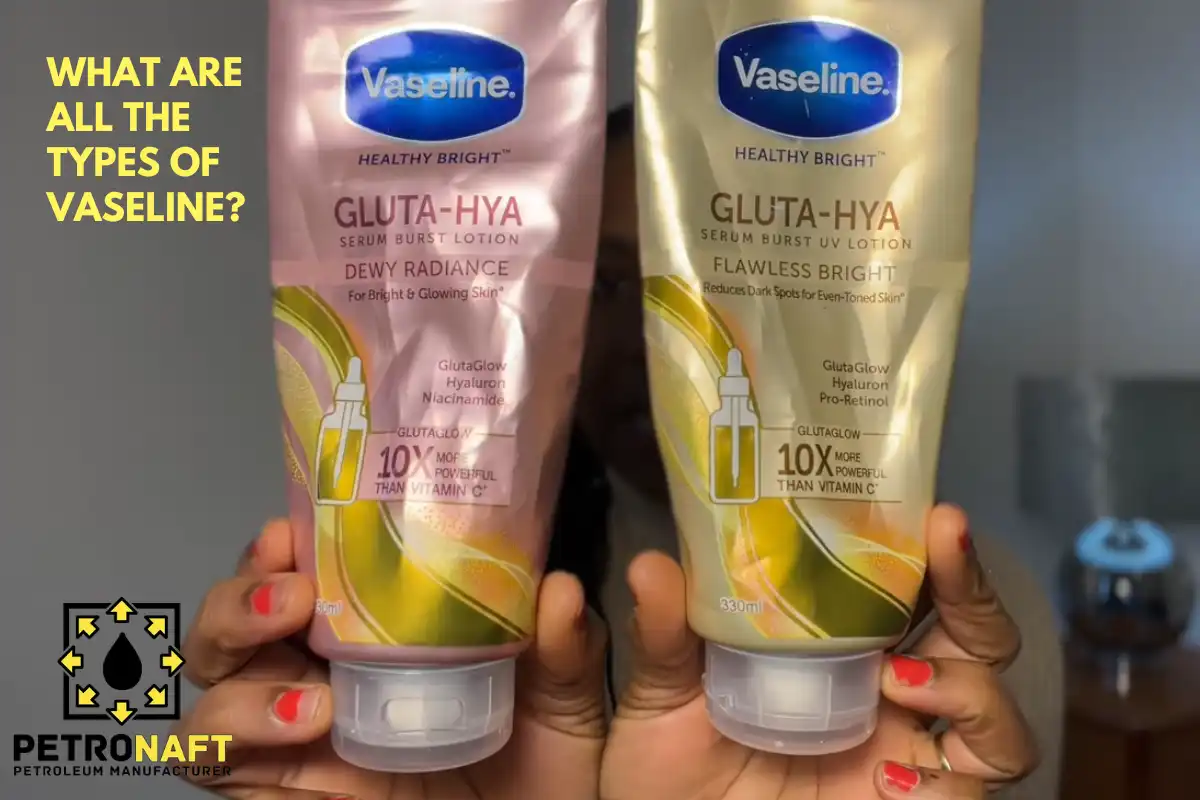
- Lotions and Moisturizers: Capitalizing on the brand’s association with skin healing and moisture, Vaseline introduced a wide range of lotions, such as the Intensive Care line, addressing specific skin concerns like dry skin, sensitive skin, or eczema. These products leverage the core brand promise of healing and protection, albeit in different formulations.
- Lip Care Products: Smaller, portable petroleum jelly products designed specifically for chapped lips, further extending the brand’s reach into personal care.
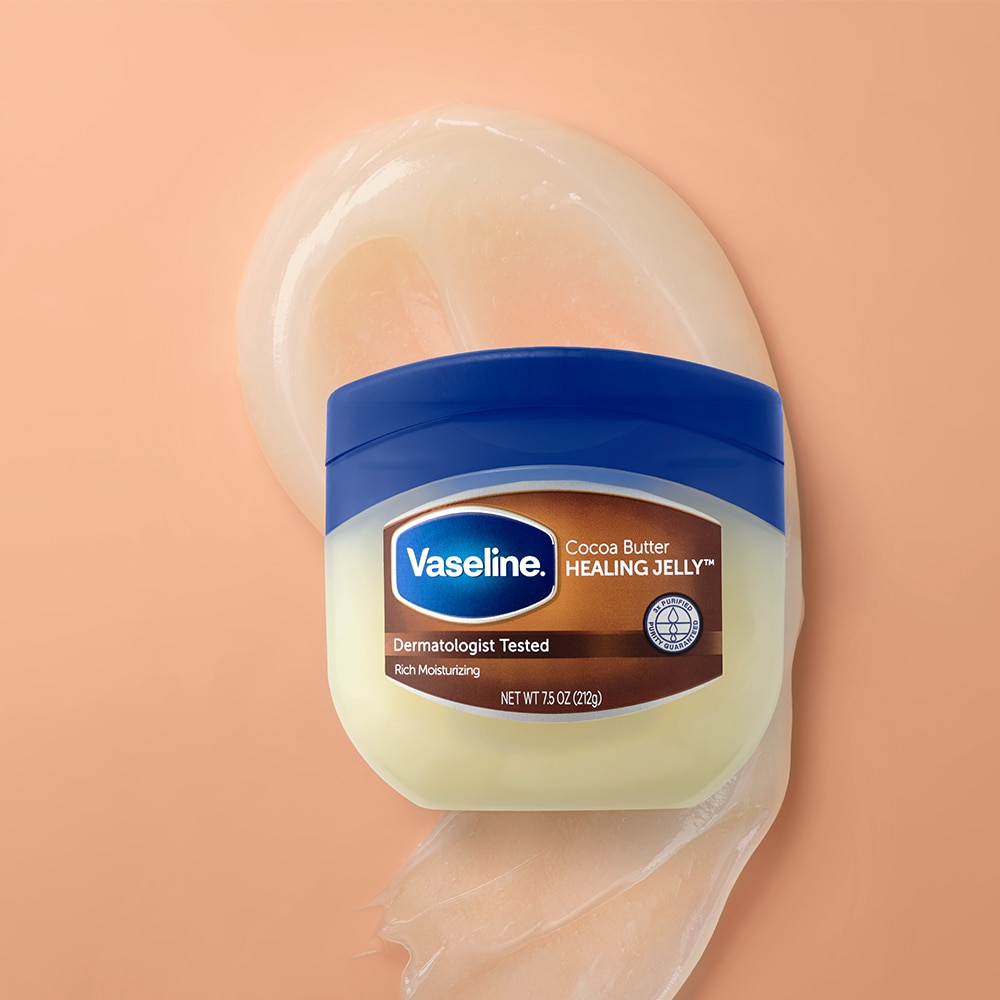
- Specialized Skin Treatments: Products incorporating additional ingredients like cocoa butter, aloe vera, or SPF, offering enhanced benefits while still being underpinned by the Vaseline name.
This brand extension strategy allows Vaseline to capture a larger share of the skincare market. By moving beyond pure petroleum jelly, the brand maintains relevance and caters to a broader spectrum of consumer preferences, all while retaining the credibility established by its heritage product.
Maintaining Brand Integrity Across SKUs
A critical challenge in brand diversification is maintaining the core brand identity and integrity across a wider range of Stock Keeping Units (SKUs). Vaseline achieves this by consistently linking new products back to its foundational values: healing, protection, and skin health. Even advanced lotions are often marketed with the assurance of “Vaseline Jelly micro-droplets” or similar language, creating a direct lineage to the original, trusted product.
The visual identity—the iconic blue and white packaging, the logo—is also consistently applied and evolved, providing instant recognition across the entire product line. This cohesive branding ensures that despite the variety of offerings, consumers instinctively associate new Vaseline products with the same quality and reliability they expect from the original petroleum jelly.
Lessons in Branding from the Vaseline Phenomenon
The story of Vaseline offers invaluable insights for any brand seeking to establish and maintain a strong market presence. It highlights several enduring principles of effective branding.
The Importance of First-Mover Advantage
Robert Chesebrough’s pioneering efforts in refining and marketing petroleum jelly gave Vaseline a significant first-mover advantage. Being the first to market with a high-quality, branded version of a useful product allowed it to establish category leadership and define consumer expectations. This initial lead made it incredibly difficult for later entrants to challenge its dominance, cementing its position in the minds of consumers.
Consistent Quality and Communication
For over a century, Vaseline has upheld a reputation for consistent quality, particularly with its “triple purification” process. This unwavering commitment to product excellence, combined with consistent messaging about its healing and protective properties, has built deep consumer trust. Brands that deliver on their promises consistently over time foster loyalty that is difficult for competitors to replicate.
The Art of Genericide Avoidance
While “genericide” in common language demonstrates brand dominance, legally, it’s a threat to trademark protection. Brands like Vaseline constantly walk a fine line. While delighted by the colloquial use of their name as a generic, they must also actively defend their trademark and remind consumers that “Vaseline” is a brand name, not the generic product. This delicate balance involves strategic advertising that reinforces the brand name, proper capitalization in marketing materials, and legal vigilance to prevent other companies from using the term. It underscores the ongoing effort required to manage a brand that has become so ubiquitous it risks losing its distinct identity.
In conclusion, the difference between petroleum jelly and Vaseline is not a matter of substance but of strategy. Petroleum jelly is the generic, functional compound; Vaseline is the brand that perfected it, named it, marketed it, and nurtured it into an enduring icon. It represents the power of branding to elevate a commodity into a trusted, recognized, and highly valued entity in the global marketplace.
aViewFromTheCave is a participant in the Amazon Services LLC Associates Program, an affiliate advertising program designed to provide a means for sites to earn advertising fees by advertising and linking to Amazon.com. Amazon, the Amazon logo, AmazonSupply, and the AmazonSupply logo are trademarks of Amazon.com, Inc. or its affiliates. As an Amazon Associate we earn affiliate commissions from qualifying purchases.