
Navigating personal finance often involves making decisions about assets and liquidity. When faced with the need for quick cash, or simply looking to divest unused items, two common options emerge: pawning and selling. While both methods provide access to funds in exchange for personal property, their underlying mechanisms, financial implications, and long-term consequences are distinct. Understanding these differences is crucial for making an informed decision that aligns with your financial goals and the value you place on your possessions.
Understanding the Core Mechanics
The fundamental distinction between pawning and selling lies in the transfer of ownership and the nature of the transaction itself.
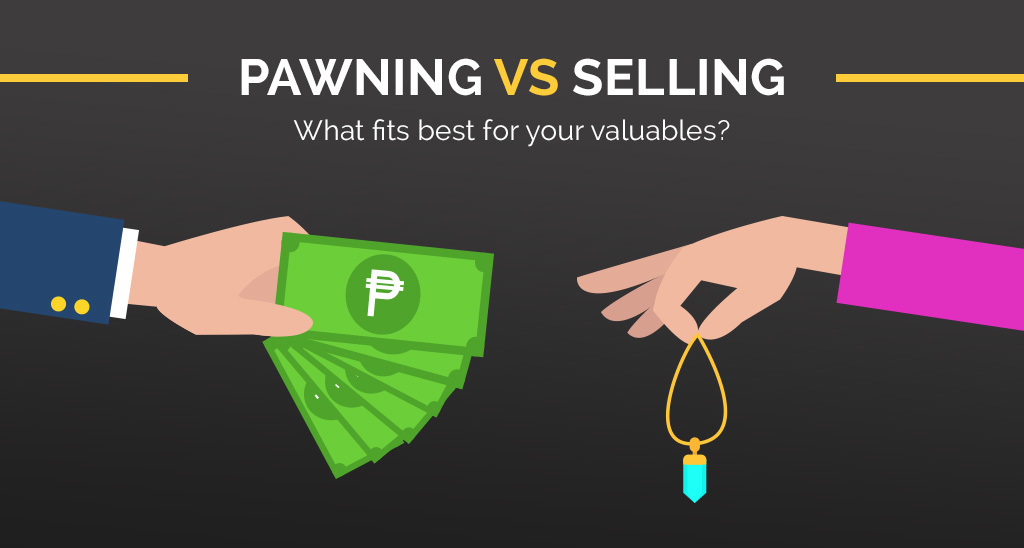
Selling: A Permanent Transfer of Ownership
When you sell an item, you permanently transfer its ownership to another party in exchange for an agreed-upon sum of money. This transaction is typically irreversible once completed, and you relinquish all rights and claims to the item. The process is straightforward: you offer an item for sale, a buyer agrees to a price, and upon payment, the item becomes the buyer’s property.
The primary motivation for selling is usually to liquidate an asset, converting it into cash without any expectation of future retrieval. This can be driven by a desire to declutter, to fund a new purchase, or to simply generate cash from items that are no longer needed or wanted. For example, selling an old smartphone, a piece of furniture you no longer use, or a car when you’re upgrading means those items are gone for good, and the cash you receive is yours free and clear. The amount you receive is generally the maximum immediate return you can expect for that item in the current market, minus any selling fees or commissions if you use a third-party platform or consignment store.
Pawning: A Collateral-Backed Loan
Pawning, by contrast, is not a sale but a short-term, collateral-backed loan. When you pawn an item, you are essentially using it as security for a loan from a pawnbroker. You temporarily surrender possession of your item, but not its ownership. The pawnbroker assesses the item’s value and offers you a loan amount, which is typically a percentage of their estimated resale value (e.g., 25-60%).
This loan comes with specific terms: a defined repayment period (often 30-90 days), an interest rate, and potentially other fees (such as storage or processing fees). During the loan term, the pawnbroker holds your item securely. If you repay the loan amount plus accrued interest and fees within the agreed timeframe, your item is returned to you. However, if you fail to repay the loan by the due date, the pawnbroker has the legal right to keep your item and sell it to recover their funds. This act of forfeiture means you lose the item, but you incur no further debt or damage to your credit score. Pawning is often chosen by individuals who need immediate cash but wish to retain the option of retrieving their cherished or valuable possessions, such as jewelry, electronics, or musical instruments.
Financial Implications and Cash Flow
The financial ramifications of pawning versus selling extend beyond the initial cash received. They involve considerations of cost, future obligations, and impact on personal credit.
Immediate vs. Long-Term Financial Impact
Selling provides a single, immediate infusion of cash. Once the transaction is complete, there are no further financial obligations or recurring costs. The amount you receive is the final profit from that item, allowing for clear financial planning. This method prioritizes maximum upfront return and the complete removal of the item from your possession.
Pawning, however, presents a more complex financial picture. While it offers immediate cash, it is a loan, meaning you will eventually need to repay the principal along with interest and fees if you wish to retrieve your item. This makes the overall cost of acquiring that immediate cash potentially much higher than the loan amount itself. If you fail to repay, you lose your item, and the initial cash received effectively becomes the “selling price” without the original intention to sell. The upfront cash from pawning is typically lower than what you might get from selling the item outright, as the pawnbroker needs to factor in their risk and potential profit margin if they eventually have to sell the item.
Interest Rates, Fees, and Total Cost
The costs associated with a pawn loan can accumulate quickly. Pawnbrokers charge interest on the loan, which can be significantly higher than traditional bank loans due to the short-term, unsecured nature (from the perspective of not needing a credit check) and the risk involved. Interest rates are often regulated by state laws, but even within those limits, they can translate to substantial annual percentage rates (APRs). In addition to interest, there may be charges for storage, insurance, or processing the loan. It’s crucial to understand all these fees before taking out a pawn loan, as they contribute to the total cost of retrieving your item.
In contrast, selling an item generally incurs no interest or recurring fees. If you sell privately, the agreed price is what you receive. If you use an online marketplace or consignment shop, there might be commission fees or listing fees, but these are typically a one-time deduction from the sale price, not ongoing costs that increase over time.
Impact on Credit Score
A significant difference lies in the impact on your credit history. Selling an item has no direct bearing on your credit score, regardless of the amount or frequency of transactions. It is a cash exchange for goods, outside the realm of credit reporting.
Pawning also typically avoids impacting your credit score. Pawnbrokers do not usually perform credit checks when issuing loans, as the item itself serves as collateral. Consequently, defaulting on a pawn loan (i.e., failing to repay and forfeiting your item) does not negatively affect your credit score. This can be a compelling advantage for individuals with poor credit who may not qualify for conventional loans, providing an accessible pathway to emergency funds without further jeopardizing their financial standing.
When to Choose Each Option

The decision between pawning and selling should be driven by your immediate financial need, your attachment to the item, and your long-term objectives.
Opting for Selling: When Liquidation is the Goal
Choose to sell when:
- You no longer need or want the item: If an item is gathering dust, has been replaced, or no longer serves a purpose, selling it converts it into useful cash.
- You need the maximum possible cash value: Generally, selling an item outright will yield a higher return than pawning it for a loan, as the buyer pays closer to market value without the pawnbroker’s risk margin.
- You prioritize decluttering and permanent financial gain: Selling offers a clean break, freeing up space and providing cash without future obligations.
- You have time to find the right buyer: Selling, especially for higher value items, may require marketing and negotiation, which takes time.
Consider selling for items like old electronics, unused furniture, extra vehicles, or collectibles you’ve fallen out of love with. This option is best when you want to convert unused assets into capital for savings, investments, debt repayment, or a new purchase, and have no sentimental or practical attachment to the item’s return.
Opting for Pawning: When Temporary Funds are Needed
Choose to pawn when:
- You need short-term cash for an urgent expense: Pawning provides immediate funds for emergencies like medical bills, car repairs, or bridging a gap until payday.
- You intend to retrieve the item and value its sentimental or practical worth: If the item holds sentimental value (e.g., family jewelry) or practical value (e.g., tools for your profession), pawning allows you to access cash while preserving the option to get it back.
- Traditional loans are unavailable or undesirable: If you have a poor credit history, or prefer to avoid the scrutiny and paperwork of conventional loans, pawning offers a quick, no-credit-check alternative.
- You are confident in your ability to repay: Only pawn if you are reasonably certain you can repay the loan plus interest and fees within the agreed timeframe.
Pawning is suitable for items you cherish or frequently use but need to leverage for a temporary financial squeeze. It serves as a lifeline for short-term liquidity, but it’s essential to factor in the cost of the loan against the value of keeping your item.
The Valuation Process and Negotiation
Understanding how value is determined is crucial, whether you’re selling or pawning, to ensure you get a fair deal.
How Value is Determined
When selling, the value is primarily dictated by market demand, the item’s condition, brand reputation, rarity, and current trends. Buyers typically want to pay the lowest possible price, so a seller needs to research comparable sales, highlight the item’s features, and be prepared to justify their asking price. Online marketplaces, local classifieds, and specialized dealers are common venues for assessing and achieving market value.
When pawning, pawnbrokers assess an item not for its full market value, but for its resale value if it were to be forfeited. They need to ensure they can sell the item quickly and profitably if the loan isn’t repaid. Therefore, they offer a loan amount that is a fraction (often 25-60%) of this anticipated resale value. Factors like the item’s condition, marketability, and the pawnbroker’s current inventory levels all play a role. They also consider their risk, operational costs, and profit margin. Consequently, the loan amount offered for pawning will almost always be considerably less than what you could get by selling the item outright.
Negotiation Strategies
For selling, effective negotiation involves researching competitive prices, clearly describing the item’s condition and features, being transparent about any flaws, and considering various sales channels to find the best buyer. Be prepared to haggle and set a minimum acceptable price beforehand.
For pawning, negotiation is primarily about the loan amount and understanding the terms. While you won’t get full market value, you can often try to get a slightly higher percentage if your item is in excellent condition or particularly desirable. It’s always wise to clarify all terms: the exact interest rate, any additional fees, the total amount due, and the precise due date. Don’t be afraid to compare offers from different pawn shops if possible, though convenience often dictates the choice. Always ensure you receive a detailed pawn ticket that outlines all these conditions.
Legal Framework and Consumer Protections
Both selling and pawning operate within legal frameworks designed to protect consumers and regulate transactions.
Regulations for Selling
Selling, particularly between private parties, is generally less regulated than pawning. Consumer protection laws prevent misrepresentation of goods, but “buyer beware” often applies, especially for used items. Online marketplaces have their own terms of service and dispute resolution mechanisms that govern transactions on their platforms. For higher-value items or those with potential legal implications (e.g., vehicles), proper documentation like bills of sale and title transfers are essential to establish legal ownership and protect both parties.

Regulations for Pawnbrokers
Pawn shop operations are typically heavily regulated at state and sometimes local levels. These regulations are designed to protect both the consumer and the pawnbroker, and often cover:
- Maximum interest rates and fees: Limits are placed on how much interest pawnbrokers can charge.
- Loan terms and holding periods: Minimum and maximum loan durations, as well as grace periods for repayment, are often defined.
- Identification requirements: Pawnbrokers are usually required to record detailed information about the seller and the item to combat stolen goods.
- Procedures for forfeited items: Rules dictate how long a pawnbroker must hold an item after a default before they can legally sell it.
It is paramount for anyone considering a pawn loan to thoroughly read and understand the pawn ticket, which serves as the legal contract. This document details all the terms and conditions, including the loan amount, interest, fees, maturity date, and the consequences of non-repayment. These regulations provide a layer of security, but the high cost of interest on pawn loans remains a significant financial consideration.
In conclusion, while both pawning and selling offer avenues to convert assets into cash, they cater to different financial needs and preferences. Selling is a definitive liquidation for maximum value, ideal when you no longer need an item. Pawning provides a temporary financial bridge, allowing you to retain the option of reclaiming your item, albeit at a higher cost through interest and fees, and typically for a lower initial cash advance. Your choice should reflect your immediate liquidity requirements, the item’s intrinsic value to you, and your ability to manage the financial commitments involved.
aViewFromTheCave is a participant in the Amazon Services LLC Associates Program, an affiliate advertising program designed to provide a means for sites to earn advertising fees by advertising and linking to Amazon.com. Amazon, the Amazon logo, AmazonSupply, and the AmazonSupply logo are trademarks of Amazon.com, Inc. or its affiliates. As an Amazon Associate we earn affiliate commissions from qualifying purchases.