
In the competitive landscape of personal care, understanding the nuanced distinctions between product formulations like lotions and creams is not merely a matter of scientific curiosity; it’s a fundamental aspect of brand strategy, product design, and effective market positioning. For brands, the decision to develop and market a product as a “lotion” versus a “cream” is laden with implications for consumer perception, target demographics, and the very identity of the brand itself. This differentiation allows companies to carve out specific niches, address varied consumer needs, and communicate unique value propositions.
The Strategic Design of Skincare Formulations
The core difference between a lotion and a cream lies in their composition, specifically their water-to-oil ratio. This ratio dictates their texture, viscosity, absorption rate, and ultimately, their intended use and efficacy. For brands, these formulation choices are not arbitrary; they are strategic decisions aimed at meeting specific consumer demands and supporting a defined brand narrative.
Understanding Viscosity and Water-to-Oil Ratios
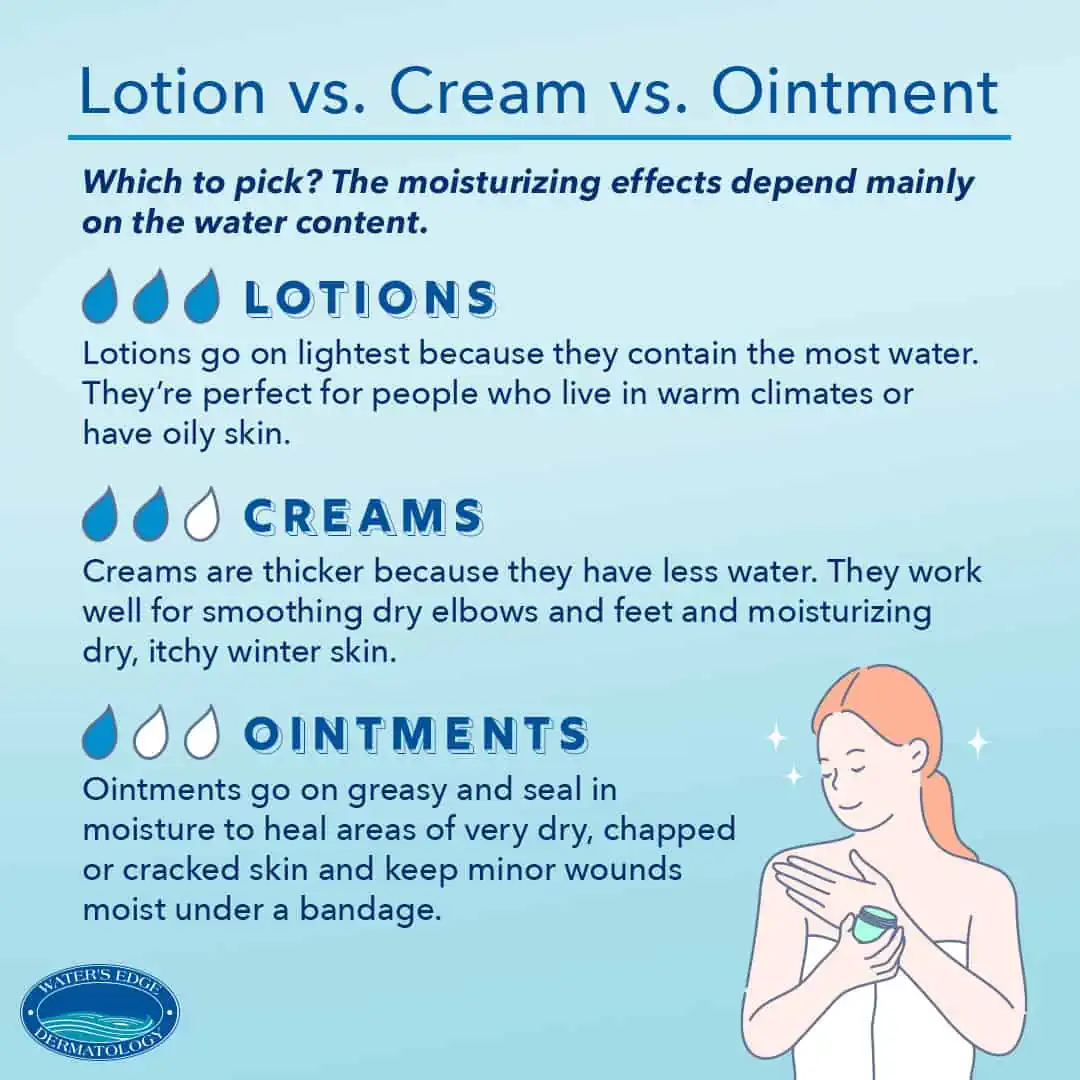
Lotions are typically characterized by a higher water content and a lower oil concentration, resulting in a lighter, thinner, and less viscous consistency. This high water-to-oil ratio makes them easy to spread and quick to absorb, leaving minimal residue. From a brand perspective, this design is ideal for products intended for everyday, all-over body hydration, particularly in warmer climates or for individuals who prefer a non-greasy feel. The lighter texture aligns with a brand promise of refreshing, effortless care.
Creams, conversely, boast a higher oil-to-water ratio, giving them a thicker, richer, and more viscous texture. This composition forms a more substantial barrier on the skin. Brands strategically employ cream formulations for products designed to deliver intensive hydration, address specific skin concerns like extreme dryness or sensitivity, or offer targeted treatments. The luxurious feel and visible occlusive properties of a cream often support a brand identity centered around premium care, efficacy, and indulgence. The slower absorption and lasting presence on the skin reinforce a perception of deep nourishment and protection.
The Role of Emollients, Humectants, and Occlusives
Beyond the basic water-to-oil ratio, the choice and concentration of active ingredients further define a product’s function and a brand’s message.
- Emollients (like fatty acids, ceramides, and certain oils) smooth and soften the skin, filling in gaps between skin cells. Both lotions and creams contain emollients, but creams often feature higher concentrations or a wider variety to enhance their softening properties, aligning with a brand’s promise of superior skin texture improvement.
- Humectants (such as glycerin, hyaluronic acid, and urea) draw moisture from the air and deeper skin layers to the skin surface. Lotions often leverage humectants to provide immediate, superficial hydration without feeling heavy.
- Occlusives (like petrolatum, lanolin, and mineral oil) create a physical barrier on the skin’s surface to prevent transepidermal water loss. While present in some lotions, occlusives are a hallmark of creams, particularly those positioned for intense barrier repair or protection against harsh environmental elements. A brand emphasizing “repair,” “protection,” or “dermatologist-recommended” often relies heavily on a cream’s occlusive capabilities.
The careful balancing of these ingredient types is a sophisticated exercise in product design, allowing brands to tailor their offerings precisely to articulated consumer needs and establish a credible, differentiated position in the market.
Brand Positioning: Crafting Identity Through Product Form
The intrinsic differences between lotions and creams enable brands to strategically position their products within the broader personal care market. This segmentation isn’t just about ingredient lists; it’s about connecting with specific consumer lifestyles, aspirations, and perceived needs.
Lotions: The Everyday Hydration Brand Message
Brands marketing lotions often focus on accessibility, convenience, and consistent daily care. Their messaging emphasizes lightweight hydration, quick absorption, and suitability for regular, widespread application. This strategy targets consumers seeking preventative maintenance, a refreshing feel, and a product that integrates seamlessly into a busy routine.
- Key Brand Pillars: Freshness, ease of use, daily ritual, value.
- Target Audience: General consumers, active individuals, those in humid climates, or individuals with normal to slightly dry skin.
- Marketing Focus: Emphasizing non-greasy feel, rapid absorption, suitability for entire body, and often, larger packaging formats for frequent use. Brands might highlight botanicals, vitamins, or a light fragrance to enhance the sensory experience without adding heaviness.
Creams: The Intensive Care and Specialty Brand Niche

For creams, brands typically adopt a more specialized and problem-solution oriented positioning. The messaging revolves around deep nourishment, repair, protection, and targeted treatment for specific concerns like severe dryness, aging, or sensitivity. This approach often positions creams as premium solutions, justifying a higher price point through concentrated efficacy and a more luxurious experience.
- Key Brand Pillars: Efficacy, indulgence, targeted treatment, skin health, luxury.
- Target Audience: Consumers with dry, sensitive, mature, or compromised skin; those seeking anti-aging benefits or specific dermatological solutions.
- Marketing Focus: Highlighting potent active ingredients, barrier support, long-lasting moisture, clinical results, and a rich, pampering feel. Packaging often reflects this premium positioning with elegant designs and smaller, more concentrated offerings for face or specific body parts. Brands frequently use creams to anchor their “anti-aging,” “dermatological,” or “intensive repair” lines.
Marketing and Consumer Perception: Bridging the Gap
Successful brand strategy involves not just creating differentiated products but also effectively communicating those differences to the target audience. Marketing plays a crucial role in shaping consumer perception and guiding product selection based on the lotion-cream distinction.
Tailoring Messaging to Product Benefits
Brands must articulate the distinct benefits of their lotions and creams with clarity. For lotions, this means messaging that highlights attributes like “lightweight feel,” “fast-absorbing,” “daily hydration,” and “non-comedogenic” for broader appeal. For creams, the narrative shifts to “deep nourishment,” “intensive repair,” “long-lasting moisture,” “protective barrier,” and often, claims around visible improvements in skin condition.
This tailored messaging ensures that consumers understand why one product type might be more suitable than another for their specific needs, thereby reinforcing the brand’s expertise and trustworthiness. A brand might offer both a lotion and a cream in the same product line, strategically differentiating them through claims like “Daily Defense Lotion” versus “Overnight Repair Cream,” demonstrating a comprehensive understanding of skincare regimens.
Visual Cues and Packaging as Brand Differentiators
Packaging design is a powerful tool for reinforcing the brand’s positioning of lotions versus creams.
- Lotions often come in pump bottles or squeeze tubes, emphasizing ease of use, hygienic dispensing, and suitability for larger volumes and frequent application. The design might be sleek, minimalist, or vibrant, aligning with a modern, active lifestyle.
- Creams, particularly those positioned as premium or specialty treatments, frequently utilize jars, often made of heavier glass, to convey a sense of luxury, substance, and ritualistic application. The packaging might feature more intricate details, metallic accents, or understated elegance to support a high-end brand image.
Beyond containers, the visual texture and color palette used in advertising and product imagery also play a significant role. Brands will showcase the light, fluid texture of a lotion with airy, bright visuals, contrasted with rich, enveloping textures and deeper, more luxurious color schemes for creams. These visual cues are essential in instantly communicating the product’s attributes and aligning with consumer expectations even before physical interaction.
Case Study Implications for Brand Portfolio Management
The strategic distinction between lotions and creams extends into how brands manage their overall product portfolio and plan future innovations. Understanding these fundamental differences allows for intelligent expansion and consistent brand identity.
Expanding Product Lines Strategically
For a brand, having both lotion and cream variations within a product line allows for broader market penetration and addresses a wider spectrum of consumer needs under a unified brand umbrella. For instance, a dermatological brand might offer a “Soothing Lotion” for general maintenance of sensitive skin and a “Soothing Cream” for acute flare-ups or severely dry patches. This strategy ensures the brand captures consumers at various points of their skincare journey without diluting its core message. It also creates opportunities for upselling or cross-selling, encouraging consumers to use different products for different needs or seasons.
Maintaining Brand Cohesion Across Formulations
While products within a brand’s portfolio might differ in form (lotion vs. cream), maintaining brand cohesion is paramount. This means ensuring consistent branding elements—logo, typography, color palette, fragrance profile (if applicable), and overarching brand voice—are applied across all formulations. The functional differences should be perceived as complementary aspects of a singular brand promise, rather than disparate offerings. A brand’s ability to offer both a lightweight lotion and a rich cream, each perfectly embodying its brand values and delivering on specific promises, speaks volumes about its commitment to comprehensive skincare solutions and its deep understanding of consumer needs. This strategic approach strengthens brand loyalty and reinforces the brand’s authority within its chosen market segment.
aViewFromTheCave is a participant in the Amazon Services LLC Associates Program, an affiliate advertising program designed to provide a means for sites to earn advertising fees by advertising and linking to Amazon.com. Amazon, the Amazon logo, AmazonSupply, and the AmazonSupply logo are trademarks of Amazon.com, Inc. or its affiliates. As an Amazon Associate we earn affiliate commissions from qualifying purchases.