
At a glance, both gin and vodka are clear spirits often serving as foundational ingredients in countless cocktails. Yet, beneath their transparent appearance lies a profound divergence in their brand identity, marketing strategies, and consumer positioning. Understanding these distinctions is crucial for distilleries and marketers aiming to carve out a unique space in a competitive beverage industry. The differences between gin and vodka extend far beyond their taste, influencing how they are branded, perceived, and ultimately consumed by target demographics.
The Foundation of Identity: Production and Core Flavor Profiles
The most fundamental differences between gin and vodka stem from their production processes and, consequently, their inherent flavor profiles. These core attributes serve as the bedrock upon which distinct brand narratives are built, allowing each spirit to cultivate a unique corporate identity.
The Neutral Canvas: Vodka’s Brand Purity
Vodka’s defining characteristic, and its strongest branding asset, is its relative neutrality. Traditionally, vodka is distilled to a very high proof (typically 95-96% ABV) before being diluted with water. This process, often involving multiple distillations and filtration through charcoal or other materials, aims to remove as many impurities and congeners as possible. The result is a spirit designed to be odorless, colorless, and flavorless, or at least minimally flavored, often described as “clean” or “smooth.”
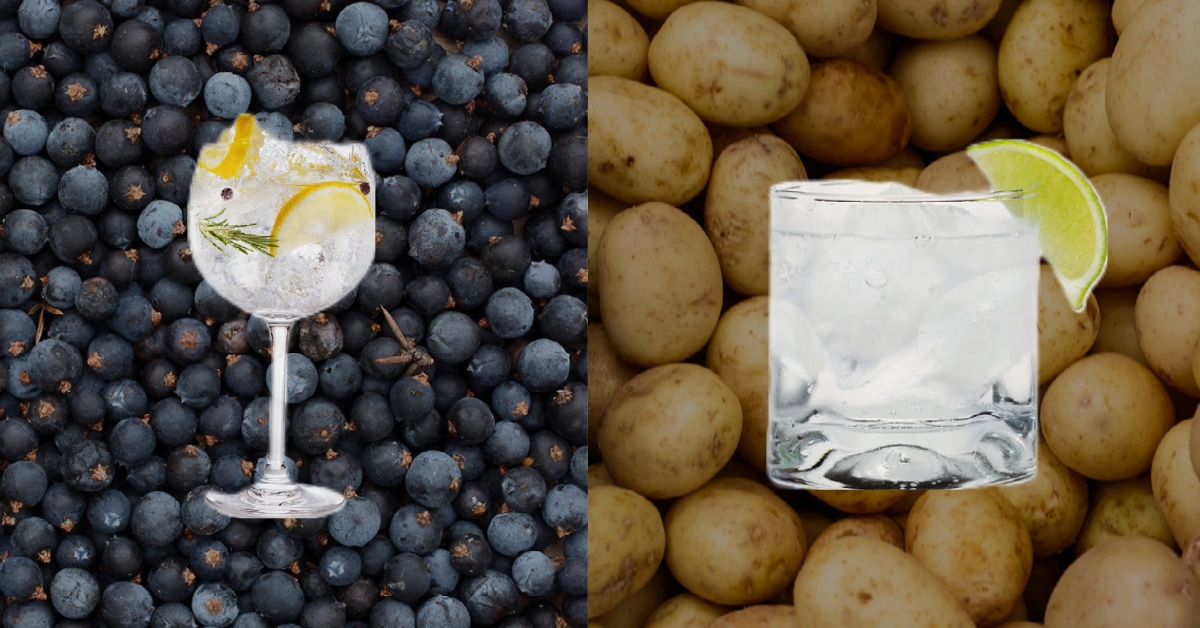
This neutrality isn’t a lack of character; it’s a deliberate strategic choice that underpins vodka’s brand positioning. Brands like Absolut, Smirnoff, and Grey Goose have successfully marketed vodka as the ultimate versatile spirit. Its purity makes it an ideal mixer, allowing other ingredients in a cocktail to shine without interference. This “blank canvas” identity appeals to a broad consumer base, emphasizing mixability, refreshment, and an unadulterated drinking experience. For marketers, the challenge lies in differentiating brands within this neutral space, often relying on source ingredients (wheat, potato, corn, grapes), water purity, unique filtration methods, or a perception of superior smoothness to build a premium image and justify higher price points. The brand story frequently revolves around heritage, craft, or an exotic origin, even when the final product strives for neutrality.
The Aromatic Storyteller: Gin’s Botanical Narrative
In stark contrast, gin’s identity is intrinsically linked to its complex aromatic profile. Gin begins as a neutral spirit, similar to vodka, but it undergoes a crucial second distillation or infusion process with botanicals, primarily juniper berries. Juniper is the legal requirement for any spirit to be called gin, providing its characteristic piney, resinous flavor. Beyond juniper, distillers use a wide array of other botanicals—coriander, angelica root, citrus peels, cassia bark, cardamom, liquorice, and many more—to create a unique flavor signature.
This botanical complexity is gin’s greatest branding strength. Each gin brand can craft a distinctive “recipe” of botanicals, leading to an incredibly diverse spectrum of flavors, from classic London Dry (juniper-forward) to more contemporary, floral, or citrus-heavy styles. This allows for rich storytelling around provenance, the rarity of botanicals, the distiller’s artistry, and the specific taste journey the consumer can expect. Brands like Hendrick’s, with its cucumber and rose essence, or Tanqueray, with its distinct four-botanical blend, leverage these unique flavor profiles to create strong, memorable brand identities. Gin’s brand narrative often emphasizes craftsmanship, heritage, sophistication, and a sense of discovery, appealing to consumers who appreciate nuanced flavors and a more artisanal approach to spirits.
Crafting Market Perception: Branding and Positioning Strategies
The inherent qualities of gin and vodka dictate divergent but equally effective branding and market positioning strategies. Understanding these approaches is key to appreciating how brands communicate their value propositions to different segments of the market.
Vodka: Versatility, Smoothness, and Lifestyle Branding
Vodka brands excel at lifestyle branding. Given its neutral profile, vodka can seamlessly integrate into various social settings and consumption occasions. Marketing often focuses on the aspirational lifestyle associated with the brand – be it glamour, sophistication, fun, or relaxation. Campaigns frequently showcase sleek parties, vibrant nightlife, or serene, luxurious moments, implying that the brand enhances the overall experience rather than dominating it with a strong flavor.
The emphasis on “smoothness” is a critical differentiator. Since vodka lacks strong inherent flavors, brands invest heavily in conveying a perception of superior smoothness and purity. This is communicated through imagery of crystal-clear liquid, pristine production environments, and endorsements from mixologists who prize its clean finish. Flavored vodkas represent a major extension of this versatility strategy, offering ready-made cocktail experiences and appealing to younger demographics or those new to spirits. Brands position these as convenient, exciting options for casual mixing or sipping, further broadening their market appeal and cementing vodka’s role as a chameleon spirit.
Gin: Heritage, Craftsmanship, and Connoisseur Appeal
Gin branding, in contrast, often leans into heritage, craftsmanship, and a narrative of discerning taste. Brands frequently highlight their history, often dating back centuries, connecting their product to a legacy of distillation and tradition. The intricate botanical blend allows for stories about the sourcing of exotic ingredients, the master distiller’s secret recipe, or the unique regional character of the gin. This craftsmanship narrative elevates gin from a mere spirit to an artisanal product, appealing to consumers who appreciate authenticity, complexity, and a more sophisticated drinking experience.
Marketing for gin frequently targets a more mature and discerning demographic, emphasizing the ritual of preparation, such as the perfect gin and tonic with specific garnishes, or the exploration of complex cocktail recipes. The appeal is often to the “connoisseur” or the “explorer” who seeks depth of flavor and a unique story behind their drink. Brand campaigns often feature elegant settings, expert mixologists, and detailed descriptions of botanical notes, inviting consumers to savor and appreciate the subtleties. This positions gin as a spirit for considered enjoyment rather than just casual mixing.
Design and Packaging: Visualizing Brand Distinction
Packaging is a powerful non-verbal communicator of brand identity, and the bottle designs for gin and vodka vividly reflect their distinct market positions.
Minimalist Elegance vs. Intricate Storytelling

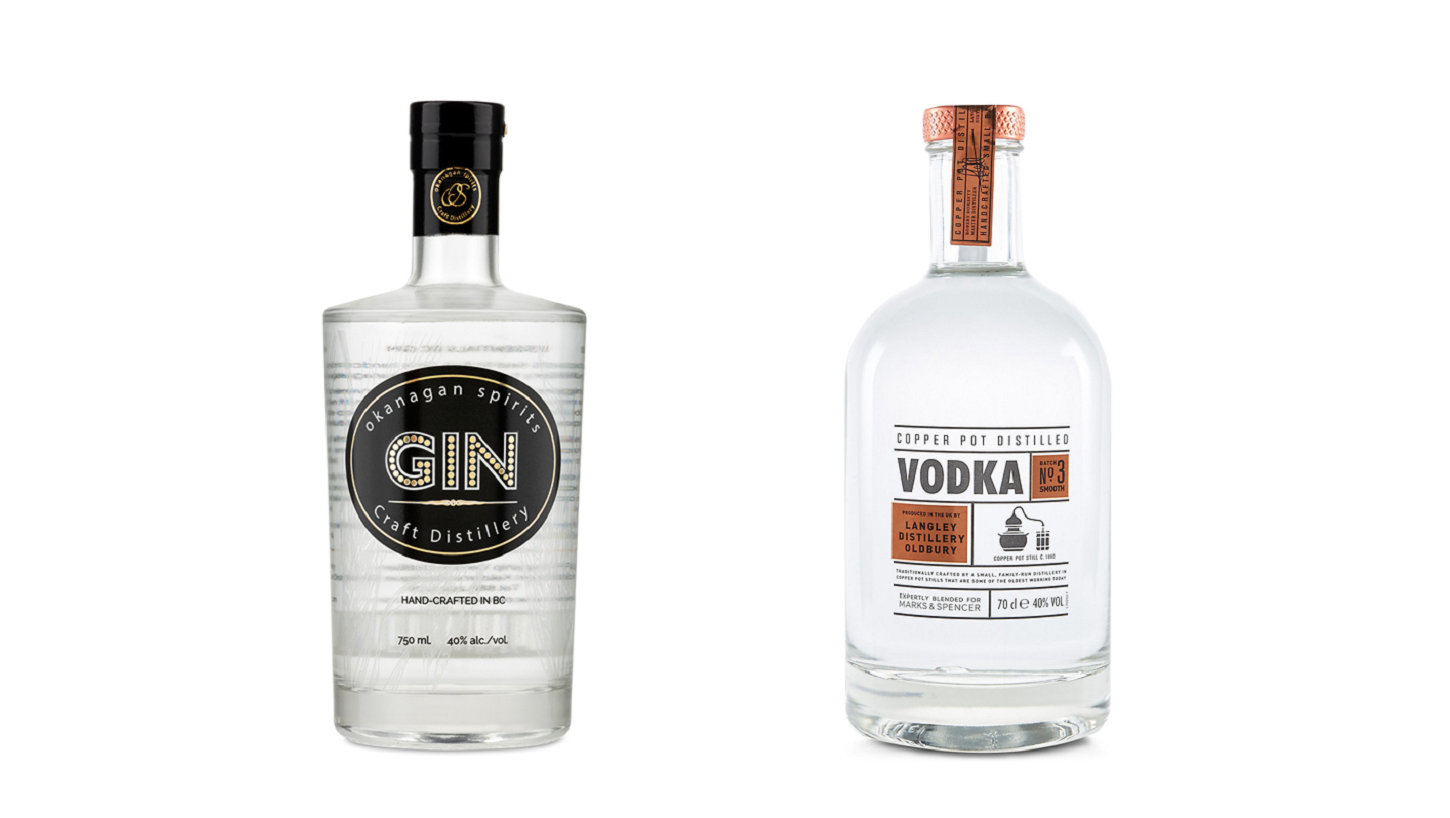
Vodka bottles often embody minimalist elegance. Their designs frequently feature clean lines, transparent glass, and understated labeling. This aesthetic reinforces the brand message of purity, clarity, and sophistication. Brands like Belvedere or Ketel One use sleek, modern designs that exude premium quality without overt embellishment. The focus is on the liquid’s perceived pristine nature, often letting the bottle itself be a statement of modern luxury. The minimalist approach also subtly hints at the spirit’s versatility, suggesting it can fit into any occasion or personal style.
Gin bottles, conversely, often lean into more intricate and characterful designs. Many gin brands use embossed glass, unique shapes, vibrant color palettes, and detailed labels that tell a story. Hendrick’s iconic apothecary-style bottle, for example, instantly communicates its quirky, artisanal, and slightly mysterious brand persona. Bombay Sapphire’s distinctive blue bottle and intricate botanical illustrations convey exoticism and refinement. These designs are not just containers; they are part of the brand’s narrative, inviting discovery and hinting at the complex flavors within. The packaging becomes an extension of the brand’s heritage, craft, or unique botanical story, appealing to consumers who appreciate aesthetic detail and a sense of tradition.
Bottle Aesthetics and Consumer Psychology
The aesthetic choices in bottle design significantly influence consumer psychology and purchasing decisions. For vodka, a sleek, unadorned bottle can evoke feelings of trust, modernity, and a no-frills commitment to quality. It suggests that the brand is confident in the liquid itself, not needing elaborate facades. This appeals to consumers who prioritize functionality, perceived purity, and a sophisticated, contemporary image.
For gin, the more ornate and character-rich bottle designs can create a sense of intrigue, heritage, and specialness. It suggests a product with depth, history, and a unique personality. Such designs appeal to consumers who are drawn to craftsmanship, authenticity, and a sense of tradition. The bottle itself becomes a collectible item, an object of desire that communicates values beyond just the contents. This differentiation in visual identity helps consumers quickly distinguish between the two spirits and align with brands that resonate with their personal values and aesthetic preferences.
Consumer Engagement and Experiential Marketing
Beyond product attributes and packaging, successful brands engage consumers through experiences that reinforce their unique identities. Both gin and vodka leverage experiential marketing, but with distinct objectives.
Cocktail Culture and Mixability as Brand Extensions
Vodka brands frequently position themselves at the heart of vibrant cocktail culture, emphasizing their unparalleled mixability. Experiential marketing often involves sponsoring music festivals, fashionable events, or creating signature cocktails that highlight vodka’s ability to complement a wide range of flavors. Competitions for bartenders to create new vodka-based drinks also serve to showcase the spirit’s versatility and innovation. The brand message is often about “making the moment,” “social connection,” and “effortless enjoyment,” positioning vodka as an enabler of good times and diverse taste experiences. Brands will partner with influencers and celebrities to showcase their product in aspirational settings, further embedding it within a desirable lifestyle.
Gin brands, conversely, tend to focus on the craftsmanship and art of cocktail creation. Experiential marketing often includes masterclasses on gin botanicals, guided tasting sessions, or events that delve into the history of gin and tonic. Craft cocktail bars are often key partners, with gin brands emphasizing the creation of sophisticated, balanced drinks where the gin’s character is central. The narrative focuses on “discovery,” “appreciation of nuance,” and “elevated experiences.” Gin brands often cultivate a community of enthusiasts who appreciate the intricate details of distillation and mixology, fostering loyalty through shared knowledge and a sense of belonging to a discerning group.
Targeted Demographics and Brand Loyalty
The distinct branding strategies for gin and vodka naturally cultivate different target demographics and foster brand loyalty through varied means. Vodka’s broad appeal, driven by its versatility and lifestyle branding, often attracts a younger, more dynamic demographic seeking trendy, adaptable options for social drinking. Loyalty is built through consistent messaging of quality, smoothness, and relevance to contemporary culture. Brand extensions into flavored vodkas or ready-to-drink options further cater to evolving consumer preferences.
Gin, with its emphasis on heritage, craftsmanship, and complex flavors, often appeals to a slightly older, more affluent demographic who appreciate quality, authenticity, and a deeper understanding of what they consume. Loyalty is forged through a sense of connoisseurship, brand storytelling that resonates with personal values, and the consistent delivery of unique flavor profiles. Limited editions, distillery tours, and exclusive tasting events further engage this discerning consumer base, turning them into advocates for the brand.
Global Trends and Brand Evolution
The spirits market is dynamic, and both gin and vodka brands continually evolve, responding to global trends while staying true to their core identities.
The Rise of Craft and Premiumization
Both gin and vodka have benefited significantly from the global premiumization trend, but they’ve approached it differently. For vodka, premiumization often means highlighting exceptional purity, unique distillation processes, or high-quality source ingredients (e.g., specific grains or glacier water). Brands invest in sophisticated packaging and marketing that conveys luxury and exclusivity, elevating the perception of what a “neutral” spirit can be. The brand narrative shifts from merely “smooth” to “exceptionally smooth,” “ultra-premium,” or “artisanally crafted,” even for a spirit designed for neutrality.
For gin, the craft movement has led to an explosion of small-batch distilleries, each with a unique botanical blend and a compelling local story. This has further amplified gin’s existing strength in narrative and craftsmanship. Consumers are willing to pay more for gins that offer unusual flavor profiles, sustainable sourcing, or a strong connection to a specific region or producer. Premiumization in gin is about unique sensory experiences and the narrative behind the bottle, extending the brand’s artisanal appeal.
Innovation in Flavors and Brand Line Extensions
Innovation in flavors is a consistent growth driver for both categories, though executed differently. Vodka, with its neutral base, provides a perfect platform for a vast array of artificial and natural flavor infusions, from fruit and confectionery to more experimental savory notes. This allows brands to constantly refresh their offerings, tap into seasonal trends, and appeal to new tastes, often acting as a gateway for new consumers into the spirits category.
Gin’s flavor innovation is more often rooted in exploring new botanical combinations, different distillation techniques, or regional botanical sourcing. While flavored gins exist (e.g., pink gins), the innovation generally stays true to the spirit’s botanical essence, emphasizing the natural interplay of ingredients rather than artificial additions. This ensures that new gin products still align with the brand’s core identity of botanical complexity and craft.
Ultimately, while gin and vodka may appear similar on the surface, their core differences in production, flavor, and branding strategies create two distinct universes within the spirits market. Each has successfully cultivated a unique brand identity, catering to different consumer preferences and social occasions, proving that even subtle product variations can lead to vastly different market positions and compelling brand narratives.
aViewFromTheCave is a participant in the Amazon Services LLC Associates Program, an affiliate advertising program designed to provide a means for sites to earn advertising fees by advertising and linking to Amazon.com. Amazon, the Amazon logo, AmazonSupply, and the AmazonSupply logo are trademarks of Amazon.com, Inc. or its affiliates. As an Amazon Associate we earn affiliate commissions from qualifying purchases.