
In the intricate world of automotive engineering and mechanical systems, understanding the nuances of essential fluids is paramount for optimal performance and longevity. Among the most critical are those responsible for thermal regulation, often broadly categorized as “coolant” and “antifreeze.” While these terms are frequently used interchangeably, a precise technical distinction exists, critical for technicians, enthusiasts, and anyone maintaining complex machinery. This deep dive explores the engineering principles, chemical compositions, and practical applications that differentiate these vital components of a vehicle’s thermal management system, placing it firmly within the realm of understanding automotive technology.
Decoding Automotive Thermal Management Systems
At the heart of any internal combustion engine, and increasingly in electric vehicle powertrains, lies a sophisticated thermal management system designed to maintain an optimal operating temperature range. Engines generate tremendous heat during combustion, and if not effectively dissipated, this heat can lead to severe damage, component failure, and significant performance degradation. Conversely, in cold environments, water-based solutions can freeze, expanding and causing irreparable damage to engine blocks, radiators, and hoses. This dual challenge necessitates a fluid that can perform under extreme temperature variations, a role primarily fulfilled by the coolant system.
The core function of this system is heat transfer. The fluid circulates through the engine block, absorbing excess heat, then travels to the radiator where it releases that heat to the ambient air, facilitated by airflow and cooling fans. This cooled fluid then returns to the engine to repeat the cycle. This continuous process ensures that the engine operates within its designed temperature parameters, maximizing efficiency, minimizing wear, and prolonging the life of critical components.
Deconstructing Antifreeze: The Chemical Compound
Antifreeze, in its purest technical definition, refers to a concentrated chemical solution designed to lower the freezing point and raise the boiling point of water. The primary active ingredient in most modern antifreeze formulations is glycol—either ethylene glycol (EG) or propylene glycol (PG). Both are organic compounds known for their excellent heat transfer properties and, crucially, their ability to prevent water from freezing at typical ambient temperatures and boiling at engine operating temperatures.
Ethylene glycol has historically been the more common choice due to its superior heat transfer efficiency and lower cost. However, it is toxic if ingested, necessitating careful handling and disposal. Propylene glycol, while slightly less efficient in heat transfer and more expensive, is generally considered less toxic, making it a preferred choice in some applications, particularly where environmental impact or incidental exposure is a concern.
Beyond the glycol base, antifreeze concentrates contain a meticulously engineered blend of additives. These additives are critical for the fluid’s overall performance and system protection:
- Corrosion Inhibitors: Engines contain a variety of metals, including aluminum, cast iron, copper, and brass. Left unprotected, water and glycol can react with these metals, leading to corrosion, pitting, and the formation of sludge, which can clog passages and reduce heat transfer efficiency. Corrosion inhibitors form a protective layer on metal surfaces, preventing these destructive reactions. Different types of antifreeze (e.g., Inorganic Additive Technology (IAT), Organic Acid Technology (OAT), Hybrid OAT (HOAT)) are distinguished by their specific corrosion inhibitor packages and their longevity.
- Scale Inhibitors: These prevent the build-up of mineral deposits from hard water, which can impair heat transfer.
- Defoamers: As the fluid circulates rapidly, it can churn and create foam. Foaming reduces heat transfer efficiency and can lead to cavitation damage. Defoamers minimize this effect.
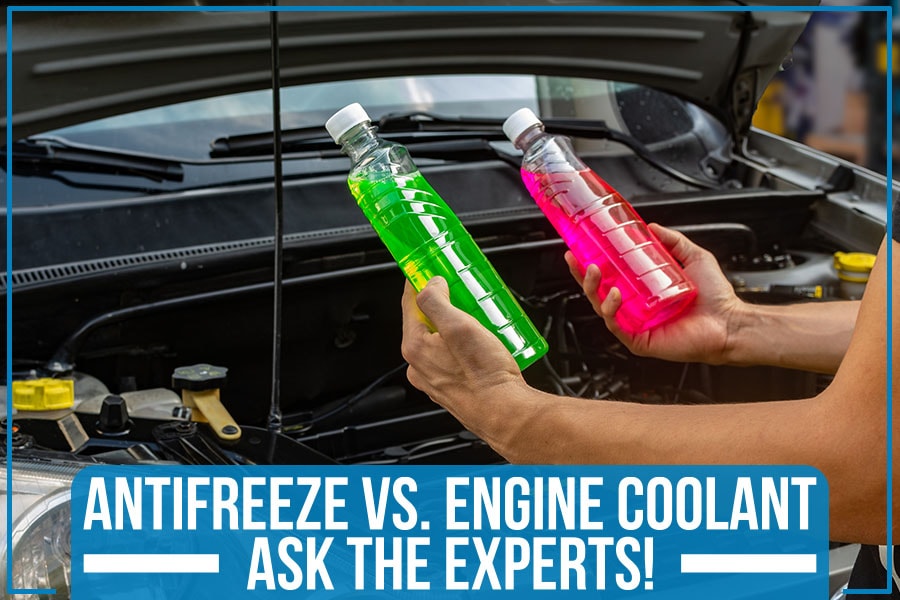
- Dye: Antifreeze is typically dyed a specific color (e.g., green, orange, pink, blue, yellow) to help identify leaks, distinguish between different formulations, and provide a visual indicator of fluid level. It is crucial to note that color is not a reliable indicator of chemical compatibility across brands or types; always refer to the manufacturer’s specifications.
The Role of Coolant: A Ready-to-Use Solution
When we talk about “coolant” in the context of an automotive system, we are generally referring to the ready-to-use, pre-mixed fluid that is poured directly into the vehicle’s cooling system. This coolant is an antifreeze concentrate that has been diluted with de-ionized or distilled water, typically in a 50/50 ratio. This specific dilution ratio is not arbitrary; it’s engineered to provide the optimal balance of freezing point depression, boiling point elevation, and heat transfer capability for most operating conditions.
Using pure, undiluted antifreeze concentrate is ineffective and can even be detrimental. While it offers excellent freezing and boiling protection, its heat transfer efficiency is lower than a properly diluted mixture. Furthermore, an overly concentrated solution can sometimes accelerate corrosion or create other issues within the system. Conversely, using pure water, while an excellent heat conductor, offers no freeze protection, will boil easily, and provides no corrosion protection, leading to rapid system degradation.
The choice between pre-mixed coolant and concentrate with separate distilled water comes down to convenience and cost-effectiveness:
- Pre-Mixed Coolant: Offers convenience and ensures the correct dilution ratio is achieved with high-quality water, eliminating guesswork. This is often the preferred choice for consumers and technicians seeking simplicity and reliability.
- Concentrate: More economical per gallon of active ingredient but requires careful mixing with distilled water. It allows for custom dilution ratios for extremely cold climates, though a 50/50 mix typically suffices for most regions. It also allows for technicians to top off with pure distilled water if the cooling system has consumed only water through evaporation, thus maintaining the correct glycol concentration.
Why This Distinction Matters for Your Tech
Understanding the difference between antifreeze and coolant, and more importantly, the specific type required for your vehicle, is critical for maintaining your automotive technology. Modern vehicles feature highly advanced cooling systems with narrow tolerances and specific material compositions. Using the wrong type of fluid can lead to a cascade of expensive problems.
Preventing Overheating and Freezing
The fundamental purpose of the cooling system is to prevent thermal extremes. A correctly formulated coolant prevents the engine from overheating, which can lead to warped cylinder heads, blown head gaskets, and permanent engine damage. In cold climates, it ensures the fluid doesn’t freeze, preventing burst radiators, cracked engine blocks, and damaged water pumps. The glycol in the antifreeze component is key to achieving these protective properties, ensuring the vehicle can operate reliably across a wide range of ambient temperatures.
Protecting Internal Components
Modern engines utilize a variety of light alloys, plastics, and rubber components that are sensitive to chemical interactions. The corrosion inhibitors in antifreeze are specifically formulated to protect these diverse materials from electrochemical reactions, cavitation, and erosion. Using a coolant with an incompatible additive package can lead to premature corrosion, breakdown of seals and hoses, and ultimately, system failure. For example, older green IAT coolants are typically not suitable for newer engines designed for OAT or HOAT coolants due to different requirements for aluminum protection.
Long-Term System Health
Proper coolant maintenance—including using the correct type and adhering to recommended change intervals—is a cornerstone of long-term vehicle health. Over time, the additives in the coolant deplete, reducing its ability to protect against corrosion and scale. When this happens, the fluid becomes acidic and less effective, leading to accelerated wear on the water pump, radiator, heater core, and engine passages. Regular flushing and refilling with the specified coolant ensures that the entire thermal management system remains robust and efficient, extending the lifespan of the engine and related components.
Modern Coolant Technologies and Future Trends
The field of coolant technology is continuously evolving, driven by advancements in engine design, stricter environmental regulations, and the advent of electric vehicles.
Organic Acid Technology (OAT) and Hybrid OAT (HOAT)
While traditional Inorganic Additive Technology (IAT) coolants (typically green) used silicates and phosphates for corrosion inhibition, modern vehicles often specify Organic Acid Technology (OAT) or Hybrid OAT (HOAT) coolants.
- OAT coolants (e.g., Dex-Cool, typically orange, pink, or red) use organic acid inhibitors that offer longer service intervals (up to 5 years or 150,000 miles) and are particularly effective at protecting aluminum. They achieve this by forming a thin, stable protective layer on metal surfaces.
- HOAT coolants (often yellow or blue) combine organic acids with some inorganic inhibitors (like silicates) to provide the best of both worlds—extended life and fast-acting protection, particularly during the initial break-in period of new components. These variations underscore the need to consult your vehicle’s owner’s manual for the exact coolant specification.

Electric Vehicles and Thermal Management
The rise of electric vehicles (EVs) introduces new challenges and innovations in thermal management. EVs do not generate heat from combustion but require sophisticated cooling for their batteries, electric motors, and power electronics. These systems operate at different temperatures and often demand dielectric coolants that are non-conductive and specifically formulated to protect sensitive electronic components. The precise thermal regulation in EVs is crucial for battery longevity, charging efficiency, and overall performance, pushing the boundaries of coolant technology to include advanced dielectric properties and even more precise temperature control capabilities.
In summary, while “antifreeze” refers to the concentrated chemical compound designed to modify water’s thermal properties and protect against corrosion, “coolant” is the ready-to-use mixture of antifreeze and distilled water, optimized for direct application in an engine’s cooling system. Understanding this distinction, and consistently using the correct type of coolant, is not merely a maintenance tip; it’s a fundamental aspect of safeguarding your vehicle’s complex engineering and ensuring its reliable operation for years to come.
aViewFromTheCave is a participant in the Amazon Services LLC Associates Program, an affiliate advertising program designed to provide a means for sites to earn advertising fees by advertising and linking to Amazon.com. Amazon, the Amazon logo, AmazonSupply, and the AmazonSupply logo are trademarks of Amazon.com, Inc. or its affiliates. As an Amazon Associate we earn affiliate commissions from qualifying purchases.