
The automotive industry is a dynamic landscape, where corporate strategies often dictate the evolution of iconic brands. Few moves encapsulate this better than the strategic decision to separate Dodge and Ram, a rebranding effort that has profoundly reshaped their respective market identities. While both brands share a deep, intertwined history under the Stellantis (formerly Fiat Chrysler Automobiles) umbrella, their formal division as distinct, independent entities primarily occurred in 2009, with the Ram brand officially launching in 2010. This pivotal moment wasn’t merely a cosmetic change; it represented a calculated brand segmentation strategy designed to optimize market penetration, sharpen brand messaging, and cater more effectively to diverse consumer segments.
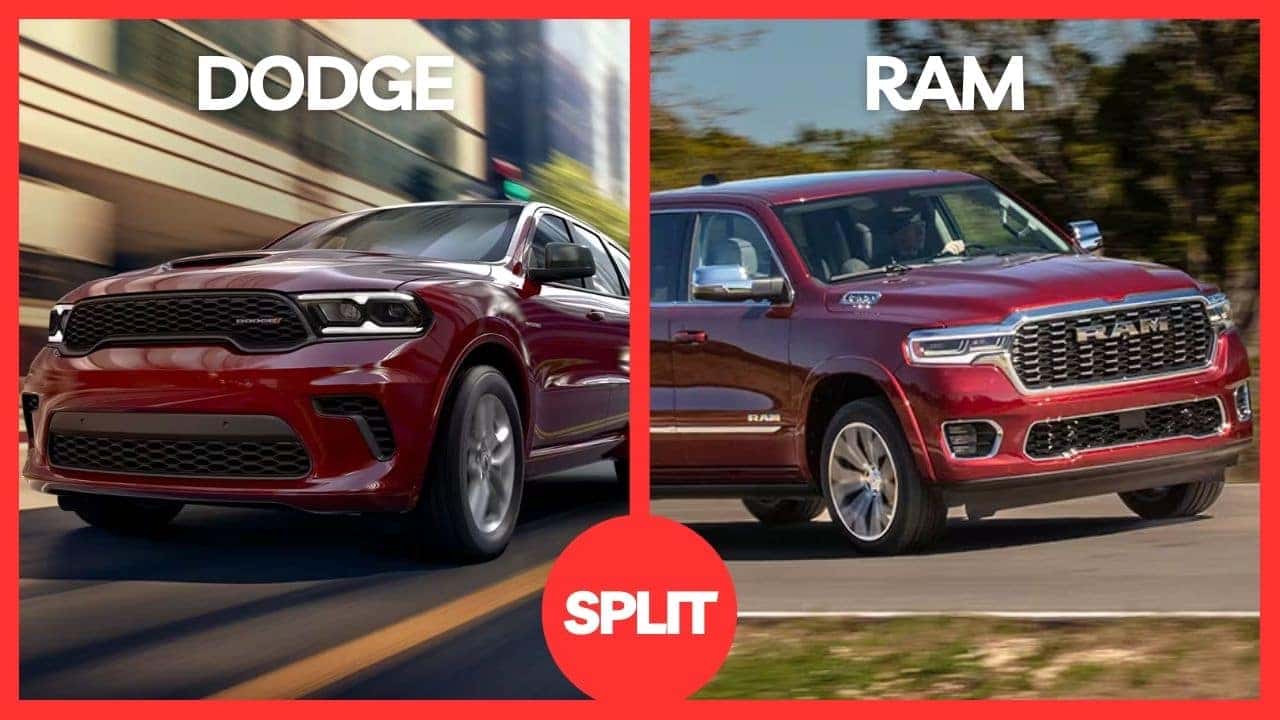
The Genesis of a Divide: Shared Heritage and Divergent Futures
For decades, the Ram nameplate was inextricably linked to Dodge, representing its rugged truck line. This shared identity served both brands for a significant period, leveraging Dodge’s broader appeal while providing a dedicated sub-brand for its highly successful pickup trucks. However, as market demands evolved and competition intensified, the strategic limitations of this consolidated approach became increasingly apparent. The seeds of separation were sown long before the official split, rooted in the distinct characteristics and customer expectations associated with each side of the Dodge/Ram coin.
Dodge’s Legacy: Performance and Mainstream Vehicles
Dodge, as a broader brand, historically encompassed a wide array of vehicles, from sedans and minivans to SUVs and, critically, performance cars. Its identity was often associated with a rebellious spirit, offering vehicles that balanced practicality with a distinct flair. From the muscle car era to its popular Caravan minivan, Dodge aimed for a mainstream audience that appreciated a blend of style, value, and, in certain models, power. This broad appeal, however, meant that the core identity of its truck line sometimes became diluted within the larger brand narrative.
Ram’s Roots: A Truck Lineage Within Dodge
Long before its independence, the “Ram” name was synonymous with Dodge trucks. Introduced in 1981, the Ram pickup quickly established itself as a formidable player in the highly competitive truck segment. These vehicles were built for utility, hauling, and rugged performance, attracting a distinct demographic of buyers who prioritized capability and reliability. While marketing often highlighted the “Dodge Ram” as a single entity, the truck’s purpose-built nature and the specific needs of its clientele always suggested a unique brand proposition that could potentially stand alone. The challenge for Chrysler, and later Fiat Chrysler Automobiles (FCA), was how to fully unlock this potential without cannibalizing the existing Dodge brand.
The Pivotal Split: Establishing Independent Brand Identities (2009-2010)
The decision to separate Dodge and Ram was not an isolated event but rather a strategic response to a confluence of industry shifts, corporate restructuring, and evolving market dynamics. It marked a bold move to leverage the distinct strengths of each nameplate by granting them independent brand identities and allowing them to pursue specialized market strategies.
Chrysler’s Bankruptcy and Fiat’s Acquisition: A Catalyst for Change
The year 2009 was tumultuous for the American automotive industry, with Chrysler LLC filing for Chapter 11 bankruptcy. This crisis ultimately led to a strategic alliance with, and eventual majority ownership by, Fiat S.p.A. The new leadership, spearheaded by CEO Sergio Marchionne, embarked on a comprehensive restructuring effort aimed at streamlining operations, improving product portfolios, and sharpening brand focus. It was within this context of radical transformation that the idea of segmenting the Dodge and Ram brands gained traction. The crisis provided a unique opportunity to rethink brand architecture from the ground up, free from the inertia of past practices.
Strategic Rationale: De-risking and Market Specialization
The primary strategic rationale behind the split was clear: de-risking the Dodge brand and allowing both entities to pursue specialized market segments with greater clarity and focus. By separating Ram as a standalone truck brand, Chrysler aimed to:
- Enhance Brand Clarity: Differentiate the truck line more sharply from Dodge’s performance-oriented and mainstream offerings, avoiding brand confusion.
- Optimize Marketing Spend: Tailor marketing campaigns more precisely to the specific demographics and psychographics of truck buyers versus car buyers.
- Improve Product Development: Focus engineering and design efforts on the unique requirements of each segment, leading to more competitive products.
- Maximize Market Share: Target specific competitors (e.g., Ford F-Series, Chevrolet Silverado for Ram; Mustang, Camaro for Dodge Challenger) with dedicated strategies.
- Strengthen Dealer Networks: Provide dealers with a clearer brand message to convey to customers, potentially leading to more focused sales efforts.
This segmentation strategy was a common practice among global automotive conglomerates, recognizing that trying to be “all things to all people” under one brand umbrella often dilutes its impact.
The Official Separation: Ram Truck Brand Is Born
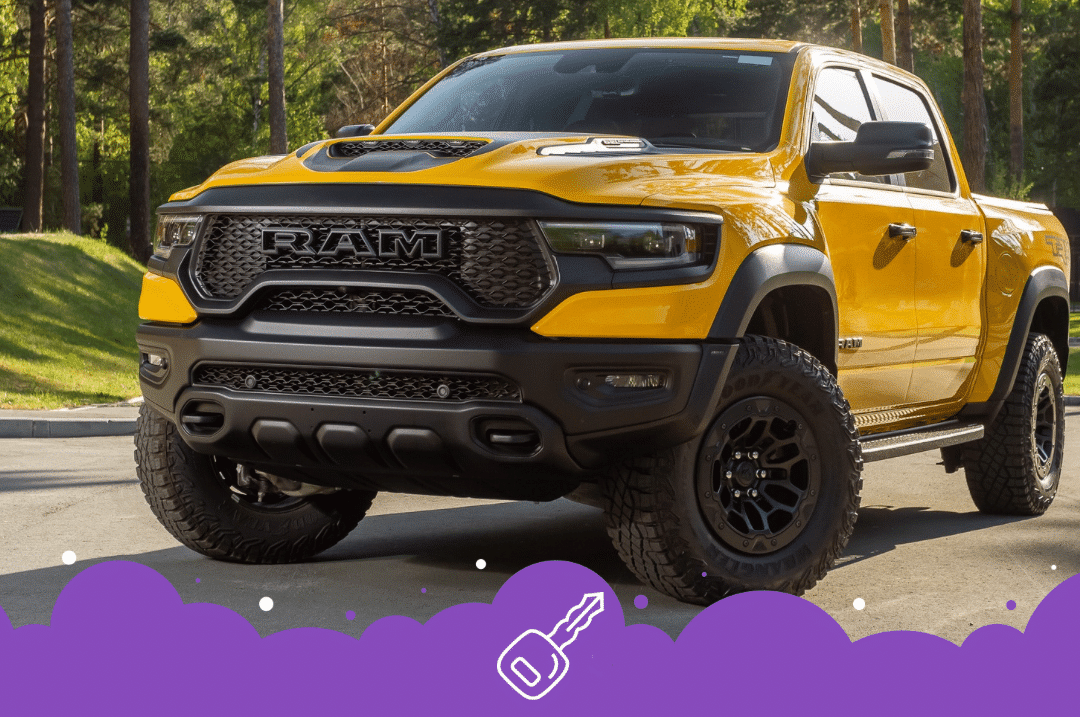
The official announcement of Ram becoming a standalone brand came in October 2009. From 2010 onwards, Ram trucks would no longer carry the Dodge nameplate; instead, they would simply be known as Ram. This change was swiftly implemented across marketing materials, badging, and product lines. Vehicles like the “Dodge Ram 1500” became simply the “Ram 1500.” The move underscored a fundamental shift in corporate identity, granting Ram its own dedicated team for product development, manufacturing, and marketing. It was a clear declaration that Ram was stepping out of Dodge’s shadow to forge its own distinct path in the highly lucrative and competitive truck market.
Post-Split Branding: Cultivating Distinct Market Positions
Following the separation, both Dodge and Ram embarked on deliberate strategies to carve out unique market positions, leveraging their newfound independence to cultivate strong, differentiated brand identities. This period saw a significant investment in specialized marketing, product development, and brand narrative construction for each entity.
Dodge’s Reinvigoration: Unleashing the Performance Beast
Freed from the utilitarian image of its truck line, Dodge was able to double down on its performance heritage and mainstream vehicle offerings. The brand increasingly focused on its “brotherhood of muscle” identity, emphasizing powerful engines, aggressive styling, and a thrilling driving experience. Models like the Challenger, Charger, and Durango received significant performance upgrades, culminating in the introduction of Hellcat and Demon variants that solidified Dodge’s position as a purveyor of unadulterated American muscle. Marketing campaigns highlighted speed, power, and a defiant attitude, resonating with a specific segment of enthusiasts and those seeking a more exhilarating daily drive. The brand shed its previous “jack of all trades” image to become a specialist in adrenaline-pumping vehicles.
Ram’s Ascent: Dominating the Truck and Commercial Segments
The newly independent Ram brand quickly found its stride by focusing exclusively on what it does best: building powerful, capable, and increasingly luxurious trucks and commercial vehicles. Ram’s strategy centered on innovation in comfort, technology, and sheer utility, directly challenging established leaders like Ford and Chevrolet. The brand introduced significant redesigns, emphasizing advanced features, premium interiors, and robust powertrains. Marketing efforts consistently highlighted themes of reliability, capability, luxury, and the “Guts. Glory. Ram.” tagline, targeting hardworking individuals, businesses, and families who rely on their trucks for both work and play. This singular focus allowed Ram to rapidly gain market share and establish itself as a formidable competitor, often lauded for its interior design and ride quality.
Marketing and Messaging: Crafting Unique Narratives
The divergence in brand identity was most evident in their respective marketing and messaging strategies. Dodge’s advertisements became more aggressive, focusing on raw power, speed, and a visceral driving experience. Campaigns often featured high-octane stunts, powerful visuals, and a rebellious tone designed to appeal to thrill-seekers and performance enthusiasts.
Conversely, Ram’s marketing adopted a more grounded, yet equally aspirational, tone. Campaigns frequently showcased trucks in challenging work environments, as dependable family haulers, or as luxurious daily drivers, emphasizing their versatility, strength, and advanced features. The messaging aimed to build an emotional connection with truck owners who view their vehicles as indispensable partners in their professional and personal lives. By meticulously crafting these unique narratives, both brands were able to attract and retain distinct customer bases without significant overlap or internal competition.
Impact and Lessons: A Successful Brand Segmentation Strategy
The strategic decision to split Dodge and Ram proved to be a resounding success for Stellantis. It stands as a compelling case study in how effective brand segmentation can invigorate market performance, clarify corporate identity, and foster stronger customer loyalty.
Market Share and Customer Loyalty Benefits
Post-split, both Dodge and Ram have seen significant improvements in their respective market positions. Ram’s singular focus on trucks allowed it to become a more formidable competitor against Ford and Chevrolet, consistently winning accolades and growing its market share in the highly profitable truck segment. Dodge, by concentrating on performance and muscle cars, successfully carved out a niche that resonated deeply with its target audience, maintaining strong sales for its iconic models and fostering a passionate community of loyalists. The clarity of each brand’s mission enabled more targeted product development and marketing, leading to higher customer satisfaction and repeat business, as consumers knew exactly what to expect from each badge.
Operational Efficiencies and Product Development
The separation also brought about operational efficiencies. With distinct product development teams and marketing budgets, each brand could dedicate resources more precisely to its core mission. Ram engineers could focus solely on truck innovation—from towing capacity and payload to interior ergonomics and infotainment systems tailored for truck owners. Similarly, Dodge designers and engineers could channel their efforts into pushing the boundaries of automotive performance and styling for passenger vehicles. This specialization accelerated innovation within each brand, resulting in more competitive and finely tuned products that directly addressed specific market needs.
The Art of Brand Divorce: Key Takeaways for Businesses
The Dodge/Ram split offers invaluable lessons for any business considering brand segmentation or restructuring:
- Identify Distinct Core Strengths: A successful split relies on genuinely different brand propositions that can thrive independently.
- Understand Your Audience: Deep market research into customer demographics, needs, and preferences is crucial for defining new brand territories.
- Clear Communication is Key: Both internally and externally, communicate the rationale and benefits of the split to stakeholders, employees, and customers.
- Invest in New Identities: Merely changing a name is insufficient. New brands require significant investment in product development, marketing, and cultural messaging to establish their unique identities.
- Embrace Specialization: Allowing brands to focus on specific niches often leads to stronger competitive advantages and innovation.
The year 2009, leading into 2010, marked a watershed moment for Dodge and Ram. Their strategic separation transformed a combined entity into two powerful, specialized brands, each successfully dominating its distinct segment of the automotive market. It is a testament to the power of strategic brand management and the foresight to evolve in response to a changing industry landscape.
aViewFromTheCave is a participant in the Amazon Services LLC Associates Program, an affiliate advertising program designed to provide a means for sites to earn advertising fees by advertising and linking to Amazon.com. Amazon, the Amazon logo, AmazonSupply, and the AmazonSupply logo are trademarks of Amazon.com, Inc. or its affiliates. As an Amazon Associate we earn affiliate commissions from qualifying purchases.