
The journey for backup cameras, or rearview video systems, to become standard equipment in vehicles is a compelling narrative of technological advancement, legislative advocacy, and a profound commitment to public safety. While these systems were once a premium feature, the definitive year they transitioned from luxury option to mandatory requirement for all new vehicles in the United States was 2018. This milestone marked the culmination of years of lobbying, research, and legislative action, fundamentally altering the landscape of automotive safety technology.
The Genesis of Rearview Technology
The concept of enhancing a driver’s rearward visibility is not new. For decades, engineers and inventors grappled with the inherent blind spots behind vehicles, particularly larger trucks and SUVs. Early attempts included complex mirror systems, but a truly comprehensive solution remained elusive until the advent of miniature cameras and digital displays.
Early Innovations and Aftermarket Solutions
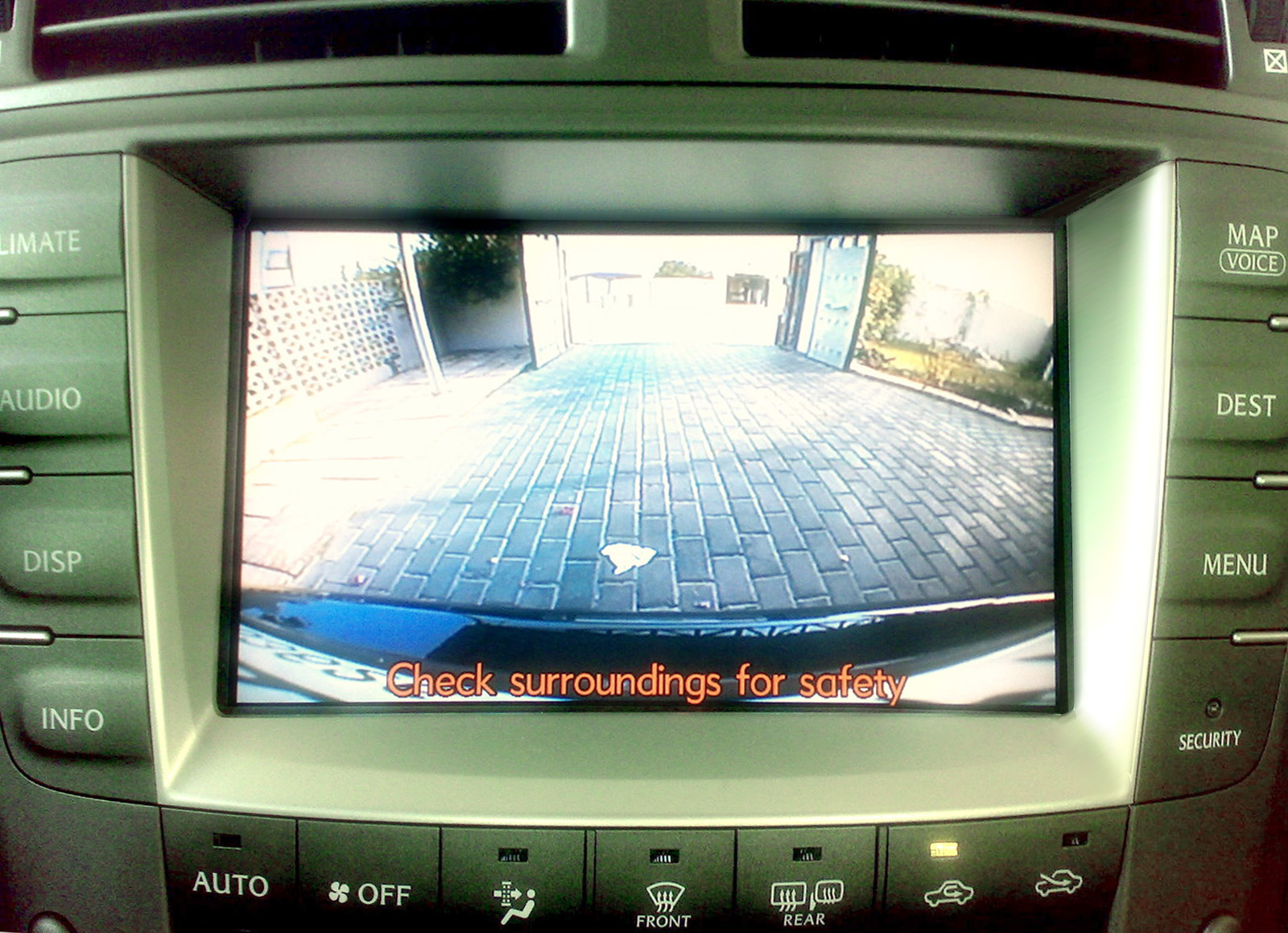
The first rudimentary backup cameras began appearing as aftermarket accessories in the late 1980s, primarily for commercial vehicles and RVs where rear visibility was severely compromised. These early systems were expensive, often low-resolution, and cumbersome to install, connecting to small, separate monitors. It wasn’t until the late 1990s and early 2000s that car manufacturers started to integrate them as optional features, typically in high-end luxury vehicles. The 2002 Infiniti Q45 is often cited as one of the first production cars in North America to offer a factory-installed backup camera, displaying its feed on the car’s navigation screen.
Initially, these systems were seen as a convenience, aiding in parking maneuvers, rather than a critical safety device. Their adoption was slow due to cost and the perceived lack of necessity by the general public. However, a growing body of data began to highlight a tragic consequence of blind spots: backover accidents. These incidents, often involving children and vulnerable pedestrians, underscored the urgent need for a universal solution.
The Driver Behind the Mandate: Safety Statistics
The primary catalyst for the standardization of backup cameras was the alarming rate of backover accidents. Each year, thousands of people were injured, and hundreds, primarily young children and elderly individuals, lost their lives in incidents where a driver, unable to see behind their vehicle, accidentally backed over someone. Organizations like KidsAndCars.org played a pivotal role in bringing these statistics to national attention, advocating fiercely for legislative change.
The National Highway Traffic Safety Administration (NHTSA) data revealed that backover crashes accounted for a significant number of non-traffic fatalities, with a disproportionate impact on children under five. A driver’s rearview mirrors simply could not provide a comprehensive view of the low-lying areas directly behind a vehicle, creating a hazardous “blind zone” that could extend many feet. It became clear that technological intervention was necessary to mitigate this persistent threat.
The Road to Standardization: Legislative Action
The push for mandatory backup cameras gained significant momentum in the mid-2000s, driven by public outcry and dedicated advocacy groups. This advocacy led directly to federal legislation aimed at preventing these preventable tragedies.
The Cameron Gulbransen Kids Transportation Safety Act
The turning point came with the passage of the Cameron Gulbransen Kids Transportation Safety Act of 2008. Named after a two-year-old boy tragically killed in a driveway backover accident, this bipartisan bill mandated that the Secretary of Transportation issue a final rule requiring specific performance standards for motor vehicle safety. Critically, it instructed the NHTSA to study and implement technology that would provide drivers with a complete view of the area behind their vehicle.
This act did not immediately make backup cameras standard, but it set a clear legislative directive for the NHTSA to research and establish performance requirements for improved rear visibility. The goal was not just to add a camera, but to ensure that the technology effectively eliminated or significantly reduced the blind spot.
The NHTSA Ruling: Setting the Deadline
Following years of research, public comments, and technical evaluations, the NHTSA issued its final rule on April 1, 2014. This landmark decision mandated that all new vehicles under 10,000 pounds gross vehicle weight rating (GVWR) sold in the United States must be equipped with rearview visibility systems.
The rule specified stringent performance standards: the camera display must show a 10-foot by 20-foot zone directly behind the vehicle. It also set requirements for image size, linger time, and response time, ensuring the systems were effective and user-friendly. This ruling was revolutionary, solidifying the backup camera’s transition from an optional add-on to a fundamental safety component.
Phased Implementation and Full Compliance
To allow manufacturers sufficient time to integrate the technology into their design and production cycles, the NHTSA established a phased implementation schedule. The rule required 10% of all new vehicles produced between May 1, 2016, and April 30, 2017, to comply. This increased to 40% for the subsequent year (May 1, 2017, to April 30, 2018).
The crucial deadline for full compliance was May 1, 2018. From this date forward, every new passenger car, multi-purpose passenger vehicle, truck, and bus with a GVWR of 10,000 pounds or less sold in the U.S. had to come equipped with a compliant rearview camera system. This is the definitive year backup cameras became standard in new vehicles across the board, fundamentally altering automotive design and safety expectations.
Technical Evolution and User Experience
The journey to standardization also propelled significant advancements in the technology itself. What started as simple, often grainy black-and-white images evolved into sophisticated, intelligent systems that enhance safety and convenience.
From Basic Views to Advanced Systems
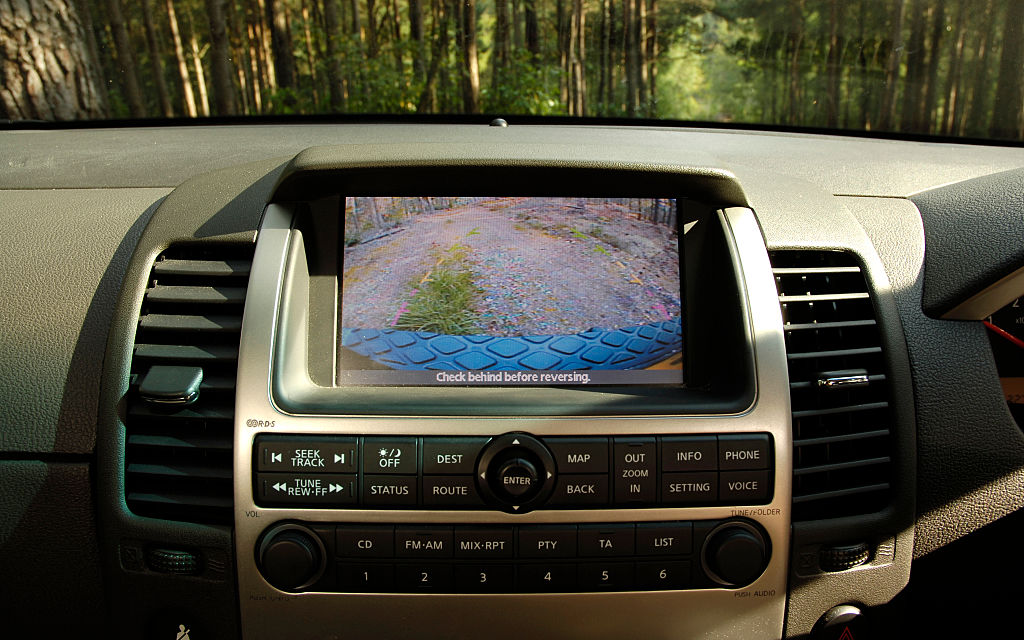
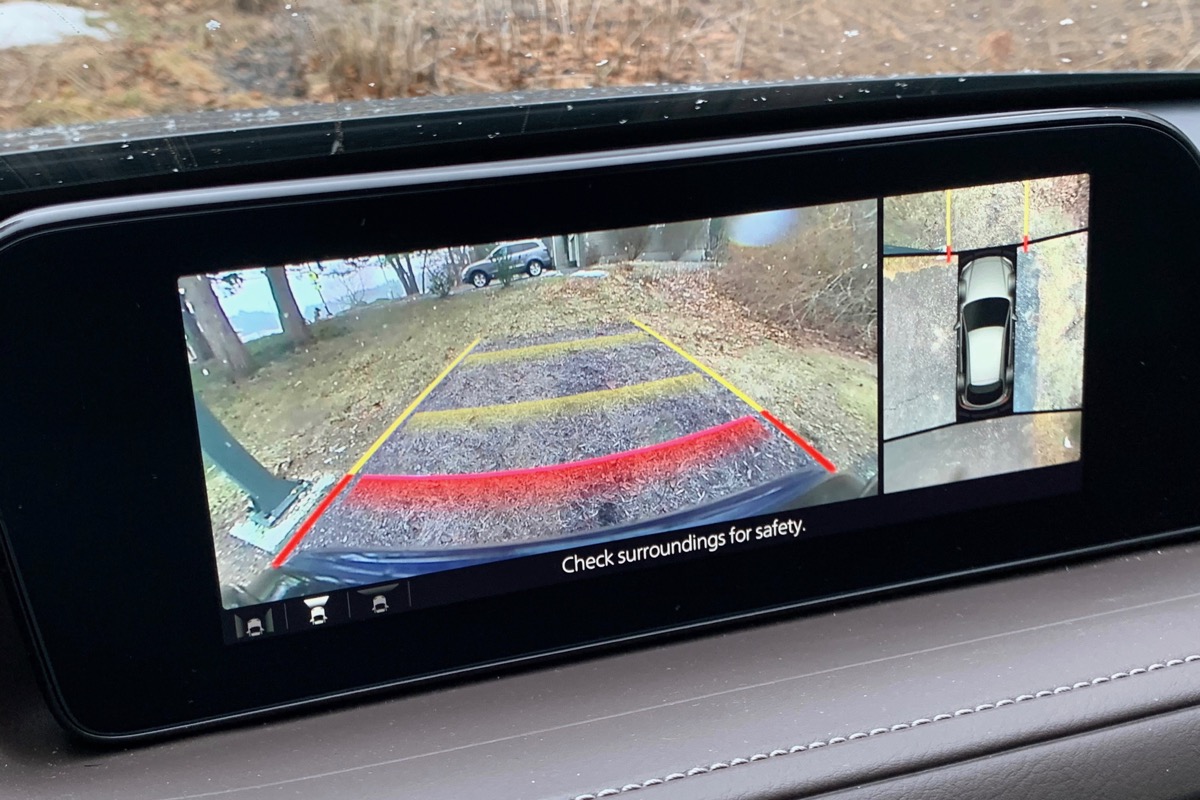
Early backup cameras provided a static, often low-resolution image. Today’s standard systems offer much more: high-definition color images, wide-angle lenses to minimize blind spots, and dynamic guidelines that curve with the steering wheel, indicating the vehicle’s projected path. Many systems also incorporate overlay graphics that provide distance measurements, helping drivers judge their proximity to obstacles.
The integration of these systems has also become seamless. The camera feed typically appears on the vehicle’s central infotainment screen when reverse gear is engaged, often with immediate activation. The quality of the display, once a concern, is now crisp and clear, providing reliable visibility even in low-light conditions thanks to improved camera sensors and processing.
Beyond the Basic Camera: Integration with Driver-Assist Systems
The standardization of the basic rearview camera paved the way for more advanced driver-assist systems. Manufacturers quickly leveraged the existing infrastructure to introduce additional features:
- Parking Sensors: Ultrasonic sensors at the rear (and often front) of the vehicle detect proximity to objects and provide audible warnings, complementing the visual camera feed.
- Rear Cross-Traffic Alert: Using radar sensors, this system warns drivers of approaching vehicles when backing out of a parking space with obstructed side views.
- 360-Degree Surround View Cameras: Multiple cameras strategically placed around the vehicle (front, rear, side mirrors) are stitched together to create a bird’s-eye view of the vehicle’s surroundings, offering an unparalleled perspective for parking and maneuvering in tight spaces.
- Automatic Rear Braking: Some advanced systems can automatically apply the brakes if they detect an imminent collision with an object behind the vehicle while reversing.
These features, while not strictly mandated as part of the 2018 rule, represent the natural evolution stemming from the foundational requirement of a rearview camera, showcasing how a single safety mandate can spur a wave of related technological innovation.
Components of a Modern Backup Camera System
A typical modern backup camera system consists of several key components working in concert:
- Camera Unit: A small, ruggedized camera, often discreetly integrated into the vehicle’s tailgate, trunk lid, or bumper. It’s designed to withstand varying weather conditions and provide a wide field of view.
- Digital Signal Processor (DSP): This embedded chip processes the raw video feed from the camera, correcting for lens distortion, adjusting brightness and contrast, and often generating the dynamic guidelines.
- Display Screen: The vehicle’s central infotainment screen or a dedicated display in the rearview mirror serves as the monitor for the camera feed.
- Wiring and Connectivity: A robust wiring harness connects the camera to the DSP and display, ensuring reliable data transmission. Many modern systems also use digital communication protocols for faster and clearer signals.
- Software Integration: The system is deeply integrated into the vehicle’s electronic architecture, automatically activating when reverse gear is selected and often interacting with other vehicle systems like parking sensors.
Impact and Future Trajectories
The standardization of backup cameras has had a tangible and positive impact on road safety, proving the efficacy of legislative mandates in driving technological adoption for public good.
Quantifiable Safety Improvements
The NHTSA projected that mandatory backup cameras would prevent 58 to 69 deaths and 2,752 to 3,115 injuries annually. Early data after full implementation has shown promising results, indicating a significant reduction in backover accidents and fatalities. The increased visibility provided by these systems directly addresses the blind spot problem, empowering drivers with critical information they previously lacked. This reduction in preventable accidents represents a profound success for automotive safety.
Shifting Driver Behavior and Awareness
While backup cameras are a powerful safety tool, they have also subtly influenced driver behavior. New drivers learn to rely on them as a primary aid for reversing, while experienced drivers find them invaluable for tight parking situations and increased awareness. It’s crucial, however, to remember that the camera is an aid, not a replacement for traditional mirror checks and direct observation. The most effective use combines the technological assistance with sound driving practices.
The Horizon of Automotive Safety Tech
The backup camera was just one step in the broader evolution of automotive safety. The technologies and legislative precedents established continue to push the boundaries of vehicle safety systems. The future holds even more advanced solutions:
- AI-Powered Object Detection: Next-generation systems will likely incorporate more sophisticated artificial intelligence to identify and classify objects (pedestrians, cyclists, other vehicles) behind the car, providing more intelligent warnings or even pre-emptive actions.
- Augmented Reality Overlays: Imagine seeing not just a camera feed, but digital overlays indicating precise distances, potential collision paths, or even highlighting unseen obstacles in poor visibility conditions.
- Sensor Fusion for Autonomous Parking: The combination of cameras, radar, lidar, and ultrasonic sensors will enable increasingly sophisticated autonomous parking features, where the car can park itself with minimal driver intervention.
- Integration with V2X Communication: Vehicle-to-everything (V2X) communication could allow cars to share real-time blind spot information with nearby vehicles or infrastructure, creating a more holistic safety network.
The journey from early aftermarket gadget to federally mandated safety standard is a testament to the power of technology to solve critical real-world problems. The year 2018 marked a definitive moment when rearview cameras became an indispensable component of vehicle safety, setting a new benchmark for driver awareness and accident prevention.
aViewFromTheCave is a participant in the Amazon Services LLC Associates Program, an affiliate advertising program designed to provide a means for sites to earn advertising fees by advertising and linking to Amazon.com. Amazon, the Amazon logo, AmazonSupply, and the AmazonSupply logo are trademarks of Amazon.com, Inc. or its affiliates. As an Amazon Associate we earn affiliate commissions from qualifying purchases.