
The question “what will pigs eat?” transcends simple nutritional inquiry; it strikes at the very heart of the financial viability and future sustainability of pork production. For agricultural businesses, small-scale farmers, and even individual investors tracking commodity markets, understanding current and future feed dynamics is paramount. Feed costs typically represent 60-70% of total production expenses in pig farming, making it the single largest determinant of profitability. As global populations grow, dietary preferences evolve, and environmental pressures mount, the financial landscape surrounding pig feed is poised for significant transformation, demanding strategic foresight and innovative investment.
The Economic Cornerstone: Feed Costs in Pork Production
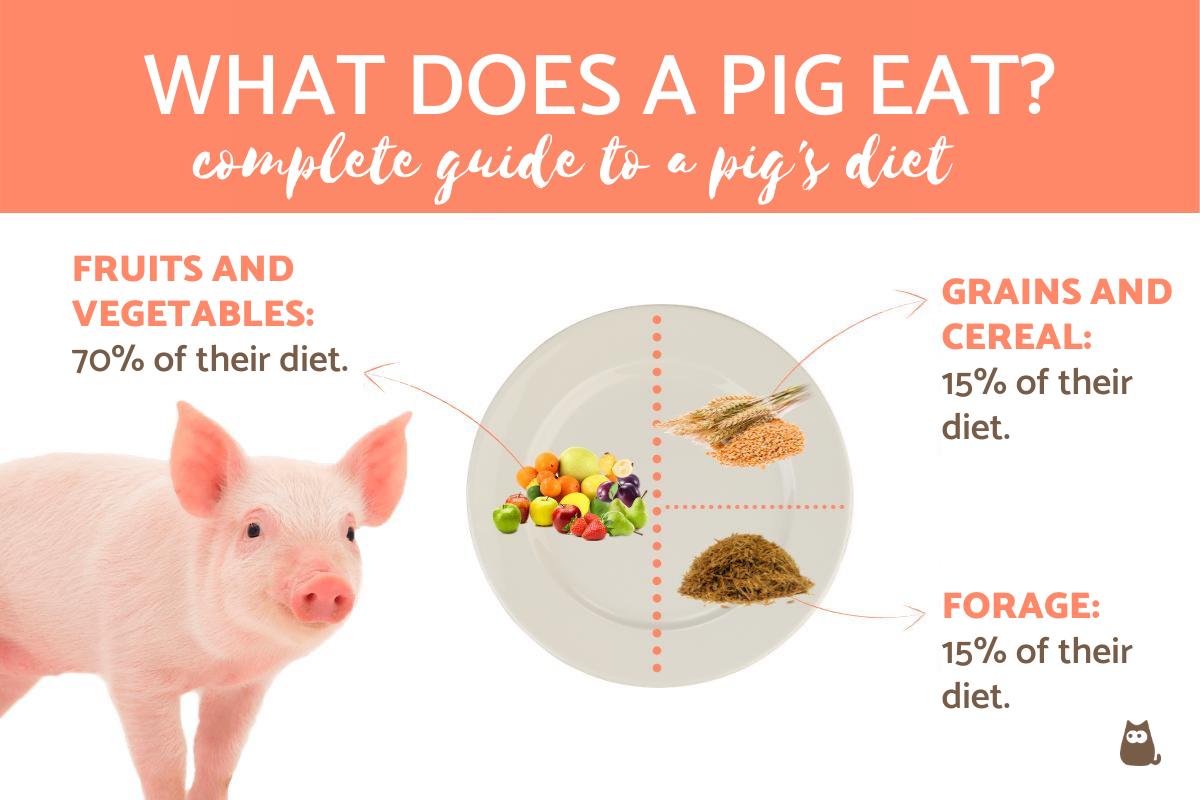
The foundation of any profitable pig farming operation rests heavily on managing feed expenses. Historically, diets have been dominated by corn and soy, commodities whose prices are subject to global supply chains, weather events, geopolitical tensions, and speculative trading. The direct correlation between these commodity prices and the financial health of pig farmers cannot be overstated.
Current Financial Burden of Conventional Feeds
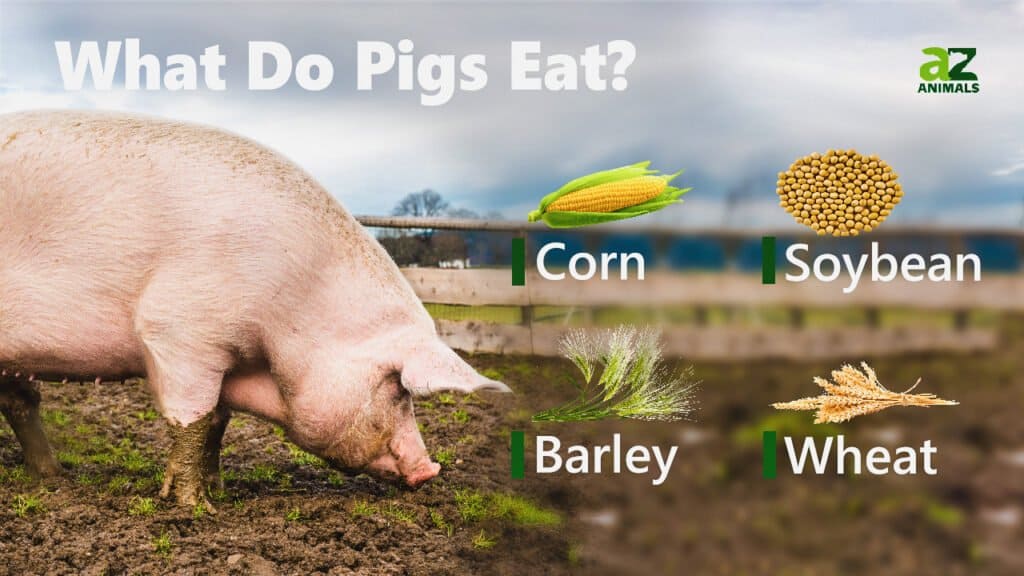
Traditional feed formulations, heavily reliant on corn (for energy) and soybean meal (for protein), offer proven nutritional profiles that support rapid growth and efficient feed conversion ratios. However, their cost volatility presents an ongoing challenge. Farmers often operate on thin margins, where a sudden spike in corn or soybean prices, perhaps due to drought in a major producing region or increased demand from other sectors like biofuels, can quickly erode profits or even push operations into the red. Hedging strategies, while available, come with their own complexities and costs, requiring sophisticated financial planning and market understanding. For smaller operations, the lack of capital for bulk purchasing or risk management tools leaves them particularly vulnerable to market fluctuations, making long-term financial planning arduous.
Market Volatility and Its Impact on Profit Margins
The global feed market is a complex web of interconnected factors. Beyond agricultural output, currency exchange rates, transportation costs, and even government agricultural policies in major exporting or importing nations can sway prices dramatically. A strong dollar, for instance, can make imported feed more expensive for non-U.S. buyers, while trade tariffs can disrupt established supply routes, leading to localized price surges. For pig producers, this volatility translates directly into unpredictable cash flows and heightened financial risk. Investment in new facilities, breeding stock, or technological upgrades becomes riskier when the primary cost input is subject to such dramatic swings. Consequently, astute financial managers in the agricultural sector are constantly seeking ways to de-risk their feed supply, either through diversified sourcing, forward contracts, or exploring alternative nutritional strategies that reduce reliance on volatile commodities.
Future Feed Horizons: Innovations for Sustained Profitability
The imperative to control costs and ensure sustainable profitability is driving significant innovation in pig nutrition. The future of pig feed is likely to be characterized by a shift away from singular reliance on conventional ingredients towards a more diverse, resilient, and economically efficient portfolio.
Alternative Protein Sources and Their Cost-Benefit Analysis
The high cost and environmental footprint of soybean meal have spurred a global search for alternative protein sources. Insects, such as black soldier fly larvae, are gaining traction as a sustainable and protein-rich ingredient. Their ability to convert organic waste into high-quality protein offers a circular economy benefit, potentially reducing both feed costs and waste management expenses. Algae, single-cell proteins derived from fermentation, and even certain co-products from the ethanol industry (like dried distillers grains with solubles, DDGS) present viable alternatives.
Evaluating these alternatives requires a thorough cost-benefit analysis. While the initial investment in developing or sourcing these novel feeds might be higher, their long-term stability, nutritional value, and potential for waste reduction could offer significant financial advantages. Furthermore, the ability to source locally grown alternatives can reduce transportation costs and insulate producers from global supply chain disruptions, enhancing financial stability. Early adopters of these alternative protein sources may also gain a competitive advantage in markets increasingly valuing sustainability.
The Rise of Precision Feeding and Its Financial Upside
Precision feeding represents a paradigm shift in feed management, moving from generic diets to customized nutritional plans for individual pigs or small groups, optimized for their growth stage, genetic potential, and environmental conditions. This approach leverages data analytics, sensors, and automated feeding systems to deliver the exact amount of nutrients required, minimizing waste and maximizing feed conversion efficiency.
The financial upside of precision feeding is substantial. By reducing overfeeding, producers can significantly cut feed expenses. Studies have shown potential savings of 5-10% on feed costs, which, given their proportion of total expenses, translates directly into improved profit margins. Moreover, optimized nutrition can lead to faster growth rates and healthier animals, reducing veterinary costs and improving carcass quality, further enhancing revenue streams. Investing in precision feeding technology, while requiring upfront capital, can offer a strong return on investment through sustained cost reductions and improved animal performance.
Strategic Waste Stream Integration: A Circular Economy for Financial Gain
Beyond novel ingredients, a significant financial opportunity lies in reimagining waste. Integrating agricultural byproducts and food waste into pig diets, while carefully managed for safety and nutrition, can transform liabilities into assets, fostering a circular economy model that yields both environmental and financial benefits.
Upcycling Food Waste and Agricultural Byproducts
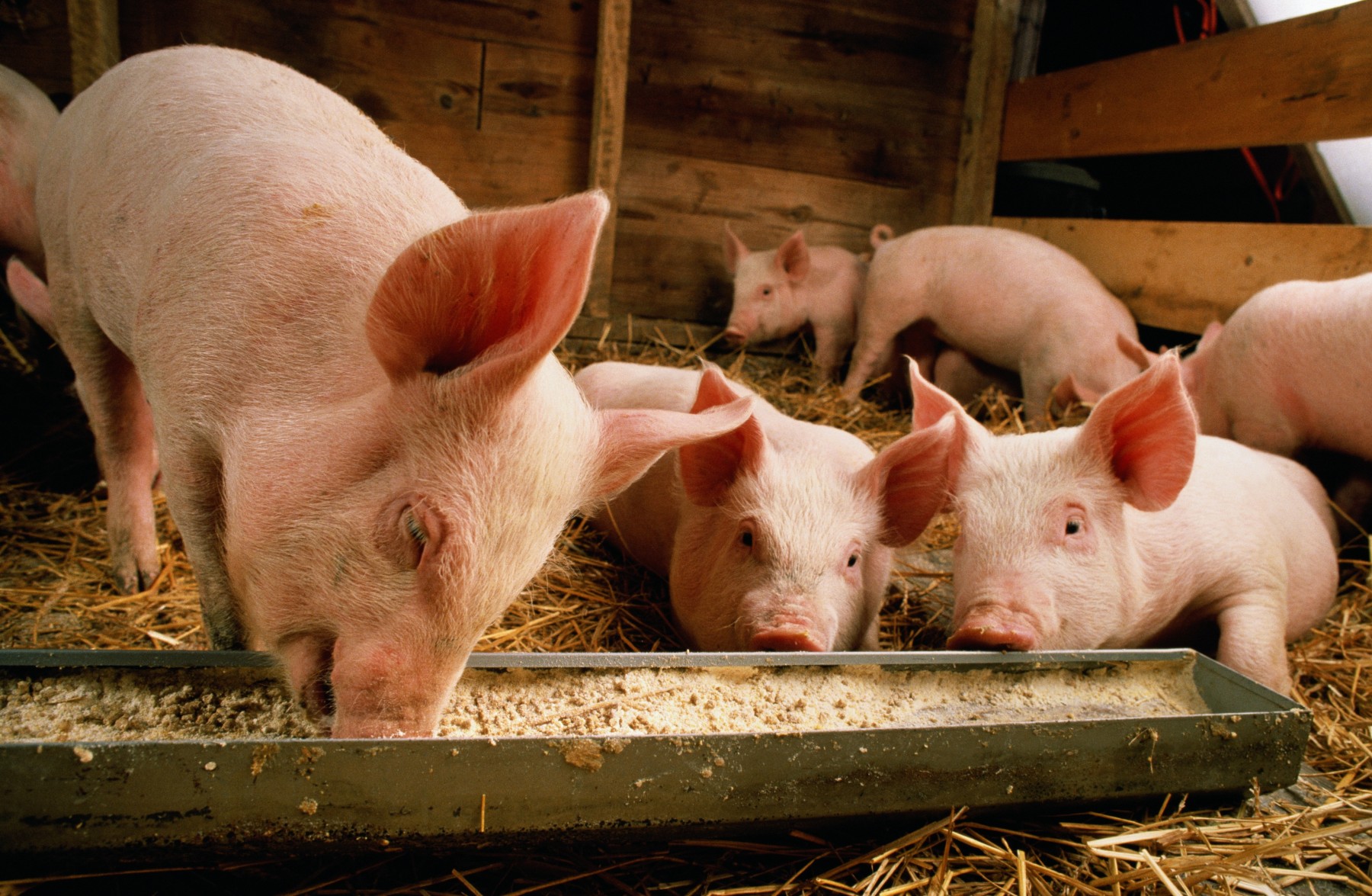
For centuries, pigs have been efficient converters of food scraps. Modern approaches to this ancient practice involve sophisticated processing to ensure safety and consistent nutritional quality. Brewer’s grains, bakery waste, restaurant leftovers, and processing byproducts from fruit and vegetable industries can all be valorized as pig feed. The financial benefits are twofold: producers can acquire these ingredients at a lower cost than conventional feeds, and often, waste generators are willing to pay for disposal, effectively turning a potential expense into a revenue stream or deeply discounted input for the farmer. This reduces waste disposal costs for communities and businesses while lowering feed costs for pig farmers, creating a win-win financial scenario. However, strict regulations regarding safety and nutritional consistency must be adhered to, necessitating robust management systems and potential investment in processing equipment.
Manure Management as a Revenue Stream: Biogas and Fertilizers
The “waste” from pigs—manure—also presents significant financial opportunities beyond its traditional use as fertilizer. Anaerobic digestion of pig manure can produce biogas, a renewable energy source that can be used to generate electricity, heat farm buildings, or even be sold back to the grid. This can substantially reduce energy costs for the farm, and in some cases, provide an additional income stream through energy sales or carbon credits. Furthermore, processed manure, such as composted or pelletized fertilizer, can be sold to other agricultural producers or gardeners, offsetting traditional fertilizer costs and creating a new revenue channel. Investing in manure-to-energy systems or advanced composting facilities, while an upfront capital expenditure, can unlock long-term financial benefits, transforming a costly environmental challenge into an asset.
Investing in Feed Efficiency: Technology as a Profit Maximizer
The drive for financial optimization in pig farming is increasingly intertwined with technological adoption. Investments in smart systems and genetic advancements are not merely about productivity; they are strategic financial decisions designed to maximize returns on every dollar spent on feed.
Smart Feeding Systems and Data-Driven Decision Making
Modern pig farms are increasingly deploying smart feeding systems that leverage sensors, cameras, and artificial intelligence to monitor feed intake, growth rates, and animal behavior in real-time. These systems can adjust feed delivery based on individual animal needs, identify underperforming animals, and detect early signs of illness, all of which directly impact feed efficiency and profitability. The data collected provides invaluable insights for optimizing feed formulations, managing inventory, and making proactive financial decisions. By preventing feed waste, ensuring optimal nutrient delivery, and reducing labor costs associated with manual feeding, these technologies offer a clear return on investment through enhanced productivity and reduced expenses.
Genetic Advancements and Nutritional Optimization
Investment in genetics plays a crucial role in future feed efficiency. Breeding programs are continually developing pig lines that are genetically predisposed to convert feed into muscle more efficiently, grow faster, and exhibit greater disease resistance. This means that less feed is required to achieve target market weights, directly impacting the bottom line. Furthermore, understanding the precise nutritional requirements of these genetically superior animals allows for the creation of highly optimized feed formulations. This synergy between genetics and nutrition ensures that feed investments are maximized, leading to superior financial outcomes in terms of faster turnaround times, lower input costs per animal, and potentially higher prices for premium pork products.
Mitigating Financial Risks: Futures Markets and Sustainable Practices
Navigating the future of pig feed involves not just identifying opportunities but also strategically mitigating the inherent financial risks associated with commodity markets and environmental factors. Proactive risk management and a commitment to sustainable practices can build a more resilient and financially secure pig farming operation.
Hedging Against Feed Price Fluctuations
For large-scale operations, utilizing futures and options markets can be a critical financial tool for hedging against unpredictable feed price fluctuations. By locking in prices for corn and soybean meal several months or even a year in advance, producers can stabilize their primary cost input, creating more predictable cash flows and enabling more accurate budget forecasting. While hedging involves its own costs and requires expertise in financial markets, it provides a crucial layer of protection against adverse price movements, allowing operations to weather market volatility without significant impact on profit margins. For smaller farms, collaborating through cooperatives to access hedging opportunities or utilizing forward contracts with feed suppliers can offer similar benefits, democratizing access to essential risk management strategies.
The Long-Term Financial Value of Sustainable Feed Practices
Beyond direct cost savings, adopting sustainable feed practices can offer long-term financial value through enhanced brand reputation, access to premium markets, and potential eligibility for environmental subsidies or carbon credit programs. Consumers are increasingly willing to pay more for ethically sourced and environmentally responsible products. Farms that transparently implement sustainable feed strategies—such as using insect protein, upcycling waste, or producing their own feed ingredients with reduced environmental impact—can tap into these premium market segments, commanding higher prices and building stronger brand loyalty. Furthermore, as governments and international bodies incentivize sustainable agriculture, farms that reduce their reliance on conventional, resource-intensive feeds may qualify for financial grants, tax breaks, or participation in carbon markets, creating additional revenue streams and enhancing overall financial resilience in a future-focused economy. The question of “what will pigs eat” thus becomes a strategic financial imperative, driving innovation, efficiency, and sustainability throughout the pork value chain.
aViewFromTheCave is a participant in the Amazon Services LLC Associates Program, an affiliate advertising program designed to provide a means for sites to earn advertising fees by advertising and linking to Amazon.com. Amazon, the Amazon logo, AmazonSupply, and the AmazonSupply logo are trademarks of Amazon.com, Inc. or its affiliates. As an Amazon Associate we earn affiliate commissions from qualifying purchases.