
The enigmatic Chaga mushroom (Inonotus obliquus) has transcended its origins as a folk remedy to become a significant player in the booming natural health and wellness industry. For entrepreneurs and aspiring side-hustlers, understanding the specific arboreal hosts of Chaga is not merely an academic exercise; it is the fundamental prerequisite for establishing a viable and profitable Chaga-related enterprise. Accurate identification of Chaga’s host trees directly impacts the quality, market value, and ethical sourcing potential of this highly sought-after fungus, making it a critical aspect of any Chaga-centric business model.
The Economic Imperative of Host Tree Knowledge
The market for Chaga is robust and growing, driven by consumer demand for adaptogenic, immune-boosting, and antioxidant-rich natural products. However, the value of Chaga is not uniform; it is intrinsically linked to its biological relationship with specific tree species. For those looking to capitalize on this market, whether through direct harvesting, processing, or selling Chaga-derived products, a deep understanding of its host trees is an economic imperative.
Market Demand and Premium Pricing
Chaga harvested from its preferred host, the birch tree, commands a premium price in the market. This preference is not arbitrary; scientific research and traditional knowledge suggest that birch-grown Chaga accumulates higher concentrations of beneficial compounds, such as betulin, betulinic acid, and melanin, which are derived from the birch itself. These compounds are largely responsible for Chaga’s lauded health benefits, making birch-grown varieties more desirable and, consequently, more expensive. A business built on correctly sourced, high-quality birch Chaga will inherently possess a stronger value proposition than one dealing with less potent alternatives. Understanding this allows foragers to strategically target areas rich in the most economically valuable Chaga, optimizing their time and resource allocation for maximum financial return.
Strategic Sourcing and Supply Chain Resilience
For any business, a stable and reliable supply chain is paramount. In the context of Chaga, this translates directly to knowing where and how to find the fungus in abundance. Focusing foraging efforts on regions with a high density of appropriate host trees minimizes search time and maximizes yield, thereby improving efficiency and reducing operational costs. Furthermore, diversifying sourcing locations based on different species of host trees can build resilience into the supply chain, protecting against localized environmental disruptions or over-harvesting in single areas. This strategic approach to sourcing is a cornerstone of sustainable business growth in the wild-harvested goods sector.
Identifying Chaga’s Primary Hosts: The Foundation of Value
While Chaga can technically grow on several deciduous trees, its relationship with birch species is unique and profoundly important from both a biological and economic perspective. Mastering the identification of these primary hosts is non-negotiable for anyone venturing into the Chaga industry.
Birch: The Gold Standard Host
The overwhelming majority of commercially valuable Chaga is found growing on birch trees (Betula species). This includes yellow birch (Betula alleghaniensis), white birch (Betula papyrifera), paper birch (Betula pendula), and downy birch (Betula pubescens). The symbiosis between Chaga and birch is critical; Chaga extracts betulin and betulinic acid directly from the birch bark and wood, converting it into a bioavailable form.
Key characteristics to identify birch trees as potential Chaga hosts:
- Distinctive Bark: Birches are famously known for their distinctive bark, which often peels in thin, papery strips, especially on younger trees. Colors range from chalky white (paper birch) to yellowish-bronze (yellow birch) or reddish-brown.
- Horizontal Lenticels: The bark of birch trees is marked with prominent horizontal lenticels (small, elongated pores), which are particularly noticeable on younger and medium-aged trees.
- Leaf Shape: Birch leaves are typically oval or triangular with serrated edges, arranged alternately on the stem. While not always visible when foraging in winter, fallen leaves can offer clues.
- Growth Habit: Birches are medium-sized deciduous trees, often found in mixed hardwood forests, particularly in colder climates across the Northern Hemisphere. They are pioneering species, frequently growing in disturbed areas or along forest edges.
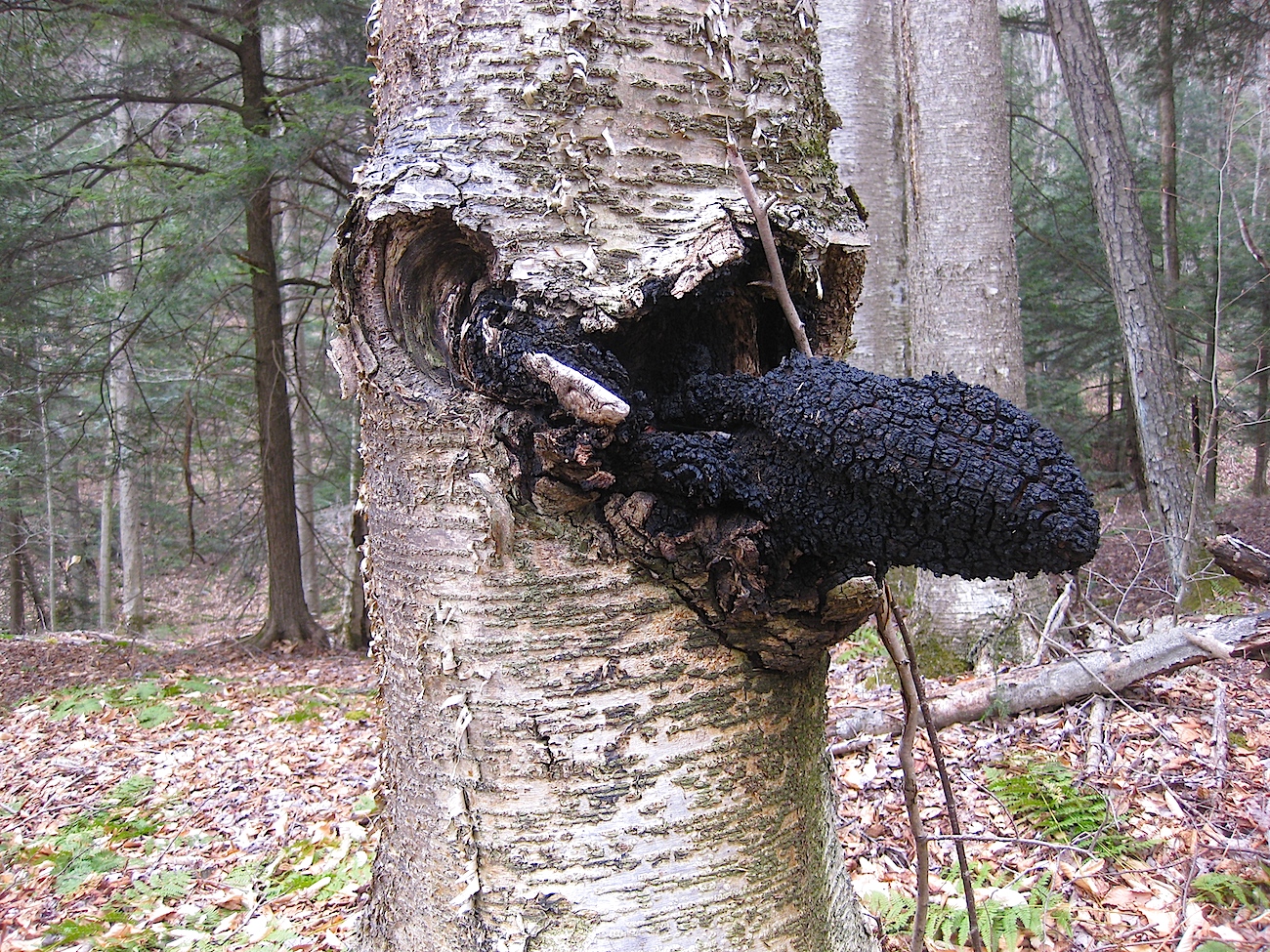
Foraging for Chaga on birch trees requires not only recognizing the tree but also understanding the specific conditions that favor Chaga growth. Mature, living birch trees, often those stressed or damaged, are prime locations. The Chaga conk itself, appearing as a hard, black, charcoal-like mass, usually protrudes from the trunk where branches have broken off or wounds have occurred.
Less Common Hosts and Their Economic Implications
While birch is the dominant host, Chaga has occasionally been documented on other deciduous trees, including alder, beech, maple, and even elm. However, Chaga found on these alternative hosts is generally considered to be of significantly lesser therapeutic value. The critical difference lies in the absence of betulin and betulinic acid in these non-birch hosts, meaning the Chaga growing on them will not contain these highly prized compounds.
From an economic standpoint:
- Reduced Market Value: Chaga from non-birch trees fetches a much lower price, if it’s even marketable at all. Misidentifying the host tree can lead to wasted foraging effort and unsellable product.
- Reputational Risk: Attempting to sell non-birch Chaga as premium product can severely damage a brand’s reputation and consumer trust. Transparency about sourcing and species is crucial.
- Focus on Core Competencies: For serious entrepreneurs, focusing exclusively on birch-grown Chaga ensures product quality, market acceptance, and the best return on investment for harvesting efforts. Resources are best allocated to identifying and harvesting from established, high-value sources.
Differentiating Chaga from Lookalikes
Beyond host tree identification, successful Chaga harvesting for business requires the ability to distinguish Inonotus obliquus from various fungal lookalikes that might grow on the same trees. These can include:
- Artist’s Conk (Ganoderma applanatum): While also a polypore, it has a flat, shelf-like appearance with a distinct white underside, unlike Chaga’s irregular, charcoal-like exterior.
- Cramp Balls (Daldinia concentrica): These are perfectly spherical and smooth, often resembling burnt charcoal briquettes, but lack Chaga’s irregular, deeply fissured surface and inner core.
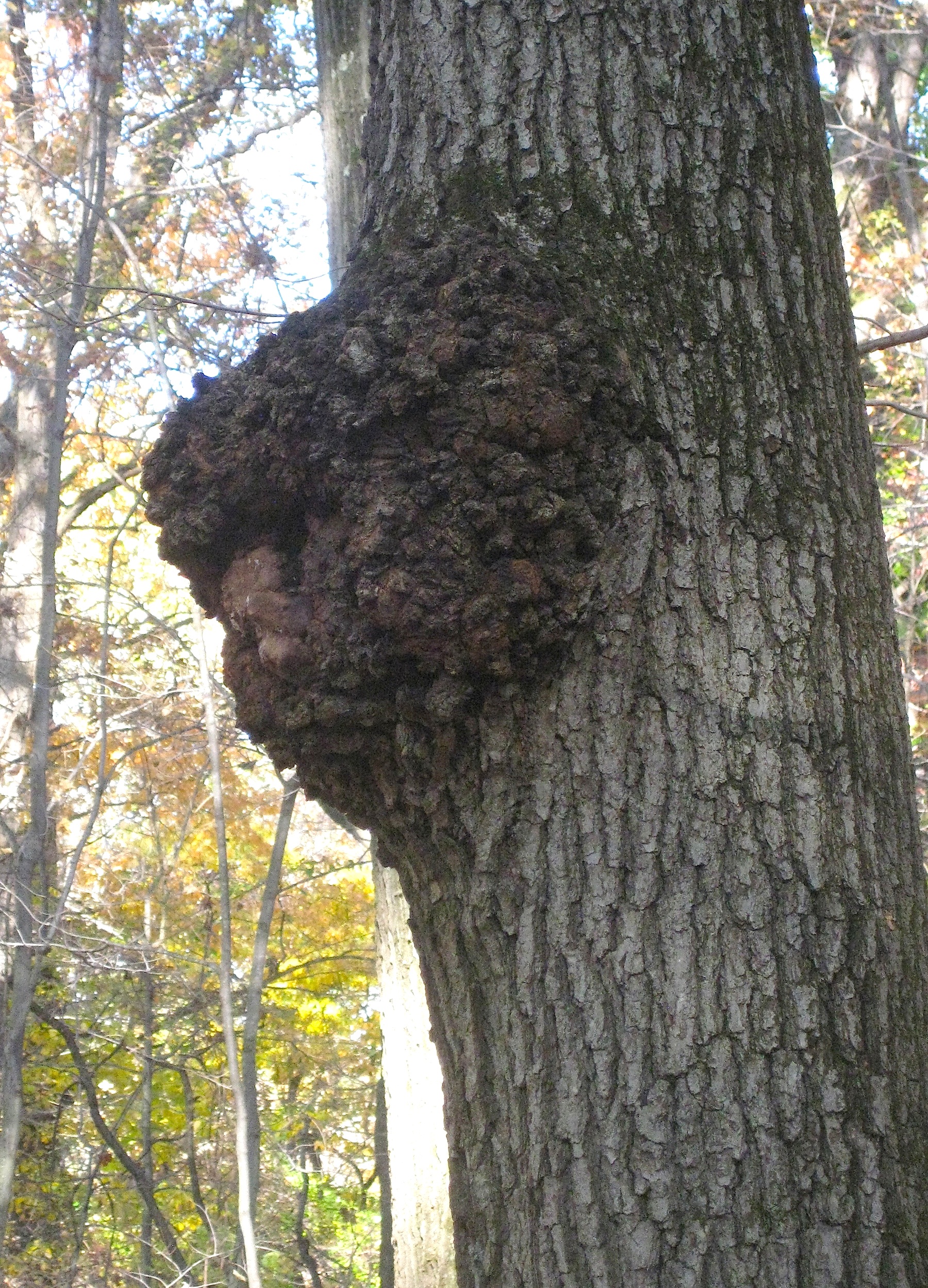
- Burls: These are woody outgrowths from trees, often mistaken for Chaga. Burls are part of the tree’s wood structure, not a separate fungal growth, and lack Chaga’s distinct texture and dark coloration.
Incorrect identification can lead to wasted effort, harvesting non-valuable fungi, and potentially offering inert or even harmful substances to consumers. A rigorous approach to identification, combining host tree recognition with fungal morphology, is a hallmark of professional Chaga sourcing.
Sustainable Harvesting and Business Longevity
The growing demand for Chaga has raised concerns about over-harvesting, threatening both the wild populations of the fungus and the long-term viability of businesses dependent on it. Integrating sustainable harvesting practices is not merely an ethical choice; it is a shrewd business strategy that ensures a consistent supply for future revenue streams.
Ethical Foraging for Long-Term Profitability
Sustainable harvesting practices are essential for preserving Chaga populations and the health of the host trees. This includes:
- Leaving a Portion Behind: Never remove an entire Chaga conk. Leaving at least 20-25% of the growth allows the fungus to regenerate, ensuring future harvests from the same tree.
- Harvesting Mature Chaga: Focusing on mature Chaga (typically fist-sized or larger) ensures the fungus has had ample time to develop its full spectrum of beneficial compounds.
- Rotating Harvest Sites: Implementing a rotation system for harvesting areas prevents over-exploitation of specific regions and allows Chaga populations to recover.
- Respecting the Host Tree: Damaging the host tree during harvest can prevent future Chaga growth and potentially harm the tree itself. Proper tools and techniques are crucial.
Businesses that prioritize and openly communicate their commitment to sustainable harvesting build a stronger brand reputation, appealing to environmentally conscious consumers and potentially commanding higher prices for ethically sourced products. This long-term perspective ensures that the natural resource remains available for future generations of foragers and entrepreneurs.
Legal and Regulatory Compliance
Depending on the region, harvesting Chaga may be subject to specific regulations, especially on public or protected lands. Business owners must be aware of and comply with local, state, and national laws regarding wildcrafting. This can include permits, seasonal restrictions, or limitations on the quantity harvested. Operating outside legal frameworks can result in fines, confiscation of product, and irreparable damage to a business’s standing. Understanding land ownership, obtaining necessary permissions, and adhering to all regulatory guidelines are non-negotiable aspects of a legitimate Chaga enterprise.
Building a Chaga-Based Enterprise
With a solid understanding of Chaga’s host trees and sustainable harvesting, an entrepreneur is well-positioned to build a thriving business. The journey from wild harvest to market-ready product involves several key steps that add value and expand potential income streams.
Processing and Value Addition
Raw Chaga, once correctly harvested from birch trees, can be processed into various forms, each with its own market and price point:
- Dried Chunks: This is the simplest form, often sold to consumers for making tea or for further processing at home. Proper drying is crucial to prevent mold and preserve potency.
- Powdered Chaga: Grinding dried Chaga into a fine powder increases convenience for consumers, suitable for teas, smoothies, or encapsulating. This adds value through processing.
- Extracts and Tinctures: Concentrated liquid extracts are highly prized for their potency and ease of use. This involves specialized extraction methods (hot water, dual extraction) and requires more significant investment in equipment and expertise, but offers substantial profit margins.
- Formulated Products: Chaga can be incorporated into a range of health products, including capsules, cosmetic ingredients, coffee blends, and functional foods. This level of value addition often requires collaboration with manufacturers and adherence to food safety or cosmetic regulations.
Each step in processing increases the value of the raw material, allowing businesses to cater to different segments of the health and wellness market and maximize revenue from their initial harvest.

Marketing Your Chaga Products
Effective marketing is crucial for differentiating a Chaga business in a competitive market. Key strategies include:
- Emphasizing Source and Purity: Highlight that Chaga is exclusively harvested from birch trees, emphasizing the superior quality and potent compounds derived from this symbiotic relationship.
- Showcasing Sustainable Practices: Consumers are increasingly valuing ethical and sustainable sourcing. Clearly communicate harvesting methods that ensure environmental stewardship.
- Educating Consumers: Many consumers are still learning about Chaga. Providing clear information about its benefits, how to use it, and its unique properties can build trust and drive sales.
- Building an Online Presence: E-commerce platforms, social media, and a professional website are essential for reaching a broad customer base. High-quality visuals of the Chaga, its host trees, and the harvesting process can be powerful marketing tools.
By focusing on the unique attributes of birch-grown Chaga and upholding transparent, sustainable business practices, entrepreneurs can establish a reputable and profitable venture within the vibrant natural health market. The journey truly begins with knowing which trees provide this precious fungus, transforming ecological knowledge into economic opportunity.
aViewFromTheCave is a participant in the Amazon Services LLC Associates Program, an affiliate advertising program designed to provide a means for sites to earn advertising fees by advertising and linking to Amazon.com. Amazon, the Amazon logo, AmazonSupply, and the AmazonSupply logo are trademarks of Amazon.com, Inc. or its affiliates. As an Amazon Associate we earn affiliate commissions from qualifying purchases.