
The Engineering of Layering: Optimizing Performance in Cold Environments
The efficacy of any ski suit system begins with the foundational layers worn underneath, a critical engineering challenge in personal thermal regulation. Far from merely adding bulk, each layer serves a distinct, scientifically-backed purpose, collaborating to manage body temperature, wick moisture, and provide insulation without impeding mobility. Understanding this layered system is akin to understanding a sophisticated climate control mechanism for the human body, relying on advanced material science and thoughtful design. The goal is a dynamic system that adapts to varying levels of exertion and external conditions, preventing both overheating and chilling.

Base Layer Technology: Engineered for Moisture Management
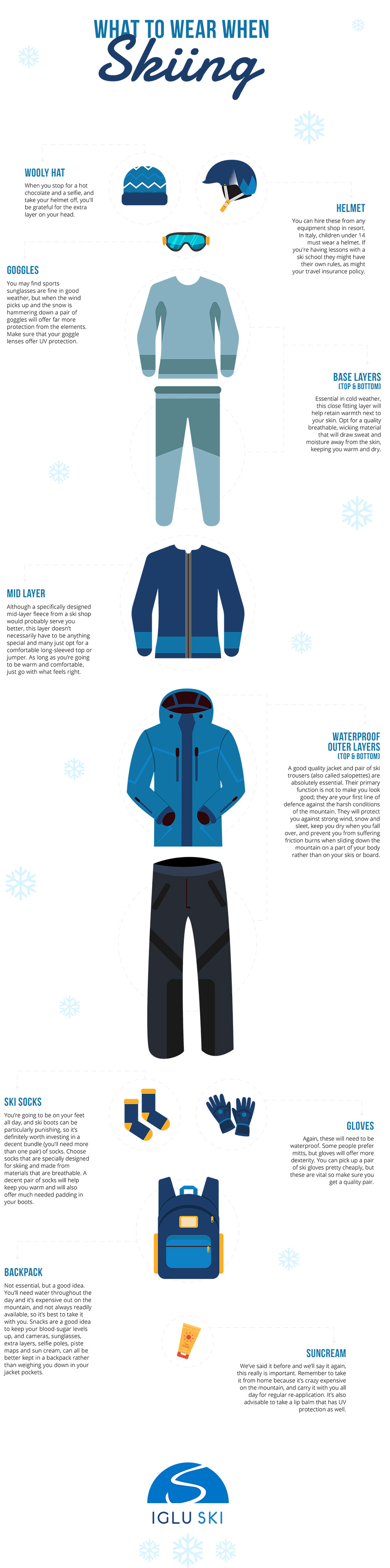
The base layer is the first line of defense and perhaps the most technologically critical. Its primary function is not warmth itself, but rather proactive moisture management. When the body exerts itself, it produces sweat, which, if allowed to remain on the skin, can rapidly cool the body through evaporative heat loss, leading to discomfort and potentially hypothermia in cold conditions. Modern base layers are engineered with advanced wicking fabrics designed to pull moisture away from the skin and transport it to the outer surface of the fabric where it can evaporate more readily.
Key technological features in base layers include:
- Capillary Action Fibers: Synthetic base layers often utilize specially engineered polyester or polypropylene fibers with micro-channels that physically draw moisture away from the skin through capillary action. These fibers are hydrophobic, meaning they resist absorbing water themselves, ensuring rapid drying times.
- Hydrophilic Treatments: Some fabrics incorporate hydrophilic (water-attracting) treatments on their outer surfaces to further accelerate moisture evaporation once it reaches the fabric exterior.
- Merino Wool’s Natural Tech: While synthetic fibers are purpose-built, merino wool offers natural, microscopic crimps and a unique fiber structure that allows it to absorb a significant amount of moisture vapor before it condenses into liquid sweat, trapping it within the fiber core while the fiber surface remains dry. It then releases this moisture slowly, a sophisticated form of thermoregulation. Furthermore, its inherent antimicrobial properties help prevent odor buildup, a crucial advantage for multi-day use.
- Seamless Construction: Many high-performance base layers utilize seamless knitting technology to eliminate chafing points, enhance comfort, and allow for targeted variations in fabric density and breathability across different body zones.
Mid-Layer Innovations: Advancements in Thermal Insulation and Breathability
The mid-layer’s role is primarily insulation – trapping body heat to maintain warmth. However, it must do so without compromising breathability, allowing moisture vapor from the base layer to continue its journey outward. This delicate balance is achieved through innovative material science and garment construction.
Key innovations include:
- Synthetic Insulations (e.g., PrimaLoft, Polartec): These materials are engineered from fine polyester fibers that mimic the structure of down, creating countless air pockets to trap heat. Unlike down, synthetic insulations retain significant warmth even when wet, a critical safety feature for winter sports. Modern synthetics are also becoming increasingly compressible and lighter, offering high warmth-to-weight ratios.
- Fleece Technologies: Polartec, a pioneer in fleece technology, continues to innovate with variations like Power Grid, which features a grid pattern that reduces fabric mass while increasing warmth and breathability by creating open air channels. This design optimizes the insulation-to-breathability ratio.
- Down Fill Power: For extremely cold, dry conditions, treated down insulation (e.g., hydrophobic down) offers unparalleled warmth-to-weight. Its “fill power” (measured in cubic inches per ounce) is a key metric indicating the loft and insulating capability of the down. While less common directly under a ski suit due to moisture concerns, lightweight down mid-layers are used in very cold, dry climates.
- Active Insulation: A newer category, active insulation, uses looser knit or perforated insulation layers (like Polartec Alpha or some synthetic wool blends) that provide warmth but are significantly more breathable, allowing excess heat and moisture to escape during high-output activities, preventing the clammy feeling of traditional insulation.
The Critical Role of Fabric Integration
The effectiveness of the layering system is contingent upon the harmonious integration of each fabric’s technical properties. A highly wicking base layer is negated if the mid-layer traps moisture. Similarly, a breathable mid-layer is useless if the outer shell is impermeable to vapor. Modern performance apparel designers meticulously consider the vapor permeability and heat retention of each component to ensure a synergistic system. This integrated approach is a cornerstone of advanced textile engineering, ensuring that moisture and heat are managed efficiently from skin to the external environment.
Unpacking Performance Fibers: A Deep Dive into Material Science
The selection of fibers and their subsequent weave or knit structure are at the heart of performance apparel technology. Each material brings a unique set of properties, carefully chosen by engineers and designers to meet specific demands for comfort, durability, and thermoregulation.
Merino Wool: A Natural Technical Fiber Re-Engineered
Originally prized for its softness, merino wool has been extensively re-engineered and re-understood as a highly technical fiber for activewear. Unlike traditional coarser wool, merino fibers are incredibly fine, typically measuring 17-23 microns in diameter, which allows them to bend rather than prick the skin, eliminating itchiness.
Its natural “tech” features include:
- Thermoregulation: Merino actively responds to body temperature. Its unique fiber structure absorbs and releases moisture vapor, helping to cool you when you’re hot and insulate you when you’re cold.
- Moisture Management: Merino can absorb up to 30% of its weight in moisture before feeling wet, moving sweat away from the skin. Crucially, it continues to insulate even when damp.
- Odor Resistance: The complex chemical structure of merino wool naturally traps odor-causing bacteria, which are then released during washing. This makes it ideal for multi-day trips.
- UV Protection: Natural lanolin in wool provides inherent UV protection.
- Breathability: Its crimped fibers create air pockets, allowing excellent airflow and breathability.
Innovations in merino wool include blending it with synthetics for enhanced durability and stretch, or treating it for increased resistance to pilling and shrinkage, expanding its application in performance apparel.
Advanced Synthetics: Polymer Science in Action
Synthetic fibers, primarily polyester and polypropylene, are the result of sophisticated polymer science, engineered for specific performance attributes that often surpass natural fibers in certain aspects.
- Polyester: Known for its strength, durability, and excellent moisture-wicking properties. Modern polyesters are often engineered with specific cross-sections (e.g., star-shaped, multi-channel) to maximize surface area and enhance capillary action, accelerating moisture transfer. Microfibers of polyester create soft, lightweight fabrics.
- Polypropylene: Exceptionally lightweight and hydrophobic, polypropylene excels at moisture wicking. It sheds water effectively, dries rapidly, and has good insulation properties. However, it can be less resistant to abrasion and UV degradation than polyester, and less effective at odor control.
- Nylon/Polyamide: Valued for its exceptional strength, elasticity, and abrasion resistance. Often blended with other fibers to improve durability or used in outer layers for its toughness.
- Elastane/Spandex/Lycra: A polyurethane-based synthetic fiber known for its extraordinary elasticity. A small percentage of elastane is often blended into base and mid-layers to provide stretch and shape retention, allowing for unrestricted movement and a close, ergonomic fit.
Hybrid Fabrics: The Best of Both Worlds
A significant advancement in apparel technology is the development of hybrid fabrics, which strategically combine natural and synthetic fibers to leverage the strengths of each. For example, a base layer might feature a merino wool interior for warmth and odor resistance, with a polyester exterior for enhanced durability and faster drying. This targeted material placement and blending creates garments with optimized performance profiles, such as fabrics that are warm yet quick-drying, or durable yet soft against the skin. These blends represent a sophisticated integration of different material technologies to achieve a superior overall product.
Smart Apparel Design and Fit: Enhancing User Experience
Beyond the raw materials, the design and construction of under-suit apparel play a crucial role in its performance, comfort, and user experience. This involves an understanding of human anatomy, biomechanics, and environmental physiology.
Ergonomics and Articulation: Movement-Oriented Design
Performance apparel is not simply cut to fit; it’s engineered to move with the body. Ergonomic design principles are applied to ensure that garments provide maximum freedom of movement without chafing or bunching. This often involves:
- Articulation: Pre-shaped patterns at joints (knees, elbows, shoulders) to accommodate natural bending motions.
- Gusseting: Diamond-shaped fabric inserts in high-movement areas like armpits and crotch to allow for greater range of motion and prevent seams from digging in.
- Body Mapping: Different fabric weights or structures are strategically placed across the garment to match areas of high sweat production (e.g., back, armpits) with more breathable fabrics, and areas needing more warmth (e.g., torso, thighs) with denser fabrics. This intelligent placement optimizes thermal regulation.
Seam Technology: Reducing Friction and Enhancing Durability
Traditional seams can be bulky and cause chafing, especially under the constant motion of skiing. Advances in seam technology address this:
- Flatlock Seams: These seams are constructed to lie flat against the skin, significantly reducing friction and irritation. They are common in high-performance base layers.
- Welded Seams: In some advanced garments, seams are not sewn but thermally bonded or welded, creating a completely flat, low-profile, and often more durable and water-resistant join.
- Strategic Seam Placement: Designers meticulously place seams away from high-friction zones (e.g., under backpack straps, inner thighs) to enhance comfort during prolonged activity.
Compression and Targeted Support: Performance Enhancements
Some under-suit apparel incorporates elements of compression technology, particularly in base layers. Graduated compression can:
- Improve Blood Flow: Enhance circulation, potentially aiding muscle performance and recovery by delivering more oxygen to active muscles and clearing metabolic byproducts.
- Reduce Muscle Oscillation: Stabilize muscles, which can reduce fatigue and muscle damage from vibration during high-impact activities.
- Enhance Proprioception: Increase awareness of limb position, potentially improving balance and coordination.
Targeted support panels might be integrated into specific areas to aid muscle groups crucial for skiing.
Selecting Your Technical Under-Suit System: A Gear Acquisition Tutorial
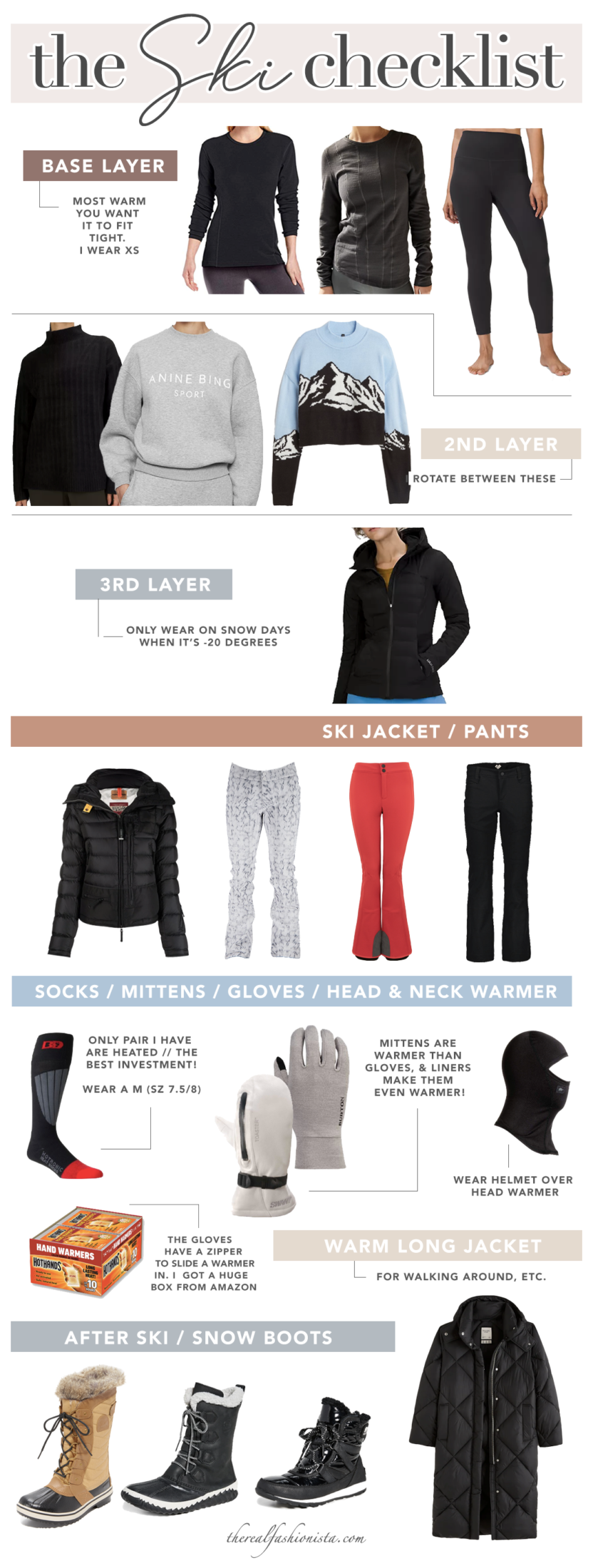
Choosing the right technical under-suit system is an investment in comfort, safety, and performance. It requires understanding technical specifications and matching gear to personal needs and environmental variables. This process is a practical application of the apparel technologies discussed.
Matching Apparel Tech to Conditions and Activity Levels
The optimal layering system is dynamic. A common mistake is to over-insulate, leading to overheating and excessive sweating, which ironically can lead to chilling later.
- Cold, High-Output: For intense activity in moderately cold conditions, prioritize breathability and moisture-wicking. A lightweight merino or synthetic base layer with a minimalist grid-fleece mid-layer might be ideal.
- Very Cold, Low-Output: For lift-heavy days or extremely cold temperatures, prioritize insulation. A mid-weight to heavy-weight base layer coupled with a thick fleece or a light insulated mid-layer is more appropriate.
- Variable Conditions: Many skiers opt for a versatile base layer and a mid-layer that can be easily added or removed, such as a full-zip fleece, to adapt to changing temperatures and effort levels throughout the day.
Decoding Technical Specifications: Weight, Wicking, and Warmth Ratings
- Fabric Weight (gsm – grams per square meter): This is a key indicator for base layers, typically ranging from 150 gsm (lightweight) to 260+ gsm (heavyweight). Higher gsm generally means more warmth.
- Wicking Rating: While not always a standardized numerical rating, product descriptions will highlight “advanced wicking,” “fast-drying,” or specific fiber technologies (e.g., Polartec Power Dry). Look for fabrics designed for rapid moisture transfer.
- Fill Power (for down mid-layers): A measure of down’s loft and insulating efficiency. Higher numbers (e.g., 800-fill) indicate more warmth for less weight.
- Breathability: Often described qualitatively (e.g., “highly breathable,” “active insulation”) for mid-layers. For outer layers (less relevant under suit, but contextual), it’s measured in g/m²/24h, indicating how much moisture vapor can pass through.
Reading reviews from reputable outdoor gear testers can also provide insights into real-world performance of specific technologies.
Longevity and Care: Protecting Your Investment in Performance Gear
High-performance apparel is a significant investment. Proper care extends its lifespan and maintains its technical properties.
- Washing Instructions: Always follow manufacturer guidelines. Many technical fabrics require specific wash cycles, temperatures, and detergents to avoid damaging special treatments (e.g., DWR coatings, anti-odor treatments) or fiber structures.
- Specialized Detergents: For merino wool, use wool-specific detergents. For synthetics, avoid fabric softeners, which can clog fibers and reduce wicking ability.
- Drying: Air drying is often recommended to prevent heat damage to synthetic fibers and prolong garment life.
By understanding the science and engineering behind modern performance apparel, skiers can make informed choices, assembling an under-suit system that maximizes comfort, enhances safety, and elevates their overall experience on the slopes.
aViewFromTheCave is a participant in the Amazon Services LLC Associates Program, an affiliate advertising program designed to provide a means for sites to earn advertising fees by advertising and linking to Amazon.com. Amazon, the Amazon logo, AmazonSupply, and the AmazonSupply logo are trademarks of Amazon.com, Inc. or its affiliates. As an Amazon Associate we earn affiliate commissions from qualifying purchases.