
Navigating New York City isn’t merely about physical movement; it’s a dynamic exercise in self-presentation and strategic personal branding. In a metropolis that thrives on visual cues and first impressions, your attire becomes a crucial extension of your identity, communicating volumes before a single word is exchanged. This isn’t just about fashion; it’s about consciously designing your visual narrative to resonate with the city’s diverse environments and to reinforce your desired personal brand. Understanding how to dress for New York is, at its core, understanding how to market yourself effectively in one of the world’s most competitive and visually acute landscapes.

Projecting Your Persona: New York as a Canvas for Personal Branding
New York City offers an unparalleled stage for personal expression, where every street corner, cafe, and corporate lobby serves as an opportunity to reinforce or redefine your personal brand. The “what to wear” question transcends mere comfort or style; it delves into the strategic deployment of your visual identity to align with your objectives, whether professional networking, cultural immersion, or simply embodying a certain urban sophistication.
The Power of Contextual Branding
Your personal brand, much like a corporate brand, thrives on consistency and relevance within its target environment. In New York, this means adapting your visual strategy to various contexts without losing the core essence of who you are. A meticulously tailored suit projects a different brand narrative in a Midtown financial district office than it might during a casual gallery stroll in Chelsea. The challenge, and the opportunity, lies in crafting a versatile wardrobe that allows for seamless transitions while maintaining brand integrity. Consider the brand archetype you wish to project—is it innovative and cutting-edge, classic and reliable, artistic and avant-garde? Each choice, from fabric to silhouette, contributes to this overarching brand story.
Visual Communication as a Strategic Asset
Clothing is a non-verbal language, and in New York, it’s spoken fluently. Before you even articulate your professional aspirations or personal values, your attire has already initiated a dialogue. A sharply curated ensemble communicates attention to detail, respect for one’s environment, and a certain level of self-awareness—all qualities highly valued in professional and social circles. Conversely, an outfit that appears haphazard or ill-suited to the occasion can inadvertently detract from your desired brand perception, signaling a lack of preparedness or strategic foresight. Therefore, viewing your wardrobe as a strategic asset for visual communication is paramount to effective personal branding in the city.
Strategic Wardrobe Design: Crafting an Authentic NYC Image
Developing a wardrobe for New York demands a strategic approach, treating it much like a design project where each piece serves a specific function within the larger brand architecture. The goal is to build a collection that is not only functional but also deeply reflective of your personal brand identity, adaptable to the city’s dynamic pace and diverse social ecosystems.
The Foundation: Quality and Versatility
A robust personal brand is built on a foundation of quality. Investing in well-made pieces that offer both durability and timeless appeal is a fundamental step. This isn’t about extravagance, but about intelligent acquisition. Quality fabrics, precise tailoring, and classic cuts form the backbone of a versatile wardrobe that can be mixed and matched to create numerous distinct brand statements. Think of a well-fitting blazer, versatile trousers or skirts, and sophisticated outerwear as core brand assets. These pieces can be dressed up or down, layered, and accessorized to suit different brand narratives throughout your New York experience. This strategic foresight ensures that your visual identity remains polished and consistent, regardless of the occasion.
Color Psychology and Brand Messaging
Color plays a pivotal role in brand strategy, influencing perception and mood. In New York, where visual stimulation is constant, strategic color choices can significantly amplify your brand message. Neutrals like black, navy, grey, and white are perennial favorites, conveying sophistication, professionalism, and a timeless elegance that aligns with many aspirational brands. However, judicious use of accent colors can inject personality and differentiate your brand. A carefully chosen vibrant scarf, a distinctive bag, or a subtle pattern can communicate creativity, confidence, or approachability without overpowering your core message. Understanding the psychological impact of colors allows you to intentionally craft perceptions, whether aiming for authority with deep blues or approachability with warmer tones.
The Art of Layering: Adaptability for Brand Resilience
New York’s weather can be notoriously unpredictable, often shifting dramatically within a single day. For a successful personal brand, adaptability is key. The art of layering becomes an essential design principle, allowing you to fluidly adjust your appearance and, consequently, your brand projection. A lightweight cashmere sweater under a tailored jacket, or a chic trench coat over a professional ensemble, enables you to transition from cool morning commutes to warmer afternoon meetings or evening events without compromising your aesthetic or brand consistency. This demonstrates preparedness and resourcefulness—valuable traits for any personal brand. Each layer should complement the others, contributing to a cohesive visual narrative that is both practical and polished.
Adapting Your Brand: From Boardroom to Broadway with Intent
New York’s diverse calendar demands a personal branding strategy that is both agile and sophisticated. Your ability to pivot your visual identity seamlessly from high-stakes professional environments to cultural engagements, all while maintaining authenticity, speaks volumes about your strategic acumen.
Professional Polarity: Business Formal vs. Business Casual
The city’s professional landscape ranges from highly conservative financial institutions to avant-garde creative agencies. Your brand attire must be meticulously calibrated to the specific corporate culture you’re engaging with. For Wall Street or established law firms, a sharp, impeccably tailored suit in a classic color (charcoal, navy) is a non-negotiable component of your professional brand. This communicates gravitas, trustworthiness, and adherence to established norms. However, for tech startups or design studios, a business casual approach, possibly incorporating stylish separates, innovative textures, or artful accessories, might project a more forward-thinking, collaborative brand identity. The key is research: understand the subtle dress codes of your target environment to ensure your visual brand aligns perfectly with expectations, thereby enhancing credibility and acceptance.
Cultural Canvas: Evening and Weekend Branding
Beyond the professional sphere, New York offers an unparalleled array of cultural experiences—theater, art galleries, fine dining, jazz clubs. Each presents a unique opportunity to refine and showcase different facets of your personal brand. For a Broadway show or an upscale dinner, a cocktail dress or a dark suit with a refined shirt communicates elegance and appreciation for the occasion. This isn’t about being ostentatious; it’s about showing respect for the environment and an understanding of appropriate social branding.
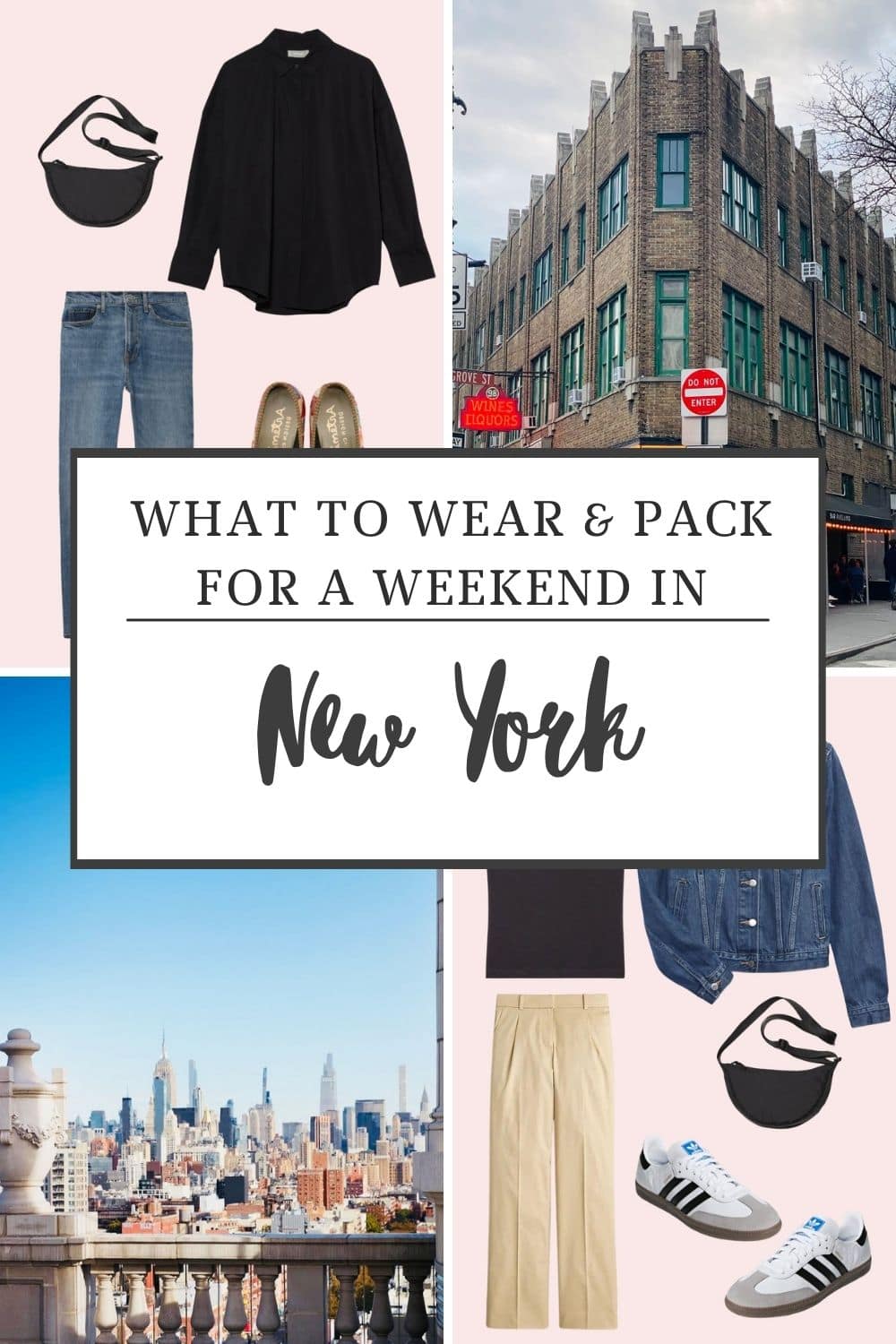
Weekends and casual exploration in neighborhoods like Greenwich Village or Brooklyn call for a more relaxed, yet still intentional, approach. Here, your brand can lean into comfort and individual style, perhaps showcasing a more artistic or understated aspect of your persona. High-quality denim, stylish sneakers (that are clean and well-maintained), chic knitwear, and thoughtful accessories can project an approachable yet discerning brand. The distinction is in being polished without being overly formal, ensuring your casual brand still reflects intentionality and good taste.
Accessorizing Your Narrative: Subtle Statements for Impact
Accessories are the punctuation marks of your personal brand. In New York, where details are scrutinized, these elements can profoundly enhance your overall visual narrative, communicating sophistication, personality, and strategic foresight.
The Strategic Value of Footwear
In a walking city like New York, footwear is not merely a practical necessity; it’s a critical component of your personal brand. Worn-out, scuffed shoes can undermine an otherwise impeccable outfit, signaling a lack of attention to detail or self-care. Conversely, well-maintained, stylish footwear—be it polished leather shoes for business, elegant heels for evening, or designer sneakers for urban exploration—elevates your entire presentation. They communicate a commitment to quality and an understanding of functional aesthetics. Your choice of shoe also subtly hints at your priorities: comfort and practicality can be branded as smart and pragmatic, while high fashion choices might underscore an avant-garde or trend-setting brand.

Beyond the Basics: Bags, Watches, and Eyewear
These items are not simply functional; they are powerful branding tools. A structured, high-quality handbag or briefcase projects professionalism and organizational prowess. A classic watch communicates timelessness and precision. Designer eyewear can frame your face and convey intellectualism or a keen sense of style. Each accessory should be chosen with intention, aligning with your overall brand message and contributing to a cohesive visual story. Avoid overloading; a few carefully selected, high-quality accessories often make a stronger statement than a multitude of items. They serve as subtle affirmations of your brand’s values and aesthetic preferences, enhancing impact without overpowering your core identity. In the competitive visual landscape of New York, these details are often where personal brands truly differentiate themselves.
aViewFromTheCave is a participant in the Amazon Services LLC Associates Program, an affiliate advertising program designed to provide a means for sites to earn advertising fees by advertising and linking to Amazon.com. Amazon, the Amazon logo, AmazonSupply, and the AmazonSupply logo are trademarks of Amazon.com, Inc. or its affiliates. As an Amazon Associate we earn affiliate commissions from qualifying purchases.