
Embarking on an iFLY indoor skydiving adventure is an exhilarating fusion of human aspiration and cutting-edge aerodynamics. The experience, enabled by powerful vertical wind tunnels, simulates the sensation of freefall, offering both novices and seasoned skydivers a unique opportunity to defy gravity. To fully leverage this technological marvel and ensure a safe, comfortable, and performance-driven session, thoughtful consideration of your attire is paramount. This isn’t merely about fashion; it’s about optimizing your interaction with a sophisticated technical environment. Understanding how your clothing choices interface with the wind tunnel’s physics and safety protocols is key to unlocking the full potential of your flight.
The Core Principles of Tech-Optimized Attire for the Wind Tunnel
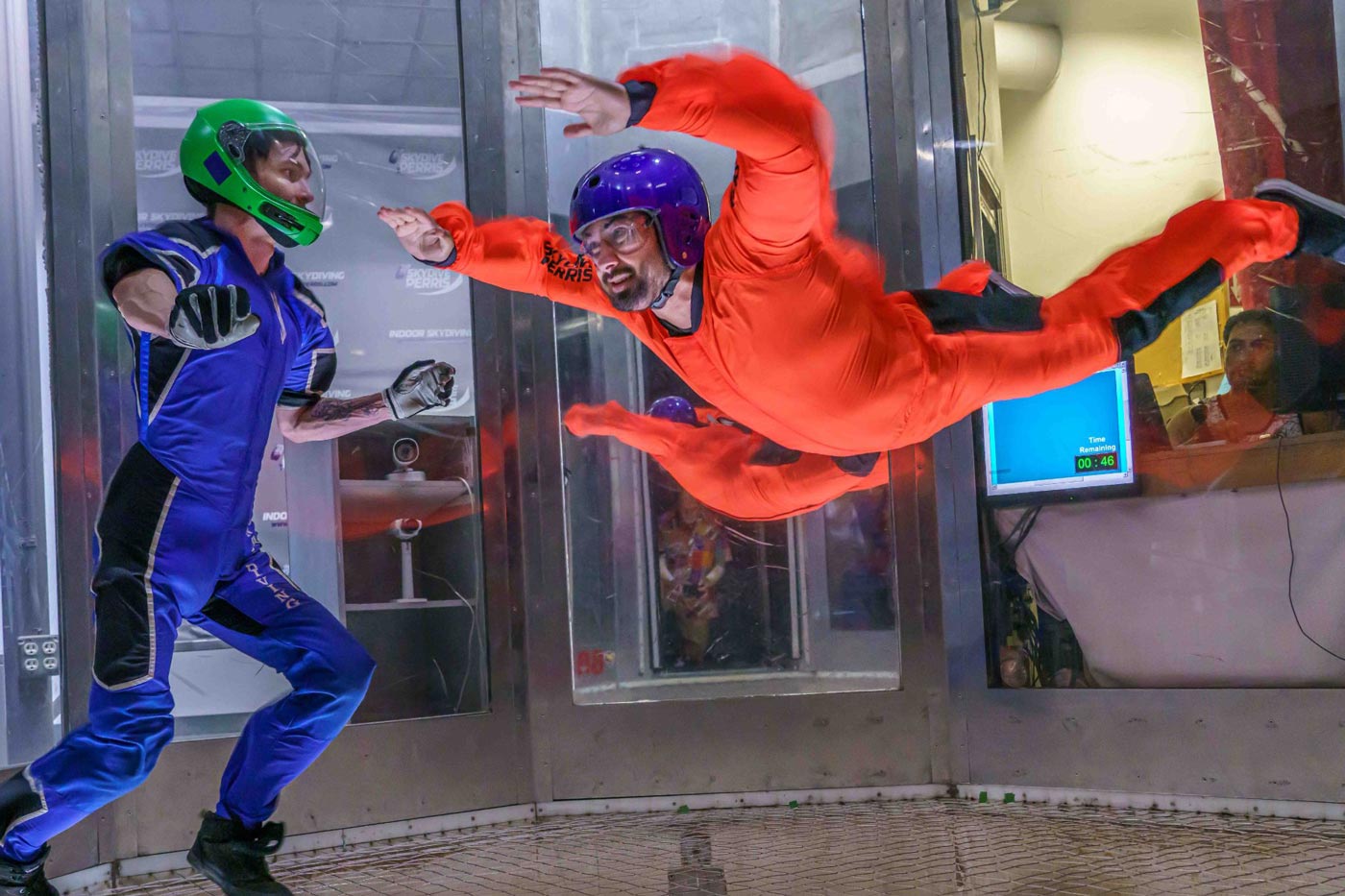
The primary goal when selecting your iFLY wardrobe is to facilitate a seamless interaction with the high-speed air currents generated by the wind tunnel technology. Every item you wear should contribute to your safety, comfort, and the efficiency of your flight.
Streamlined Form for Aerodynamic Efficiency
The essence of indoor skydiving lies in manipulating airflow for controlled movement. Loose clothing, much like an unfastened tarp in a strong wind, creates drag and unpredictable aerodynamic surfaces. This can hinder your ability to learn basic maneuvers, make stable flight more challenging, and even pose a safety risk by potentially snagging on parts of the tunnel or obscuring vision. Therefore, close-fitting attire is not just a recommendation but a foundational principle. Imagine an aerospace engineer designing a new aircraft; every curve and surface is meticulously planned for minimal drag. Your clothing should reflect a similar philosophy, presenting a smooth, consistent profile to the powerful air stream. This allows instructors to more accurately gauge your body position and provide effective coaching, leading to faster skill acquisition and a more rewarding technological interaction.
Safety-First Material Selection
While the iFLY flight suit (provided by the facility) offers a robust outer layer, the clothing worn underneath must also adhere to safety standards. Materials should be durable enough to withstand the forces of the wind tunnel without tearing or creating excessive loose fibers. More importantly, they should not present entanglement hazards. For instance, excessively long scarves, dangling jewelry, or clothing with many loose ties are strictly prohibited as they can become entangled in the wind flow, obscure vision, or even interfere with the wind tunnel’s operational components. The material should also be relatively smooth to prevent excessive friction or discomfort when compressed against your body by the wind. Think of technical athletic wear designed for high-performance activities; these often feature flat seams and durable, yet flexible, synthetic blends.
Unrestricted Movement for Skill Development
Indoor skydiving requires a full range of motion, particularly in your arms, legs, and torso, as these are your primary control surfaces in the wind. Restrictive clothing can impede your ability to adopt the correct body position, making it difficult to achieve stability and execute maneuvers. Overly stiff fabrics or garments that bunch up can be distracting and uncomfortable, detracting from the immersive experience. The goal is to feel unencumbered, allowing your body to naturally respond to the airflow and your instructor’s guidance. The provided flight suit is designed with this in mind, but what you wear underneath plays a crucial supporting role. Opt for flexible, stretchy materials that allow for bending, extending, and rotating without resistance.
Essential Garments: From Base Layers to Flight Suits
Considering the principles above, let’s break down the specific components of your iFLY wardrobe, focusing on how each piece contributes to a superior technical experience.
The Foundation: Comfortable, Close-Fitting Clothing
Your base layer, the clothing worn directly against your skin and under the flight suit, is critical for comfort and aerodynamic efficiency.
- T-shirts/Long-Sleeved Shirts: Choose a well-fitting t-shirt or long-sleeved shirt. Performance fabrics like athletic wear or thin cotton blends are ideal. Avoid baggy shirts that can bunch up uncomfortably under the flight suit or create unnecessary drag points. Long sleeves can offer a thin layer of protection against the slight abrasions that might occur from contact with the flight suit or tunnel walls, similar to how wetsuits protect divers.
- Pants/Shorts: Long pants, such as athletic leggings, yoga pants, or slim-fit jeans (without excessive embellishments or rips), are highly recommended. They provide an additional layer of protection and ensure that no skin is exposed to the wind tunnel’s currents or potential friction. Avoid shorts, skirts, or dresses as they offer minimal protection and can be uncomfortable or impractical in the tunnel. The key is snugness without tightness, allowing flexibility.
The iFLY Flight Suit: A Piece of Engineered Gear
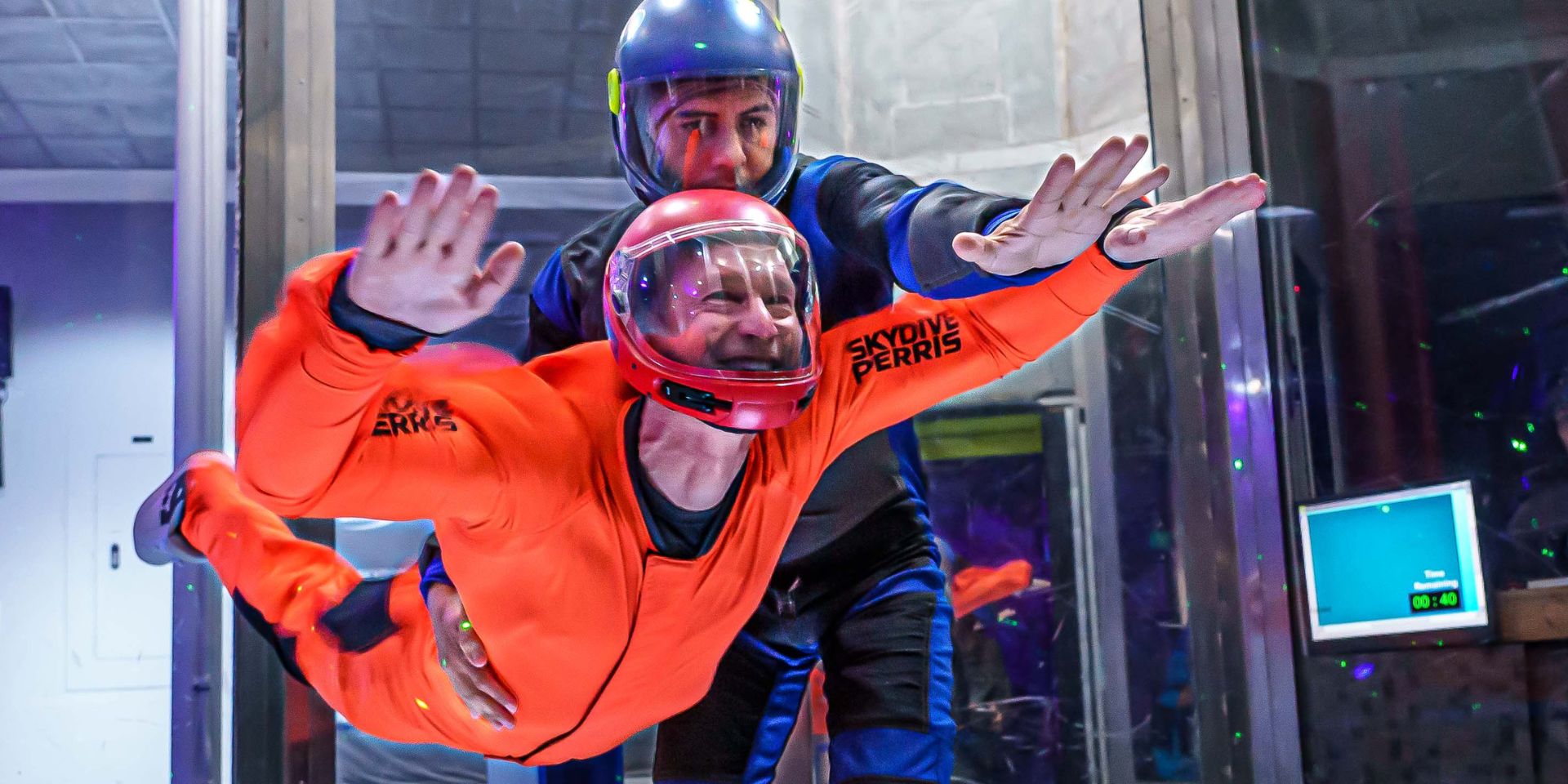
The flight suit provided by iFLY is more than just a uniform; it’s a critical piece of engineered equipment designed to optimize your experience. These suits are typically made from durable, synthetic fabrics, often with reinforced stitching, to withstand the rigors of repeated use in high-speed airflow. Their design is inherently aerodynamic, minimizing drag and providing a consistent surface for the wind to interact with.
- Fit and Function: The flight suit will be fitted to you by an iFLY staff member. It’s designed to be snug but not restrictive, ensuring that there are no loose flaps of fabric to catch the wind. This suit enhances your ability to “fly” by making your body a more efficient airfoil. Think of it as specialized gear, akin to a cycling jersey or a race car driver’s suit, where every design element serves a functional purpose related to performance and safety within a specific technical environment.
Considerations for Outerwear and Layers
While a flight suit is provided, consider the ambient temperature outside the tunnel and inside the facility. If you anticipate waiting in a cooler area, a lightweight jacket or hoodie worn over your base layer (and removed before donning the flight suit) can be useful for comfort. However, no personal outerwear should be worn within the wind tunnel itself, as it would compromise the aerodynamic efficiency and safety provided by the purpose-built flight suit.
Footwear and Accessories: Stability, Security, and Smart Integration
Beyond the core clothing, your choice of footwear and how you manage accessories significantly impacts your safety and ability to engage with the technical aspects of the flight.
The Right Shoes for Grounding Your Flight
Footwear is crucial for stability and safety.
- Lace-Up Athletic Shoes: The ideal choice is well-fitting, lace-up athletic shoes (sneakers or trainers). They offer good ankle support, a secure fit, and a non-slip sole, which is important for walking to and from the flight chamber and maintaining stability inside the tunnel. The laces must be securely tied to prevent them from coming undone and posing a hazard.
- Avoid: Open-toed shoes (sandals, flip-flops), heels, boots with hooks, or any shoes that are loose-fitting or could easily come off are strictly prohibited. These not only pose a risk of flying off in the wind tunnel but can also cause injury.
Securing Valuables and Minimizing Hazards
The wind tunnel environment is not forgiving to loose items.
- Jewelry: All loose jewelry (necklaces, earrings, bracelets, rings) should be removed prior to flying. These items can become projectiles in the high-speed wind, causing injury or damage. They can also snag on the flight suit or tunnel components.
- Glasses and Contact Lenses: If you wear glasses, iFLY will provide goggles designed to fit comfortably over them. If you wear contact lenses, it’s generally safe, but eye drops might be helpful if you experience dryness.
- Pockets and Belongings: Ensure all pockets are completely empty. Wallets, phones, keys, and any other personal items must be stored in provided lockers or left with a non-flying companion. The wind will effortlessly strip loose items from your person.
Wearable Tech: Enhancing or Impeding the Experience?
The integration of personal technology into experiences is growing, but in the iFLY wind tunnel, caution is key.
- Smartwatches/Fitness Trackers: While tempting to track heart rate or activity, most smartwatches or fitness trackers are not permitted in the wind tunnel unless they can be completely secured under the flight suit and pose absolutely no risk of coming loose. The high velocity air could easily dislodge them, damaging the device and potentially creating a safety hazard. Always check with iFLY staff if you wish to wear such a device.
- Action Cameras: iFLY facilities often have integrated camera systems to capture your flight. Some locations may offer options for mounting a personal GoPro or similar action camera, typically to a helmet, but this is usually restricted to experienced flyers and requires specific, approved mounts. For first-time flyers, relying on the facility’s professional photography and video services is the safest and most reliable way to document your experience without compromising safety or performance. Attempting to bring an unapproved camera into the tunnel is a significant safety risk. The rule of thumb: if it’s not specifically designed and approved for this high-wind environment, leave it out.
Post-Flight Comfort and Data Capture
Your experience doesn’t end when you exit the wind tunnel. Consideration for the post-flight period, particularly regarding comfort and reviewing your performance, can enhance the overall value of your tech-driven adventure.
Transitioning from the Tech Environment
After your flight, you’ll remove the flight suit and goggles. Having a comfortable, clean change of clothes can be beneficial, especially if you’ve exerted yourself. While the wind tunnel itself is clean, you might appreciate a fresh feeling. Consider bringing a small towel if you tend to perspire during physical activities.
Reviewing Your Performance: A Digital Debrief
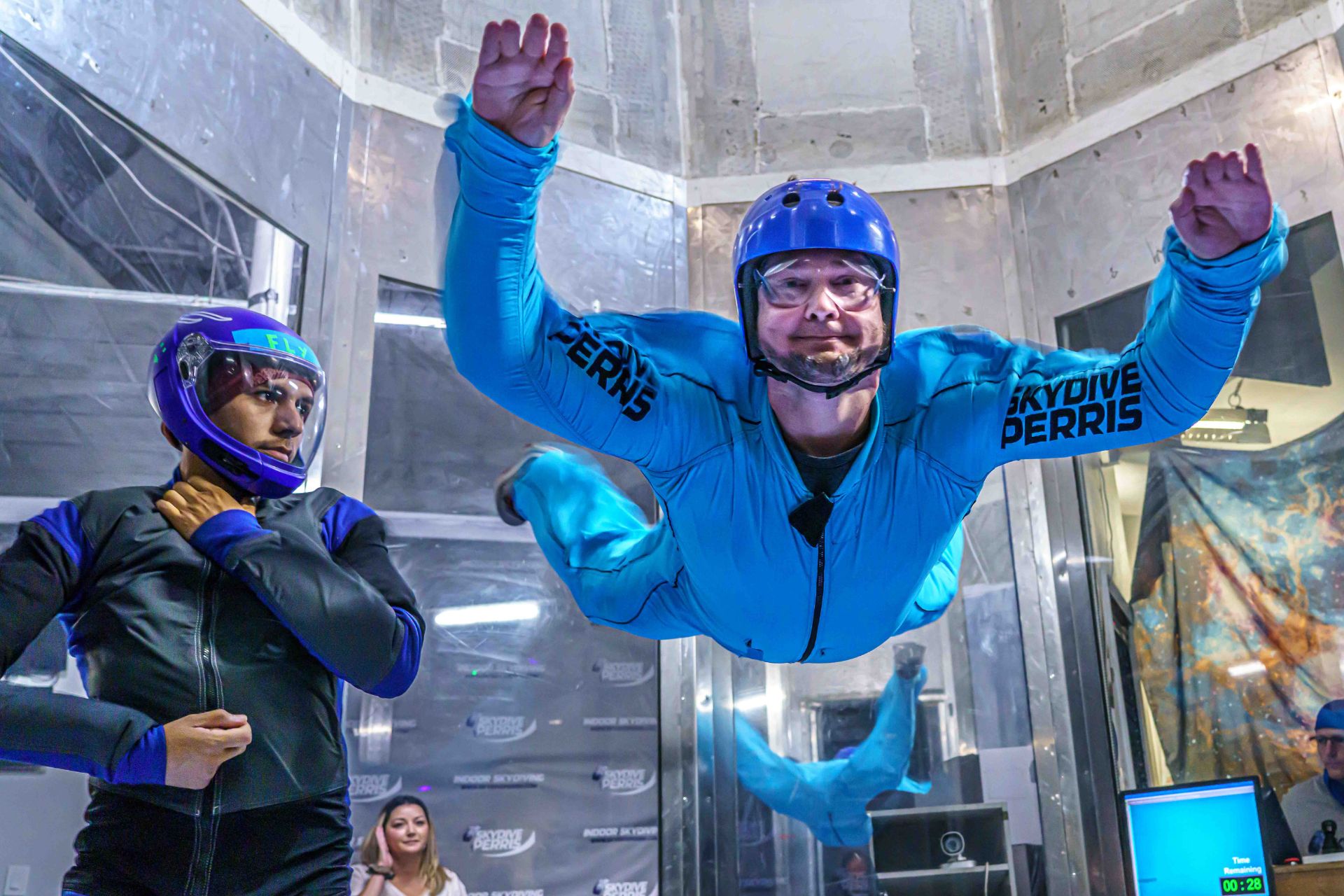
Most iFLY locations offer photo and video packages of your flight. This “data capture” allows you to relive your experience, analyze your body position, and track your progress. Viewing these recordings can serve as a valuable “digital debrief,” similar to reviewing telemetry data from a tech device. It provides objective insights into your performance, helping you understand how your body interacted with the wind flow and identifying areas for improvement for future flights. This post-experience analysis is an integral part of optimizing your learning curve and getting the most out of iFLY’s sophisticated technology.
aViewFromTheCave is a participant in the Amazon Services LLC Associates Program, an affiliate advertising program designed to provide a means for sites to earn advertising fees by advertising and linking to Amazon.com. Amazon, the Amazon logo, AmazonSupply, and the AmazonSupply logo are trademarks of Amazon.com, Inc. or its affiliates. As an Amazon Associate we earn affiliate commissions from qualifying purchases.