
In the competitive landscape of career advancement, every element of your presentation contributes to the narrative of your personal brand. Far from a superficial concern, what you choose to wear to an interview is a potent, non-verbal communication tool, strategically deployed to shape perceptions, convey professionalism, and signal alignment with a prospective employer’s values and culture. This is not merely about fashion; it’s about the strategic projection of your brand identity from the moment you walk through the door.
The Strategic Impact of Interview Attire on Your Personal Brand
Your clothing is the first chapter of your story, read by interviewers long before you utter a single word. It acts as a visual résumé, communicating your attention to detail, respect for the opportunity, and understanding of professional norms. In the realm of personal branding, first impressions are not just important; they are foundational. They establish a baseline for how you will be perceived, influencing the interviewer’s subconscious biases and setting the stage for the rest of your conversation.

A well-chosen outfit projects confidence, competence, and a commitment to excellence – core tenets of any strong personal brand. Conversely, ill-fitting, wrinkled, or inappropriate attire can subtly undermine your credibility, suggesting a lack of seriousness or attention to detail that could be mistakenly associated with your work ethic. Your interview attire is a deliberate choice to align your personal brand with the company’s brand identity. It demonstrates that you have done your research, understood the company’s culture, and made an effort to fit seamlessly into their environment. This alignment fosters a sense of belonging and compatibility, crucial for a successful interview outcome.
Decoding Dress Codes: Aligning Your Brand with Industry Expectations
Understanding the nuances of industry dress codes is paramount to crafting an interview look that reinforces your personal brand without appearing out of place. Different sectors project different brand images, and your attire must resonate with these established expectations.
The Traditional Corporate Brand: Suit and Tie Sophistication
For industries steeped in tradition such as banking, law, finance, and consulting, the expectation is a highly polished, conservative brand image. Here, the classic suit and tie is not just recommended; it’s a non-negotiable uniform that projects authority, reliability, and meticulous professionalism.
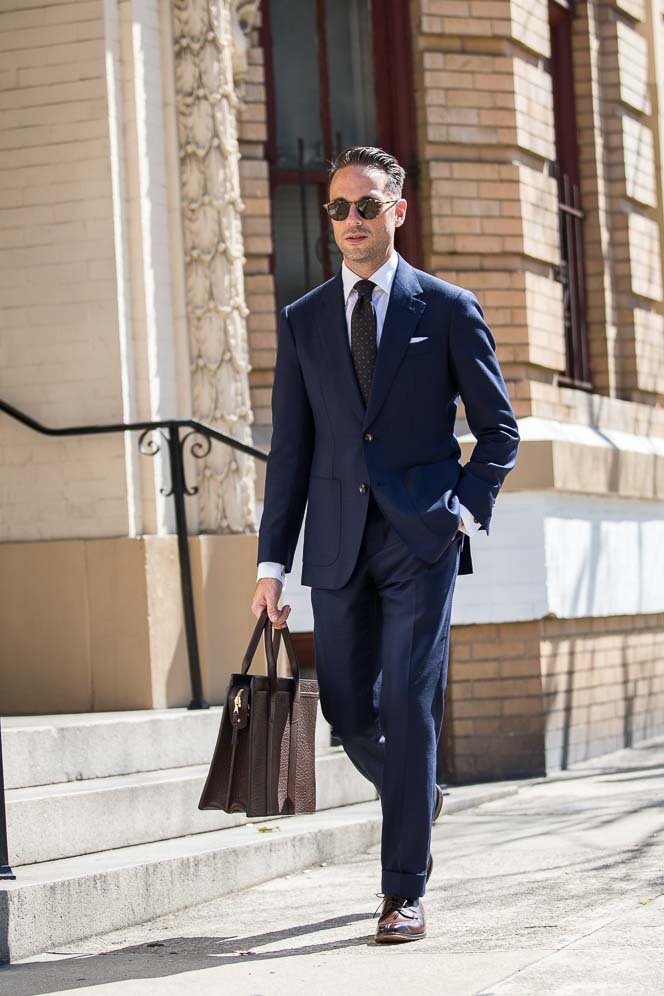
- The Suit: Opt for a well-tailored two-piece suit in conservative colors like navy blue, charcoal gray, or black. The fit is paramount; a suit that drapes perfectly communicates precision and care. Ensure the sleeves show about a quarter to half-inch of your shirt cuff, and the trousers break cleanly over your shoes.
- The Shirt: A crisp, long-sleeved dress shirt in white or light blue is the standard. These colors convey trustworthiness and clarity, foundational elements of a solid professional brand.
- The Tie: Choose a silk tie with a subtle pattern or a solid color that complements your suit and shirt without being distracting. The knot should be neat and firm, sitting snugly against your collar.
- Shoes: Highly polished leather dress shoes (oxfords or derbies) in black or dark brown are essential.
- Accessories: A matching leather belt, conservative socks, and minimal, classic accessories like a watch communicate a refined attention to detail, reinforcing a sophisticated personal brand.
The Smart Casual Brand: Balancing Professionalism with Approachability
Many modern sectors, particularly in tech, marketing, creative agencies, and some progressive corporate environments, have adopted a smart casual approach. This look projects a brand that is professional yet innovative, approachable yet authoritative. The challenge here is to strike a balance, avoiding both overly formal stiffness and overly relaxed informality.
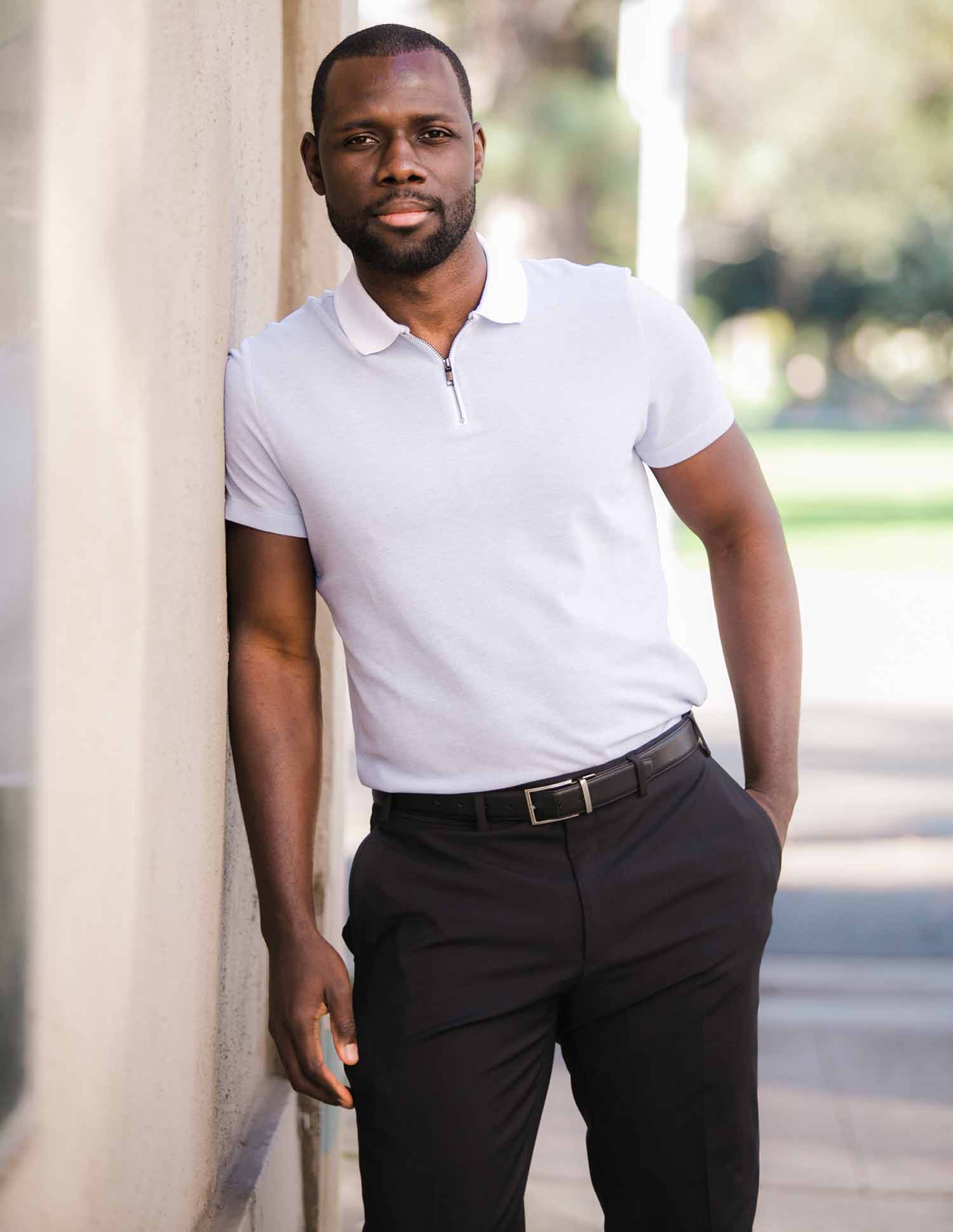
- The Foundation: A sport coat or blazer is often the cornerstone, adding structure and formality. Pair it with well-fitted dress trousers or dark, clean chinos. Avoid jeans unless explicitly advised that the environment is extremely casual.
- The Shirt: A collared shirt is generally preferred. This could be a dress shirt (without a tie, with the top button undone), a polo shirt of good quality, or a fine-gauge knit sweater over a collared shirt. Colors can be slightly more varied but should remain professional and subdued.
- Shoes: Clean, polished leather loafers, smart dress boots, or refined lace-up shoes are appropriate. Avoid sneakers unless the company culture is famously casual and you’ve confirmed this is acceptable.
- Details: Ensure everything is wrinkle-free and well-maintained. This look requires an intentional curated feel, reflecting a brand that is adaptable and modern, but still detail-oriented.
The Casual Business Brand: Projecting Authenticity and Fit
In some startup ecosystems, highly creative roles, or certain non-profit organizations, the dress code can lean towards business casual or even “intentional casual.” This is where authenticity becomes a key brand attribute. The goal is to show you understand the informal culture while still demonstrating respect for the interview process.
- Quality over Formality: Focus on high-quality, well-maintained casual pieces. Think premium jeans (dark wash, no rips), well-fitting chinos, or tailored shorts (if the company culture truly supports it and the weather dictates).
- Upper Garments: A clean, pressed button-down shirt (flannel, oxford, or chambray), a high-quality polo, or a fine-gauge sweater. T-shirts are risky unless they are part of a layered look under a blazer and are of superior quality.
- Footwear: Clean, stylish sneakers (like minimalist leather sneakers) or casual loafers.
- The “Why”: This approach demands careful research. If a company values unconventional thinking and a highly relaxed environment, an overly formal suit might project a brand that is too rigid. However, the cardinal rule remains: always err on the side of slightly more formal than less. When in doubt, smart casual is a safer bet than purely casual.
Building Your Interview Wardrobe: Key Brand Assets
Your interview wardrobe isn’t just a collection of clothes; it’s an investment in your personal brand. Each item should be seen as an asset contributing to your overall professional image.
The Foundation: Core Garments and Their Brand Message
- The Well-Fitted Suit (Navy or Charcoal): This is the cornerstone of a powerful professional brand. Navy communicates trustworthiness, confidence, and approachability. Charcoal gray projects sophistication, authority, and reliability. Ensure it’s tailored to perfection; a tailored suit conveys meticulousness and a respect for quality.
- Crisp Dress Shirts (White, Light Blue): These colors are universally accepted as professional and clean. They project an image of clarity, precision, and an organized mind – all vital brand attributes. Have at least two on hand, impeccably ironed.
- Quality Trousers/Chinos: Beyond suits, having well-fitting dress trousers (wool or a blend) and dark, clean chinos provides versatility for smart casual interviews. They communicate professionalism without the full formality of a suit.
The Details: Accessories as Brand Differentiators
Accessories are not mere afterthoughts; they are subtle brand differentiators that can elevate your look and communicate a sophisticated understanding of presentation.
- Ties: A carefully chosen tie can add a touch of personality while maintaining professionalism. Consider the psychology of color: blues for trust, reds for power, greens for growth. Ensure the tie knot is neat, and the length is appropriate (ending near your belt buckle).
- Shoes: Your shoes speak volumes. Polished, well-maintained leather shoes (oxfords, derbies, loafers) are a non-negotiable. Scuffed or dirty shoes undermine the entire brand image you’re trying to build, suggesting a lack of attention to detail.
- Belts, Watches, Cufflinks: A belt that matches your shoes in color and material creates a cohesive look. A classic watch (not a smartwatch for highly formal interviews) conveys timeless professionalism. Cufflinks, for a French cuff shirt, add a touch of refined elegance. These small details collectively reinforce a brand that is polished and thoughtful.
Grooming: The Non-Negotiable Element of Your Visual Brand
No matter how impeccable your attire, poor grooming can severely detract from your personal brand. Grooming is the ultimate unspoken indicator of self-respect and attention to detail.
- Hair: Neatly trimmed and styled. Avoid anything overly casual or distracting.
- Facial Hair: If you have a beard or mustache, ensure it is impeccably trimmed and groomed. If clean-shaven, ensure a close, nick-free shave.
- Nails: Clean and neatly trimmed. This is a small detail often overlooked but noticed, signaling a general level of personal care.
- Cologne: If you choose to wear cologne, apply it sparingly. It should be a subtle hint, not an overpowering presence. The goal is to leave a positive impression, not an olfactory assault.
Brand Consistency and Authenticity: Dressing for Success from Within
Ultimately, your interview attire is an extension of your overall personal brand. True success in an interview comes from the consistency between your visual presentation, your verbal communication, and your authentic self.
Beyond the Fabric: Confidence as Your Ultimate Brand Accessory
The most impactful element you can wear is confidence. When you feel good in your clothes—knowing they fit well and are appropriate—it translates into your posture, eye contact, and overall presence. Practice your interview responses, stand tall, and project an air of calm assurance. This inner confidence is the most magnetic brand attribute you can possess.
Researching the Company’s Brand Culture
Before settling on an outfit, conduct thorough research. Explore the company’s website, social media, and even platforms like Glassdoor or LinkedIn to get a sense of their visual culture and employee profiles. Do employees typically wear suits, blazers, or more relaxed attire? This intelligence allows you to tailor your brand message specifically to the company’s existing identity, demonstrating that you are a thoughtful, adaptable candidate.
Tailoring Your Brand Message for Specific Roles
Consider the specific role for which you are interviewing. A senior leadership position might demand a more authoritative and polished brand image (e.g., a dark suit), while an entry-level role might allow for a slightly more approachable smart casual look. Similarly, a sales role might benefit from a brand image that is both professional and charismatic, while a research and development role might emphasize meticulousness and intellectual rigor. Adjusting your level of formality and the specific style elements ensures your attire supports the core competencies and expectations of the position, reinforcing your suitability for the role and aligning your personal brand with the employer’s needs.
aViewFromTheCave is a participant in the Amazon Services LLC Associates Program, an affiliate advertising program designed to provide a means for sites to earn advertising fees by advertising and linking to Amazon.com. Amazon, the Amazon logo, AmazonSupply, and the AmazonSupply logo are trademarks of Amazon.com, Inc. or its affiliates. As an Amazon Associate we earn affiliate commissions from qualifying purchases.