
Attending an art exhibition is more than just a cultural outing; it’s an opportunity for strategic engagement, networking, and the subtle yet powerful projection of your personal brand. In today’s interconnected professional landscape, every interaction contributes to your public identity, and how you present yourself visually at such events is a critical component of that narrative. This isn’t merely about fashion; it’s about leveraging design principles and brand strategy to communicate professionalism, aesthetic sensibility, and a nuanced understanding of cultural etiquette.
The Art of Personal Branding at Cultural Events
Your attire at an art exhibition is a non-verbal press release about who you are. It’s a key element of your personal brand strategy, designed to convey specific messages before you even utter a word. Unlike a boardroom, an art exhibition offers a more relaxed yet equally discerning environment where your visual brand can either align with or detract from your professional aspirations.
Decoding the Exhibition Environment
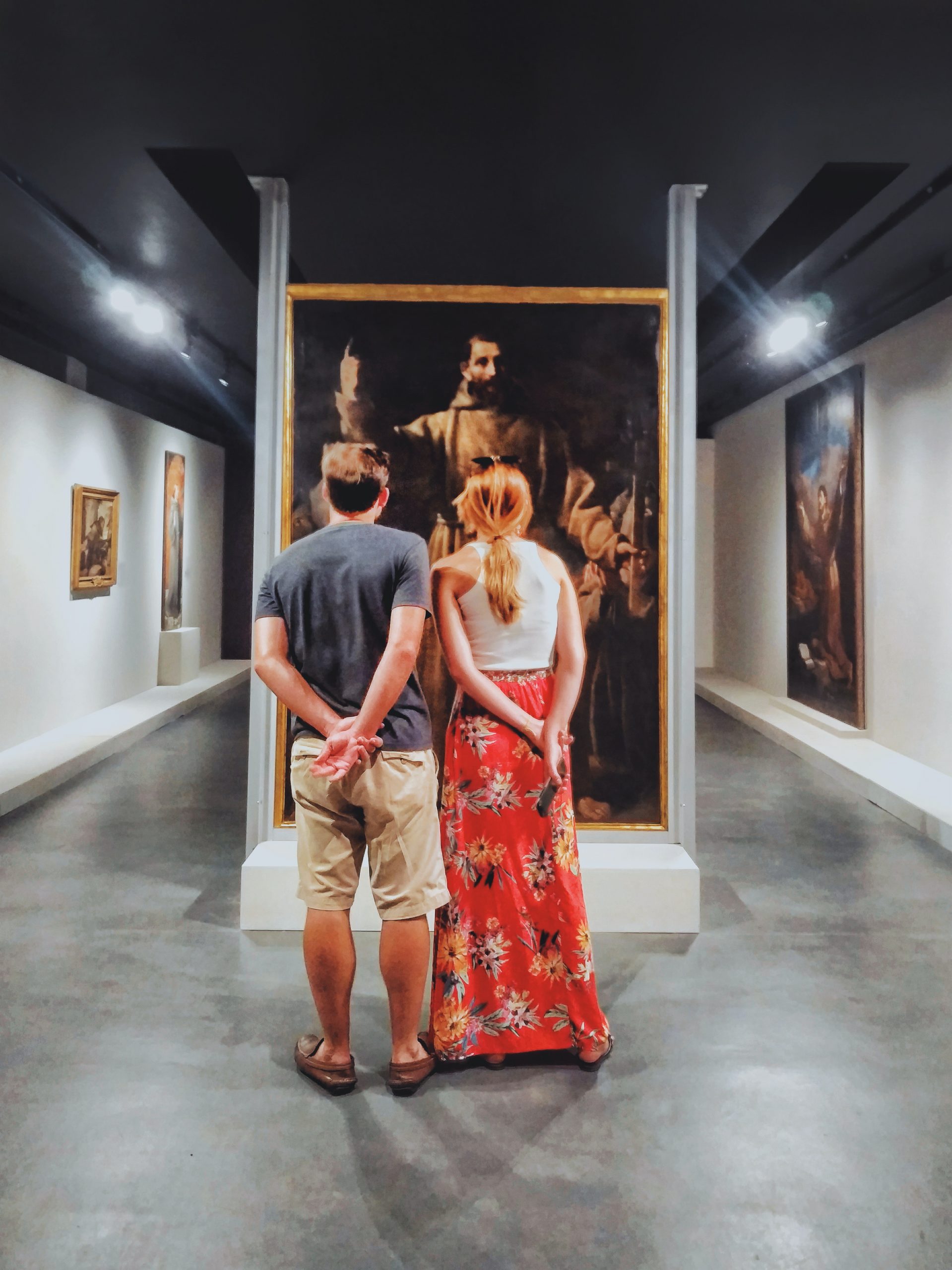
Before selecting an outfit, a critical step in personal branding is understanding the context. Art exhibitions vary widely in their formality and audience. A gala opening at a major museum demands a different brand presentation than a casual viewing at a local independent gallery or a thematic show focusing on street art. Researching the venue, the specific exhibition, and the expected demographic will inform your strategic choices. Is it a high-profile launch with collectors and critics, or a more intimate gathering of emerging artists and enthusiasts? Each scenario dictates a subtly different approach to projecting your desired image. Your goal is to align your brand identity with the event’s atmosphere, ensuring you appear appropriate and integrated, rather than out of place. This demonstrates foresight and an understanding of social dynamics—qualities that reflect positively on your overall professional brand.
Communicating Professionalism and Respect
Regardless of the exhibition’s specific context, a foundational principle of personal branding at such events is to convey respect—for the art, the artists, the curators, and fellow attendees. This translates into an appearance that is polished, thoughtful, and demonstrates an effort. It’s not about ostentation, but about conveying a serious approach to cultural engagement and a meticulous attention to detail. For professionals, this reinforces a brand identity built on competence and reliability. An unkempt or overly casual appearance can inadvertently signal a lack of seriousness or attention, potentially undermining the credibility you’ve meticulously built in other arenas. Your attire should be clean, well-fitted, and in good repair, silently communicating a brand that values quality and precision.
Crafting Your Brand Identity Through Attire
Designing your exhibition attire involves more than just picking clothes; it’s about curating a visual statement that reinforces your personal brand values. Each garment, color, and accessory plays a role in telling your story.
Authenticity as a Cornerstone
While strategic, your personal brand should always remain authentic. Attempting to project an image that feels inauthentic will likely fall flat and can even be detrimental. Your exhibition attire should feel like an elevated version of your everyday self, reflecting your core style preferences and personality. If your brand is synonymous with innovation and creativity, incorporate unique textures or modern silhouettes. If your brand leans towards classic authority and gravitas, timeless pieces in subdued tones might be more appropriate. Authenticity builds trust and consistency in your personal brand, ensuring that your visual presentation aligns with your professional ethos and character. This consistency is crucial for long-term brand recognition and reliability.
Strategic Color Psychology and Texture Choices
Colors are powerful communicators in brand strategy. For an art exhibition, consider colors that convey sophistication and intellectual curiosity without competing with the artworks themselves.
- Neutrals like charcoal grey, navy, black, and beige are classic choices that project professionalism and allow the art to take center stage. They also offer a canvas upon which subtle personal branding elements can be added.
- Deep jewel tones (emerald, sapphire, burgundy) can add a touch of artistic flair and individuality, signalling creativity and depth without being overly flamboyant. These choices often communicate a sophisticated and discerning brand.
- Avoid overly bright or neon colors unless they are a deliberate and authentic part of your established brand persona, as they can be distracting in a gallery setting and potentially undermine a professional image.
Texture also plays a vital role. Fabrics like wool, silk, linen, and well-structured cotton communicate quality and refinement. A textured blazer or a dress with subtle detailing can add visual interest and depth to your brand presentation, showcasing an appreciation for design and craftsmanship. Conversely, overly casual or synthetic textures might detract from a professional brand image.
The Power of Accessories in Storytelling
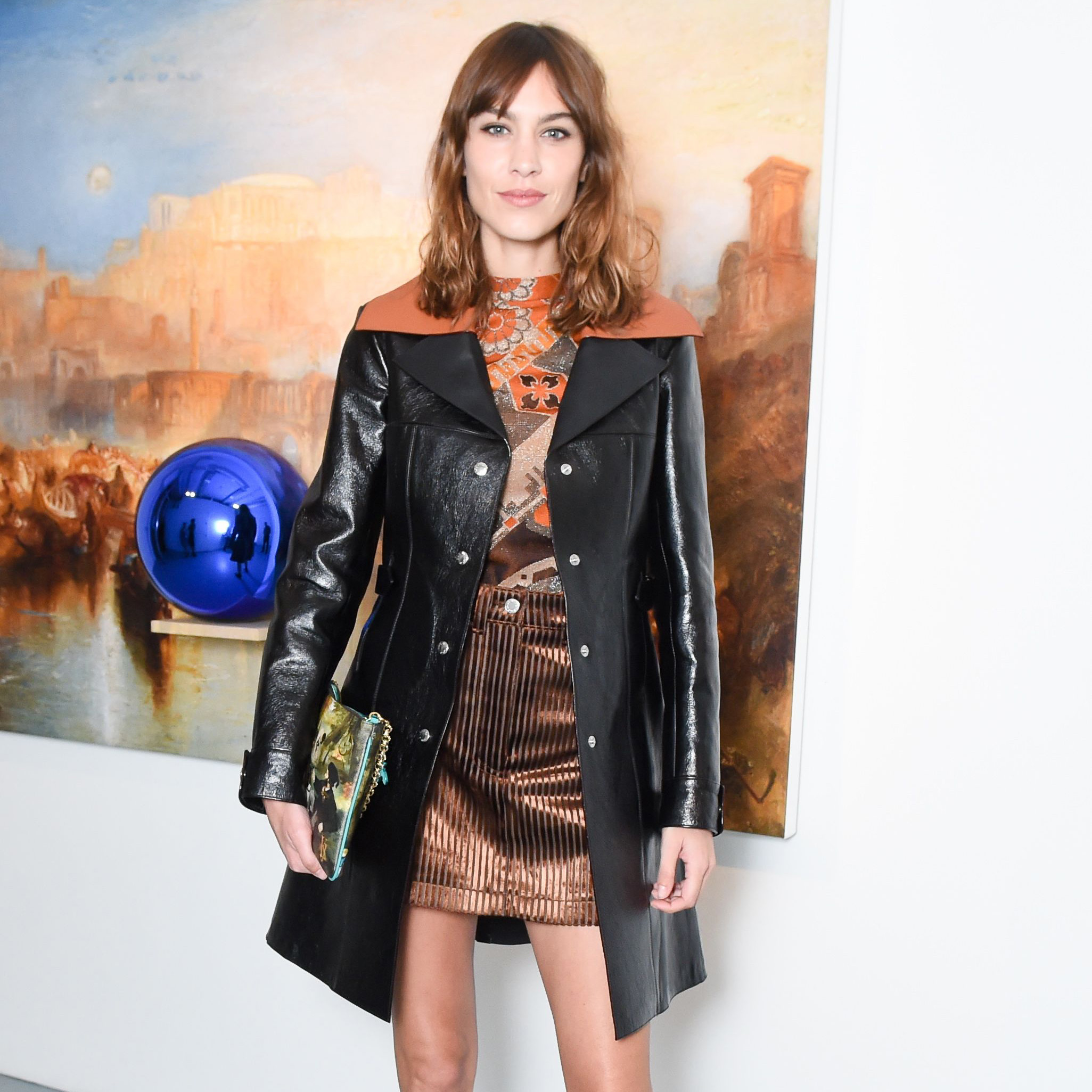
Accessories are not mere afterthoughts; they are critical tools for refining your brand message and injecting personality.
- Eyewear: Distinctive glasses can communicate intellect and a keen eye for detail.
- Scarves or Pocket Squares: These can introduce a pop of color or a unique pattern, serving as a subtle branding element that reflects your personal flair or artistic inclination. A carefully chosen pocket square, for example, can be a conversation starter about aesthetics or design.
- Jewellery: Minimalist and elegant pieces often work best, reinforcing a refined and understated brand. A unique, artisanal piece can subtly signal creativity and an appreciation for craftsmanship, aligning with the artistic context.
- Bags: Opt for a structured and functional bag that is large enough for essentials but not cumbersome. A sleek leather tote or a sophisticated clutch can elevate your overall brand presentation, reflecting practicality combined with style.
- Footwear: Comfort is paramount, as you’ll likely be on your feet for extended periods. However, comfort should not come at the expense of style. Polished leather shoes, elegant flats, or stylish boots can complete a professional and sophisticated look, ensuring your brand image remains impeccable from head to toe.
Each accessory choice contributes to the overall narrative of your personal brand, offering nuanced insights into your values and aesthetic preferences.
Adapting Your Brand Message to Diverse Exhibition Settings
Effective personal branding is adaptable. The same core brand identity should be able to flex and adjust to different environments while maintaining its essence. An art exhibition is a broad term, encompassing a spectrum of events, each requiring a tailored approach to your visual communication.
Gala Openings vs. Casual Viewings
- Gala Openings and Major Museum Events: These are often high-stakes networking opportunities. Your brand strategy here should lean towards sophisticated elegance. Think cocktail attire, a tailored suit, or an elegant dress. The goal is to project an image of gravitas, success, and cultural acumen. Details matter immensely: impeccable grooming, high-quality fabrics, and tasteful accessories. This is where your personal brand can shine, conveying a sense of belonging among influential circles.
- Casual Gallery Viewings or Artist Studio Tours: These events foster a more relaxed and approachable atmosphere. Your brand communication here can be smart casual. Think well-fitting dark jeans or chinos paired with a blazer, a stylish sweater, or an artistic blouse. The aim is to appear engaged and cultured, yet accessible. Authenticity and comfort are still key, allowing you to move freely and engage genuinely, which reinforces a personable and approachable brand identity.
Thematic Exhibitions and Niche Galleries
Some exhibitions have specific themes (e.g., street art, digital art, historical periods). Aligning your attire subtly with the theme can be a sophisticated branding move, showing an understanding and appreciation without resorting to costume. For a street art exhibition, for instance, a carefully chosen contemporary piece with an edgy silhouette could work, but always within the bounds of respectability. For a classical art exhibit, a timeless, elegant ensemble would be more fitting. Niche galleries, often smaller and more experimental, might welcome a more avant-garde or fashion-forward expression of your personal brand, showcasing creativity and a willingness to embrace new ideas. The key is subtlety and taste; your attire should complement, not overpower, the artistic expressions around you.
Sustaining Your Brand Impression: Beyond the Outfit
While attire is a critical component of your personal brand at an art exhibition, the impression you make extends beyond your visual presentation. Your post-event actions further solidify your brand’s integrity and reach.
Post-Exhibition Networking and Follow-Up
An art exhibition is often a fertile ground for networking. Your carefully curated outfit gets you through the door and makes a strong first impression. However, the lasting impact of your brand depends on your subsequent actions. Engage in insightful conversations, exchange contact information judiciously, and follow up promptly and professionally with new connections. Reference specific artworks or conversations to demonstrate your attentiveness and genuine interest. This reinforces your brand as not just visually appealing, but also intellectually curious, communicative, and reliable. A professional email follow-up that references a shared interest in a particular artist, for example, strengthens the brand image established by your presence at the exhibition.
Integrating Exhibition Insights into Your Professional Narrative
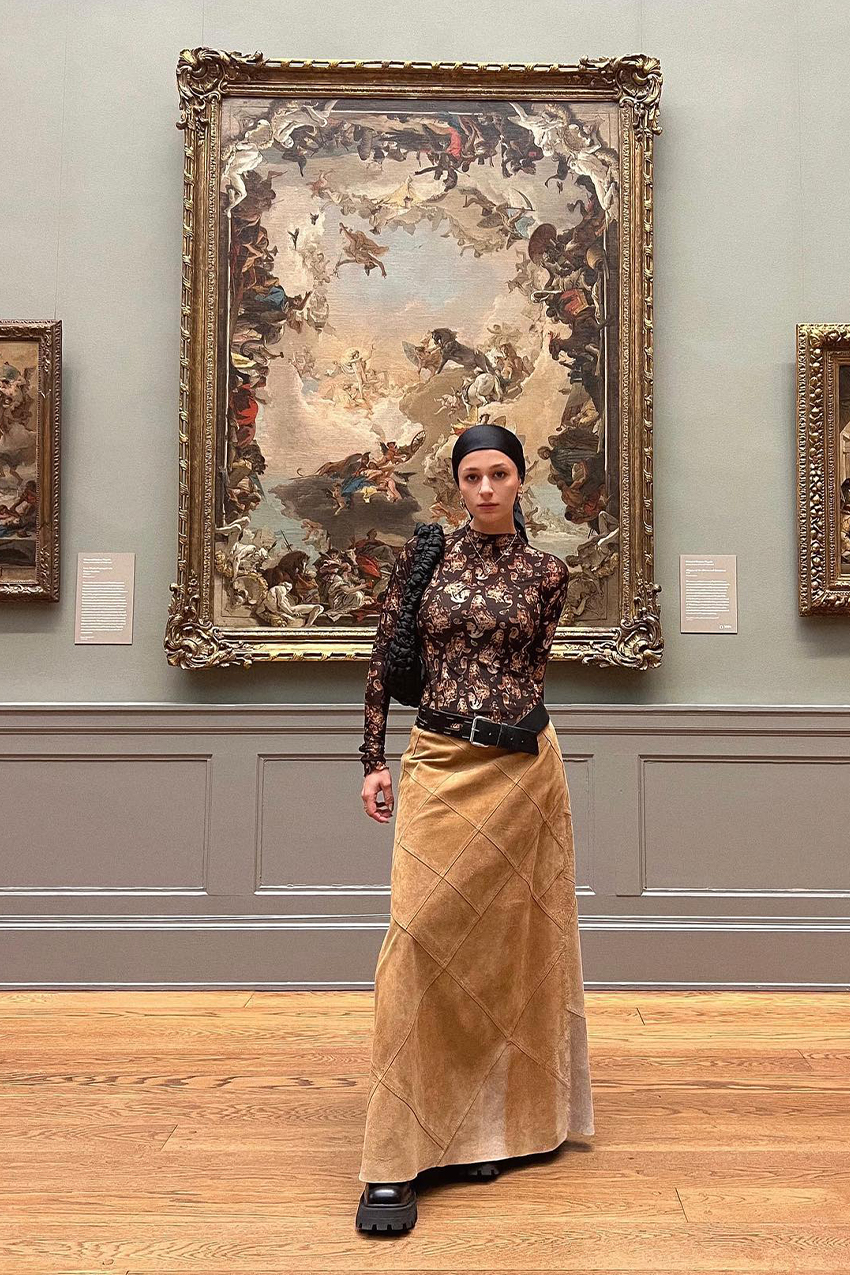
Finally, your experience at an art exhibition can be a valuable asset in your broader professional narrative. Incorporate discussions about art, design, or cultural trends into your professional conversations where relevant. Use insights gained from the exhibition to inform your creative problem-solving, marketing strategies, or team discussions. This demonstrates that your brand is multifaceted, culturally aware, and constantly seeking inspiration from diverse sources. By thoughtfully reflecting on and integrating these experiences, you enrich your personal brand, positioning yourself as a well-rounded and insightful professional whose influence extends beyond the confines of a single domain. Your attire opens the conversation; your substance and continued engagement solidify your brand’s lasting impact.
aViewFromTheCave is a participant in the Amazon Services LLC Associates Program, an affiliate advertising program designed to provide a means for sites to earn advertising fees by advertising and linking to Amazon.com. Amazon, the Amazon logo, AmazonSupply, and the AmazonSupply logo are trademarks of Amazon.com, Inc. or its affiliates. As an Amazon Associate we earn affiliate commissions from qualifying purchases.