
Landing any job interview is an opportunity to market your skills, experience, and potential. However, a warehouse interview presents a unique branding challenge. It’s not just about showcasing your physical capabilities or logistical acumen; it’s fundamentally about articulating your personal brand in an environment where practicality, safety, and efficiency are paramount. Your attire and overall presentation act as a silent but powerful brand statement, communicating your understanding of the role, your respect for the company’s operational identity, and your commitment to professionalism. This isn’t merely a fashion choice; it’s a strategic branding decision that can significantly influence the interviewer’s perception of your suitability for the role.
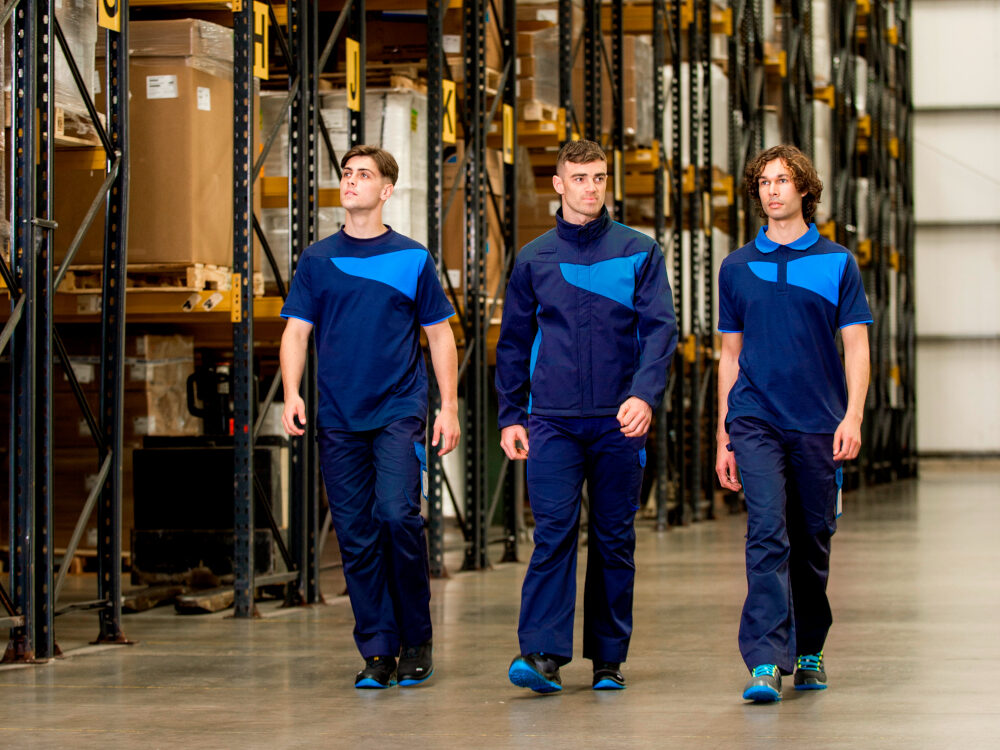
The First Impression: Your Personal Brand’s Silent Statement
Every element of your appearance contributes to your personal brand, especially during an interview. In the context of a warehouse, this brand needs to convey reliability, a safety-conscious mindset, and a willingness to integrate into a hands-on, often physically demanding environment. The clothes you choose are not just fabric; they are a visual proxy for your professionalism and your understanding of the corporate identity you seek to join.
Understanding the Warehouse Environment
Before selecting a single item, conduct thorough research into the specific warehouse and company culture. Is it a highly automated distribution center, a traditional storage facility, or a specialized manufacturing support hub? The nature of the warehouse operations subtly dictates the expected level of formality and practicality. A tech-driven logistics hub might appreciate a slightly more modern, business-casual interpretation, while a heavy industrial site will demand attire that emphasizes durability and safety. Your ability to align your personal brand with these environmental nuances demonstrates your attentiveness and respect for the company’s operational identity. This strategic alignment shows that you’ve done your homework, a crucial aspect of marketing yourself effectively.
The Psychology of Professional Attire
Clothing carries significant psychological weight. In a warehouse setting, dressing too formally (e.g., a full suit) can brand you as out of touch with the practical realities of the job, potentially signaling a lack of understanding or a disinterest in getting hands-on. Conversely, dressing too casually (e.g., t-shirt, ripped jeans) can convey a lack of seriousness, attention to detail, or respect for the professional context of the interview. The goal is to strike a balance that communicates professionalism without sacrificing an understanding of the work environment. Your attire should project confidence, competence, and a readiness to contribute, effectively marketing your professional value proposition to the prospective employer. It’s about creating a brand image that says, “I understand this world, and I am a valuable asset within it.”
Strategic Wardrobe Choices: Balancing Practicality and Professionalism
Crafting your interview outfit for a warehouse role is an exercise in strategic personal branding. You need to present yourself as someone who is both professional enough for an interview and practical enough for the job. This dual message is key to positioning yourself as the ideal candidate.
Safety First: Non-Negotiable Elements
Safety is often the cornerstone of a warehouse’s corporate identity. Your attire must reflect an inherent understanding and respect for this principle.
- Footwear: Steel-toe boots are often standard in many warehouses. If you own them, wearing clean, well-maintained steel-toe boots immediately signals that you are familiar with the demands of the environment and prioritize safety. If you don’t own them, opting for sturdy, closed-toe, slip-resistant shoes (like work boots or robust walking shoes) is the next best choice. Avoid open-toed shoes, flimsy sneakers, or high heels at all costs, as they brand you as unaware or unwilling to conform to safety standards.
- Clothing Material and Fit: Choose durable, comfortable fabrics that allow for movement without being baggy or overly restrictive. Think sturdy cottons or blends. Avoid anything with loose threads, excessive embellishments, or highly flammable materials. Your clothing should fit well – neither too tight nor too loose – projecting a neat and organized personal brand.
- Layering (Optional but Recommended): Warehouses can have fluctuating temperatures. A well-chosen layered approach (e.g., a professional long-sleeve shirt under a light jacket or vest) demonstrates adaptability and foresight, subtle yet powerful brand attributes.
Projecting Competence and Reliability
Your clothes should brand you as a dependable and capable individual.
- Trousers/Pants: Opt for dark-colored, clean, and wrinkle-free trousers or robust khakis. Work pants, cargo pants (without excessive pockets or bulk), or dark-wash jeans (if the company culture leans very casual, otherwise avoid) are appropriate. They convey a readiness for physical work while maintaining a professional appearance. Absolutely avoid shorts, ripped jeans, or overly casual athletic wear.
- Shirts: A collared shirt is generally the safest and most effective choice for branding professionalism. A clean, pressed polo shirt in a solid, neutral color (e.g., navy, grey, white, light blue) is excellent. A button-down shirt, long or short-sleeved, also works well. Ensure it is tucked in if appropriate, projecting a tidy and disciplined personal brand. Avoid t-shirts with graphics, slogans, or excessive branding.
- Jackets/Outerwear: A clean, plain work jacket, a neat utility vest, or a simple, unbranded fleece can be appropriate, especially if the weather is cool or if it aligns with the company’s typical workwear. This reinforces your brand as someone prepared for the elements and the job.
Color Psychology and Brand Alignment

The colors you choose also contribute to your personal brand message. Neutral, subdued colors like navy, charcoal grey, black, white, and earth tones generally convey professionalism, stability, and seriousness – traits highly valued in a warehouse environment. These colors avoid distraction and allow the focus to remain on your skills and personality. Bright, flashy, or overly trendy colors can detract from a serious brand image and may appear out of place.
Beyond Clothing: Grooming and Accessories as Brand Enhancers
While clothing forms the foundation of your personal brand for the interview, the finer details of your grooming and accessories can either elevate or detract from your carefully constructed image. These seemingly minor elements are crucial in communicating attention to detail, self-respect, and readiness for a professional role, all integral aspects of your value proposition.
Impeccable Grooming: The Details That Define You
Grooming is a non-negotiable aspect of professional personal branding. It signals discipline, hygiene, and respect for oneself and others.
- Hair: Ensure your hair is clean, neatly styled, and kept out of your face. For longer hair, tying it back securely is advisable, especially in an environment where machinery might be present. This demonstrates practicality and safety consciousness.
- Facial Hair: If you have facial hair, ensure it is neatly trimmed and well-groomed. A scruffy or unkempt appearance can project a brand image of carelessness.
- Hands and Nails: Pay particular attention to your hands and nails. They should be clean and trimmed. In a warehouse setting, this detail can be particularly impactful, as clean hands suggest a readiness for manual work without a disregard for personal hygiene.
- Scent: Avoid strong perfumes or colognes. A clean, neutral scent is always best. Overpowering fragrances can be distracting or off-putting.
- Oral Hygiene: Ensure fresh breath. This is a fundamental aspect of professional courtesy and personal brand maintenance.
Minimalist Accessories: Function Over Flash
In a warehouse interview, accessories should be minimal and functional. Your personal brand here should emphasize practicality and efficiency, not extravagance.
- Jewelry: Keep jewelry to a minimum. A watch, a wedding band, or small stud earrings are generally acceptable. Avoid large, dangling earrings, chunky necklaces, or multiple rings, as these can be a safety hazard or create a distracting impression.
- Bags: A small, professional bag or portfolio for your resume and notes is appropriate. Avoid large, casual backpacks or oversized handbags.
- Tattoos/Piercings: If you have visible tattoos or piercings, consider the company culture. Some industrial environments are more accepting than others. If in doubt, err on the side of conservatism. Discreetly covering tattoos or removing excessive piercings, if practical, might be a strategic move to ensure your brand message is focused solely on your professional capabilities.
Tailoring Your Brand Message: Research and Customization
Effective personal branding isn’t a one-size-fits-all approach; it’s about tailoring your message to resonate with your specific audience. For a warehouse interview, this means understanding the employer’s specific brand identity and adapting your presentation accordingly.
Observing the Corporate Culture
Beyond general warehouse norms, try to glean insights into the specific company’s culture. Does their website showcase employees in uniforms, or a range of business casual attire? Are they a modern, tech-forward logistics firm, or a more traditional manufacturing plant? LinkedIn photos of existing employees can offer clues. This research allows you to fine-tune your personal brand, ensuring it aligns seamlessly with the corporate identity and expectations. Your effort in this customization speaks volumes about your dedication and adaptability.
The Follow-Up: Reinforcing Your Brand
Your personal brand doesn’t end when you leave the interview. A timely, well-written thank-you note is a critical component of professional brand reinforcement. Reiterate your interest, thank the interviewer for their time, and briefly mention a key point of discussion to remind them of your unique value proposition. This act of courtesy reinforces your professional demeanor and attention to detail, solidifying a positive lasting impression.

The ROI of Thoughtful Presentation: Long-Term Brand Impact
Investing time and thought into your interview attire and grooming for a warehouse role is not a superficial exercise; it’s a strategic investment in your personal brand. A well-curated presentation signals respect, attention to detail, a safety-conscious mindset, and an understanding of the work environment. It effectively markets you as a professional who takes every aspect of their career seriously.
In a competitive job market, where multiple candidates might possess similar technical skills, your personal brand—how you present yourself, your attitude, and your perceived fit—can be the decisive factor. A strong personal brand, communicated through appropriate attire and impeccable grooming, positions you as a reliable, competent, and committed individual, ready to contribute positively to the company’s operations and culture. This thoughtful approach to your interview presentation yields a significant return on investment, not just in securing the job, but in establishing a professional reputation that will serve you throughout your career.
aViewFromTheCave is a participant in the Amazon Services LLC Associates Program, an affiliate advertising program designed to provide a means for sites to earn advertising fees by advertising and linking to Amazon.com. Amazon, the Amazon logo, AmazonSupply, and the AmazonSupply logo are trademarks of Amazon.com, Inc. or its affiliates. As an Amazon Associate we earn affiliate commissions from qualifying purchases.