
Embarking on a kayaking adventure, whether a serene paddle on a calm lake or a challenging journey through coastal waters, increasingly involves more than just a paddle and a life vest. In the modern era, “what to wear” extends far beyond traditional apparel to encompass a sophisticated suite of technological tools and gadgets designed to enhance safety, navigation, communication, and the overall experience. Equipping oneself with the right digital gear can transform a simple outing into a meticulously tracked expedition, a richly documented memory, and, most importantly, a safer voyage. This guide delves into the essential tech you should “wear” or carry on your kayak, ensuring you’re prepared for whatever the water throws your way.
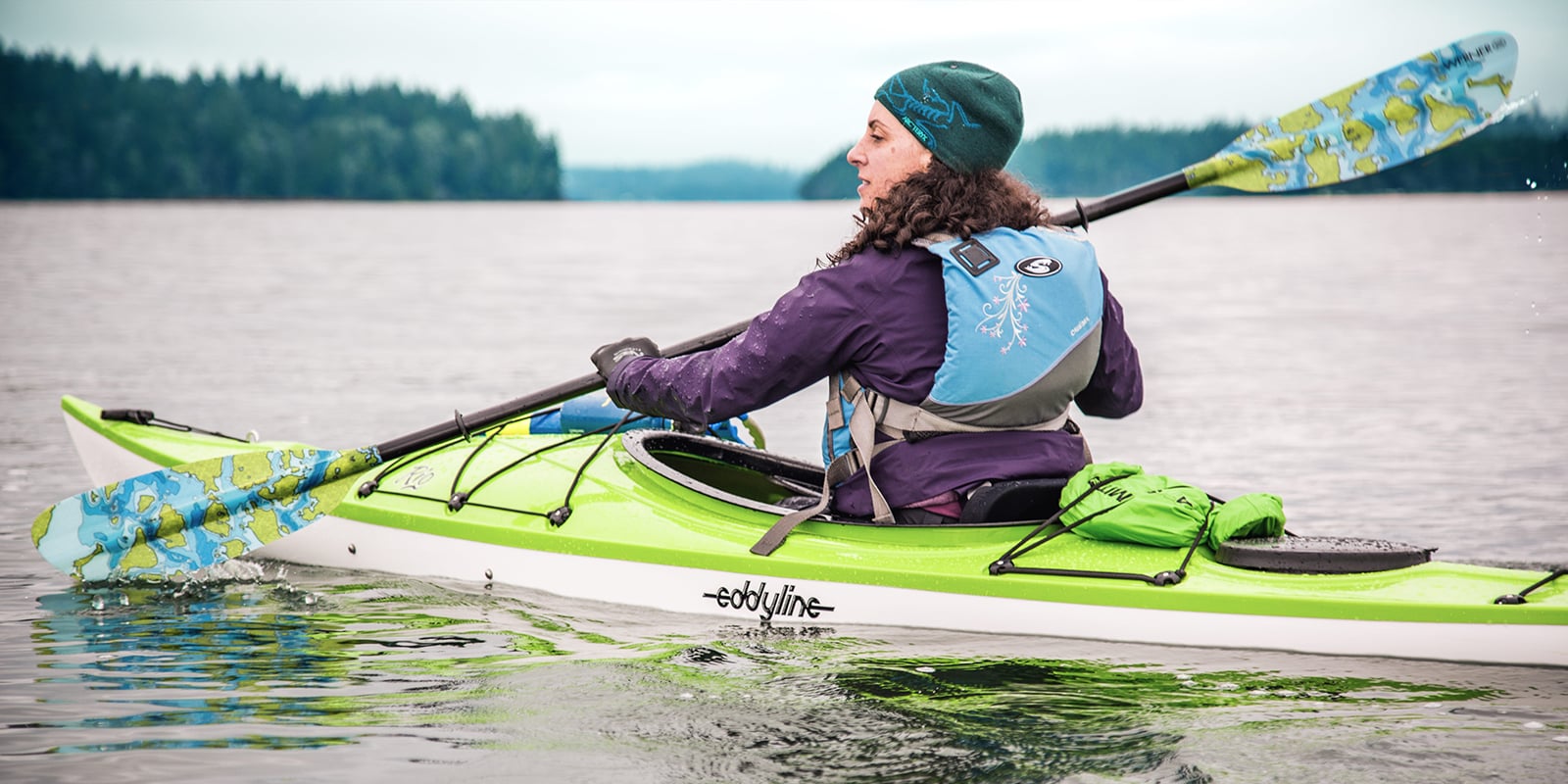
The Digital Navigator: Essential GPS & Mapping Tech
Navigating unfamiliar waters requires precision and reliability, and modern GPS and mapping technologies offer unparalleled capabilities. These devices are your digital compass, guiding your path and helping you return safely.
Smartwatches with Integrated GPS
For many kayakers, a rugged smartwatch has become an indispensable wrist-worn companion. Top-tier models from brands like Garmin, Suunto, and Apple offer robust GPS capabilities, allowing you to track your route, speed, distance, and even elevation changes. Many come with pre-loaded marine charts or can download them, providing real-time location data directly on your wrist. Features like backtrack navigation are invaluable for retracing your path, especially in foggy conditions or after exploring intricate waterways. Beyond navigation, these smartwatches often incorporate heart rate monitoring, barometer readings (for weather changes), and compass functions, all in a waterproof, durable package. Their convenience means essential information is always a glance away, without fumbling for a separate device.
Dedicated Handheld GPS Devices
While smartwatches offer versatility, dedicated handheld GPS devices remain the gold standard for ultimate precision and battery life. Devices like the Garmin GPSMAP series are built specifically for outdoor adventures, featuring high-sensitivity GPS receivers, large, sunlight-readable screens, and often more extensive mapping options, including topographic maps and marine charts. They excel in areas with poor cellular reception and typically boast battery life measured in days, not hours. For serious expeditions or remote areas, a handheld GPS offers a crucial layer of redundancy and superior performance, ensuring you never lose your way. Many are buoyant, adding an extra layer of security against accidental drops.
Offline Mapping Applications
Even with dedicated GPS hardware, having robust offline mapping applications on a smartphone or tablet serves as an excellent backup and supplementary tool. Apps like Gaia GPS, Navionics, or even Google Maps (with downloaded offline areas) allow you to pre-load detailed maps of your paddling area. These apps can leverage your device’s internal GPS (which works without cellular data) to show your location on the map, mark waypoints, and plan routes. Ensure your device is housed in a high-quality waterproof case, and consider a ruggedized, water-resistant tablet for a larger viewing experience. The ability to consult a detailed map with your real-time position can be a lifesaver when physical landmarks are obscured or unfamiliar.
Staying Connected: Communication & Safety Devices
Safety on the water hinges significantly on the ability to communicate, whether with fellow kayakers, emergency services, or loved ones on shore. Modern communication tech offers solutions for every scenario, from short-range chatter to global emergency alerts.
Waterproof VHF Radios
For coastal kayakers or those paddling in areas with other boat traffic, a handheld VHF (Very High Frequency) marine radio is non-negotiable. These radios allow direct communication with other vessels, harbor patrols, and emergency services (via Channel 16). Look for models that are fully submersible, buoyant, and have a strong battery life. Digital Selective Calling (DSC) functionality is a significant safety upgrade, allowing you to transmit an emergency distress signal with your GPS coordinates at the press of a button to nearby vessels and rescue authorities, even if you can’t speak. Regular battery checks and an understanding of marine radio protocols are essential.
Satellite Messengers and PLBs
When venturing into areas beyond VHF range or cellular coverage, satellite communication becomes critical. Satellite messengers, such as the Garmin inReach or Zoleo, allow you to send and receive text messages over a satellite network from virtually anywhere on Earth. More importantly, they feature an SOS button that, when activated, alerts a 24/7 emergency monitoring center, which will then coordinate rescue efforts based on your precise GPS location. For ultimate peace of mind, a Personal Locator Beacon (PLB) is a single-purpose device designed solely for emergency signaling. Once activated, it broadcasts a distress signal to orbiting satellites, directly alerting search and rescue forces. PLBs require no subscription but offer no two-way communication. Both provide an invaluable safety net for remote expeditions.
Robust Smartphone Protection and Power
While not ideal as a primary safety device in remote areas, a smartphone is often carried for photography, short-range communication, or app-based navigation. Its vulnerability to water damage is a major concern. Investing in a high-quality, fully waterproof and shockproof case (e.g., from LifeProof or OtterBox) is paramount. Beyond protection, ensuring your phone has sufficient power is crucial. Portable, waterproof power banks or solar chargers can keep your device charged, enabling its use for extended periods without access to mains electricity.
Capturing the Journey: Action Cameras & Drones

Beyond safety and navigation, technology allows kayakers to document their adventures with stunning clarity and unique perspectives. Sharing the beauty of a hidden cove or the thrill of navigating rapids becomes effortless with the right capture devices.
Waterproof Action Cameras
Action cameras like GoPro or DJI Osmo Action are synonymous with outdoor adventures for good reason. They are compact, incredibly durable, and designed to withstand the elements, often being waterproof without an external case to significant depths. With mounts available for helmets, kayaks, chest straps, and paddles, they offer versatile perspectives. Modern action cameras boast high-resolution video (4K and beyond), advanced image stabilization, and features like time-lapse and slow-motion, perfect for capturing the dynamic nature of kayaking. Carrying extra batteries and micro SD cards is essential for longer trips, as continuous shooting can quickly deplete power and storage.
Compact, Durable Drones
For breathtaking aerial shots of your kayaking journey or the surrounding landscape, a compact drone is an incredible tool. Models like the DJI Mini series offer impressive camera quality in a highly portable and user-friendly package. While operating a drone over water requires extra caution due to potential loss, the unique perspectives they provide are unmatched. Look for drones with obstacle avoidance sensors and reliable return-to-home functions. Be mindful of local regulations regarding drone flight, especially in national parks or protected areas, and always ensure you have a clear line of sight. Waterproof landing pads can offer a safer launching and landing solution from shore.
Data Storage and Battery Management
Regardless of the camera type, managing data and power is critical. Portable solid-state drives (SSDs) allow you to offload footage from your camera’s memory cards, freeing them up for more shooting. Ensure these drives are ruggedized and water-resistant. For power, portable power banks capable of charging camera batteries or the cameras themselves via USB are invaluable. Solar panels can provide a trickle charge, extending your ability to capture content during multi-day expeditions.
Health, Performance, and Comfort: Wearable Sensors
The latest wearable technology moves beyond basic tracking, offering insights into personal performance and environmental conditions directly impacting your well-being on the water.
Heart Rate Monitors and Fitness Trackers
Many smartwatches already incorporate robust heart rate monitors and fitness tracking capabilities. These devices can monitor your exertion levels during paddling, track calories burned, and even provide recovery insights. For those interested in performance optimization, understanding your physiological response to different paddling intensities can help in training and endurance planning. Some dedicated chest strap heart rate monitors offer even greater accuracy and can often pair with your GPS device for a comprehensive data overlay.
UV Sensors and Environmental Monitors
Exposure to the sun is a significant concern for kayakers. Some advanced wearables or small, clip-on gadgets now integrate UV sensors that can track your exposure levels and alert you when you’ve reached potentially harmful limits. Similarly, environmental monitors, often built into high-end smartwatches, can provide real-time data on air temperature, humidity, and atmospheric pressure, helping you anticipate weather changes and dress appropriately for comfort and safety.
Powering Your Expedition: Portable Energy Solutions
The array of tech gear required for a modern kayaking trip necessitates robust power management. Ensuring all your devices remain charged is crucial for safety and enjoyment.
Solar Chargers and Power Banks
For multi-day trips or extended paddles in remote areas, access to a grid outlet is nonexistent. Portable solar panels, ranging from small, flexible panels that can be strapped to your kayak deck to larger fold-out arrays, can trickle-charge power banks or even directly charge smaller devices. These are most effective in clear, sunny conditions. Complementing solar with high-capacity, waterproof power banks is vital. These pre-charged batteries can store significant energy to top up phones, GPS units, and cameras multiple times, ensuring your critical tech never runs dry.
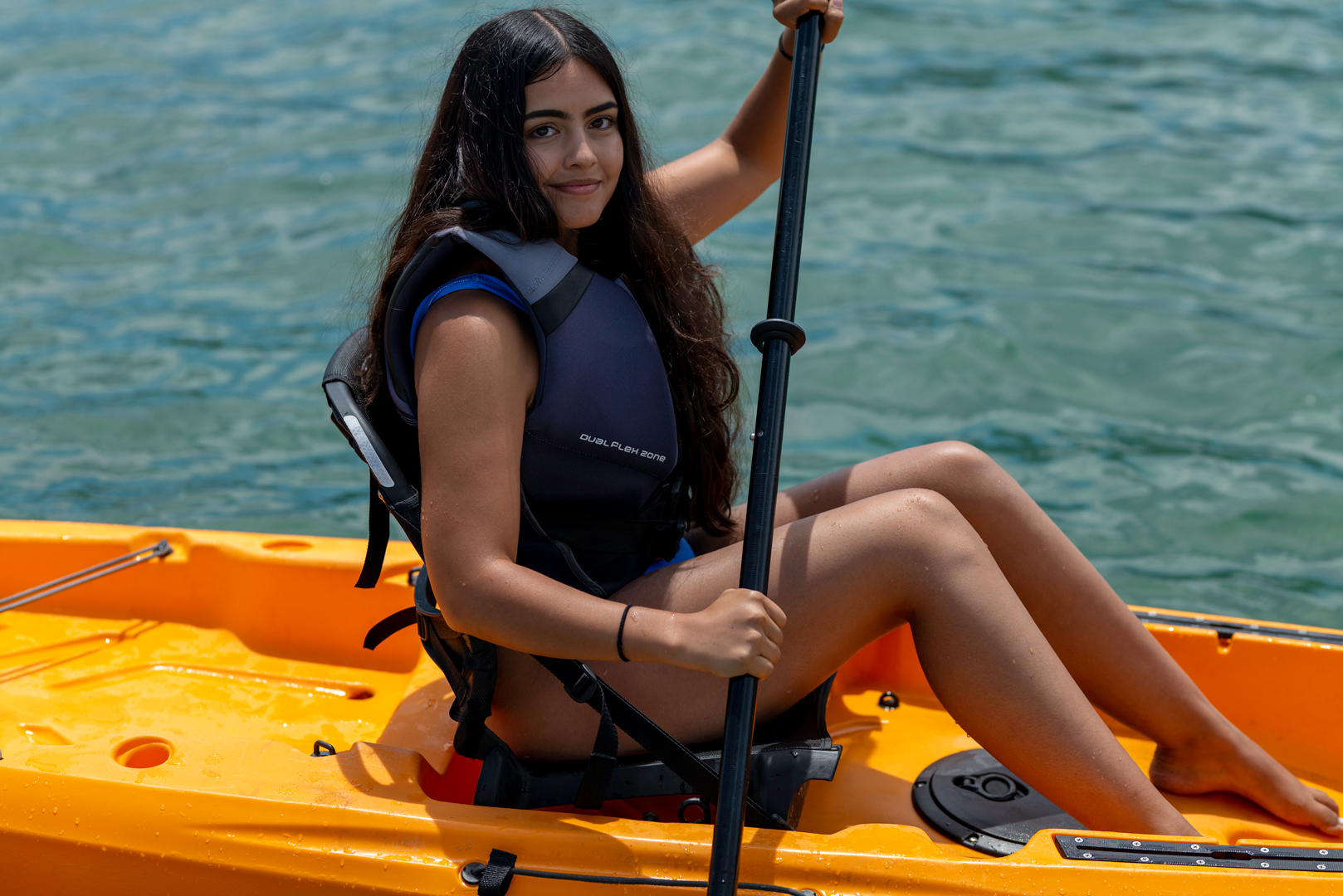
Waterproofing for Electronics
It bears repeating: water is the enemy of electronics. Every piece of tech carried on a kayak should either be inherently waterproof or housed within a reliable waterproof container. Dry bags, specialized waterproof cases for phones and tablets, and Pelican-style hard cases for more delicate or larger electronics (like drones) are essential investments. Even devices rated as waterproof can fail, so an extra layer of protection, especially for critical items, is always a wise precaution.
The definition of “what to wear” on a kayak has evolved significantly, embracing a world of sophisticated technology. By equipping yourself with these essential digital tools, you not only enhance your enjoyment and ability to capture memories but, critically, bolster your safety and preparedness for any adventure the water might offer.
aViewFromTheCave is a participant in the Amazon Services LLC Associates Program, an affiliate advertising program designed to provide a means for sites to earn advertising fees by advertising and linking to Amazon.com. Amazon, the Amazon logo, AmazonSupply, and the AmazonSupply logo are trademarks of Amazon.com, Inc. or its affiliates. As an Amazon Associate we earn affiliate commissions from qualifying purchases.