
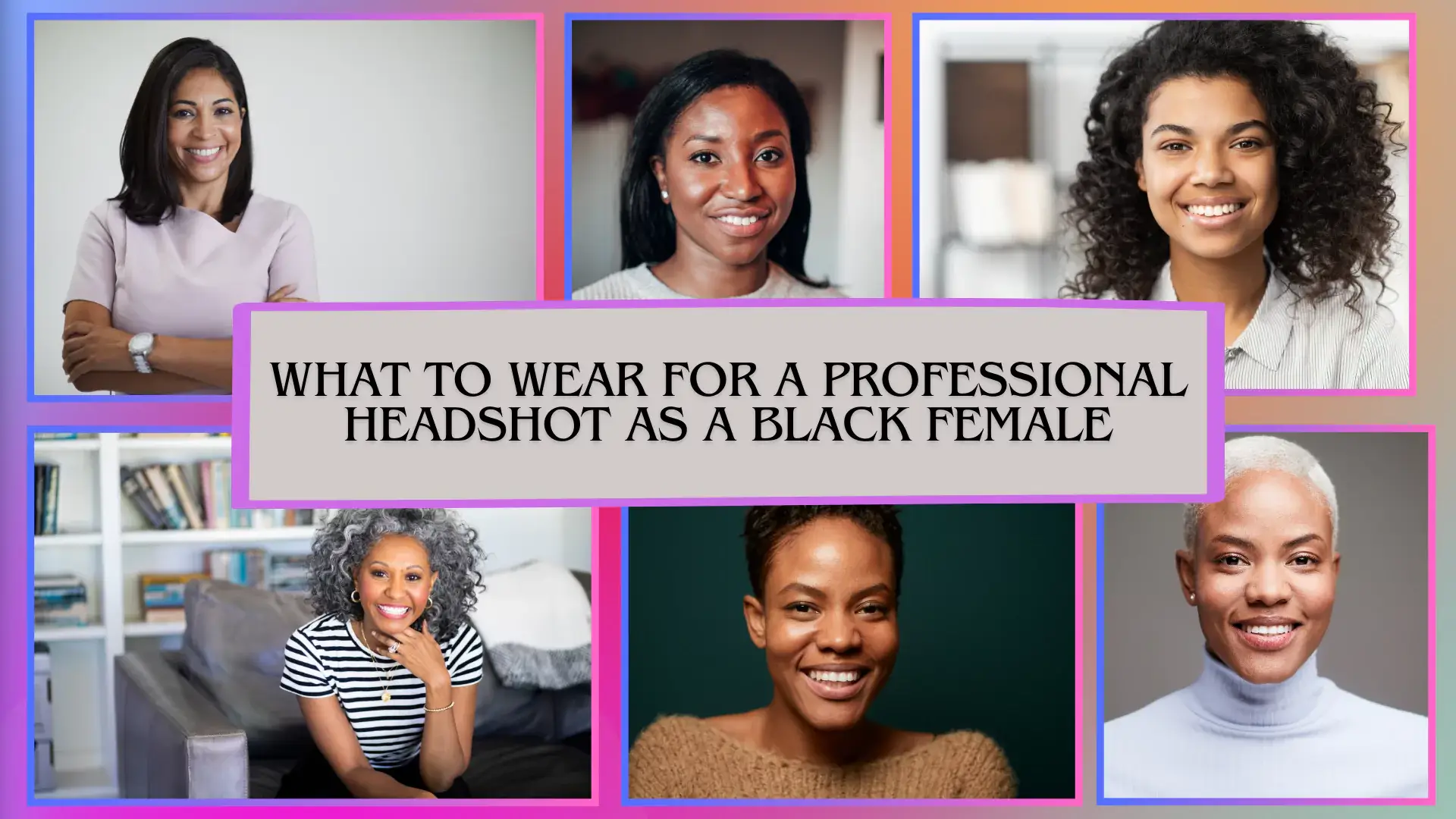
A professional headshot is far more than just a photo; it is a critical visual cornerstone of your personal brand. In today’s digitally driven professional landscape, your headshot often serves as the very first impression, a silent ambassador communicating your expertise, credibility, and unique professional identity before you even utter a word. Understanding “what to wear” transcends mere fashion advice; it’s a strategic decision that directly impacts how your brand is perceived and the message it conveys. Every choice, from fabric to color, fit to accessory, contributes to the overarching narrative of your professional persona. This guide delves into curating an authentic, impactful visual brand through your headshot attire.
The Strategic Imperative of Your Visual Brand
Your headshot is a powerful marketing tool for your personal brand. It appears on LinkedIn, corporate websites, speaking engagement profiles, and countless other professional platforms. It’s an investment in your career trajectory, and the clothing you choose is a fundamental component of that investment. The goal isn’t just to look good, but to look authentic to your brand, approachable, and competent.
Aligning Attire with Your Professional Narrative
Before selecting a single garment, reflect on your personal brand strategy. What industry are you in? What is your role? What message do you want to convey about your professional identity?
- Industry Standards: A creative director in a design agency might opt for a modern, slightly expressive style, while a financial advisor would likely lean towards more traditional, conservative attire. Your clothing should reflect the accepted professional norms of your field, ensuring you fit in while still standing out.
- Role and Aspiration: Are you an executive, an entrepreneur, a consultant, or a rising professional? Your attire should align with your current role and, crucially, with where you aspire to be. Dress for the role you want, not just the one you have, but always within reason and authenticity.
- Brand Personality: Are you innovative and dynamic, trustworthy and stable, creative and unconventional, or approachable and collaborative? Your clothing choices—colors, patterns, textures—should be consistent with these brand attributes. A vibrant accessory might speak to creativity, while a crisp, solid suit jacket projects gravitas.
The Psychology of Color and Fabric
Color is a potent non-verbal communicator. It evokes emotions, perceptions, and can subtly influence how your brand is received.
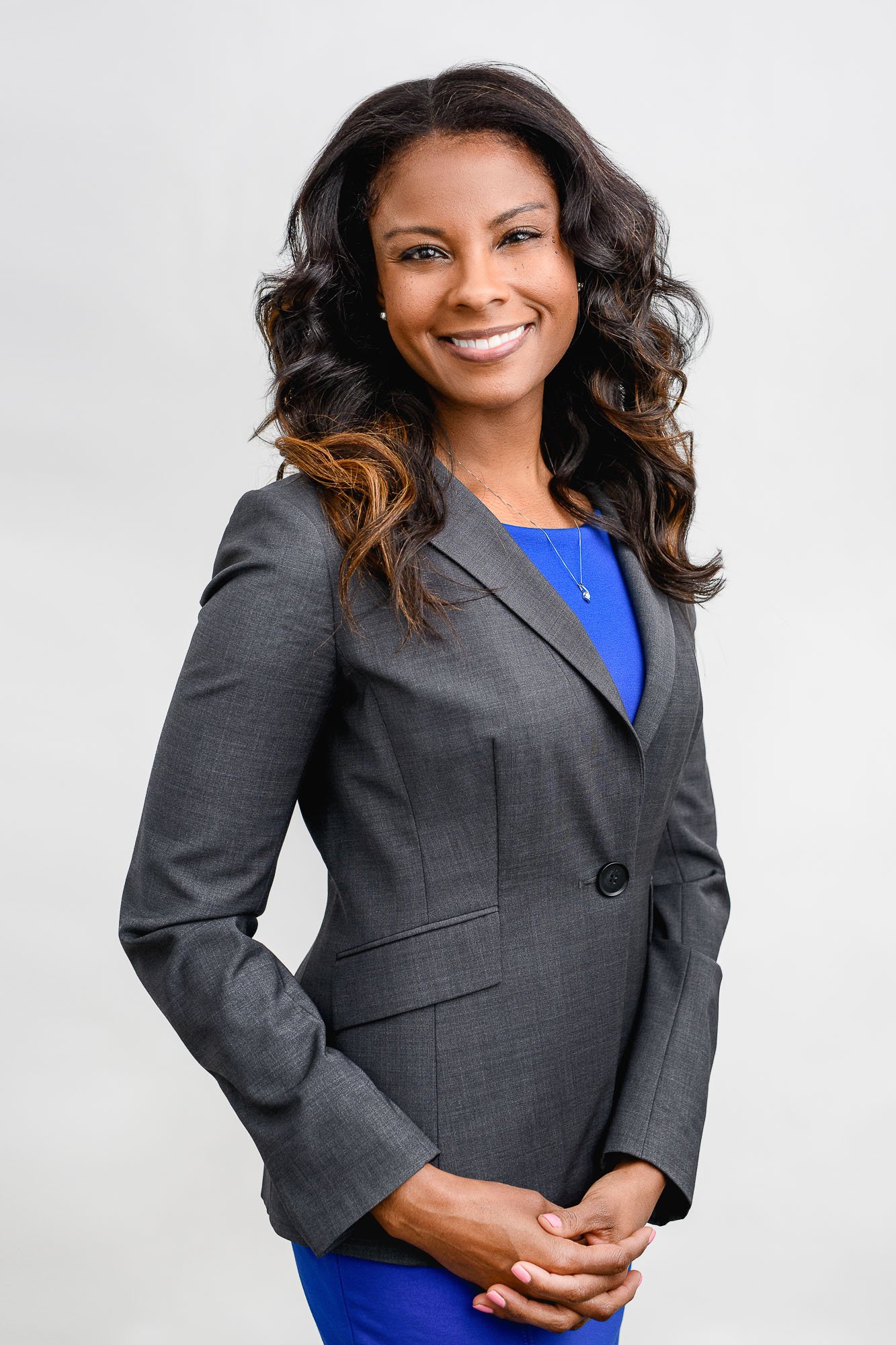
- Blues: Often associated with trust, reliability, stability, and professionalism. Navy and royal blue are particularly strong choices for projecting confidence and competence.
- Grays: Conveys sophistication, neutrality, and professionalism. Charcoal gray is a versatile and authoritative option.
- Blacks: Imparts authority, elegance, and power. However, an all-black outfit can sometimes appear too formal or stark depending on the industry.
- Whites & Creams: Signify purity, clarity, and simplicity. A crisp white shirt under a jacket is a classic, clean look.
- Jewel Tones (Emerald, Sapphire, Ruby): These rich, saturated colors can convey confidence, luxury, and individuality without being overly distracting. They often photograph beautifully.
- Avoid: Overly bright or neon colors can be distracting and unprofessional. Busy patterns can pull focus away from your face, which is the true subject of the headshot.
- Fabric Choice: High-quality fabrics like wool blends, silk, and structured cottons drape well and look polished. Avoid anything that wrinkles easily or appears flimsy. Textures can add depth; a fine knit, a subtle weave, or a structured blazer can enhance the visual richness of your brand without overpowering it.
Curating Your Professional Image: Practical Garment Choices
The objective is to create a polished, authentic, and memorable visual representation of your brand. Think about creating a cohesive look that supports your narrative.
Tops: The Foundation of Your Headshot Persona
The upper half of your body, particularly your torso and face, will be the primary focus of your headshot.
- Blazers/Jackets: A well-fitting blazer or suit jacket is a powerful branding tool. It adds structure, professionalism, and authority. Darker, solid colors (navy, charcoal, black) are universally flattering and convey seriousness. Ensure the shoulders fit perfectly and the lapels lie flat.
- Shirts/Blouses:
- Collared Shirts: A crisp, well-ironed button-down shirt (white, light blue, or a subtle pattern) under a jacket is a classic, professional choice for all genders.
- Blouses: For women, a silk or high-quality polyester blouse with a flattering neckline (V-neck, scoop neck, or a soft collar) works well. Avoid overly busy patterns or very deep necklines that might distract or appear unprofessional.
- Knitwear: A fine-gauge knit sweater or cardigan can project approachability and warmth while maintaining professionalism, especially in creative or academic fields. Choose solid colors or subtle textures.
- Necklines: Opt for necklines that are flattering and modest. A V-neck can elongate the neck and provide a clean line, while a crew neck offers a more conservative look. Avoid high turtlenecks that can make the neck disappear, or overly elaborate necklines that detract from your face.
- Fit: Crucial. Clothes should fit well – not too tight, not too baggy. Ill-fitting clothing can make you look disheveled or less confident. Ensure sleeves are the correct length and there’s no pulling across the chest or shoulders.
Bottoms & Accessories: The Supporting Role
While often not fully visible, the choice of bottoms and accessories should complete the professional ensemble, contributing to the overall sense of polish and preparedness.
- Bottoms: Even if only your upper half is visible, dress in full professional attire. This helps you feel more confident and professional during the shoot, which translates into better posture and expression. Opt for tailored trousers, a professional skirt, or dark-wash jeans if your industry allows for a more casual brand image.
- Accessories – Less is More: Accessories should enhance, not overpower, your brand message.
- Jewelry: Keep it minimal and understated. Simple stud earrings, a classic watch, or a delicate necklace can add a touch of polish. Avoid large, flashy, or dangling jewelry that can create reflections, distractions, or noise in the frame. Your headshot should focus on you, not your accessories.
- Ties/Pocket Squares: If wearing a suit, a tie can add a splash of color or a subtle pattern. Choose a tie that complements your jacket and shirt, reflecting your brand personality without being overly bold. A pocket square can add a refined touch.
- Glasses: If you wear glasses regularly, wear them for your headshot. Ensure the frames are clean and glare-free. Some photographers might use specific lighting techniques or anti-glare sprays. Consider bringing both options (with and without glasses) to the shoot.
Hair, Makeup, and Grooming: Polishing the Brand
Your grooming is an extension of your personal brand’s attention to detail and professionalism.
- Hair: Style your hair as you would for an important meeting. It should be clean, well-groomed, and out of your face. Avoid elaborate updos or styles that distract. A neat, professional hairstyle reinforces a polished brand.
- Makeup: For those who wear makeup, apply it slightly heavier than your everyday look, but still natural. Photography lighting can wash out features. Focus on even skin tone, defined eyes, and a neutral lip color. Avoid anything too shimmery or trendy that could quickly date the photo.
- Grooming for Men: Ensure facial hair is neatly trimmed or shaved. Hair should be styled and tidy. Clean-shaven is always a safe bet, but a well-maintained beard or mustache can certainly project a strong professional brand.
Avoiding Common Branding Pitfalls
Even with the best intentions, certain choices can inadvertently undermine your personal brand in a headshot.
Over-accessorizing and Distractions
A common mistake is to wear too many or overly prominent accessories. The primary goal of a headshot is to showcase you. Anything that draws the eye away from your face—large necklaces, chunky earrings, busy patterns, or logos—serves as a distraction and dilutes your brand message. Your headshot is not the place for statement fashion, unless “statement fashion” is precisely your niche and part of your professional brand (e.g., a fashion blogger or designer). Even then, subtlety is key to ensuring professional appeal.
Mismatched Branding
Ensure there’s consistency between your headshot attire and your overall professional brand presence. If your LinkedIn profile, website, and in-person meetings project a certain level of professionalism and industry-specific style, your headshot must align. A casual headshot when your industry demands formal attire, or vice-versa, creates dissonance and can confuse your audience about your authentic brand identity. Your attire should telegraph expertise and confidence, aligning seamlessly with the value you bring to your profession.

The Post-Shoot Brand Amplification
Once you have your perfected headshot, the work of brand amplification begins. Use your new headshot strategically across all professional platforms. Update your LinkedIn profile, corporate bio pages, personal website, and any speaking engagement materials. Consistency in your visual brand reinforces reliability and professionalism. Remember, your headshot is a continuous asset, evolving as your career and brand narrative do. Review it periodically to ensure it still accurately represents the professional you are today and the brand you aspire to be tomorrow.
aViewFromTheCave is a participant in the Amazon Services LLC Associates Program, an affiliate advertising program designed to provide a means for sites to earn advertising fees by advertising and linking to Amazon.com. Amazon, the Amazon logo, AmazonSupply, and the AmazonSupply logo are trademarks of Amazon.com, Inc. or its affiliates. As an Amazon Associate we earn affiliate commissions from qualifying purchases.