
Bringing a new life into the world marks a profound personal transition, often accompanied by a whirlwind of emotions, responsibilities, and, inevitably, financial considerations. While the immediate concern after childbirth is often comfort and recovery, the choices made regarding your post-partum wardrobe for the journey home, and the weeks that follow, carry distinct financial implications. Approaching this often-overlooked aspect with a strategic mindset can contribute significantly to your overall financial wellness during this demanding period, ensuring you invest wisely in items that support both your physical healing and your long-term budget.
Strategic Spending on Your Post-Partum Wardrobe
The period immediately following childbirth is not the time for impromptu or emotionally driven purchases. A strategic financial approach to your post-partum wardrobe begins long before you pack your hospital bag. This involves conscious budgeting and a clear-eyed prioritization of needs over wants, focusing on items that deliver maximum utility and value.
Budgeting for Comfort and Recovery
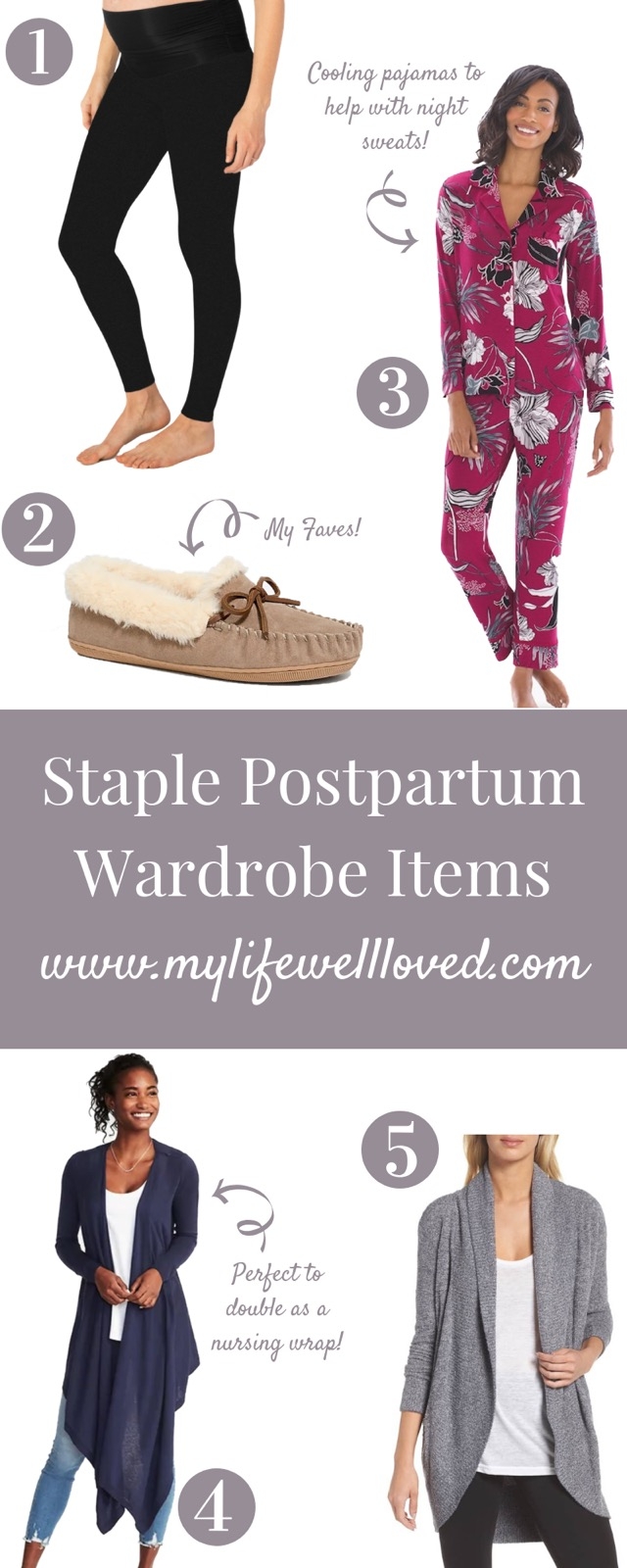
The first step in any sound financial plan is setting a budget. For your post-partum wardrobe, allocate a specific, realistic sum. This budget should account for the unique demands of post-delivery recovery, which include fluctuating body shape, potential C-section incisions, breast tenderness for nursing mothers, and the practicalities of frequent feedings and diaper changes. Investing in comfort during this critical healing phase is not a luxury but a necessity that can prevent discomfort, reduce stress, and potentially save on future medical costs related to ill-fitting garments exacerbating issues. Consider items like high-waisted, soft leggings or joggers, loose-fitting dresses, and supportive yet comfortable nursing bras. These are functional investments that contribute directly to your physical well-being. By earmarking funds specifically for these items, you prevent overspending on less critical pieces while ensuring core needs are met. This also means resisting the urge to buy “pre-pregnancy” size clothing as a motivational tool; such purchases often lead to financial waste if not worn.
Prioritizing Versatility and Longevity
When evaluating potential purchases, consider the garment’s versatility and longevity. Items that serve multiple purposes or can be worn through various stages of recovery and beyond offer superior financial value. For instance, a comfortable, stretchy dress designed for maternity could also double as a nursing dress and a post-partum casual piece. Similarly, high-waisted compression garments, while initially an expense, can provide crucial support for abdominal recovery, potentially reducing discomfort and enabling earlier mobility, thus offering a practical return on investment. Avoid single-use items unless absolutely necessary. Think about fabrics that are durable, easy to wash, and forgiving in fit, minimizing the need for frequent replacements or specialized care, which can incur additional long-term costs. Prioritizing quality basics that can be mixed and matched also extends their lifecycle and reduces the need for an extensive, and expensive, wardrobe.
Smart Shopping for Post-Delivery Essentials
Once a budget is established and priorities are set, the focus shifts to smart shopping strategies. This involves tactical choices designed to maximize the financial impact of every dollar spent, ensuring you acquire necessary items without overextending your budget.
Maximizing Value Through Multi-Purpose Garments
The concept of multi-purpose garments is central to financially savvy post-partum dressing. Instead of buying separate items for sleeping, lounging, nursing, and going out, seek out pieces that can adapt to several roles. For example, a comfortable, soft robe can be worn over pajamas in the hospital, serve as a cover-up at home, and provide easy access for nursing. Loose-fitting button-down shirts can be paired with leggings for outings, yet offer simple breast access for feeding. Investing in a couple of high-quality nursing tanks or camisoles that can be layered under various tops extends your wardrobe significantly without a major outlay for dedicated nursing tops. These adaptable pieces reduce the overall number of items you need to purchase, directly impacting your spending. They also simplify laundry and dressing, offering a valuable return in terms of time and convenience, which can be priceless for a new parent.

Exploring Cost-Effective Options: Sales, Second-Hand, and Swaps
Full-price retail purchases should often be a last resort. Savvy shoppers leverage sales, discounts, and alternative sourcing methods to acquire quality items at a fraction of the cost. Plan your purchases ahead of time, if possible, to coincide with seasonal sales or clearance events. Exploring second-hand markets, such as consignment stores, online marketplaces, or local parent groups, can yield nearly new, high-quality maternity and post-partum clothing at significantly reduced prices. Many items, especially those worn for a short period, are often in excellent condition. Additionally, consider organizing clothing swaps with friends or family members who have recently given birth or are expecting. This circular economy approach allows for the exchange of gently used items, reducing individual spending while promoting sustainability. For specific items like nursing bras, which are more personal, waiting for sales or buying multi-packs can also lead to savings.
The Long-Term Investment of Practicality
The financial wisdom of post-partum wardrobe choices extends beyond the immediate weeks. Thoughtful selections can serve as long-term investments, providing enduring value and preventing future expenditure, while impulsive buys can quickly become financial liabilities.
Beyond the Hospital Door: Wardrobe Longevity
Consider how each item will integrate into your wardrobe not just for the trip home, but for the months, and even years, following birth. High-quality, timeless basics chosen for their comfort and adaptability will outlast any fleeting post-partum specific trends. For instance, a well-made pair of dark, stretchy jeans or trousers (perhaps maternity or with an elasticated waist) can be worn comfortably for many months and eventually integrated into your regular wardrobe. Similarly, a versatile cardigan or wrap can be a layering staple regardless of your body shape. Focus on neutral colors and classic cuts that can be dressed up or down. This approach minimizes the need for an entirely new wardrobe post-pregnancy and post-recovery, thereby saving substantial amounts of money in the long run. Viewing your post-partum clothing as an extension of your core wardrobe, rather than a temporary detour, reorients spending toward lasting utility.
Avoiding Financial Pitfalls: Unnecessary Buys
One of the biggest financial pitfalls for new parents is the purchase of items that are either unnecessary or quickly outgrown/outlived their utility. This includes specialized, single-purpose post-partum garments that offer little versatility beyond a very short window. For example, while some find specific “going home” outfits appealing, a comfortable, existing outfit from your maternity or early post-partum wardrobe often serves the purpose just as well without an additional expense. Similarly, be wary of buying too many items in a specific size based on optimistic recovery timelines. Bodies change at different rates, and investing heavily in a “goal” size too early can lead to unworn clothing and wasted money. A financially prudent approach involves buying a few essential pieces and then assessing needs as your body changes. Resisting marketing that promotes an “ideal” post-baby look can also save significant sums, as such messaging often encourages the purchase of specialized (and expensive) garments designed more for appearance than practical recovery and comfort.
Managing Expectations and Financial Wellness
The emotional landscape after childbirth can influence spending habits. Acknowledging this and proactively managing expectations is crucial for maintaining financial wellness during this transformative period.
Resisting Impulse Purchases During a Vulnerable Time
New parenthood is often accompanied by sleep deprivation, fluctuating hormones, and a powerful desire to feel “normal” or look presentable. These factors can make individuals particularly susceptible to impulse purchases, especially online, where items are just a click away. It’s easy to rationalize buying new clothes to feel better or to quickly accommodate a changing body. However, these impulse buys often lead to financial regret. Implement strategies to curb impulse spending: create a detailed shopping list and stick to it, give yourself a cooling-off period before making any non-essential purchase, and avoid browsing online stores when feeling fatigued or emotional. Remind yourself that comfort and practicality are the primary goals, and that your financial stability is a key component of your overall family well-being.

Practicality Over Fleeting Trends: A Money-Saving Approach
The fashion industry, including the niche market for maternity and post-partum wear, is constantly evolving with trends. However, chasing these trends for a short-term wardrobe requirement is rarely a financially sound decision. Trendy items often come with a higher price tag and have a shorter shelf life in terms of style relevance. Instead, focus on timeless, practical pieces that prioritize comfort, functionality, and durability. A classic, breathable t-shirt and comfortable, dark-wash leggings will always be in style and will serve your practical needs far better than a fleeting trendy item. By choosing practicality over fleeting fashion, you not only save money on initial purchases but also avoid the ongoing cycle of replacing items that quickly become outdated. This approach champions a sustainable financial model for your wardrobe, allowing funds to be directed towards other critical new-parent expenses or savings goals.
aViewFromTheCave is a participant in the Amazon Services LLC Associates Program, an affiliate advertising program designed to provide a means for sites to earn advertising fees by advertising and linking to Amazon.com. Amazon, the Amazon logo, AmazonSupply, and the AmazonSupply logo are trademarks of Amazon.com, Inc. or its affiliates. As an Amazon Associate we earn affiliate commissions from qualifying purchases.