
Embarking on a triathlon journey is an exciting endeavor, promising personal achievement and peak physical condition. However, beneath the surface of swim, bike, and run lies a significant financial consideration: the gear. Choosing “what to wear” for a triathlon isn’t just about comfort or performance; it’s a strategic financial decision that can significantly impact your wallet. This guide delves into the monetary aspects of triathlon apparel and equipment, helping you navigate the investment landscape to optimize your spending and avoid common financial pitfalls.
Prioritizing Your Gear Investment: Where to Spend and Where to Save
Successfully completing a triathlon requires specific equipment across three disciplines. The key to smart financial planning is understanding where to allocate your capital for maximum return, whether that’s in performance, durability, or safety, and where prudent savings can be made without compromising your race.
The Non-Negotiables: Safety and Performance Essentials
Certain items are critical for both safety and fundamental performance, warranting a non-negotiable budget allocation. These are areas where skimping on quality or functionality can lead to discomfort, inefficiency, or even danger, potentially costing you more in the long run through injury or replacement.
The Bike: For many, the bicycle represents the largest single investment. While a top-of-the-line triathlon-specific bike can run into thousands, a solid, well-maintained road bike, potentially with aerobars, can be perfectly adequate for your first few races. The financial decision here isn’t just the initial purchase but also considering professional fitting (a wise investment to prevent injury and improve efficiency), maintenance costs, and potential upgrades. A well-fitted, sturdy frame with reliable components should be prioritized over fancy, lightweight features if budget is a concern.
The Wetsuit: If your race involves open water swimming in cooler temperatures (check race regulations), a wetsuit is often mandatory. Beyond compliance, it offers buoyancy and thermal insulation. This is not an area to compromise on fit or material quality. A poorly fitting wetsuit can restrict movement and cause chafing, impacting your swim time and comfort. Consider its resale value if you anticipate this being a temporary venture.
Helmet: Non-negotiable for cycling safety, a certified helmet is a critical investment. While aero helmets exist, a standard road helmet offers excellent protection at a more accessible price point. Its value is in safeguarding your most vital asset, making it a high-priority expense regardless of your overall budget.
Strategic Splurges: Maximizing Return on Investment
Beyond the essentials, there are areas where a slightly higher investment can yield significant returns in terms of comfort, efficiency, and longevity, ultimately providing better value for money.
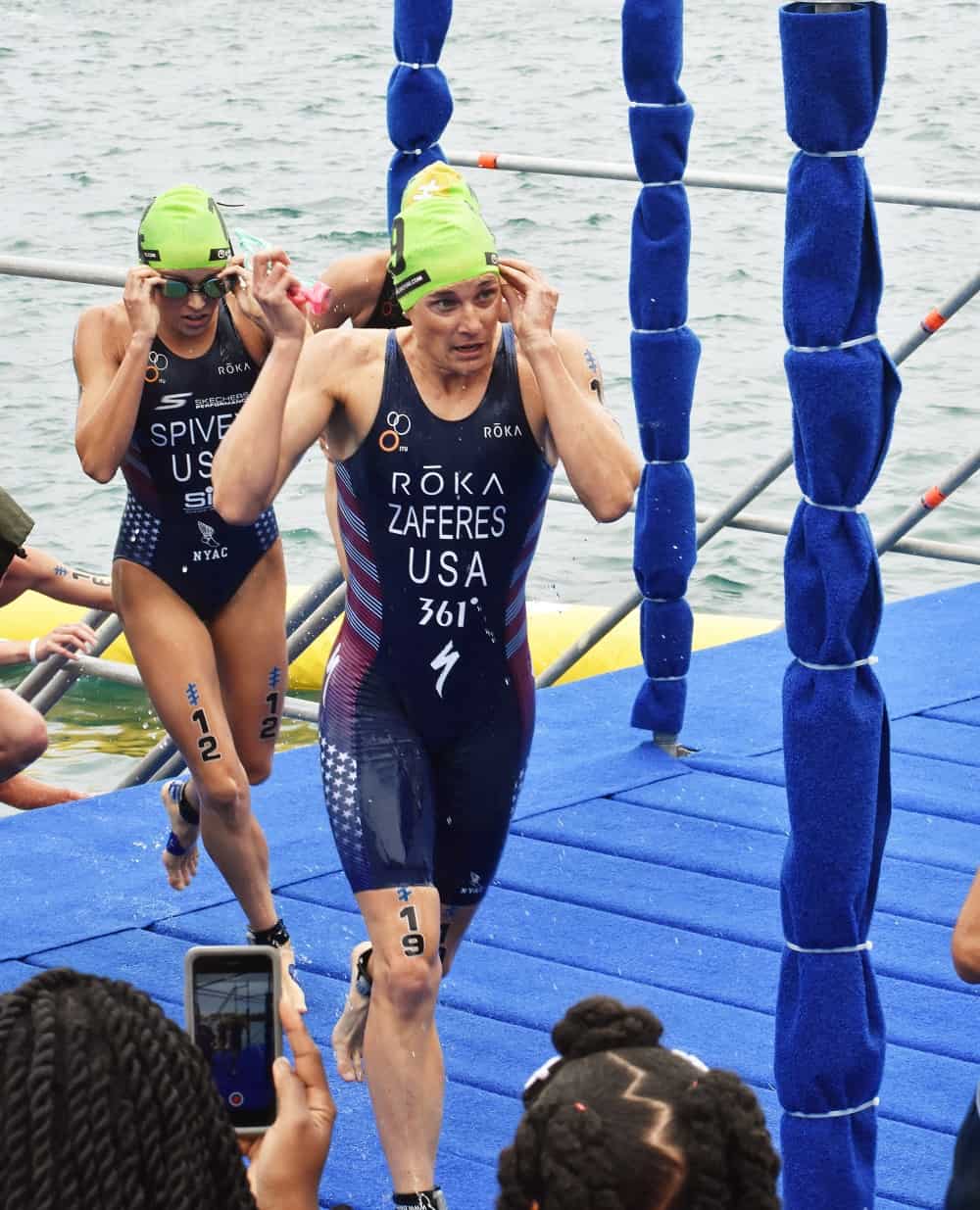
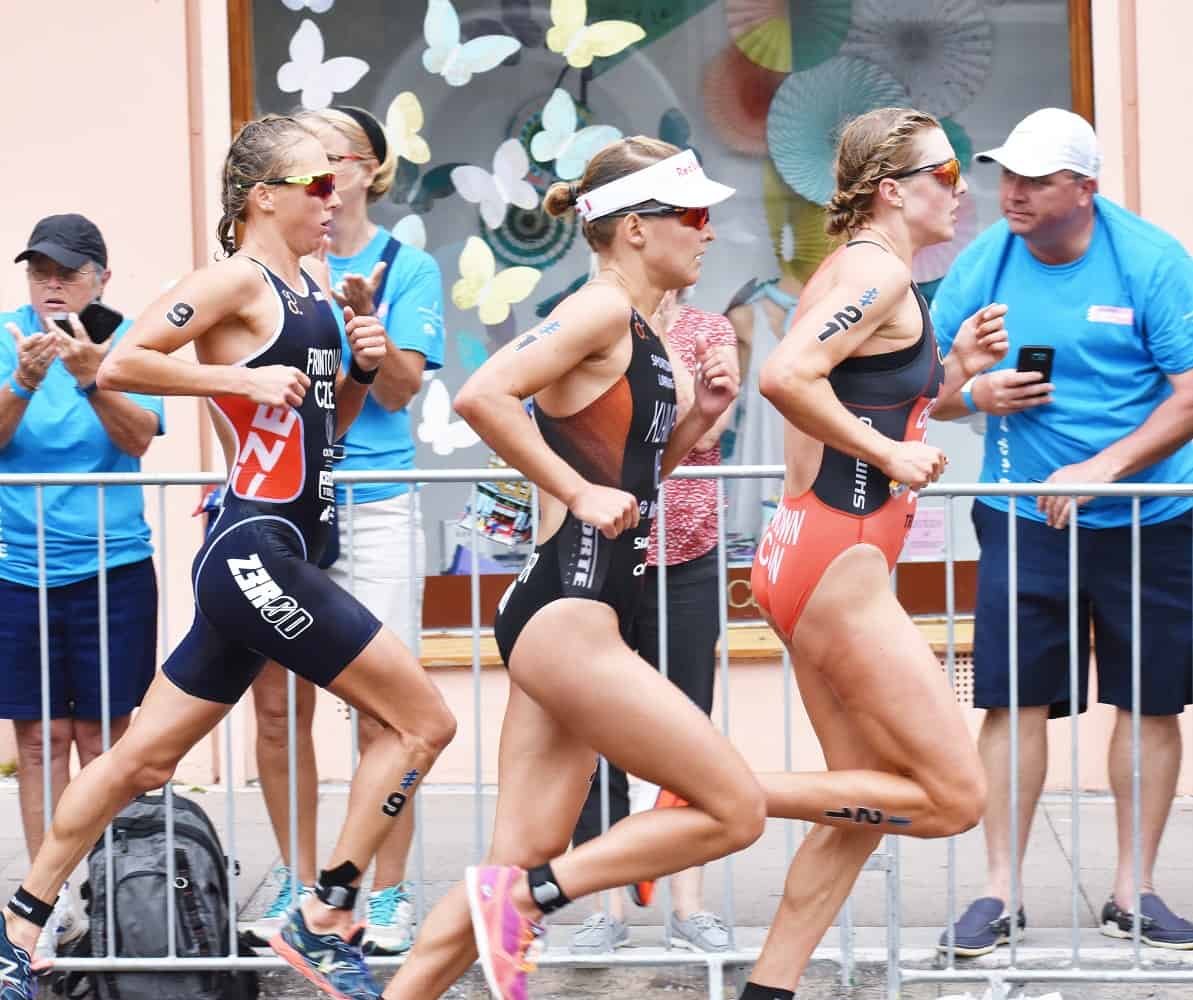
Tri-Suit: A quality tri-suit is designed for comfort across all three disciplines, drying quickly after the swim, providing padding for the bike, and remaining comfortable for the run. While you could wear separate garments, a well-fitting, durable tri-suit reduces transition time and potential chafing, enhancing your race experience. Investing in one that will last multiple seasons, potentially with better moisture-wicking and anti-chafing properties, can be a financially sound choice.
Running Shoes: Your feet are your primary tools for the run, the final and often most challenging leg. Investing in a pair of running shoes that are appropriate for your gait and foot type, and are specifically designed for running, is crucial to prevent injuries. While expensive, premium shoes aren’t always necessary, choosing a reputable brand and model known for comfort and support can save you from costly physiotherapy later.
Goggles and Swim Cap: While seemingly minor, a comfortable, leak-proof pair of goggles can make a world of difference in your swim confidence and performance. Similarly, a high-quality swim cap (beyond the race-provided one) can offer better warmth and hydrodynamics. These are relatively low-cost investments that can profoundly impact your initial discipline.
Smart Savings: Avoiding Unnecessary Expenditures
Many aspiring triathletes fall into the trap of overspending on non-essential, often aspirational, gear. Prudent financial planning means identifying areas where you can save without sacrificing core needs.
High-End Gadgets: While GPS watches, power meters, and advanced bike computers offer invaluable data for training, they can be significant financial outlays. For your first triathlon, a basic stopwatch and simple bike computer suffice. You can always upgrade once you’re committed to the sport and understand your specific data needs.
Brand New Everything: The triathlon market is saturated with enticing new products. Resist the urge to buy everything brand new. Many items, especially bikes, wetsuits, and even certain apparel, can be sourced effectively through second-hand markets or sales events.
Excessive Apparel: You don’t need multiple pairs of every item. One or two quality tri-suits, a few training outfits, and essential outerwear are typically sufficient. Focus on versatility and durability rather than quantity.
Navigating the Triathlon Gear Market: New vs. Used, Lease vs. Own
The decision to buy new, used, or even rent equipment carries significant financial implications, each with its own set of pros and cons for the budget-conscious triathlete.
The Allure of New: Weighing Immediate Cost Against Long-Term Value
Purchasing brand new gear offers the latest technology, a warranty, and the satisfaction of ownership. However, it comes with the highest upfront cost. For specific items like the bike, a new purchase might offer better financing options or included maintenance packages, which can be a financial benefit over time. For items like wetsuits or running shoes, new ensures an untouched fit and maximum lifespan. The “long-term value” here often refers to the expected years of use and potential resale value, which depreciates fastest in the first year. It’s crucial to assess if the incremental benefits of new justify the higher price tag for your specific needs and commitment level.
Second-Hand Savvy: Unearthing Gems and Mitigating Risks
The used market is a treasure trove for triathletes on a budget. Platforms like eBay, Facebook Marketplace, and local triathlon club forums often feature well-maintained bikes, wetsuits, and accessories at a fraction of their original price.
Bikes: Buying a used bike can save thousands. However, it requires careful inspection (ideally by a professional mechanic) to assess frame integrity, component wear, and potential hidden damage, which could lead to costly repairs. A pre-purchase inspection fee is a small financial outlay that can prevent a much larger financial loss.
Wetsuits: Used wetsuits are common. Inspect carefully for tears, thinning neoprene, and stretched seams, as repairs can be difficult or expensive. Ensure it fits perfectly, as a previous owner’s stretched suit might not fit you correctly.
Accessories: Helmets are generally not recommended for purchase used due to the risk of unseen impact damage compromising safety. Other items like bike trainers, wheels, or even some apparel can be excellent second-hand buys.
The financial risk here lies in purchasing items with hidden defects that require immediate, costly repairs or replacement. Diligence and an informed eye are paramount.
Rental and Lease Options: A Cost-Effective Introduction
For first-time triathletes, renting or leasing certain high-cost items can be an excellent financial strategy to test the waters before committing to a significant purchase.
Wetsuit Rentals: Many specialized swim shops or online services offer wetsuit rentals for a weekend or a season. This is ideal if you’re unsure about committing to the sport or only need a wetsuit for a single race. The cost is a fraction of buying new, and it eliminates maintenance concerns.
Bike Rentals: Some bike shops near popular race locations offer race-day bike rentals, often high-quality triathlon bikes. This can be a great way to experience a performance bike without the immense upfront cost. It’s particularly useful if you’re traveling for a race and want to avoid the hassle and expense of shipping your own bike.
While rental fees add up over time, for an initial foray into triathlon, they represent a financially sound way to mitigate the risk of a large, unused investment.
Beyond the Purchase: The Hidden Costs of Triathlon Apparel and Equipment
The financial journey with triathlon gear extends well beyond the initial purchase. Overlooking ongoing maintenance, potential upgrades, and race-day logistics can lead to unexpected expenses.
Maintenance and Longevity: Protecting Your Investments
Proper maintenance is crucial for extending the life of your gear and avoiding premature replacement, which directly impacts your budget.
Bike Maintenance: Regular cleaning, chain lubrication, brake adjustments, and tire checks are not just about performance; they prevent wear and tear that can lead to expensive component failures. Budgeting for annual professional tune-ups, especially after a season of training and racing, can save you from larger repair bills down the line.
Wetsuit Care: Rinsing your wetsuit thoroughly after each use, drying it correctly, and storing it properly prevent material degradation and extend its lifespan. Neglect can lead to cracking and tearing, necessitating a costly replacement.
Running Shoe Rotation: While not a direct maintenance cost, rotating between two pairs of running shoes can extend the life of each pair, as it allows the cushioning to decompress. This can effectively double the mileage you get before needing a new pair, delaying a significant expense.
Upgrade Cycles: When is it Worth Reinvesting?
The triathlon world is constantly evolving, with new gear promising marginal gains. Understanding when an upgrade is a financially sound decision versus an unnecessary expense is key.
Performance Plateaus: If you’ve been consistent with training and feel limited by your current equipment (e.g., an older road bike for increasingly competitive races), an upgrade might be justified. However, ensure the upgrade addresses a genuine need, not just a desire for the latest gadget.
Wear and Tear: Sometimes, an upgrade is simply a necessity due to worn-out components or gear that no longer functions safely or effectively. Prioritize safety and core functionality over aesthetic improvements.
Financial Planning: Plan for upgrades. Set aside a small amount each month into a “triathlon gear fund” to soften the blow of a major purchase, rather than dipping into emergency savings or going into debt.
Race Day Logistics: Unexpected Financial Outlays
Even if you own all your gear, race day itself can introduce additional, often overlooked, financial costs.
Travel and Accommodation: Attending races often involves travel, lodging, and food expenses. Factor these into your overall triathlon budget.
Bike Shipping/Assembly: If traveling, shipping your bike or renting one at the destination incurs costs. If you ship, you might need a professional to pack and unpack it, adding to the expense.
Nutrition and Hydration: While training, you’ll need energy gels, bars, and sports drinks. On race day, these might be provided, but having your preferred brands ensures comfort and performance, often requiring pre-race purchases.
Budgeting and Financial Tools for the Aspiring Triathlete
Effective financial planning is paramount to enjoying triathlon without undue monetary stress.
Creating a Realistic Triathlon Gear Budget
Start by itemizing every piece of gear required for the swim, bike, and run. Research average prices for new and used options. Then, categorize items as “essential,” “important,” and “nice-to-have.” Allocate funds accordingly. Be honest about your commitment level; if it’s a one-off race, renting or buying used makes more financial sense. If you envision years in the sport, a larger initial investment in durable, quality items might be more cost-effective over time.
Leveraging Financial Apps for Tracking and Planning
Modern financial tools can be incredibly helpful. Budgeting apps allow you to categorize expenses, set spending limits for “sporting goods,” and track your outlay for triathlon gear. Apps with savings goal features can help you set aside money specifically for big-ticket items like a new bike or a race entry fee. This real-time visibility prevents overspending and provides a clear financial picture of your triathlon journey.

Maximizing Discounts and Rewards Programs
Be savvy about how you buy. Sign up for newsletters from major sports retailers for sale alerts. Look for end-of-season clearances. Utilize credit card rewards points for purchases where possible. Many local bike shops offer loyalty programs. Joining a triathlon club often comes with discounts at partner stores. These seemingly small savings can add up significantly, helping you acquire necessary gear without breaking the bank.
Participating in a triathlon is a rewarding experience, and with careful financial planning, the investment in gear can be managed effectively, allowing you to focus on the finish line, not your bank balance.
aViewFromTheCave is a participant in the Amazon Services LLC Associates Program, an affiliate advertising program designed to provide a means for sites to earn advertising fees by advertising and linking to Amazon.com. Amazon, the Amazon logo, AmazonSupply, and the AmazonSupply logo are trademarks of Amazon.com, Inc. or its affiliates. As an Amazon Associate we earn affiliate commissions from qualifying purchases.