
Navigating the biting winds and often unpredictable snowfalls of a New York winter demands more than just a heavy coat; it calls for a strategic, technology-driven approach to your wardrobe. As innovation permeates every facet of modern life, the apparel industry has seen significant advancements, transforming how we stay warm, comfortable, and connected even in the harshest urban environments. From smart fabrics to predictive analytics, leveraging technology can elevate your winter experience from mere survival to optimized comfort and efficiency.
Smart Fabrics and Advanced Insulation for Urban Winters
The foundation of any effective winter wardrobe lies in its materials. Traditional wool and down have been augmented, and often surpassed, by a new generation of smart fabrics and advanced insulation technologies designed to offer superior warmth-to-weight ratios, breathability, and weather resistance. For the dynamic environment of New York City, where indoor heating often contrasts sharply with outdoor frigidity, these innovations are paramount.
The Science of Layering with Tech Textiles
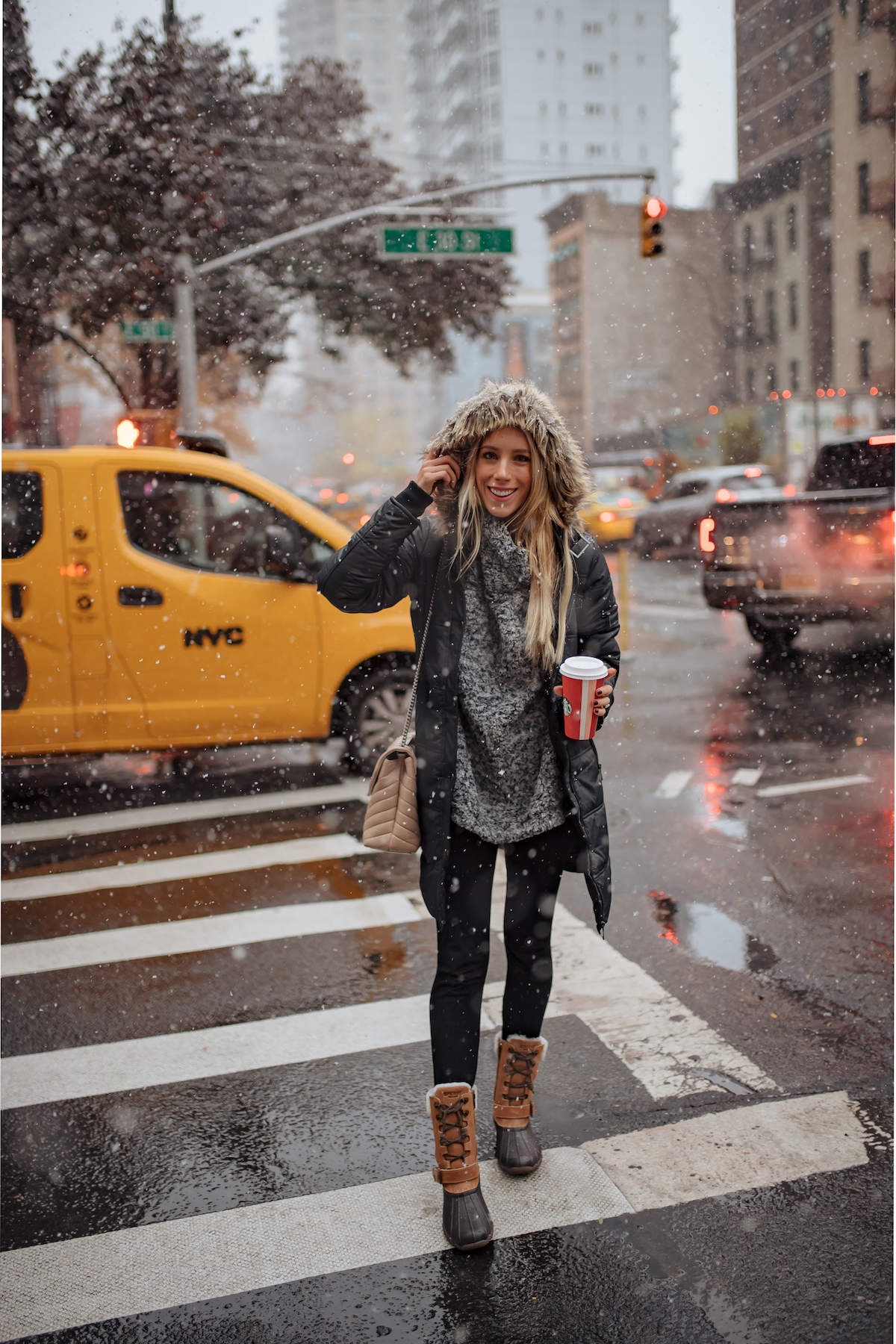
The age-old principle of layering remains fundamental, but contemporary tech textiles dramatically enhance its effectiveness. Base layers, traditionally cotton or wool, are now frequently crafted from moisture-wicking synthetic blends or merino wool treated for enhanced performance. These materials excel at drawing sweat away from the body, preventing the chilling effect of dampness while maintaining thermal regulation. Mid-layers have evolved to include microfleece, proprietary synthetic insulators like Polartec Alpha, and lightweight down alternatives that trap air efficiently without bulk. These engineered fabrics offer exceptional warmth and compressibility, making them ideal for fluctuating temperatures as you move between subway platforms, heated shops, and open streets. The outer shell, the final barrier against the elements, integrates technologies that are both waterproof and breathable, allowing perspiration to escape while blocking rain, sleet, and snow.
From Down to Synthetics: Material Innovation
While natural down feathers remain a benchmark for insulation, their performance can degrade significantly when wet. Modern synthetic insulations, such as PrimaLoft, Thinsulate, and various proprietary blends, offer a compelling alternative. These materials are engineered from fine polyester fibers that mimic the loft and warmth of down but retain insulating properties even when damp. Furthermore, they are often hypoallergenic and more eco-friendly, made from recycled content. Recent innovations also include aerogels and phase-change materials (PCMs) integrated into fabrics. Aerogels, derived from the same technology used in aerospace, provide extraordinary insulation in minimal thickness, allowing for sleeker, less bulky garments. PCMs, on the other hand, absorb and release heat, dynamically regulating body temperature by storing excess heat when you’re warm and releasing it when you’re cold, providing a consistent microclimate next to your skin.
Waterproofing and Breathability: Gore-Tex and Beyond
The battle against precipitation and wind is central to staying warm in a New York winter. Technologies like Gore-Tex revolutionized outerwear by creating membranes that are microscopically porous, allowing water vapor (perspiration) to escape while preventing liquid water (rain, snow) from entering. This balance of waterproofing and breathability is critical for preventing overheating and subsequent chilling. Beyond Gore-Tex, numerous other proprietary membranes and coatings have emerged, offering varying levels of performance and environmental impact. DWR (Durable Water Repellent) finishes are also continuously refined to enhance the fabric’s ability to shed water. Innovations now focus on PFC-free DWRs, addressing environmental concerns without compromising performance. The integration of these advanced materials means a winter coat is no longer just a barrier but a smart system designed to manage your body’s interaction with the external environment.
Leveraging Digital Tools for Optimal Winter Wardrobe Planning
In a city as dynamic as New York, relying solely on intuition for your daily attire can lead to discomfort. Digital tools offer a sophisticated layer of planning, helping you make informed decisions about your winter wear based on real-time data and predictive analytics.
Hyperlocal Weather Apps and Predictive Analytics
Generic weather forecasts often fail to capture the microclimates of New York City, where temperatures can vary significantly between boroughs, riverfronts, and skyscraper canyons. Advanced hyperlocal weather applications utilize dense networks of sensors, satellite data, and sophisticated algorithms to provide highly accurate, street-level forecasts. Apps like AccuWeather with its MinuteCast or Dark Sky (now integrated into Apple Weather) offer minute-by-minute precipitation predictions and “feels like” temperatures that account for wind chill, a crucial factor in urban winters. Some apps even integrate pollen counts and air quality data, offering a holistic view of the outdoor environment. Leveraging these tools allows you to plan not just for temperature but for wind, precipitation, and even the exact time you’ll be exposed to the elements, enabling precise layering and accessory choices.
AI-Powered Style Assistants and Outfit Generators
The intersection of artificial intelligence and fashion is making personalized wardrobe planning more accessible. AI-powered style assistants can analyze local weather data, your personal style preferences (learned through input or image recognition), and your existing wardrobe inventory (if you’ve digitized it) to suggest optimal outfits. These platforms can recommend specific items from your closet – or even suggest purchasing gaps – ensuring you’re dressed appropriately for the day’s conditions while aligning with your aesthetic. Some tools go further, analyzing street style trends in specific geographical areas or online communities to provide contextually relevant fashion advice for a New York winter, blending practicality with sartorial elegance. This means receiving suggestions not just for what is warm, but what is warm and currently fashionable in the city.
Virtual Fitting Rooms and Online Comparison Platforms
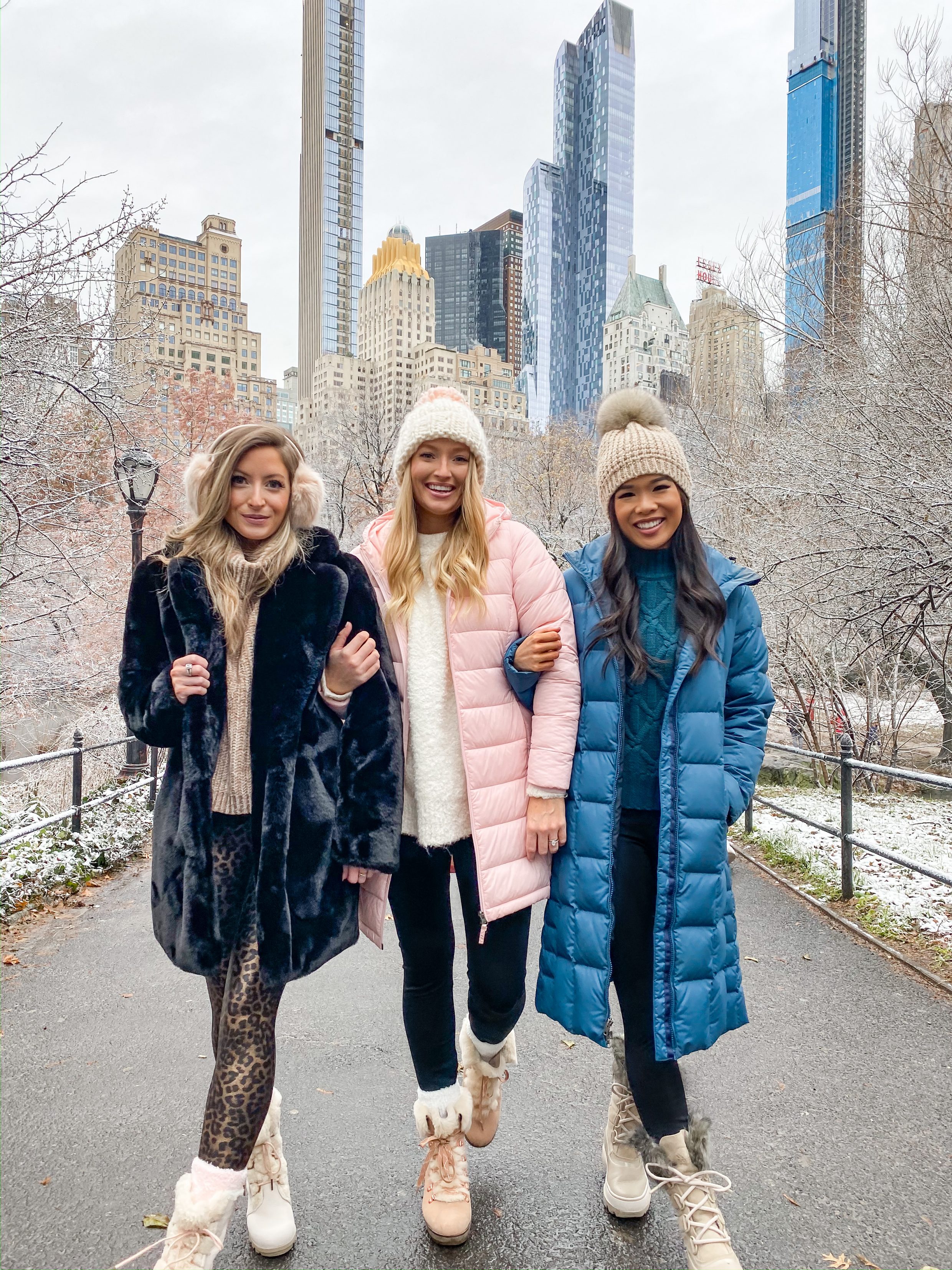
The process of acquiring winter gear has also been streamlined by technology. Virtual fitting rooms, employing augmented reality (AR) or 3D body scanning, allow you to “try on” garments digitally, assessing fit and style without physically visiting a store. This reduces guesswork and returns, especially for expensive winter coats and boots. Complementing this, advanced online comparison platforms go beyond simple price matching. They can filter products by specific technical specifications (e.g., waterproof ratings, insulation types, temperature ranges), sustainability metrics, user reviews, and even fabric composition. These platforms aggregate data from numerous retailers, providing a comprehensive overview of the market and empowering consumers to make highly informed purchasing decisions for their specific New York winter needs, ensuring maximum value and performance from their investment.
Wearable Technology for Enhanced Comfort and Safety
Beyond the garments themselves, wearable technology offers additional layers of comfort, safety, and connectivity, making the New York winter more manageable and enjoyable.
Heated Apparel: Jackets, Gloves, and Insoles
For those particularly sensitive to cold or planning extended outdoor activities, electrically heated apparel offers a significant advantage. Jackets, vests, gloves, and even insoles incorporating flexible heating elements powered by rechargeable battery packs provide direct, customizable warmth. Modern designs integrate heating elements seamlessly, often with multiple heat settings controlled via discreet buttons or even smartphone apps. This targeted warmth can make a profound difference in extreme cold, allowing individuals to endure longer periods outdoors without discomfort or risk of hypothermia. The technology has become more efficient, lighter, and more durable, moving from niche products to mainstream winter essentials.
Health Monitoring in Cold Climates
Wearable health trackers, already ubiquitous, gain particular relevance in cold urban environments. Smartwatches and fitness bands can monitor heart rate, blood oxygen levels, and even skin temperature. While these devices are not medical instruments, they can provide valuable insights into how your body is responding to cold stress or physical exertion in winter conditions. For individuals with certain health conditions, or those engaging in rigorous outdoor activities, real-time physiological data can be a crucial safety feature. Some advanced wearables also incorporate fall detection and emergency contact features, offering an additional layer of security when navigating icy streets or venturing out alone.
Smart Accessories: Keeping Your Devices Powered and Protected
Winter weather poses challenges for electronic devices, particularly battery life. Smart accessories are designed to mitigate these issues. Gloves with conductive fingertips allow for smartphone use without exposing hands to the cold. Portable power banks, specifically designed for cold weather with enhanced insulation or internal heating elements, ensure your phone and other gadgets remain charged. Furthermore, ruggedized phone cases offer protection against drops on icy sidewalks and resistance to moisture from snow or sleet. These seemingly small technological aids collectively contribute to a more seamless and comfortable winter experience, ensuring you stay connected and your essential tech functions optimally.
The Future of Cold Weather Tech Fashion
The trajectory of technological innovation in winter wear points towards even greater integration, personalization, and environmental consciousness. The future promises a winter wardrobe that is not only highly functional but also intuitively responsive to both the wearer and the environment.
Sustainable Innovations and Recycled Tech Materials
As environmental concerns grow, the development of sustainable tech materials is accelerating. This includes not only recycled synthetics but also bio-based polymers, fabrics derived from natural waste products, and manufacturing processes that minimize water and energy consumption. Future winter wear will likely feature more closed-loop systems, where garments can be fully recycled at the end of their life cycle, creating a circular economy for technical textiles. Innovations in natural fibers, enhancing their intrinsic thermal and moisture-wicking properties through bio-engineering or smart treatments, will also play a crucial role, blending high-performance with ecological responsibility.
Personalized Climate Control Integration
Imagine a coat that dynamically adjusts its insulation levels based on your body temperature, activity level, and real-time external conditions. This vision of personalized climate control is becoming increasingly feasible. Future garments could integrate arrays of micro-sensors and active heating/cooling elements that communicate with a central processing unit, optimizing comfort without manual intervention. Fabric structures might also become responsive, physically changing their loft or porosity to adapt to temperature fluctuations. This seamless, intelligent regulation would represent the ultimate in adaptive winter wear, eliminating the need to add or shed layers.
Seamless Connectivity in Winter Gear
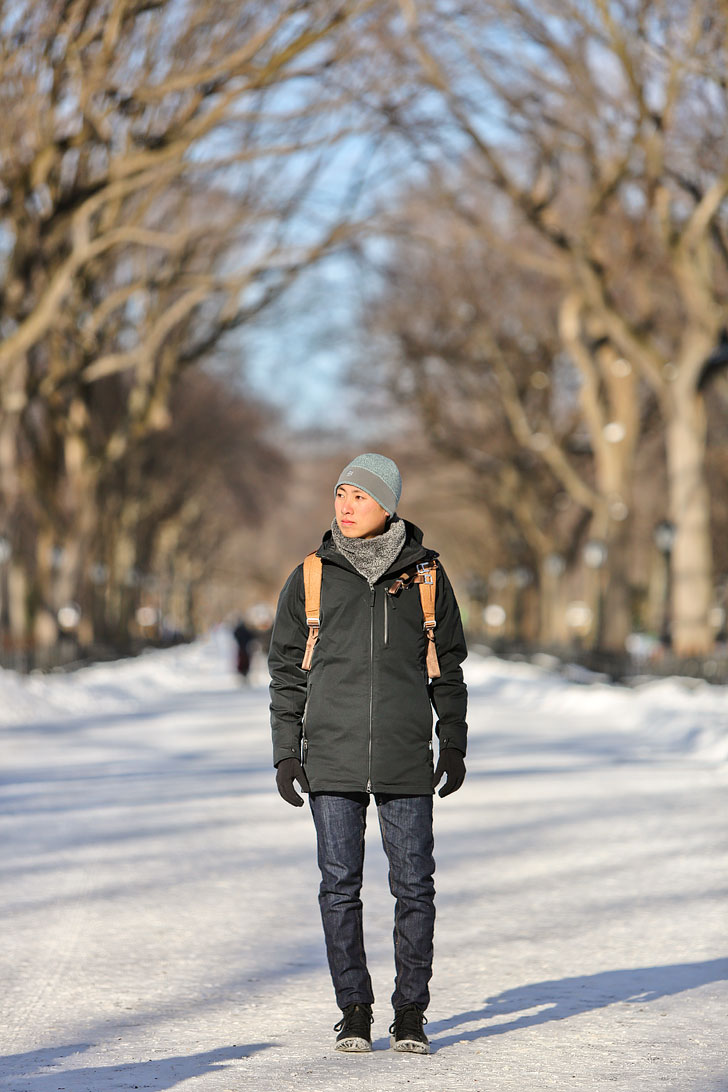
The convergence of fashion and technology will likely lead to winter wear that is more deeply integrated with our digital lives. Beyond heated elements, garments could incorporate communication devices, biometric sensors that communicate directly with health apps, or even flexible display screens. Imagine a glove that displays navigation instructions or alerts without needing to pull out your phone, or a coat with integrated haptic feedback for calls. This seamless embedding of connectivity will transform winter apparel into an active extension of our personal technology ecosystem, making New York winters not just tolerable, but technologically enhanced and effortlessly connected.
aViewFromTheCave is a participant in the Amazon Services LLC Associates Program, an affiliate advertising program designed to provide a means for sites to earn advertising fees by advertising and linking to Amazon.com. Amazon, the Amazon logo, AmazonSupply, and the AmazonSupply logo are trademarks of Amazon.com, Inc. or its affiliates. As an Amazon Associate we earn affiliate commissions from qualifying purchases.