
The blue blazer stands as an enduring emblem in the sartorial landscape, far transcending its role as mere attire to become a potent instrument of personal and corporate branding. Its utility lies not just in its aesthetic appeal but in its capacity to communicate a complex array of messages—authority, approachability, professionalism, and versatility—all crucial elements in constructing a robust brand identity. Understanding how to leverage this garment strategically is key to shaping perceptions and reinforcing your desired brand narrative in any professional or social context.
The Blue Blazer as a Foundation of Personal Brand Identity
At its core, personal branding is about managing one’s reputation and presence. The blue blazer serves as an exceptional foundational piece, enabling individuals to project a consistent and compelling image. Its ubiquity across industries and demographics speaks to its universal recognition as a symbol of reliability and competence.

Signaling Professionalism and Authority
A well-fitted blue blazer instantly elevates one’s appearance, conveying a sense of seriousness and respect for the occasion. In a corporate setting, this translates into perceived professionalism and authority. For business leaders, entrepreneurs, and client-facing professionals, donning a blazer is a non-verbal cue that signals preparedness, attention to detail, and a commitment to quality—all essential attributes for a strong brand. It implies a certain gravitas, often influencing how others engage with and perceive the individual’s ideas and proposals. This immediate visual shorthand streamlines the branding process, creating a positive first impression that can be built upon.
Versatility as a Brand Asset
One of the most powerful attributes of the blue blazer from a branding perspective is its unparalleled versatility. Unlike more rigid suiting, the blazer can seamlessly transition across a multitude of environments and dress codes, from formal presentations to casual networking events. This adaptability makes it an invaluable asset for anyone looking to maintain a consistent brand image without being confined to a single style. It allows for nuanced expression within a defined professional framework, enabling individuals to adapt their brand messaging to specific audiences and contexts while retaining a core identifier. This flexibility reduces the need for an extensive wardrobe, allowing for a focused investment in quality pieces that amplify one’s brand.
The Psychology of Blue in Branding
The color blue itself carries significant psychological weight in branding. Globally, blue is often associated with trust, loyalty, stability, wisdom, and confidence. It is a color frequently adopted by banks, technology companies, and professional services firms to evoke a sense of security and reliability. When incorporated into personal attire via a blue blazer, these subconscious associations transfer to the individual. Wearing blue can subtly communicate these desirable brand characteristics, fostering trust and credibility with clients, colleagues, and stakeholders. Different shades of blue—from deep navy to brighter royal blue—can further refine this message, allowing for a precise alignment with the desired emotional resonance of one’s personal brand.
Crafting Your Narrative: Blazer Combinations for Specific Brand Messages
The true power of the blue blazer in personal branding lies in how it is combined with other garments. Each pairing offers an opportunity to refine and target your brand message, whether you aim to project corporate gravitas, approachable expertise, or creative ingenuity.
Corporate & Formal: Executive Presence
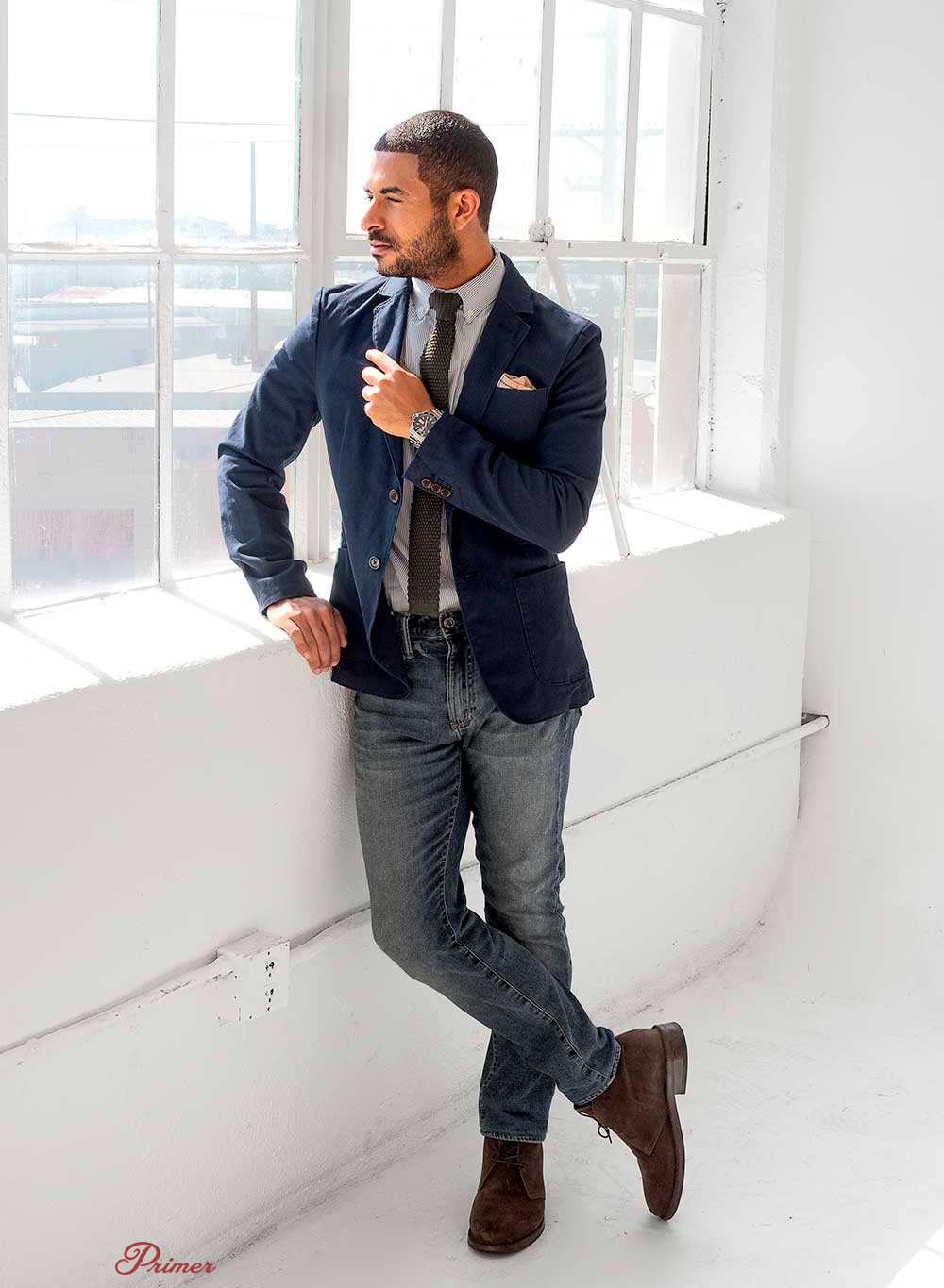
For situations demanding utmost formality and executive presence, the blue blazer serves as a sophisticated alternative or complement to a full suit. Paired with crisp white or light blue dress shirts, solid or subtly patterned ties (silk being the preferred fabric for its sheen and drape), and tailored trousers in grey, charcoal, or even a contrasting shade of blue, this ensemble communicates seriousness and a keen understanding of corporate decorum. The inclusion of a pocket square in a complementary color or pattern can add a touch of refined personalization, a subtle nod to individual style within a structured environment. This combination is ideal for high-stakes meetings, board presentations, or any scenario where a commanding and trustworthy brand image is paramount.
Business Casual: Approachable Authority
The business casual paradigm is where the blue blazer truly shines in its versatility, allowing for a blend of authority and approachability. Here, the blazer can be paired with lighter collared shirts (perhaps a subtle check or stripe), knitwear such as fine-gauge merino wool sweaters or cardigans, and chinos or tailored dark denim. This combination softens the formality without diminishing professionalism, making the wearer appear more accessible and collaborative. It’s particularly effective for team meetings, client lunches, or industry conferences where networking and rapport-building are key. This strategic relaxation of formality can enhance a brand’s human element, suggesting a leader who is both competent and relatable.
Creative & Smart Casual: Innovative Edge
For those whose personal brand emphasizes innovation, creativity, or a more contemporary edge, the blue blazer can be styled in smart casual ways. This might involve pairing it with an open-collared shirt, a quality t-shirt (plain or with a subtle graphic), dark wash jeans, or even smart casual trousers in unexpected fabrics like linen or corduroy. Footwear choices can also shift from polished dress shoes to stylish loafers, sleek sneakers, or desert boots. This styling approach projects a brand that is forward-thinking, adaptable, and comfortable challenging traditional norms, without sacrificing an underlying sense of polish. It demonstrates an understanding of modern aesthetics while retaining the structural integrity that a blazer provides, perfect for creative industries, tech startups, or thought leadership events.
Strategic Accessorizing: Enhancing Your Brand Message
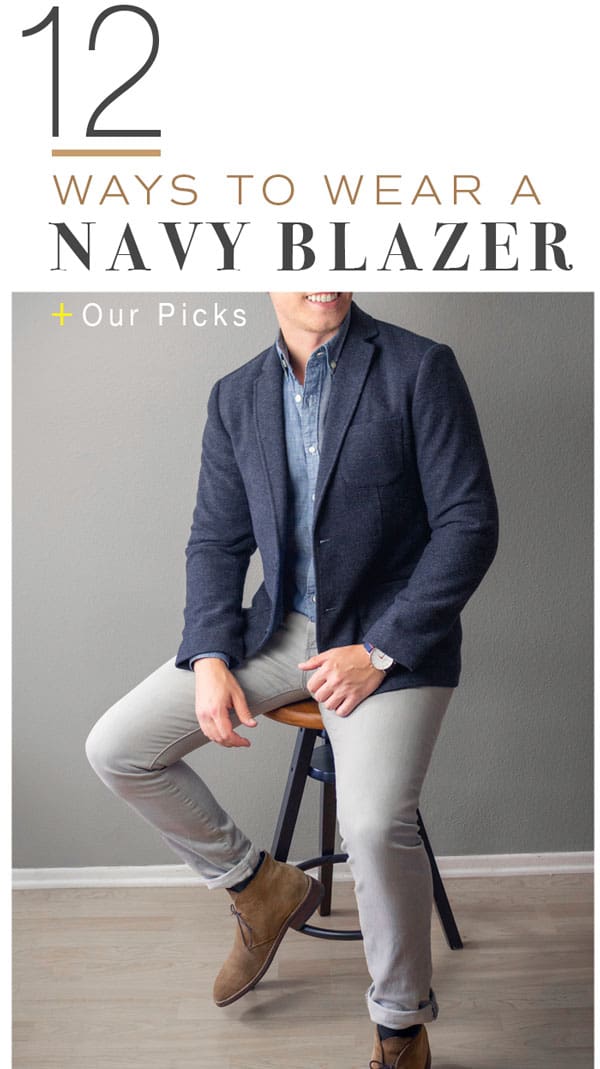
Accessories are not merely afterthoughts; they are critical components in refining your brand’s visual language. Each choice, from a tie to a watch, contributes to the overall message, providing opportunities for subtle yet powerful communication.
Ties, Pocket Squares, and Scarves: Subtle Brand Cues
These smaller items offer significant opportunities for personalization and brand reinforcement. A tie’s color, pattern, and knot can signify everything from traditional conservatism to vibrant creativity. A solid, dark tie with a classic knot speaks to gravitas, while a unique pattern or textured fabric might suggest a more artistic or innovative brand. Pocket squares provide a flash of personality, allowing for a creative flourish that differentiates without overwhelming. For women, a silk scarf can serve a similar purpose, adding color, texture, and a touch of elegance that reinforces a sophisticated brand image. These elements are potent non-verbal tools for communicating nuances of your personal brand.
Footwear and Belts: Anchoring Your Image
The choice of footwear and belt is crucial for grounding your brand image. Polished leather dress shoes (oxfords, derbies, monk straps) in black or dark brown convey professionalism and attention to detail. These choices reinforce a brand built on reliability and precision. For more relaxed brand messages, loafers or well-maintained fashion sneakers can suggest approachability and a contemporary outlook. Belts should always match the shoes in color and texture, creating a cohesive visual line that enhances a polished and thoughtful brand presentation. Subtlety and quality here are paramount; cheap or ill-maintained footwear can quickly undermine an otherwise strong brand message.
Jewelry and Watches: Reflecting Personal Values
Jewelry and watches are highly personal accessories that can reflect an individual’s values, status, and aesthetic preferences. A classic watch communicates timelessness and reliability, while a more modern or minimalist design might suggest innovation and efficiency. The choice between precious metals, leather, or textile straps can further refine this message. For women, subtle earrings, a delicate necklace, or an elegant bracelet can enhance sophistication without distraction. The key is moderation and quality; these items should complement, not overpower, the overall brand image, adding layers of authenticity and personal depth.
Fit and Fabric: Non-Verbal Brand Communication
Beyond color and combination, the fit and fabric of your blue blazer are perhaps the most critical, yet often overlooked, aspects of its branding power. These elements communicate volumes about attention to detail, perceived quality, and respect for oneself and others.
The Imperative of a Perfect Fit
A well-fitted blazer is non-negotiable for projecting a polished and professional brand image. A blazer that is too large looks sloppy and unprofessional, while one that is too tight appears uncomfortable and ill-considered. Key indicators of a good fit include shoulders that align perfectly with your own, sleeves that end at the wrist bone allowing a quarter-inch of shirt cuff to show, and a length that covers your seat. A tailored fit conveys meticulousness, confidence, and an understanding of presentation—all essential for a strong personal brand. Investing in tailoring is an investment in your brand; it signals that you value precision and quality in all aspects.
Fabric Choices and Perceived Quality
The fabric of your blue blazer also plays a significant role in brand perception. High-quality wool (such as worsted wool for year-round wear or flannel for cooler climates) communicates luxury, durability, and a classic sensibility. Lightweight wool or linen blends are excellent for projecting a relaxed yet refined brand in warmer environments. The drape, texture, and sheen of the fabric all contribute to the perceived quality and sophistication of your attire, and by extension, your personal brand. A blazer made from a rich, quality fabric implies an individual who appreciates finer details and invests in enduring value, characteristics that resonate positively in any professional engagement.
Maintaining Your Brand Asset: Longevity and Impact
The impact of your blue blazer as a branding tool extends beyond its initial wear; its maintenance and adaptation over time are crucial for sustaining a powerful and consistent brand image.
Care and Presentation
A pristine, well-maintained blazer reinforces a brand built on reliability and attention to detail. This means regular dry cleaning, proper storage on a good hanger to maintain its shape, and prompt addressing of wrinkles or minor blemishes. A faded, creased, or stained blazer can quickly undermine even the most carefully constructed brand identity, signaling carelessness or a lack of professionalism. The continuous effort put into maintaining one’s attire is a direct reflection of the effort one puts into their professional endeavors, thereby strengthening the authenticity and credibility of the brand.
Adapting to Evolving Brand Contexts
As your career progresses and your personal brand evolves, so too should your approach to wearing the blue blazer. What worked for an entry-level professional might need refinement for a senior leadership role. Staying attuned to current professional aesthetics and adapting your styling choices ensures that your brand remains relevant and impactful. This might involve updating accessories, investing in new fabric blends, or opting for a more modern cut. The blue blazer, with its inherent versatility, allows for this evolution, serving as a constant anchor while providing the flexibility to adapt and grow alongside your brand narrative.
aViewFromTheCave is a participant in the Amazon Services LLC Associates Program, an affiliate advertising program designed to provide a means for sites to earn advertising fees by advertising and linking to Amazon.com. Amazon, the Amazon logo, AmazonSupply, and the AmazonSupply logo are trademarks of Amazon.com, Inc. or its affiliates. As an Amazon Associate we earn affiliate commissions from qualifying purchases.