
Embarking on a trip to Cancun, Mexico, offers the promise of sun-drenched beaches and vibrant culture. Yet, without a financially astute packing strategy, the dream vacation can quickly become a drain on your personal finances. Every item you choose to pack – or forget to pack – carries a direct or indirect financial implication, from avoiding exorbitant tourist trap prices to safeguarding your assets against unforeseen events. This guide focuses exclusively on how your packing decisions contribute to your financial well-being, budget adherence, and overall peace of mind while traveling.
Strategic Packing for Maximum Budget Efficiency
The foundational principle of a financially savvy trip to Cancun lies in strategic packing. By carefully curating your luggage, you can significantly reduce the likelihood of unexpected expenses, ensuring your travel budget stretches further and is allocated to experiences rather than forgotten necessities.
The Cost of Convenience: Avoiding Overpriced Tourist Purchases
One of the most common budget pitfalls for travelers is the need to purchase forgotten items at inflated prices in tourist zones. Cancun’s resort areas and gift shops are notorious for marking up essentials like sunscreen, toiletries, basic apparel, and even over-the-counter medications.
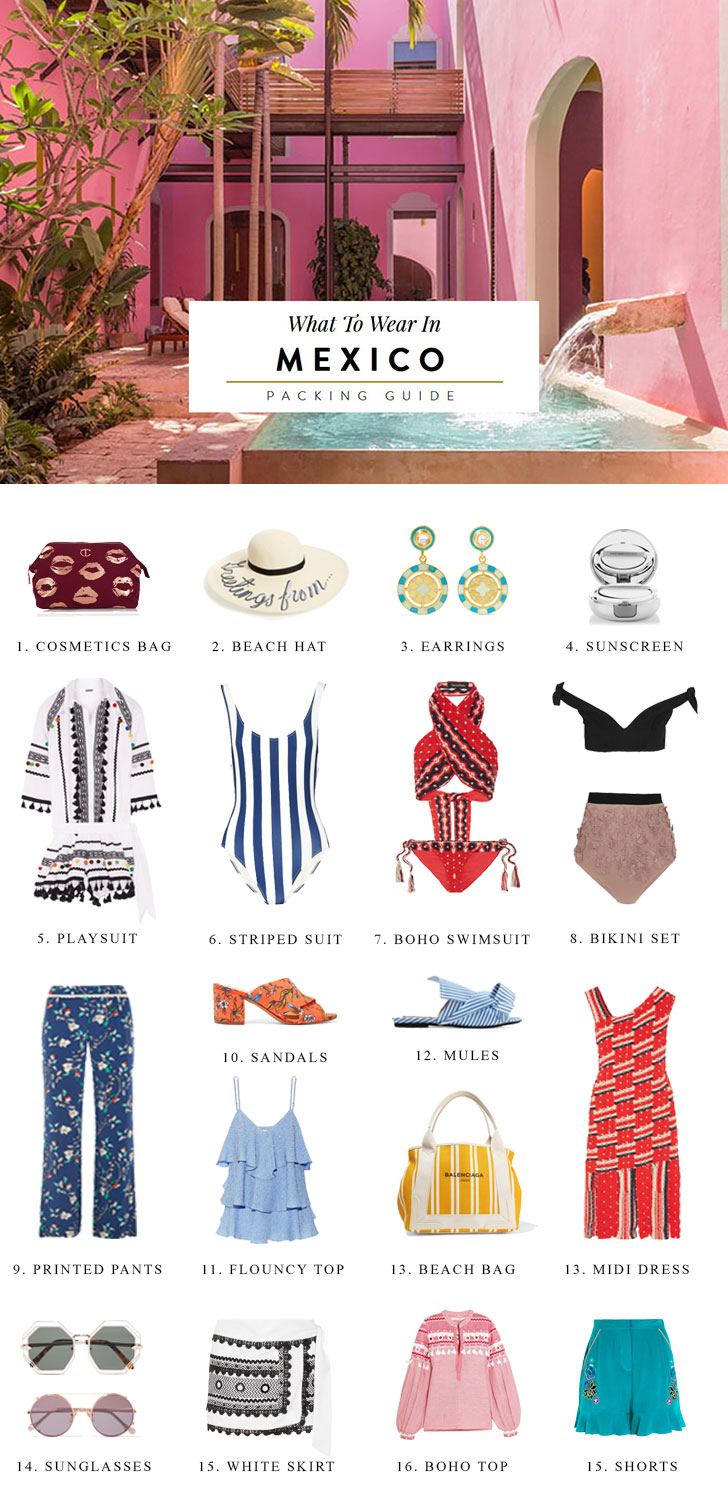
- Sun Protection: High-SPF reef-safe sunscreen, wide-brimmed hats, and UV-protective swimwear are absolute must-packs. Failing to bring these can lead to expensive on-site purchases or, worse, costly sunburn treatment. Look for brands at home that align with your budget and environmental preferences, which are often significantly cheaper than resort store alternatives.
- Basic Toiletries and Personal Care: Travel-sized shampoo, conditioner, soap, toothpaste, dental floss, and any specific skincare items should be packed from home. While hotels provide some basics, they may not suit your preferences or be sufficient for your entire stay, forcing you to buy full-sized, expensive replacements.
- Comfortable Footwear: Beyond flip-flops for the beach, consider walking shoes for excursions or resort grounds. An unplanned shoe purchase due to discomfort can easily set you back $50-$100 or more.
- Medications and First Aid: A small kit containing pain relievers, anti-diarrhea medication, motion sickness tablets, bandages, and antiseptic wipes is invaluable. A doctor’s visit or a pharmacy run for these simple items in a foreign country can incur significant costs, especially without travel insurance.
Luggage Strategy: Balancing Baggage Fees and Packing Needs
Your choice of luggage and how you fill it directly impacts airline baggage fees, a often-overlooked financial drain. Budget airlines, in particular, can charge hefty fees for checked bags, overweight luggage, and even carry-ons that exceed specific dimensions or weight limits.
- Prioritize Carry-On: Whenever possible, aim to pack all essentials into a single carry-on bag to avoid checked baggage fees altogether. This strategy not only saves money but also mitigates the risk of lost luggage, which can lead to significant immediate expenses for replacement items and considerable stress.
- Strategic Checked Bag Usage: If a checked bag is unavoidable (e.g., for longer trips, specialized gear), consolidate items efficiently. Coordinate with travel companions to share bag space and distribute weight. Always weigh your bag before heading to the airport to avoid surprise overweight fees, which can be astronomical.
- Roll vs. Fold: Employ efficient packing techniques like rolling clothes tightly to maximize space. This can reduce the need for an additional bag or help stay within weight limits.
- Wear Bulky Items: Wear your heaviest shoes and jacket on the plane to reduce luggage weight and free up space in your bags. This simple hack can often prevent an overweight baggage fee.
Investment in Versatility: Multi-Purpose Items That Save Money
Smart travelers view certain packing choices as investments in efficiency that yield financial returns. Multi-purpose items reduce the total number of things you need to pack, saving space, weight, and ultimately, potential baggage fees or the need for additional purchases.
- Versatile Clothing: Pack items that can be mixed and matched to create multiple outfits for various occasions (beach, dinner, excursions). Neutral colors, basic tops, and bottoms that pair well together reduce the overall clothing volume.
- Sarongs/Travel Towels: A lightweight sarong can serve as a beach cover-up, a light shawl, a makeshift towel, or even a modest wrap for visiting cultural sites, eliminating the need to buy separate items. Fast-drying microfiber travel towels also save space and weight compared to bulky cotton towels.
- E-Reader/Tablet: Instead of packing multiple physical books or magazines, a single e-reader or tablet provides endless entertainment, often for free or at a low cost, preventing impulse book purchases at airport stores.
- Reusable Water Bottle: Staying hydrated in Cancun is crucial, but buying bottled water repeatedly adds up. Packing a reusable water bottle that can be refilled at your hotel or with purified water saves money and reduces plastic waste. Consider a bottle with a built-in filter if you plan to venture beyond trusted water sources.
Safeguarding Your Financial Well-being While Abroad
Beyond saving money, financially astute packing involves proactive measures to protect your assets and financial security during your travels. Cancun, like any popular tourist destination, can present risks if you’re not prepared.
Secure Carry for Currency, Cards, and Critical Documents
The physical security of your money, payment methods, and identification is paramount. Thoughtful packing ensures these items are protected against loss or theft.
- Hidden Pouches and Money Belts: These are invaluable for discreetly carrying cash, credit cards, and passports under your clothing. Distribute your funds: keep some cash and one primary card in a secure, accessible spot, and the bulk of your money, a backup credit card, and passport copies in a hidden pouch.
- RFID-Blocking Wallet/Sleeve: With the prevalence of contactless payment, RFID-skimming can be a concern. Invest in an RFID-blocking wallet or sleeves for your credit cards and passport to prevent unauthorized scanning of your financial data.
- Cross-Body Bags with Anti-Theft Features: If you carry a bag, opt for a cross-body style with zipper locks, slash-proof material, and a secure strap. This provides a harder target for opportunistic thieves compared to easily snatched shoulder bags.
- Minimalist Approach: Only carry what you absolutely need for the day. Leave extra cash, non-essential credit cards, and valuable jewelry securely locked in your hotel safe.
The Non-Negotiable Financial Shield: Travel Insurance Documentation
Travel insurance is a critical financial safeguard that should be arranged well before departure. While not a physical item to “pack” in the traditional sense, packing proof of your policy is essential.
- Policy Details and Emergency Contacts: Print out your travel insurance policy details, including policy numbers, emergency contact information, and claims procedures. Keep a physical copy separate from your other financial documents (e.g., in a different part of your luggage) and a digital copy accessible on your phone or cloud storage.
- Coverage Clarity: Understand what your policy covers: medical emergencies, trip cancellation/interruption, baggage loss, and personal liability. Knowing this upfront can prevent significant out-of-pocket expenses should an unforeseen event occur.
- Medical Information: If your insurance includes medical coverage, pack a list of any chronic conditions, allergies, or medications you take. This information is crucial for local medical professionals and your insurance provider in an emergency.
Establishing Emergency Fund Access: A Financial Lifeline

Even the best-planned trips can encounter unexpected financial challenges. Having a strategy for accessing emergency funds is a vital part of financially astute packing.
- Diversified Access: Don’t rely on a single payment method. Pack multiple credit cards (from different networks like Visa and Mastercard), an ATM/debit card, and a small amount of local currency. Keep them in separate locations.
- Notifying Your Bank: Inform your bank and credit card companies of your travel dates and destinations to prevent fraud alerts from freezing your accounts. Pack their international customer service numbers.
- Digital Access to Funds: Ensure you have access to online banking or mobile banking apps, allowing you to monitor transactions, transfer funds, or block lost/stolen cards from anywhere. Pack a secure portable charger for your phone to ensure uninterrupted digital access.
- Emergency Contact List: Pack a list of trusted contacts back home who could assist with wire transfers or financial support if all your own access methods fail.
Essential Financial Tools and Document Management
Beyond security, specific items and practices are crucial for managing your money effectively in a foreign country, ensuring you maximize value and minimize fees.
Optimized Payment Methods: Credit Cards with No Foreign Transaction Fees and ATM Strategies
Your choice of payment method directly impacts the cost of your purchases.
- No Foreign Transaction Fee Credit Cards: Prioritize credit cards that waive foreign transaction fees (typically 2-3% of each purchase). Over a trip, these savings can accumulate significantly. Pack at least two such cards from different providers.
- Debit Cards for Cash Withdrawals: Use a debit card with a reputable bank that offers low or no ATM withdrawal fees and favorable exchange rates. Avoid using credit cards for cash advances, as they often come with high fees and immediate interest charges.
- ATM Location Planning: Before your trip, identify ATM locations affiliated with major networks (e.g., Cirrus, Plus) that your bank uses. This helps avoid independent ATMs that charge higher fees.
- Decline Dynamic Currency Conversion (DCC): When offered to pay in your home currency at a point-of-sale terminal or ATM, always decline. Opt to pay in local currency (Mexican Pesos). DCC typically uses unfavorable exchange rates, costing you more money.
Prudent Currency Management: Local Pesos and Exchange Considerations
How you acquire and manage local currency significantly affects your budget.
- Small Denominations: Pack a small amount of Mexican Pesos in small denominations ($200-$300 USD equivalent) for immediate expenses like tips, small purchases, or taxi fares upon arrival. Obtaining these from your home bank often yields better rates than airport exchange kiosks.
- Avoid Airport Exchange: Exchange kiosks at airports and tourist zones often have the worst exchange rates and highest fees. Use local ATMs for the bulk of your cash needs, especially those associated with major banks.
- Budget for Tipping: Cancun operates on a tipping culture. Factor tips for hotel staff, restaurant servers, tour guides, and taxi drivers into your daily budget and pack smaller bills (pesos) specifically for this purpose.
Digital and Physical Copies: Protecting Your Financial Identity
Having backup copies of critical documents is essential for identity and financial protection in case of loss or theft.
- Passport and Visa Copies: Pack physical photocopies of your passport’s main page and any entry visas. Keep these separate from your actual passport. Also, store digital copies securely in a cloud service (e.g., Google Drive, Dropbox) or encrypted on your phone.
- Credit Card Information: Do NOT carry your credit card numbers written down, but do pack the emergency contact numbers for your banks/credit card companies to report loss or theft quickly.
- Travel Itinerary and Bookings: Printouts or digital copies of hotel reservations, flight details, and tour bookings can be financially important for resolving disputes or proving pre-payment.
Proactive Packing to Prevent Unexpected Expenses
Anticipating potential issues and packing accordingly is a hallmark of a financially responsible traveler. This includes planning for health, communication, and adherence to local regulations.
Health and Personal Care: Bypassing High Pharmacy Costs
Health-related packing directly impacts your finances by minimizing potential medical bills or expensive replacements.
- Prescription Medications: Pack all necessary prescription medications in their original containers with clear labels. Bring enough for your entire trip, plus a few extra days’ supply. A copy of your prescription from your doctor is also a good idea. Filling prescriptions abroad can be costly and complicated.
- Basic Medical Kit: A comprehensive kit (band-aids, antiseptic, pain relievers, allergy medication, stomach remedies, insect repellent) can save you from high-priced tourist clinic visits or pharmacy purchases for minor ailments.
- Hygiene Essentials: Hand sanitizer and sanitizing wipes are inexpensive items that can prevent illness, thereby avoiding potentially expensive medical interventions.
Connectivity Solutions: Avoiding Exorbitant Roaming Charges
Staying connected without incurring massive phone bills is a key financial consideration for modern travelers.
- Unlocked Phone and Local SIM Card: If your phone is unlocked, purchasing a local Mexican SIM card upon arrival is often the most cost-effective way to get data and local calls, far cheaper than international roaming plans. Research Mexican carriers like Telcel or Movistar.
- Pre-Paid eSIM: Many modern smartphones support eSIM technology. Purchasing an international eSIM plan before you leave can provide seamless, affordable data connectivity from the moment you land, bypassing physical SIM card hassle.
- Portable Wi-Fi Hotspot/Power Bank: A portable Wi-Fi hotspot can provide internet for multiple devices, potentially saving money if traveling with family. A fully charged power bank ensures your phone has power for navigation, communication, and banking apps without resorting to expensive charging stations.

Adhering to Customs Regulations: Preventing Import Duties and Fines
Understanding what you can and cannot bring into Mexico, and what you can bring back home, can prevent unexpected financial penalties.
- Declaration of Goods: Be honest and accurate when completing customs declarations. Failing to declare items or bringing prohibited goods can result in hefty fines or confiscation.
- Value Limits for Purchases: Be aware of the duty-free limits for goods you purchase abroad and intend to bring back to your home country. Exceeding these limits can lead to unexpected import duties upon your return, impacting your overall trip cost. Research these limits before you shop for souvenirs.
By meticulously planning your packing through a financial lens, you transform “what to pack” from a logistical chore into a strategic exercise. This approach not only ensures you have everything you need for an enjoyable trip to Cancun but, more importantly, protects your hard-earned money, allowing you to spend it on memorable experiences rather than avoidable expenses.
aViewFromTheCave is a participant in the Amazon Services LLC Associates Program, an affiliate advertising program designed to provide a means for sites to earn advertising fees by advertising and linking to Amazon.com. Amazon, the Amazon logo, AmazonSupply, and the AmazonSupply logo are trademarks of Amazon.com, Inc. or its affiliates. As an Amazon Associate we earn affiliate commissions from qualifying purchases.