
Maintaining a healthy and productive flock is paramount for anyone relying on chickens for eggs, whether for personal consumption savings, a side hustle, or a small business. An egg-bound hen represents a significant financial risk, threatening not only the immediate loss of egg production but potentially the loss of the hen itself—an irreplaceable asset. Understanding how to identify, address, and prevent egg binding is a critical component of sound financial management for any poultry enterprise. This guide delves into the economic implications of egg binding and outlines prudent, cost-effective strategies to protect your investment and ensure sustained profitability.
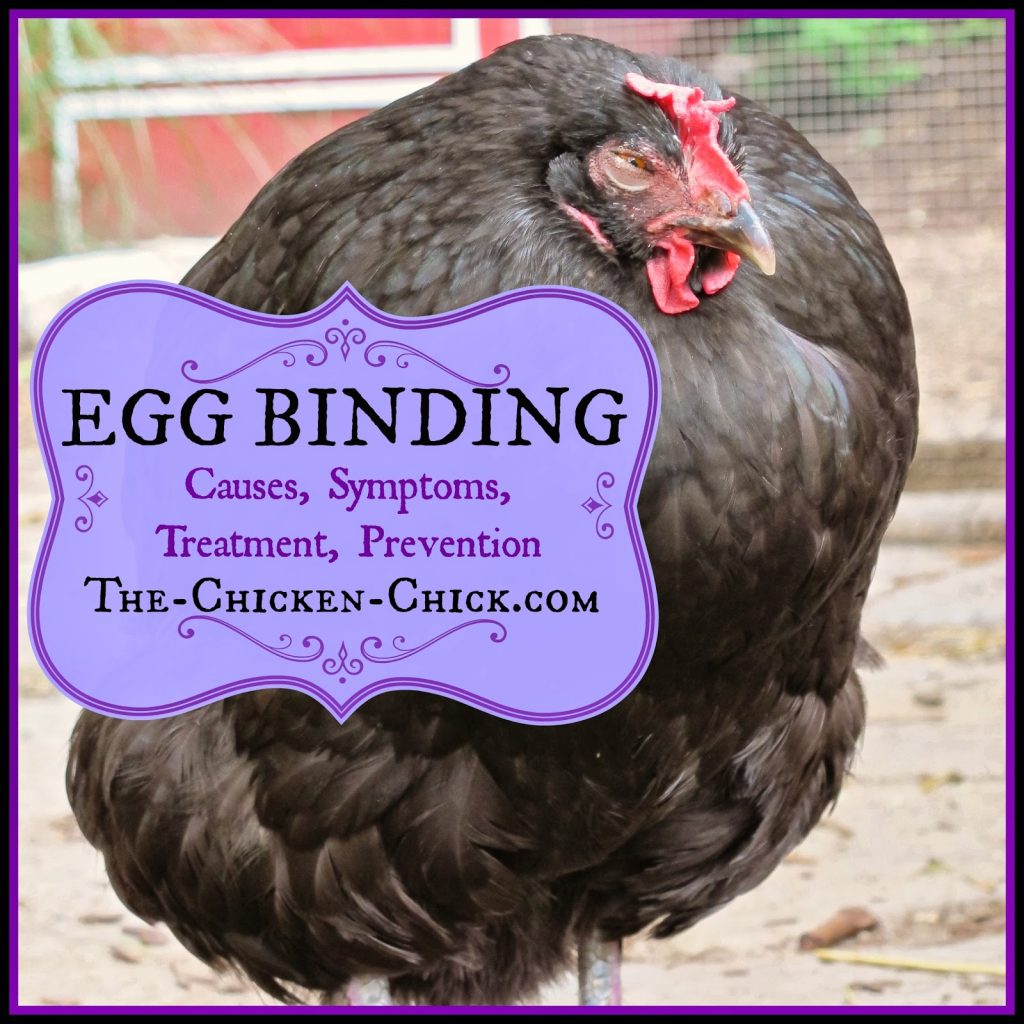
Protecting Your Poultry Investment: Understanding Egg Binding’s Financial Impact
The health of individual birds directly translates into the financial health of your poultry operation. An egg-bound chicken, unable to pass an egg, is not merely experiencing discomfort; it is a non-producing asset, a potential capital loss, and a drain on resources if not managed swiftly and effectively.
The Cost of a Compromised Laying Hen
Every laying hen in your flock represents a direct investment. This investment includes the initial purchase price or rearing costs, ongoing feed expenses, housing infrastructure, and the labor involved in her care. When a hen becomes egg-bound, several financial losses accrue:
- Loss of Production: The most immediate impact is the cessation of egg laying. For commercial ventures, this means lost revenue; for homesteaders, it means increased grocery bills or reduced surplus for sale. A healthy hen can produce hundreds of eggs annually, each contributing to your bottom line.
- Capital Depreciation: A sick or deceased hen means the loss of your initial investment. Replacing a mature laying hen involves not only the purchase price of a new bird but also the time it takes for a pullet to mature and begin laying, representing an opportunity cost for lost production during that interim.
- Increased Operational Costs: Treating an egg-bound hen, while often cheaper than replacement, still incurs costs. These might include specialized feeds, supplements, medications, or, in severe cases, veterinary consultation fees. Ignoring the problem leads to a higher probability of needing more expensive interventions or facing total asset loss.
Mitigating Revenue Loss through Proactive Care
Proactive management and rapid intervention are not just good husbandry; they are essential financial strategies. By understanding the causes and symptoms of egg binding, you position yourself to act quickly, minimizing downtime and safeguarding your revenue stream or savings. Prevention, as always, proves to be significantly more cost-effective than cure. Investing in optimal nutrition, appropriate housing, and stress reduction measures pays dividends by reducing the incidence of costly health issues.
Early Detection: Safeguarding Your Flock’s Productivity and Your Bottom Line
Vigilance is a non-monetary investment that yields substantial financial returns in poultry management. Early detection of egg binding can be the difference between a swift recovery with minimal production interruption and a prolonged illness leading to financial losses or even asset forfeiture.
Recognizing Symptoms as Early Warning Signs for Financial Stability
Regular observation of your flock allows you to identify subtle changes in behavior or physical condition that signal impending problems. Key indicators of an egg-bound hen include:
- Behavioral Changes: A typically active hen may become lethargic, withdrawn, or unwilling to move. She might sit or stand hunched, appearing uncomfortable. These shifts signal a decline in well-being that can quickly impact productivity.
- Physical Manifestations: Watch for straining, frequent squatting, or a penguin-like waddle. The hen’s comb and wattles might appear pale or bluish. Upon palpation (careful feeling of the abdomen), a hard, unpassed egg might be detectable, confirming the obstruction and necessitating immediate action to prevent further financial detriment.
- Loss of Appetite and Water Intake: A hen that stops eating or drinking is under significant stress, which accelerates health decline and complicates recovery, increasing the financial stakes.
Timely Intervention: Preserving Asset Value
Once egg binding is suspected, immediate, gentle intervention is crucial. Delaying action amplifies the risk of infection, prolapse, or even death, turning a manageable situation into a significant financial setback. The faster you act, the higher the probability of a full recovery, preserving the hen’s value as a productive asset within your flock. This swift action minimizes the period she is non-productive and reduces the potential for costly complications that might require extensive (and expensive) veterinary treatment or, worst-case, necessitate replacing the entire bird.
Practical Interventions for Egg Binding: A Financial Prudence Approach
When confronted with an egg-bound hen, selecting the right course of action involves a delicate balance between effective treatment and cost-efficiency. Many initial interventions are low-cost, demonstrating how smart, hands-on management can save significant expenditures.
Low-Cost, Effective Home Remedies

Before considering professional veterinary intervention, which can be costly, several home remedies offer a high success rate for mild cases of egg binding. These interventions leverage existing resources and basic supplies, minimizing financial outlay while maximizing the chance of recovery:
- Warm Bath Treatment: This is often the first and most effective step. Submerging the hen’s lower body in a warm (not hot) Epsom salt bath for 15-30 minutes helps relax muscles and encourages the egg to pass. Epsom salts are an inexpensive, readily available commodity, making this a highly cost-effective treatment.
- Lubrication and Massage: After the bath, gently apply a small amount of lubricant (such as vegetable oil or petroleum jelly) to the vent. A very gentle, upward-and-backward massage of the abdomen can sometimes aid the egg’s passage. This requires no special equipment beyond household items and careful technique.
- Warm, Dark, Quiet Space: Post-bath, place the hen in a warm, dark, and quiet environment with access to food and water. Reducing stress is crucial for recovery and can prevent further complications that might lead to additional costs. Heat lamps or brooders can provide the necessary warmth, utilizing existing farm equipment.
- Calcium Supplementation: Providing a calcium boost (e.g., crushed oyster shell, a liquid calcium supplement in water) can sometimes strengthen uterine contractions, aiding egg expulsion. This is a minimal additional cost, especially if already incorporated into a regular feeding regimen.
These methods represent minimal cash outflow, relying primarily on time and knowledge, directly contributing to preserving your poultry asset without significant financial strain.
When to Consult a Professional: A Cost-Benefit Analysis of Veterinary Care
While home remedies are often successful, there are instances where professional veterinary care becomes a necessary, albeit more expensive, step. A financial prudence approach dictates that you weigh the cost of a vet visit against the value of the hen and the likelihood of successful treatment.
- Persistent Symptoms: If, after 12-24 hours of diligent home treatment, the hen shows no improvement, her condition is likely deteriorating. At this point, the risk of infection, rupture, or permanent damage increases significantly.
- Signs of Severe Distress: Extreme lethargy, difficulty breathing, or a prolapsed vent (where part of the oviduct protrudes) are emergency situations. These can rapidly lead to irreversible damage or death, making a vet visit a critical investment to save the bird.
- Veterinary Expertise: A veterinarian can provide more advanced interventions, such as manual egg extraction (often requiring sedation) or, in extreme cases, surgery. They can also prescribe antibiotics for infections, which might otherwise be fatal.
The decision to consult a vet is a strategic financial one. While an immediate expense, it may prevent a greater loss (the hen itself) and protect the overall genetic and productive health of your flock. For high-value breeding hens or foundational layers, this investment is often justifiable. For a flock where individual hen value is lower, a clear understanding of the cost-benefit ratio is essential to prevent over-expenditure on an unlikely recovery.
Post-Recovery and Prevention: Sustaining Your Egg Production for Long-Term Profitability
Successful treatment of an egg-bound hen is only half the battle. To ensure long-term profitability and prevent recurrence, attention must turn to post-recovery care and, critically, robust preventative measures. These strategies are investments in the sustained productivity and financial stability of your flock.
Nutritional Strategies for Optimal Laying and Reduced Risk
A hen’s diet is intrinsically linked to her laying performance and overall health. Providing optimal nutrition is a cost-effective preventative measure against egg binding, reducing future veterinary bills and production losses.
- Balanced Layer Feed: Investing in a high-quality layer feed formulated for laying hens is non-negotiable. This feed provides the necessary protein, vitamins, and minerals (especially calcium) required for consistent, healthy egg production. Skimping on feed quality can lead to weak eggshells, internal problems, and an increased risk of egg binding, ultimately costing more in lost eggs and sick birds.
- Calcium Supplementation: Even with a good layer feed, free-choice oyster shell or another calcium supplement should always be available. Hens can self-regulate their calcium intake, which is crucial for strong eggshells. Inadequate calcium is a leading cause of egg binding. This minimal investment in supplements significantly reduces the risk of expensive health complications.
- Avoiding Overfeeding and Treats: While treats can be enjoyable, excessive amounts of scratch grains or kitchen scraps can unbalance a hen’s diet, leading to obesity and nutrient deficiencies. Obese hens are more prone to egg binding. Maintaining a lean, healthy weight through proper diet management protects your birds and your wallet.
Environmental Management: An Investment in Flock Health
The physical environment of your flock profoundly impacts their health, productivity, and ultimately, your financial returns. Strategic environmental management acts as an upfront investment against future problems.
- Adequate Space: Overcrowding causes stress, which can suppress the immune system and lead to behavioral issues that impact laying. Ensuring ample coop and run space per bird is a crucial preventative measure against a myriad of health problems, including egg binding. The cost of slightly larger housing is offset by reduced disease and improved productivity.
- Cleanliness and Ventilation: A clean, dry coop with good ventilation prevents the buildup of ammonia and reduces pathogen load, minimizing respiratory issues and overall stress. Regular cleaning, while requiring labor, prevents the need for costly medications and veterinary treatments.
- Stress Reduction: Sudden changes, predator threats, or constant disturbance can stress hens, potentially disrupting their laying cycle and predisposing them to issues like egg binding. A calm, predictable environment is a low-cost, high-return strategy for maintaining flock health and consistent egg production.

Record Keeping: Tracking Health and Production for Financial Insights
Diligent record keeping is a powerful tool for financial analysis and proactive health management. Tracking individual hen performance, health incidents, and egg production trends provides invaluable data.
- Identify Problematic Hens: Records can help identify hens prone to egg binding or other health issues. This information allows for targeted intervention, culling decisions for chronic problems (preventing ongoing costs), or adjustments in breeding programs to improve flock resilience.
- Monitor Production Levels: Tracking daily or weekly egg production helps you quickly identify dips that might signal underlying health problems before they escalate into major financial losses.
- Evaluate Cost-Effectiveness: By correlating feed costs, health expenditures, and egg output, you can assess the true profitability of your flock, making informed decisions about feed brands, supplements, and culling strategies to optimize your financial returns.
By integrating these strategies, you transform the challenge of egg binding from a potential financial disaster into a manageable aspect of robust, profitable poultry management. Every action, from a warm bath to meticulous record-keeping, contributes to the long-term viability and success of your poultry enterprise.
aViewFromTheCave is a participant in the Amazon Services LLC Associates Program, an affiliate advertising program designed to provide a means for sites to earn advertising fees by advertising and linking to Amazon.com. Amazon, the Amazon logo, AmazonSupply, and the AmazonSupply logo are trademarks of Amazon.com, Inc. or its affiliates. As an Amazon Associate we earn affiliate commissions from qualifying purchases.