
Embarking on a journey to Yosemite National Park promises awe-inspiring landscapes and unforgettable experiences. Beyond the visual splendor, however, lies a critical preparatory phase: packing. While often viewed through the lens of convenience or comfort, the “what to bring” question for a trip to Yosemite is fundamentally a financial one. Strategic packing isn’t just about fitting everything into a backpack; it’s about making financially sound decisions that enhance your experience, safeguard your investment, and prevent unforeseen expenses. This guide delves into the monetary implications of your packing list, transforming preparation into an exercise in astute financial management.
Budgeting for Your Yosemite Gear Essentials
The allure of top-tier outdoor equipment can be strong, but a financially savvy approach to packing for Yosemite begins with a clear budget. Differentiating between essential investments and desirable luxuries is paramount to avoid overspending while ensuring preparedness.
Prioritizing Investments in Core Equipment
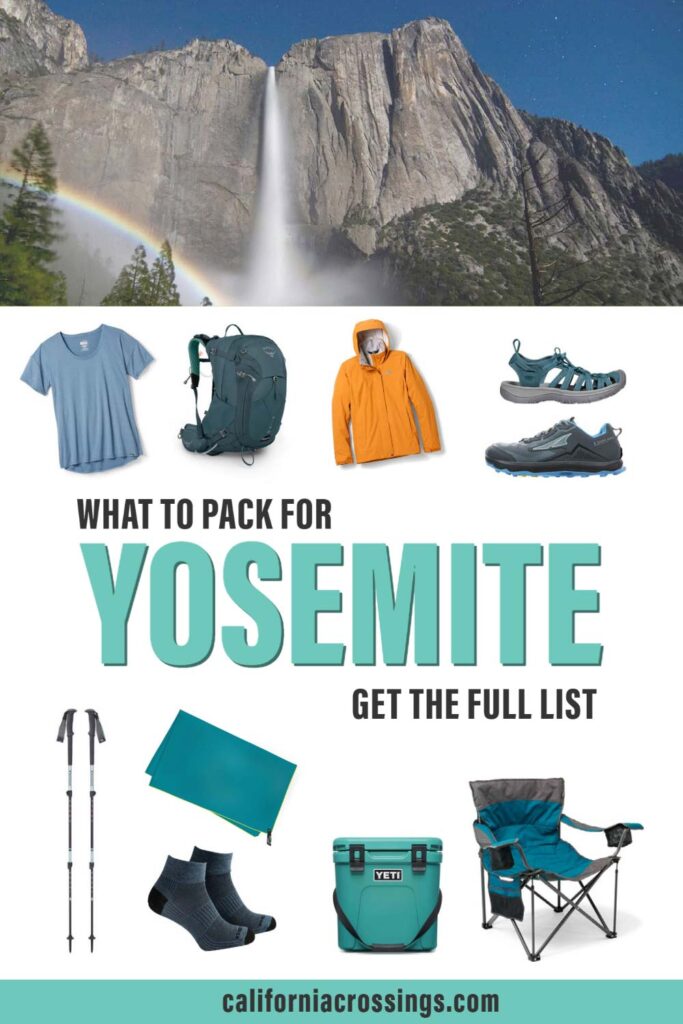
Certain items are non-negotiable for a safe and enjoyable Yosemite trip and warrant a thoughtful allocation of funds. Footwear, for instance, is not merely an accessory but a critical piece of safety equipment. Investing in high-quality, broken-in hiking boots or sturdy trail shoes suitable for Yosemite’s varied terrain can prevent injuries, blisters, and the costly interruption of your itinerary. Similarly, a durable, weather-appropriate tent, a comfortable sleeping bag rated for the expected temperatures, and a reliable backpack are foundational for campers. Attempting to save money on these core items by opting for unreliable or ill-suited alternatives often leads to discomfort, potential damage to the gear (requiring replacement), or even costly issues like needing to abandon a hike due to inadequate support or protection. Consider these purchases as investments in your safety, comfort, and the overall success of your adventure, offering returns in durability and peace of mind over multiple trips.
Smart Spending on Apparel and Footwear
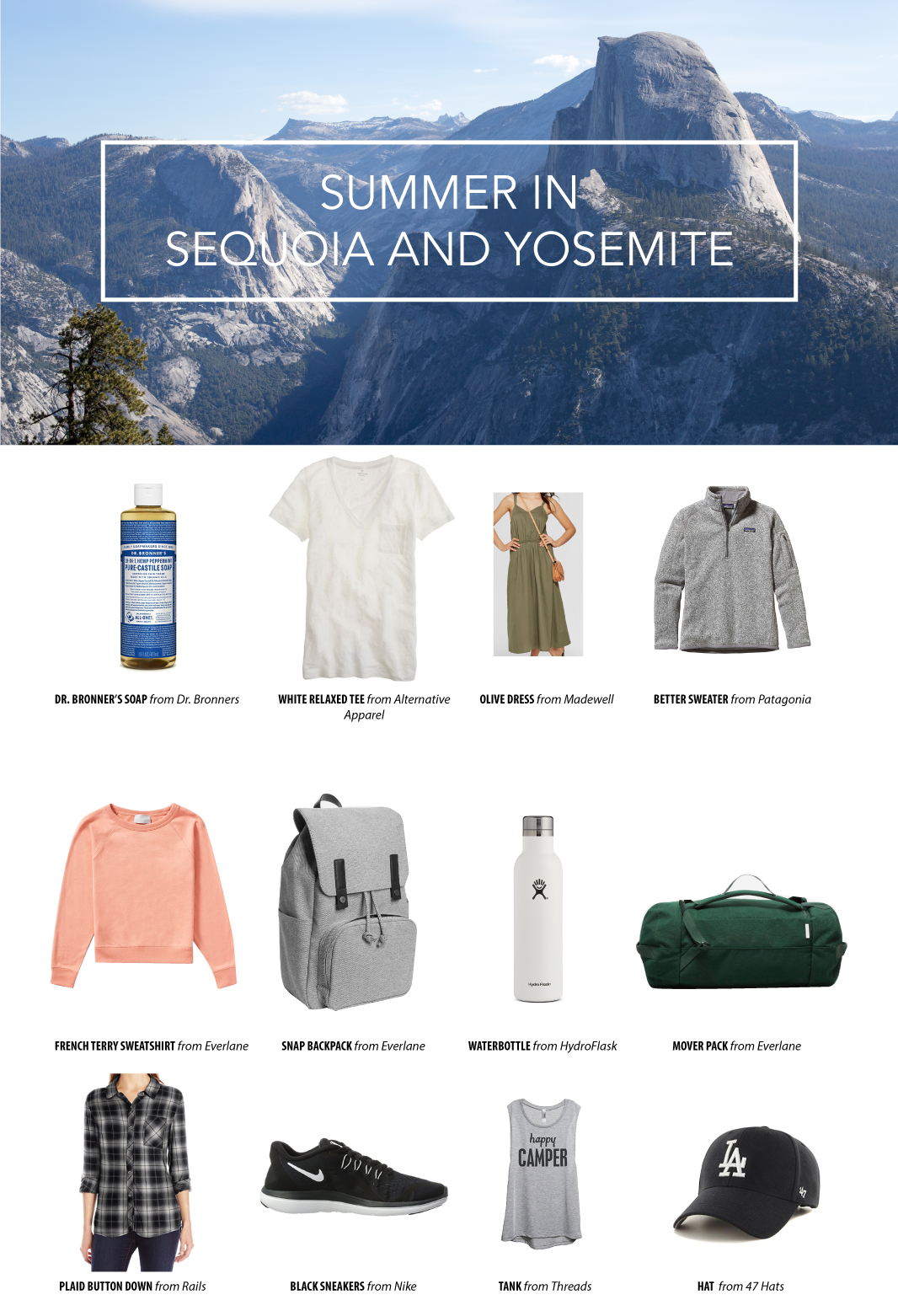
Beyond core gear, clothing choices present another significant opportunity for financial optimization. Yosemite’s weather can be unpredictable, making layering essential. Instead of purchasing an entirely new wardrobe, assess your existing activewear. Many outdoor enthusiasts already possess suitable base layers (moisture-wicking shirts, leggings), mid-layers (fleeces, insulated jackets), and outer layers (waterproof/windproof shells) that can be effectively combined. Focus on filling specific gaps. For instance, if you lack a proper rain shell, invest in a good quality, breathable option that will serve you for years, rather than a cheap, single-use poncho that might fail when you need it most.
Evaluate the necessity of specialized apparel. While performance fabrics offer benefits, a basic long-sleeve shirt might suffice for sun protection, reducing the need for an expensive “UPF-rated” garment if your budget is tight. The principle here is utility and longevity. Choose versatile pieces that can be worn in various conditions and for other activities, maximizing their per-use cost efficiency. Furthermore, consider secondhand markets or outdoor gear consignment shops for high-quality, gently used items, offering significant savings without compromising on performance.
The Financial Wisdom of Strategic Packing
The art of packing extends beyond merely assembling items; it involves a strategic financial mindset designed to enhance value and mitigate unexpected costs. Every item chosen or omitted has a monetary consequence, both direct and indirect.
Avoiding Costly On-Site Purchases
One of the most immediate financial benefits of strategic packing is the avoidance of impulse or emergency purchases within the park. Yosemite, like most national parks, has limited retail options, and prices for essentials (sunscreen, bug spray, batteries, forgotten snacks, or even a basic hat) are often significantly inflated compared to outside vendors. Forgetting a crucial item can lead to shelling out exorbitant amounts for a replacement, eating into your travel budget unnecessarily.
A comprehensive packing list, reviewed thoroughly before departure, acts as your first line of defense against these unplanned expenditures. Imagine forgetting your reusable water bottle and being forced to buy bottled water daily; over several days, this seemingly small oversight can accumulate into a substantial, avoidable expense. Similarly, not packing appropriate snacks can lead to reliance on expensive park concessions. Foresight in packing translates directly into financial savings and allows you to allocate your money towards experiences rather than necessities you could have brought from home.
Maximizing Value with Multi-purpose Items
Space and weight are often premium considerations when packing, especially for hikers. Multi-purpose items offer an ingenious solution that also delivers financial benefits. Instead of packing separate items for distinct uses, consider products that serve several functions. A bandana can be a head covering, a sweatband, a napkin, a bandage, or a pot holder. A multi-tool replaces a separate knife, can opener, and pliers, saving you the cost of individual items and reducing bulk.
Similarly, clothing designed for layering inherently offers multi-purpose utility: a fleece jacket can be a standalone outer layer in mild weather or a mid-layer in colder conditions. This approach not only streamlines your packing but also reduces the total number of items you need to purchase, stretching your gear budget further. Each multi-functional item represents a cost saving compared to acquiring several single-purpose alternatives.
The Hidden Costs of Under-preparation
Under-preparation carries significant hidden financial costs. Failing to pack proper rain gear, for instance, might result in ruined electronics, requiring costly repairs or replacements, or an unexpected illness that necessitates medical attention – an expense potentially not covered by basic travel insurance. Inadequate footwear can lead to injuries, demanding professional medical care, cancellation of planned activities (and the loss of pre-paid fees), or even premature departure from the park.

Consider the cost of discomfort. Not bringing appropriate layers for cold nights might lead to a miserable camping experience, potentially forcing an expensive last-minute booking in a lodge or hotel, far exceeding the cost of a warm sleeping bag or jacket. Conversely, not having proper sun protection (hat, sunscreen, sunglasses) can lead to severe sunburn, discomfort, and a potentially costly doctor’s visit. The financial impact of under-preparation extends far beyond the immediate inconvenience, underscoring the value of a thorough and financially prudent packing strategy.
Financial Tools and Strategies for Your Trip
Beyond the gear itself, effective financial planning for your Yosemite trip involves leveraging various tools and strategies to ensure monetary security and maximize value during your adventure.
Travel Insurance: A Prudent Investment
While often overlooked, travel insurance is a critical financial tool for any significant trip, including one to Yosemite. Unexpected events such as medical emergencies (from a twisted ankle on a trail to more serious accidents), trip cancellations due to unforeseen circumstances, or lost/damaged luggage can incur substantial financial burdens. A well-chosen travel insurance policy, especially one that covers outdoor activities and medical evacuation if you plan to venture into remote areas, acts as a financial safety net.
The cost of a policy is a small fraction of what you might pay out-of-pocket if a major incident occurs. It’s an investment in peace of mind, protecting your primary travel investment (accommodations, park fees, gear) and your personal finances from potentially catastrophic expenses. Carefully review policy details to ensure adequate coverage for your specific activities and the financial implications of potential disruptions.
Managing Funds in Remote Locations
Yosemite National Park offers limited banking services, and cellular service can be spotty, especially in certain areas of the park. Relying solely on credit cards may prove challenging in some smaller vendor locations or if the network is down. A financially smart approach involves carrying a small amount of cash for incidentals, tips, or purchases at establishments that may not accept cards or have reliable card readers.
Before your trip, notify your bank and credit card companies of your travel dates to prevent holds on your accounts due to unusual activity. Understand any foreign transaction fees if using cards not affiliated with local banks (though less likely within the U.S., it’s a good general practice). Consider utilizing a debit card with minimal ATM fees for cash withdrawals if needed, or carrying a backup credit card. Diversifying your payment methods is a simple yet effective financial strategy to avoid being stranded without access to funds.
Leveraging Discounts and Memberships
Before making any purchases for your Yosemite trip, explore potential discounts and memberships. If you plan to visit multiple national parks within a year, an “America the Beautiful” annual pass can offer significant savings on entrance fees, often paying for itself within two or three visits. Senior citizens, military personnel, and those with permanent disabilities are often eligible for discounted or free passes, representing a direct financial saving.
Many outdoor retailers offer loyalty programs, student discounts, or seasonal sales that can reduce the cost of gear. Signing up for newsletters from your favorite outdoor brands can alert you to upcoming promotions. Additionally, organizations like AAA sometimes offer discounts on accommodations or services near national parks. Proactive research into these avenues can yield substantial financial benefits, making your trip more affordable without compromising on quality or experience.
Long-Term Financial Benefits of Quality Gear
While initial costs can be higher, investing in quality gear for your Yosemite adventure often translates to significant long-term financial benefits. This perspective shifts budgeting from a one-time expense to a recurring asset.
Durability and Depreciation: A Financial Perspective
Cheap gear often means quick depreciation and frequent replacement. A poorly constructed backpack might rip after a few trips, necessitating a new purchase. Inferior rain gear might lose its waterproofing rapidly, requiring another investment sooner than expected. Quality gear, by contrast, is designed for durability and longevity. While the upfront cost might be higher, its extended lifespan means you’re not repeatedly purchasing replacements. Over several years and multiple trips, the total cost of ownership for quality gear is often lower than constantly replacing cheaper alternatives.
Consider the “cost per use.” A high-quality sleeping bag that lasts 10 years and keeps you comfortable on 50 trips has a much lower cost per use than a cheaper one that lasts two years and is used 10 times. This financial calculation justifies the initial investment, demonstrating how quality can be the more economical choice in the long run.
Renting vs. Buying: When to Save and When to Invest
For items you’ll use infrequently or those with a high initial cost, renting can be a financially astute decision. If you’re a first-time camper and unsure if you’ll pursue it regularly, renting a tent, sleeping bag, or specialized climbing gear for your Yosemite trip can save you hundreds, even thousands, of dollars. It allows you to test out gear before committing to a purchase, potentially preventing a costly mistake on an item you end up disliking or rarely using. Many outdoor outfitters near national parks or in major cities offer rental services.
However, for items central to your comfort, safety, and frequent use, buying is usually the better long-term investment. High-quality hiking boots, a personal backpack that fits well, or a dependable water filter are examples where the fit, reliability, and sanitation considerations make ownership more appealing. The decision to rent versus buy should be weighed against your anticipated frequency of use and the financial implications of each option, ensuring you allocate your money most effectively for your specific needs and future adventuring plans.
aViewFromTheCave is a participant in the Amazon Services LLC Associates Program, an affiliate advertising program designed to provide a means for sites to earn advertising fees by advertising and linking to Amazon.com. Amazon, the Amazon logo, AmazonSupply, and the AmazonSupply logo are trademarks of Amazon.com, Inc. or its affiliates. As an Amazon Associate we earn affiliate commissions from qualifying purchases.