
Italy represents a unique challenge for the modern traveler, digital nomad, and tech enthusiast. It is a country where centuries-old cobblestone streets meet cutting-edge 5G infrastructure, and where traditional espresso bars increasingly accept contactless mobile payments. Navigating this juxtaposition requires more than just a passport and a suitcase; it requires a sophisticated digital toolkit. To maximize productivity, security, and connectivity while exploring the Italian peninsula, one must curate a selection of hardware and software designed for the nuances of European infrastructure.
From the high-speed Frecciarossa trains connecting Milan to Naples to the remote, sun-drenched hills of Tuscany, your tech stack determines the fluidity of your experience. This guide outlines the essential technology, gadgets, and digital security measures you must bring to Italy to ensure a seamless integration into its modern landscape.

Hardware Essentials: Powering Your Italian Journey
The foundation of any tech-heavy travel kit is the hardware. In Italy, the primary challenges are power compatibility, portability, and the physical environment. Italian architecture, particularly in older cities, often features thick stone walls that can impede wireless signals, and power outlets that may differ from those in North America or the UK.
Universal Connectivity and Power Management
The most critical piece of hardware to bring is a high-quality Gallium Nitride (GaN) charger. Unlike traditional silicon-based chargers, GaN chargers are smaller, more efficient, and can handle higher wattages. A 65W or 100W GaN charger with multiple USB-C ports allows you to charge a laptop, a smartphone, and a tablet simultaneously from a single outlet.
In Italy, you will encounter three types of sockets: Type C (the standard European two-pin), Type F (Schuko), and the uniquely Italian Type L (three pins in a row). While many modern Italian buildings use the universal European Type C, older villas and apartments frequently still utilize Type L. Bringing a modular universal adapter that supports these specific configurations is non-negotiable. Furthermore, a high-capacity power bank (at least 20,000mAh) with Power Delivery (PD) is essential for long days of GPS usage and photography, especially when reliable wall outlets are unavailable on regional trains or in rural areas.
High-Performance Photography and Videography Gear
Italy is arguably one of the most photographed locations on earth. To capture its aesthetic depth—from the Renaissance details of Florence to the rugged coastline of Amalfi—smartphones often fall short of professional needs. A mirrorless camera with a versatile zoom lens (24-70mm equivalent) provides the dynamic range necessary for high-contrast Mediterranean light.
For those focusing on content creation, a portable gimbal is essential for stabilizing footage on uneven cobblestone streets. Additionally, consider the storage implications: Italy’s visual density will quickly fill local device storage. Bring high-speed UHS-II SD cards and a portable SSD (like the Samsung T7) for daily backups. This ensures that even if a device is lost or damaged, your digital assets remain secure.
Portable Computing and Productivity Devices
For the digital nomad or business traveler, the device of choice should prioritize weight-to-performance ratios. An M-series MacBook Air or a high-end iPad Pro with a Magic Keyboard offers the necessary processing power for video editing or data analysis while remaining light enough for a day at a Roman cafe. If you plan on working remotely, a foldable laptop stand and a compact mechanical keyboard can significantly improve ergonomics, transforming a small hotel desk into a functional workstation.
The Software Stack: Navigating Italy’s Digital Landscape
In Italy, the right software is just as important as the hardware. The country’s digital transformation has accelerated in recent years, making specialized apps and digital tools essential for transportation, communication, and financial transactions.
Localized Apps for Transportation and Dining
Italy’s rail system is world-class, but navigating it requires the right digital interface. The Trenitalia and Italo apps are essential for booking high-speed train tickets and receiving real-time updates on delays or platform changes. For urban navigation, Citymapper often outperforms Google Maps in complex cities like Rome or Venice, providing more accurate data on bus schedules and metro strikes.
When it comes to dining, the digital landscape is nuanced. While TheFork is widely used for restaurant reservations and often provides significant discounts, local tech-savvy Italians increasingly rely on Satispay. This is a homegrown Italian mobile payment app that allows for peer-to-peer transfers and easy payments at independent shops and cafes that might hesitate to accept traditional credit cards for small amounts like a single espresso.
Language Translation and Real-Time Communication

While English is common in tourist hubs, moving into the “real” Italy requires linguistic flexibility. DeepL has emerged as the superior choice for Italian translation, offering more natural phrasing and better grammatical accuracy than its competitors. Its mobile app allows for real-time camera translation of menus and documents. For voice communication, WhatsApp is the undisputed king of Italian social and business interaction. Almost every business, from boutique hotels to local tour guides, prefers WhatsApp for quick coordination.
Financial and Payment Technology
Italy has moved significantly toward a cashless society, but the digital infrastructure varies. Ensure your mobile wallet (Apple Pay or Google Pay) is fully configured with cards that have no foreign transaction fees. However, a digital-first banking tool like Revolut or Wise is indispensable. These platforms allow you to hold a balance in Euro, providing mid-market exchange rates that beat traditional banks. They also offer “virtual cards” which provide an extra layer of security when booking local tours or using unfamiliar Italian websites.
Connectivity and Data Strategy
Reliable data is the lifeblood of the modern traveler. Relying on hotel Wi-Fi or expensive roaming plans is a recipe for frustration and high costs.
eSIM vs. Physical SIM: Maximizing Local Networks
The most efficient way to stay connected in Italy is through eSIM technology. If your device is unlocked and compatible, providers like Airalo or Holafly allow you to purchase and install an Italian data plan before you even land. This eliminates the need to find a physical TIM or Vodafone store at the airport.
However, for power users or those staying for more than a month, a local physical SIM from a provider like Iliad or WindTre often offers significantly more data (up to 200GB) for a fraction of the price of travel eSIMs. Italy’s 5G rollout is extensive in major cities, but “dead zones” still exist in the deep valleys of the Dolomites or the narrow alleys of medieval hill towns. A device with a Qualcomm X65 modem or better will ensure the best possible signal retention in these challenging environments.
VPNs and Public Wi-Fi Security
Italy offers many free public Wi-Fi hotspots, especially in major piazzas and train stations. However, these networks are often unsecured and are prime targets for man-in-the-middle attacks. A robust Virtual Private Network (VPN) is mandatory. Look for providers that offer the WireGuard protocol, which provides high-speed encryption without significantly draining your battery. A VPN also allows you to access geo-restricted content from home, such as streaming services or secure banking portals that might flag an Italian IP address as suspicious.
Digital Security and Asset Protection
Bringing high-value tech to Italy requires a proactive security strategy. While Italy is generally safe, the “digital footprint” you leave behind and the physical security of your gadgets are paramount.
Protecting Your Hardware in High-Traffic Areas
Pickpocketing remains a concern in high-density tourist areas like the Colosseum or the Duomo in Milan. Your tech should be carried in anti-theft bags that feature RFID-blocking pockets and lockable zippers. For your most sensitive hardware, consider using AirTags or similar Bluetooth trackers hidden within your camera bag and laptop sleeve. This allows for real-time tracking via the “Find My” network, which is exceptionally dense in Italian cities.
Cloud Redundancy and Data Backup Strategies
The “What if?” scenario must be addressed. Before leaving for Italy, ensure that your device’s automated cloud backup (iCloud, Google One, or Backblaze) is functioning correctly. In Italy, utilize the “Files on Demand” feature to keep your local storage clear while ensuring that every photo taken is synced to the cloud whenever you hit a strong Wi-Fi connection. For professionals, maintaining a “3-2-1” backup strategy—three copies of your data, on two different media types, with one offsite—is the only way to guarantee your Italian work or memories are never lost.
The Future of Travel: AI and Emerging Tools
The final layer of what to bring to Italy involves the latest in Artificial Intelligence. We are entering an era where AI agents can act as personal concierges. Tools like ChatGPT Plus with its voice interface can serve as a real-time historical guide, explaining the significance of the ruins in the Roman Forum as you walk through them.
Furthermore, Augmented Reality (AR) apps are beginning to transform Italian tourism. Some museums and archaeological sites now offer AR overlays that reconstruct ancient buildings on your smartphone screen. Bringing a pair of lightweight AR glasses or simply ensuring your phone supports the latest ARCore/ARKit protocols will allow you to see Italy not just as it is, but as it was two thousand years ago.
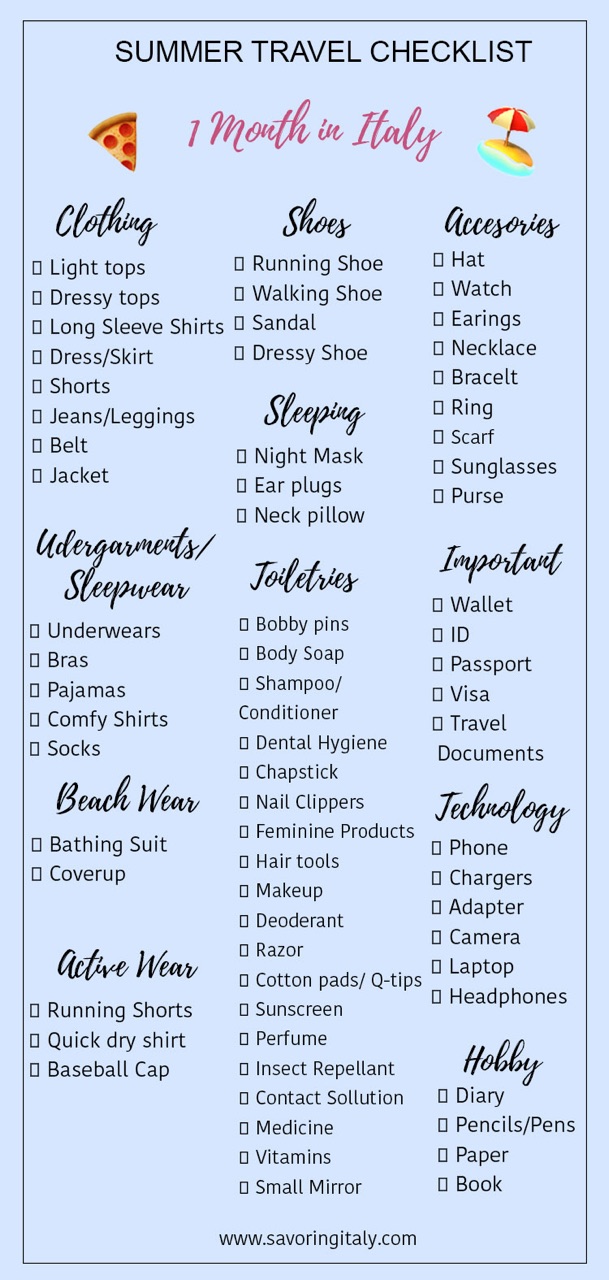
In conclusion, “what to bring to Italy” is no longer just about clothes and comfortable shoes. It is about a curated ecosystem of GaN chargers, eSIMs, VPNs, and AI-driven software. By preparing your digital infrastructure with the same care you use for your itinerary, you ensure that your Italian experience is defined by inspiration rather than technical frustration. In the land of “La Dolce Vita,” let your technology be the silent engine that powers a sweet and seamless journey.
aViewFromTheCave is a participant in the Amazon Services LLC Associates Program, an affiliate advertising program designed to provide a means for sites to earn advertising fees by advertising and linking to Amazon.com. Amazon, the Amazon logo, AmazonSupply, and the AmazonSupply logo are trademarks of Amazon.com, Inc. or its affiliates. As an Amazon Associate we earn affiliate commissions from qualifying purchases.